Many of us envision our anatomy as perfectly symmetrical, but the reality is our bodies are wonderfully unique. If you’ve ever heard the term “tilted uterus” or “tilted cervix,” you’re not alone. This common anatomical variation can sometimes raise questions, especially when considering reusable period products like menstrual cups. Can you still enjoy the benefits of a menstrual cup with an angled cervix? Absolutely! It might just require a bit of extra understanding and a few clever tricks to find your perfect fit.
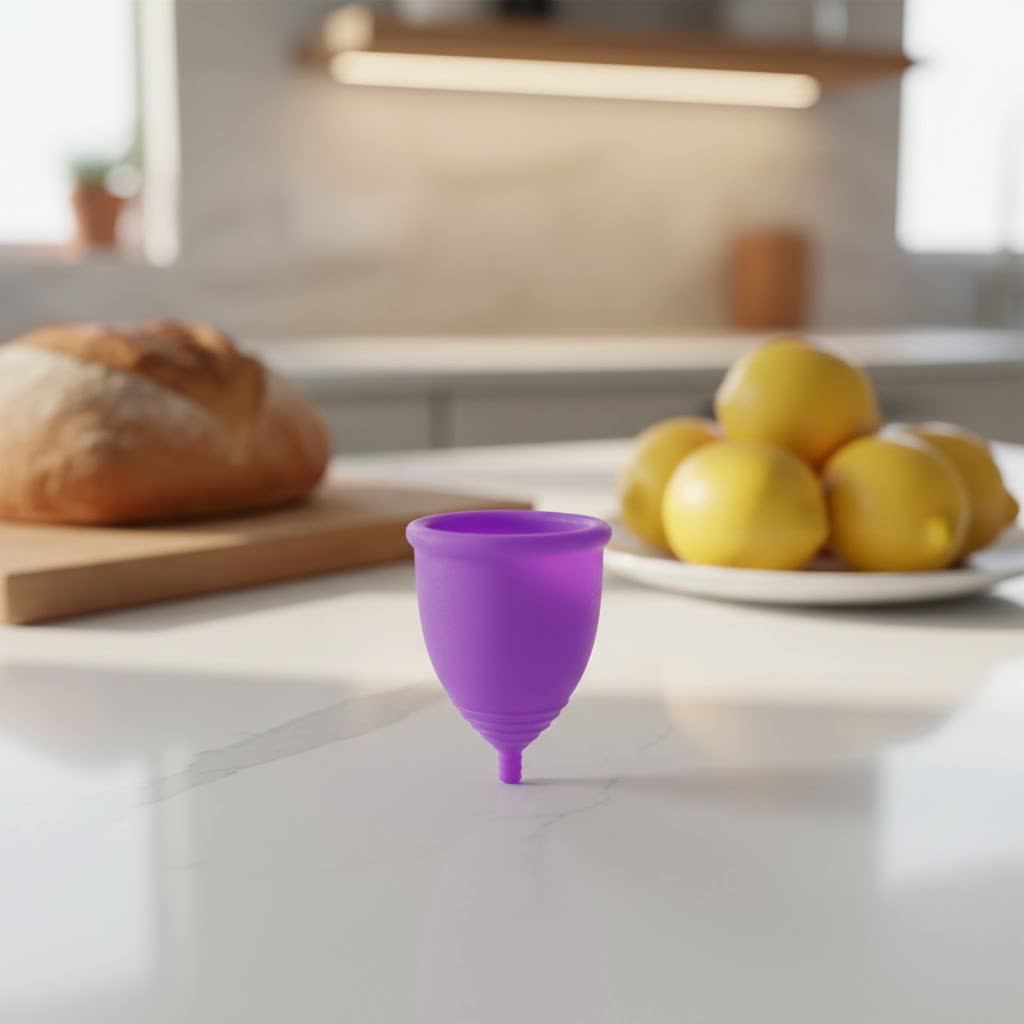
This guide will demystify the tilted cervix, explore how menstrual cups and discs work with this anatomy, and provide practical advice to help you confidently embrace this eco-friendly and convenient period solution. Let’s embark on this journey to empowered period care together!
What is a Menstrual Cup?
A menstrual cup is a flexible, bell-shaped or disc-shaped device designed to be inserted into the vagina to collect menstrual fluid. Typically made from medical-grade silicone, rubber, or TPE, cups offer a sustainable and often more comfortable alternative to traditional pads and tampons. They can be worn for up to 12 hours, depending on your flow, and are reusable for years, significantly reducing waste and long-term costs.
Compared to disposable products, menstrual cups eliminate exposure to harsh chemicals often found in pads and tampons. They also boast a lower risk of Toxic Shock Syndrome (TSS) and can lead to fewer odors, providing a fresh and comfortable experience. While the initial learning curve can be steep for some, the long-term benefits of freedom, cost savings, and environmental friendliness make them a compelling choice for many women.
Understanding a Tilted Cervix or Uterus
The terms “tilted uterus” and “retroverted uterus” describe a common anatomical variation where the uterus, instead of tilting forward towards the abdomen, tips backward towards the rectum. Since the cervix is the base of the uterus, its position will also be affected, often resulting in an angled or “tilted cervix.”
This condition is surprisingly prevalent, affecting approximately one in four or one in five women. For most, it’s a completely normal variation that causes no issues whatsoever, and many women aren’t even aware they have it until a routine pelvic exam.
While typically harmless, a retroverted uterus can sometimes be associated with symptoms like painful intercourse, increased menstrual pain, or difficulty inserting tampons. These symptoms aren’t always present and can also be caused by other conditions like endometriosis, pelvic inflammatory disease, or fibroids. It’s often a natural occurrence, though scar tissue from surgery or certain medical conditions can also contribute to the tilt. If you experience persistent pain or discomfort, consulting your doctor is always recommended.
Menstrual Cups vs. Menstrual Discs for a Tilted Cervix
When you have a tilted cervix, the key to successful period product use lies in understanding how different devices interact with your unique anatomy. Both menstrual cups and discs can be excellent options, but they work in slightly different ways.
Menstrual Cups are designed to sit lower in the vaginal canal, creating a seal against the vaginal walls just below the cervix. With a tilted cervix, the angle might make it challenging to achieve this seal or cause the cup to press uncomfortably against the cervix. The general recommendation is to position the cup slightly lower than you might initially think, ensuring it catches the flow without pushing directly against the cervix.
Menstrual Discs, on the other hand, offer a unique advantage for those with a tilted cervix. Unlike cups, discs do not rely on suction to stay in place. Instead, they tuck into the vaginal fornix, resting behind the pubic bone and below the cervix. This higher placement, coupled with their flexible design, often makes them an ideal choice for various cervical positions, including tilted ones. Brands like nixit, Flex Disc, Ziggy Cup, and Lumma Cups are popular menstrual disc options. Many users with tilted uteruses find discs incredibly comfortable and leak-proof because their soft, supple material molds to the vaginal fornix, effectively bypassing any issues related to a tilted cervix. Some even report reduced cramping with discs compared to cups.
Choosing the Right Menstrual Cup (or Disc) for a Tilted Cervix
Finding your ideal menstrual product often involves a bit of trial and error, but knowing what factors to consider can significantly shorten the journey.
Factors Affecting Your Choice
- Cervix Height and Angle: Your cervix might be lower or higher, and its angle can vary. Knowing your cervix height can guide you towards a shorter or longer cup.
- Softness vs. Firmness: Softer cups are generally more comfortable and exert less pressure, which can be beneficial if you have a sensitive bladder or pelvic floor. Firmer cups might be easier to pop open and provide a stronger seal but can cause discomfort for some.
- Shape: Shorter, wider cups or those with unique shapes (like the Merula cup with its “ladder” design) might be more accommodating for a tilted cervix. Some users find bell-shaped cups work well, while others prefer flatter, disc-like designs.
- Pelvic Floor Strength and Childbirth History: If you have a weaker pelvic floor or have given birth vaginally, you might need a different size or shape than someone who hasn’t. While a smaller cup might be suggested for a tilted uterus, it’s generally not recommended if you have a weak pelvic floor or have given birth vaginally, as it might not provide adequate sealing.
|
Our Picks for the Best Menstrual Cup in 2026
We may earn a commission when you use one of our links to make a purchase.
|
||
| Num | Product | Action |
|---|---|---|
| 1 | Pixie Cup - Soft, Safe, Reusable Menstrual Cup - Ranked 1 for The Best Tampon Alternative - 100% Medical-Grade Silicone Period Cup for Feminine Care - Buy One We Give One (Large) |

|
| 2 | Menstrual Cups with Collapsible Storage Cup, Leak-Proof Design with Medical Grade Silicone Period Cups Reusable, Tampon and Pad Alternative,for Light Flow and Heavy Flow Large+Small |
|
| 3 | Pixie Menstrual Cup Kit - Best Period Cup Starter Kit for Feminine Care - Proven to Be What You Need to Become A Successful Cup User - 100% Medical-Grade Silicone - Tampon Alternative |
|
| 4 | Menstrual Cup Steamer Sterilizer with 2 Reusable Menstrual Cups, Period Cups Cleaner Wash Kit |
|
| 5 | Shordy Reusable Menstrual Cup Set of 2 (Small & Large) Soft Medical-Grade Silicone Period Cups Easy Removal Ribbed Stem, 12-Hour Leakproof Comfort Copa Menstrual – Alternative to Pads, Tampons & Disc |
|
| 6 | EcoBlossom Reusable Menstrual Cup Set - The Most Reliable Medical Grade Silicone Period Cups - Comfortably use for 12 Hours (Small & Large) |
|
| 7 | Saalt Soft Menstrual Cup – Reusable Period Cup – Made for Comfortable, Leak-Free Protection Up to 12 Hours – BPA & Latex Free – Includes Cup & Carry Bag (Regular, Mountain Iris) |
|
| 8 | Saalt Soft Menstrual Cup – Reusable Period Cup – Made for Comfortable, Leak-Free Protection Up to 12 Hours – BPA & Latex Free – Includes Cup & Carry Bag (Small, Desert Blush) |
|
| 9 | Venus Menstrual Cup (Period Cup for Women) - Best for Heavy Flow - 12 Hours Leak-Free Protection - 100% Medical-Grade Silicone Reusable Cup - Unique Design to Ease Your Period Cycle - Large |
|
| 10 | EcoBlossom Reusable Menstrual Cup and Case - The Most Reliable Medical Grade Silicone Period Cups - Comfortably use for 12 Hours (Large (Pack of 2), Gray Cup & Case) |
|
Recommended Menstrual Products
Based on user experiences and expert advice, some products stand out for those with a tilted cervix:
- Shorter, Wider Cups: Brands like Me Luna Shorty are specifically designed to be shorter, offering various firmness levels. The Super Jennie is another often-cited shorter and wider option.
- Softer Cups: Cups made from softer silicone, such as the Saalt Soft Cup, can be more adaptable to your internal anatomy and cause less pressure or discomfort.
- Menstrual Discs: As mentioned, discs like nixit, Flex Disc, Intimina Ziggy Cup, and Lumma Cups are frequently praised by individuals with tilted uteruses. Their unique design that sits in the vaginal fornix rather than relying on suction in the canal often resolves issues experienced with traditional cups. The Lotus Menstrual Disc is also highlighted for its firmer rim, which can aid in staying in place.
Menstrual Cup / Disc Comparison for Tilted Cervix
| Feature | Menstrual Cup (Traditional) | Menstrual Disc (e.g., Nixit, Flex Disc) |
|---|---|---|
| Placement | Sits lower in the vaginal canal, below the cervix. | Sits higher in the vaginal fornix, behind the pubic bone. |
| Mechanism | Creates a vacuum seal against vaginal walls. | Rests in place, no suction needed. |
| Material | Medical-grade silicone, TPE, natural rubber. | Medical-grade silicone. |
| Benefits for Tilted Cervix | Can work, but may require specific insertion techniques and cup shapes (shorter, softer, wider). | Often ideal, adapts to anatomy, bypasses cervix tilt, less pressure. |
| Potential Issues | May be harder to seal, cause pressure, or leak if not positioned correctly. | May be challenging to tuck behind pubic bone for some, potential for messy removal. |
| Examples | Me Luna Shorty, Saalt Soft, Merula, Super Jennie. | Nixit, Flex Disc, Ziggy Cup, Lumma Disc, Lotus Menstrual Disc. |
Tips for Using a Menstrual Cup with a Tilted Cervix
Don’t be discouraged if your first attempt isn’t perfect. With a tilted cervix, a little practice and experimentation can make all the difference.
Insertion Techniques
- Insert Lower: The most crucial tip is to insert your cup slightly lower than you might anticipate. The cup should sit below your cervix, not directly against or around it, to create an effective seal. Pushing it too high can lead to leaks or discomfort.
- Experiment with Angles: Your cervix’s tilt means the natural angle for insertion might be different. Try adjusting the direction you push the cup, aiming slightly backward or forward until you find a path that feels natural and allows the cup to open fully.
- Prop a Leg Up: Some users find that propping one leg up on a toilet seat or tub edge can help open the pelvic area and make insertion easier.
- Different Folds: The way you fold your cup can impact how it opens and seals. Common folds include the C-fold, punch-down fold, and 7-fold. Experiment with different techniques to see which allows your cup to pop open most effectively within your unique anatomy.
Ensuring a Proper Seal
After insertion, gently run a finger around the base of the cup to ensure it has fully opened and created a seal. You might also gently twist or pull the stem slightly to feel for resistance, indicating a vacuum seal. If you experience leaks, it often points to improper positioning or a broken seal. Don’t worry – it’s a common learning curve!
Trimming the Stem
If your cup consistently sits lower in your vaginal canal due to your tilted cervix, the stem might feel too long and cause discomfort. Many cups allow you to trim the stem. Remove and sanitize your cup, then use clean scissors to snip off small sections at a time until it’s comfortable. You can gently file any rough edges with a disposable nail file.
Practice Makes Perfect
It can take a few menstrual cycles to become proficient with a menstrual cup, especially with a tilted cervix. Don’t give up if it’s not perfect immediately. Wear a liner or a thin pad during your first few cycles as a backup, and remember that patience is key. Each body is different, and finding what works best for your body is a personal journey.
“A tilted uterus doesn’t mean you can’t use a menstrual cup; it just means you need to listen closely to your body and be open to trying different approaches to find your perfect fit.” – Expert in women’s health
Where to Buy Menstrual Cups and What to Look For
When you’re ready to purchase a menstrual cup or disc, look for reputable brands known for quality and safety. Many established brands offer a range of sizes and firmness levels to accommodate different anatomies and flows.
You can find menstrual cups and discs both online and in many brick-and-mortar stores, including pharmacies and larger retail chains. Online retailers often provide more detailed product descriptions and customer reviews, which can be invaluable when researching options for a tilted cervix.
Key considerations when buying:
- Material: Opt for medical-grade silicone for safety and durability.
- Brand Reputation: Choose well-known brands with positive reviews and clear sizing guides.
- Flexibility and Firmness: Consider softer cups if you’ve experienced discomfort or have a sensitive bladder.
- Customer Support: Some brands offer excellent customer service or online communities that can provide personalized advice.
- Trial and Error Policies: A few companies offer satisfaction guarantees or allow exchanges, which can be helpful if your first choice isn’t perfect.
Conclusion
Having a tilted cervix or uterus is a common and normal anatomical variation that absolutely does not preclude you from using a menstrual cup or disc. While it might require a bit more attention to product selection and insertion technique, the journey to finding your ideal reusable period product is empowering.
By understanding your body, exploring different cup shapes and discs, and practicing various insertion methods, you can achieve comfortable, leak-free period protection. The freedom and sustainability offered by menstrual cups are well within your reach. Are you ready to confidently take control of your menstrual health with the right cup or disc for your tilted cervix?
Frequently Asked Questions
Can a tilted uterus prevent menstrual cup use entirely?
No, a tilted uterus does not prevent you from using a menstrual cup. While some individuals may experience a learning curve or need to try different cup styles or insertion techniques, most can successfully use a menstrual cup.
What type of menstrual cup or disc is generally best for a tilted cervix?
Many users with a tilted cervix find success with shorter, wider, or softer menstrual cups, as these can adapt more easily to the internal angles. Menstrual discs are also highly recommended because they sit in the vaginal fornix rather than relying on suction within the vaginal canal, making them less sensitive to cervical position.
Why do I experience leaks with a menstrual cup if I have a tilted cervix?
Leaks often occur because the cup isn’t positioned correctly below the cervix, or it hasn’t formed a proper seal against the vaginal walls. With a tilted cervix, you may need to insert the cup slightly lower, experiment with different angles, or try various folding techniques to ensure it fully opens and creates a seal that effectively captures your flow.
How do I know if I have a tilted uterus or cervix?
A tilted uterus or cervix is usually diagnosed during a routine pelvic exam by your doctor or gynecologist. Most women are unaware they have this anatomical variation because it often causes no symptoms.
Can a menstrual cup make cramps worse with a tilted uterus?
Some individuals report that certain menstrual cups can exacerbate cramps, particularly if the cup is too firm or presses uncomfortably against the cervix. If this happens, trying a softer cup or switching to a menstrual disc (which sits differently and doesn’t use suction) might alleviate the discomfort.