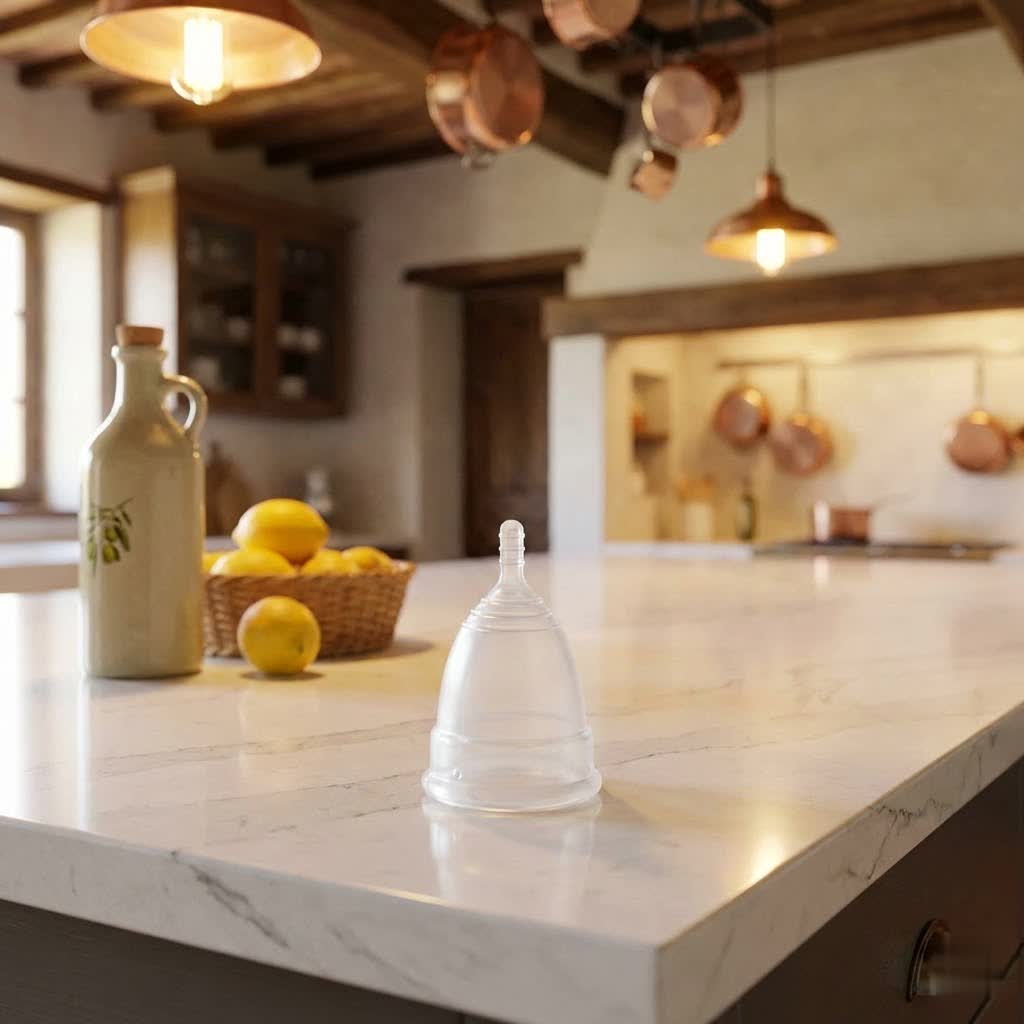
Navigating the world of menstrual products can feel overwhelming, with countless options promising comfort and protection. If you’re seeking a sustainable, cost-effective, and body-friendly alternative to traditional pads and tampons, the menstrual cup might be your perfect match. These ingenious devices have transformed period care for thousands, offering freedom and confidence. This comprehensive guide will explore everything you need to know about menstrual cups, from their basic function and various types to selecting the ideal fit and mastering their use, empowering you to make an informed decision for your menstrual health journey.
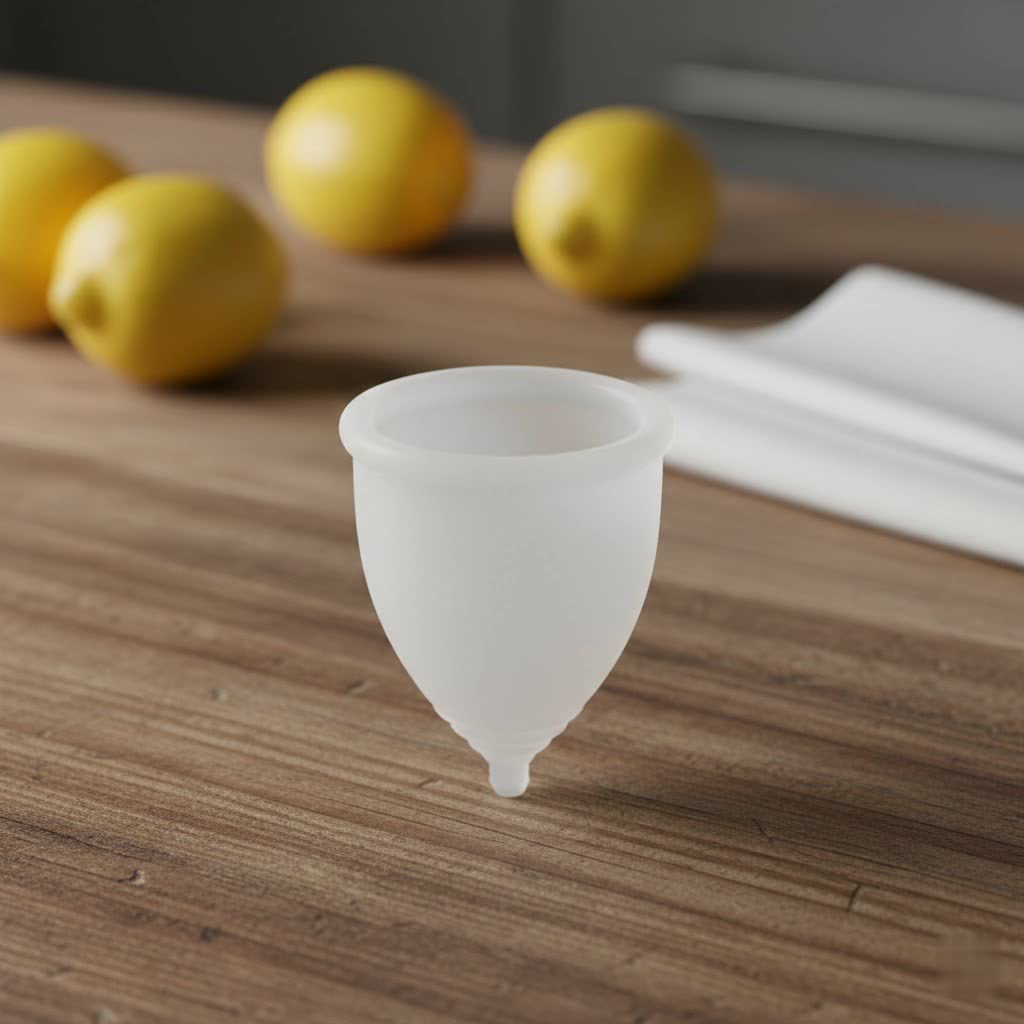
What is a Menstrual Cup?
A menstrual cup is a small, flexible, funnel-shaped device designed to be inserted into the vagina to collect menstrual fluid during your period. Unlike tampons and pads, which absorb blood, the cup simply gathers it, preventing leaks and offering a more hygienic experience. Though they have been around since the 1930s, menstrual cups have recently surged in popularity due to their numerous advantages.
Comparing menstrual cups to traditional options reveals significant differences. Tampons and pads typically require changing every 4-8 hours, depending on flow, and contribute to considerable waste. Menstrual cups, conversely, can be worn for up to 12 hours, holding more fluid than several tampons combined. This extended wear time is a game-changer for many, providing peace of mind during long days or overnight. Beyond convenience, cups are reusable for years, drastically reducing environmental impact and saving users substantial money over time. They also help maintain the vagina’s natural pH balance as they collect rather than absorb, leading to less dryness and irritation often associated with tampons. Furthermore, many users report a reduction in period odor, as the blood is not exposed to air.
While the learning curve for insertion and removal can be a slight initial hurdle, and some may find the process a bit messy at first, the long-term benefits typically outweigh these minor drawbacks. Menstrual cups are generally considered safe, with a minimal risk of Toxic Shock Syndrome (TSS) compared to tampons.
Types of Menstrual Cups
Menstrual cups come in a variety of materials, shapes, and sizes, catering to diverse body types and preferences. Understanding these distinctions is key to finding your ideal cup.
The primary materials used for menstrual cups are medical-grade silicone, natural rubber (latex), and thermoplastic elastomer (TPE). Medical-grade silicone is the most prevalent choice, known for its safety, durability, and hypoallergenic properties, making it suitable for most users, especially those with latex allergies. Natural rubber offers an eco-friendly option but should be avoided by individuals with latex sensitivities. TPE is another flexible and durable material, often found in more affordable cups. All these materials are BPA-free and approved for use in medical devices.
In terms of shape, menstrual cups typically fall into a few categories:
- Bell-shaped (or V-shaped): This is the most common design, resembling a bell or bullet, tapering gradually from the rim. Brands like DivaCup and Saalt often feature this classic shape.
- Round or Ball-shaped: These cups are wider than they are long, with the widest point below the rim. They can be a “love it or hate it” design, but those who prefer them often find them exceptionally comfortable.
- Tapered or Ergonomic: These cups feature a slight curve designed to follow the body’s natural anatomical form, aiming for a more personalized fit.
- Disc-shaped: Unlike traditional cups that create a seal, discs are shallower, often with a springy rim, and sit higher in the vaginal canal. A unique advantage of some disc designs is that they can be worn during intercourse.
Menstrual cups are also available in various sizes, generally categorized as small/medium and large, though some brands offer “teen” or extra-large options. These sizes are not standardized across all brands, so what one company calls “small” another might call “medium.”
Menstrual Cup Materials Comparison
| Feature | Medical-Grade Silicone | Natural Rubber (Latex) | TPE (Thermoplastic Elastomer) |
|---|---|---|---|
| Pros | Highly durable, hypoallergenic, easy to clean, widely available | Biodegradable, often softer | Flexible, typically more affordable |
| Cons | Can be more expensive than TPE | Potential for latex allergies, less common | May have a shorter lifespan than silicone |
| Commonality | Most common | Less common | Moderately common |
How to Choose the Right Menstrual Cup Size
Selecting the correct menstrual cup size is crucial for comfort, effectiveness, and preventing leaks. Several personal factors influence this choice:
- Age: Generally, individuals under 30 who haven’t given birth vaginally are recommended to start with a smaller cup. Those over 30 or who have had a vaginal birth often find a larger size more suitable. Some brands offer a specific “teen” size, which is smaller than their standard small.
- Birth History: Vaginal childbirth can stretch and weaken pelvic floor muscles, often necessitating a larger cup. However, if you’ve had a C-section without a vaginal birth, a smaller cup might still be appropriate.
- Menstrual Flow: If you experience a light to moderate flow, a smaller cup will usually suffice. For heavy flows, a larger capacity cup is recommended to avoid frequent emptying.
- Cervical Height: The position of your cervix changes throughout your cycle and is a vital factor. A cup should sit comfortably below your cervix. To measure your cervical height, insert a clean finger into your vagina during your period until you feel your cervix (it feels like the tip of your nose or pursed lips). If you can only insert your finger a short way, you likely have a low cervix, requiring a shorter cup. If you can insert your finger fully without touching it, you have a high cervix. Many brands provide guides or quizzes to help determine this.
- Pelvic Floor Strength: Stronger pelvic floor muscles may allow for a smaller cup, while weaker muscles (which can result from childbirth or simply individual variation) might benefit from a larger or firmer cup for a secure fit. Some softer cups are ideal for those with sensitive bladders.
For first-time users, it’s often advisable to start with a softer, smaller to medium-sized cup to ease insertion and removal. Experimentation might be necessary to find your perfect fit, so don’t be discouraged if your first choice isn’t the absolute best.
How to Use a Menstrual Cup
Using a menstrual cup might seem daunting at first, but with a little practice, it becomes a natural part of your routine.
- Preparation and Sterilization: Before your very first use and after each menstrual cycle, sterilize your cup by boiling it in water for 5-10 minutes. Ensure the cup is fully submerged and doesn’t touch the bottom of the pot to prevent damage. Between uses during your period, wash it with warm water and a mild, fragrance-free, oil-free soap. Always wash your hands thoroughly with soap and water before handling your cup for insertion or removal.
- Folding the Cup: There are several common folding techniques to make insertion easier. Experiment to find which works best for you:
- C-Fold (or U-Fold): Press the sides of the cup together to flatten it, then fold it in half to form a ‘C’ or ‘U’ shape.
- Punch-Down Fold: Push one side of the rim down into the cup to create a smaller, pointed insertion tip.
- 7-Fold: Flatten the cup, then fold one corner of the rim down to the opposite side of the cup to create a ‘7’ shape.
- Insertion: Find a comfortable position – squatting, sitting on the toilet, or standing with one leg raised can help. You may apply a small amount of water or water-based lubricant to the rim of the cup. Hold the folded cup firmly with the rim facing up. Gently insert the cup into your vagina, aiming it back and down towards your tailbone, similar to inserting a tampon without an applicator. It should sit lower than a tampon, a few inches below your cervix. Once fully inside, release the fold. The cup should spring open and create a seal against the vaginal walls. You can check for the seal by running a finger around the rim or gently rotating the cup; if it’s correctly placed, you shouldn’t be able to feel it.
- Removal: After up to 12 hours (or sooner if your flow is heavy), it’s time to remove and empty your cup. Wash your hands thoroughly. Squatting can help shorten the vaginal canal. Gently insert your index finger and thumb to reach the base of the cup. Pinch the base to break the seal, then slowly and carefully pull the cup out, keeping it upright to prevent spills.
- Cleaning and Storage: Empty the collected fluid into the toilet or sink. Rinse the cup under tap water, then wash it with your chosen mild, fragrance-free soap. Rinse again thoroughly and reinsert. Once your period is over, sterilize your cup again by boiling it. After drying completely, store it in a breathable container, such as a cotton pouch, to allow any residual moisture to evaporate and prevent bacterial growth. Avoid airtight containers. Inspect your cup regularly and replace it if you notice any damage, discoloration, thinning, or a persistent foul odor.
“Menstrual cups are an empowering choice, offering not just exceptional protection, but also a deeper connection to your body and a commitment to a healthier planet.” – Dr. Sarah Miller, Gynecologist and Advocate for Sustainable Period Care
Where to Buy Menstrual Cups?
Menstrual cups are widely available today, both online and in physical stores. You can find them at major pharmacies, supermarkets, health food stores, and specialized online retailers.
When purchasing a menstrual cup, consider the following:
- Material: Ensure it’s made from medical-grade silicone if you have latex sensitivities.
- Size and Shape: Refer to sizing guides and consider your flow, age, birth history, and cervical height. Many brands offer quizzes to help you select the best fit.
- Brand Reputation: Research reputable brands known for quality and safety. Popular and trusted brands include DivaCup, Saalt, Lunette, OrganiCup, Cora, and Mooncup. These brands often have comprehensive websites with detailed product information and user reviews.
- Price: While the initial cost of a menstrual cup might be higher than a box of tampons, remember it’s a one-time investment that can last for years, leading to significant long-term savings.
Buying Guide: Making Your Choice
Choosing the right menstrual cup is a personal journey, and finding your perfect match involves thoughtful consideration.
- Determine Your Personal Needs: Start by assessing your unique body and lifestyle.
- What is your typical flow intensity (light, medium, heavy)?
- What is your cervical height during menstruation?
- Have you given birth vaginally?
- Do you have a sensitive bladder or strong pelvic floor muscles?
- Are you allergic to latex?
- How important are sustainability and cost savings to you?
- Research Brands and Products: Once you have a clearer idea of your needs, explore various brands. Most reputable companies provide detailed information on their cup dimensions, firmness, and recommended usage scenarios. Look for brands that are FDA-registered or CE-certified for peace of mind regarding safety and quality.
- Read User Reviews: Insights from other users can be invaluable. Look for reviews that discuss comfort, ease of insertion/removal, effectiveness against leaks, and how the cup performs for different body types or flow levels. Pay attention to common themes – if many users with a similar body profile as yours praise a particular cup, it might be a good starting point.
- Compare Prices and Features: While price shouldn’t be the sole deciding factor, comparing costs across brands can help you stay within budget. Consider any bundled offers, such as sterilization cups or carrying pouches, which can add value. Remember that the durability of a medical-grade silicone cup means it’s an investment that pays for itself many times over.
By taking these steps, you can confidently navigate the options and select a menstrual cup that offers comfort, reliability, and aligns with your personal values.
Conclusion
The menstrual cup represents a significant evolution in period care, offering an environmentally conscious, economically savvy, and body-harmonious alternative to disposable products. By understanding their design, materials, and the factors influencing your ideal fit, you can unlock a new level of comfort and freedom during your period. While there’s a learning curve involved, the long-term benefits of reduced waste, significant cost savings, and a more natural experience make the menstrual cup a truly compelling choice for modern menstruators. Are you ready to embrace this sustainable revolution and transform your period experience?
Frequently Asked Questions
Can a menstrual cup be uncomfortable or painful?
|
Our Picks for the Best Menstrual Cup in 2026
We may earn a commission when you use one of our links to make a purchase.
|
||
| Num | Product | Action |
|---|---|---|
| 1 | Saalt Soft Menstrual Cup – Reusable Period Cup – Made for Comfortable, Leak-Free Protection Up to 12 Hours – BPA & Latex Free – Includes Cup & Carry Bag (Regular, Mountain Iris) |

|
| 2 | Venus Menstrual Cup (Period Cup for Women) - Best for Heavy Flow - 12 Hours Leak-Free Protection - 100% Medical-Grade Silicone Reusable Cup - Unique Design to Ease Your Period Cycle - Large |
|
| 3 | Saalt Soft Menstrual Cup – Reusable Period Cup – Made for Comfortable, Leak-Free Protection Up to 12 Hours – BPA & Latex Free – Includes Cup & Carry Bag (Small, Desert Blush) |
|
| 4 | Menstrual Cup Steamer Sterilizer with 2 Reusable Menstrual Cups, Period Cups Cleaner Wash Kit |
|
| 5 | Pixie Cup - Soft, Safe, Reusable Menstrual Cup - Ranked 1 for The Best Tampon Alternative - 100% Medical-Grade Silicone Period Cup for Feminine Care - Buy One We Give One (Large) |
|
| 6 | EcoBlossom Reusable Menstrual Cup and Case - The Most Reliable Medical Grade Silicone Period Cups - Comfortably use for 12 Hours (Large (Pack of 2), Gray Cup & Case) |
|
| 7 | Shordy Reusable Menstrual Cup Set of 2 (Small & Large) Soft Medical-Grade Silicone Period Cups Easy Removal Ribbed Stem, 12-Hour Leakproof Comfort Copa Menstrual – Alternative to Pads, Tampons & Disc |
|
| 8 | EcoBlossom Reusable Menstrual Cup Set - The Most Reliable Medical Grade Silicone Period Cups - Comfortably use for 12 Hours (Small & Large) |
|
| 9 | Menstrual Cups with Collapsible Storage Cup, Leak-Proof Design with Medical Grade Silicone Period Cups Reusable, Tampon and Pad Alternative,for Light Flow and Heavy Flow Large+Small |
|
| 10 | Pixie Menstrual Cup Kit - Best Period Cup Starter Kit for Feminine Care - Proven to Be What You Need to Become A Successful Cup User - 100% Medical-Grade Silicone - Tampon Alternative |
|
When correctly sized and inserted, a menstrual cup should not cause discomfort or pain. Most users report not feeling it at all. Discomfort typically arises from incorrect sizing, improper insertion (e.g., not fully opened or too high against the cervix), or using a cup that is too firm for your body. Practice and experimenting with different folds can greatly improve comfort.
Can menstrual cups be worn overnight?
Yes, menstrual cups are perfectly safe and highly effective for overnight use. Their higher capacity allows for up to 12 hours of wear, meaning you can sleep soundly without worrying about leaks or needing to change it in the middle of the night. Always ensure it’s properly inserted and sealed before bed.