Embarking on a journey towards a more sustainable and comfortable period can feel overwhelming with the myriad of options available. Are you tired of disposable products, searching for something more reliable, eco-friendly, and ultimately, better for your body? Menstrual cups have revolutionized period care for countless individuals, offering a transformative alternative to traditional pads and tampons. This comprehensive guide will navigate you through the world of the best-rated menstrual cups, helping you understand their benefits, types, proper usage, and how to select the ideal one to match your unique needs. Let’s find your perfect fit for unparalleled comfort and confidence.
What is a Menstrual Cup?
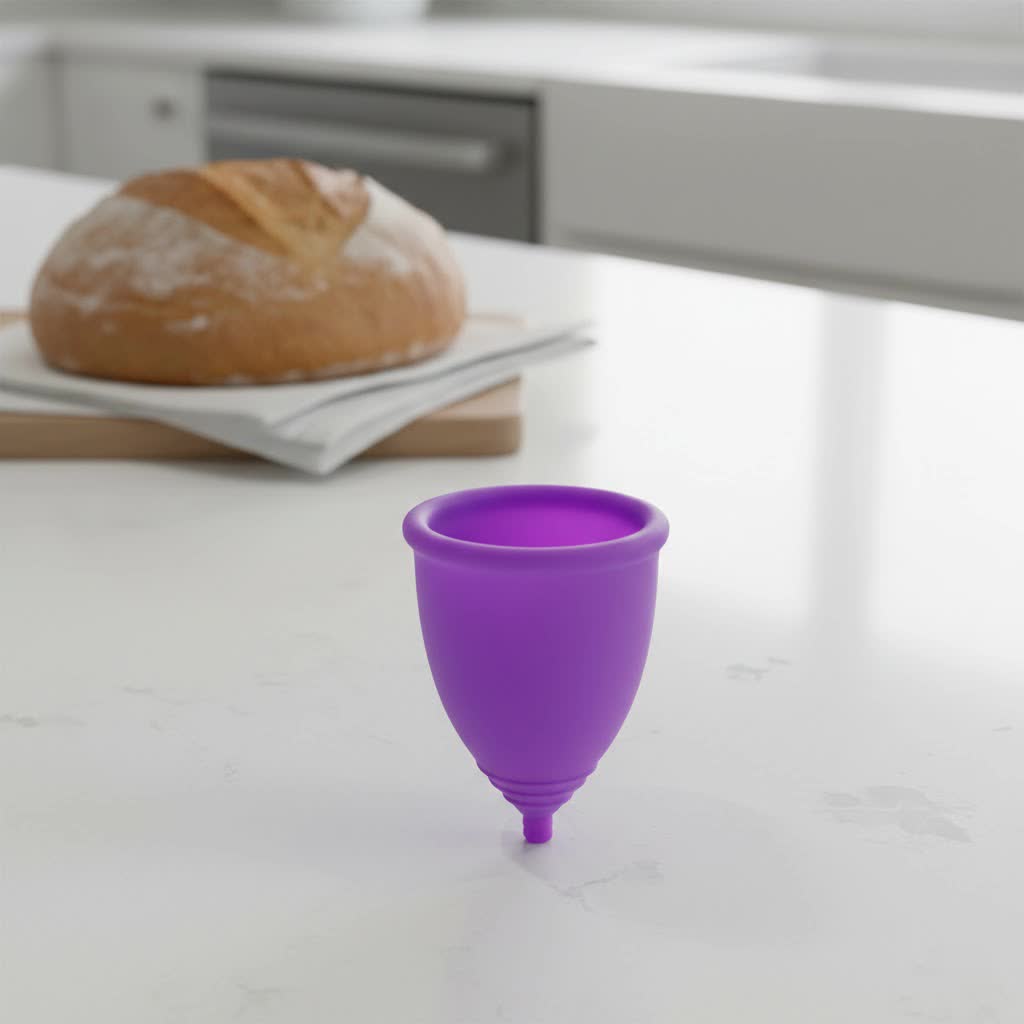
A menstrual cup is a small, flexible cup-shaped device designed for internal vaginal use during menstruation. Unlike tampons or pads that absorb menstrual fluid, a cup collects it, offering a different approach to period management. Crafted from body-friendly materials like medical-grade silicone, it creates a gentle seal to prevent leaks, providing a hygienic and convenient solution for up to 12 hours of wear.
The concept of menstrual cups dates back to the 1930s, but modern advancements in materials and design have propelled them into the mainstream as a highly effective and increasingly popular period product. Historically, women relied on external absorbents. The introduction of tampons offered internal protection, but menstrual cups represent a further evolution, focusing on collection rather than absorption.
Compared to traditional sanitary pads and tampons, menstrual cups offer several distinct advantages. They are reusable, significantly reducing environmental waste and saving money over time. Pads and tampons contribute to tons of landfill waste annually, and switching to a cup can prevent thousands of disposable products from being used in a lifetime. Menstrual cups also maintain the natural vaginal pH balance as they don’t absorb natural moisture, unlike tampons which can lead to dryness. This also potentially reduces the risk of bacterial infections and conditions like Toxic Shock Syndrome (TSS), although the risk of TSS, while rare, is not entirely zero with any internal period product. The primary disadvantage for some users is an initial learning curve for insertion and removal, and the need to be comfortable with handling menstrual fluid.
Popular Types of Menstrual Cups
Menstrual cups come in various forms, primarily categorized by their material, shape, and size, each designed to cater to different anatomical needs and preferences. Understanding these classifications is crucial for finding your “goldilocks” cup.
Classification by Material:
- Medical-Grade Silicone: This is the most common material for menstrual cups due to its safety, durability, and flexibility. It’s hypoallergenic, easy to clean, and can last for many years with proper care. Most highly-rated cups on the market are made from 100% medical-grade silicone.
- Natural Rubber (Latex): Some cups are made from natural rubber, which is biodegradable and environmentally friendly. However, this material can pose a risk for individuals with latex allergies. Fair Squared offers a popular fair-trade option made from natural rubber.
- Thermoplastic Elastomer (TPE): TPE is another flexible, body-safe plastic sometimes used for menstrual cups. While generally more affordable, its durability might not match that of medical-grade silicone.
Classification by Shape:
- Bell-Shaped Cups: These are the most traditional and widely available cups, featuring a wider rim that tapers down to a narrower base, often with a stem for easier removal. They create a suction seal against the vaginal walls to prevent leaks. Brands like DivaCup, OrganiCup, and Lunette are classic examples.
- Disc-Shaped Cups: Menstrual discs, such as the Nixit or Intimina Ziggy Cup, are flatter and wider, designed to sit higher in the vaginal fornix against the pubic bone without suction. A unique benefit of disc-style cups is that they can often be worn during penetrative sex. However, they typically have a steeper learning curve for insertion and removal due to the lack of a stem.
Classification by Size:
Menstrual cups typically come in at least two sizes: smaller options for those with lighter flows, younger users, or those who haven’t given vaginal birth, and larger sizes for heavier flows or those who have experienced vaginal childbirth. Some brands offer mini or teen sizes, while others provide three sizes (mini, A, B) or differentiate between “pre-birth” and “post-birth” sizes. Key factors like age, period flow, and cervix height influence the ideal size.
Menstrual Cup Material Comparison
| Feature | Medical-Grade Silicone | Natural Rubber (Latex) | TPE (Thermoplastic Elastomer) |
|---|---|---|---|
| Pros | Highly durable, hypoallergenic, easy to clean, long lifespan (up to 10 years) | Biodegradable, eco-friendly, soft and flexible | Generally more affordable, flexible |
| Cons | Higher initial cost | Potential for latex allergies, shorter lifespan than silicone | Less durable than silicone, can absorb odors over time |
| Commonality | Most prevalent material for top-rated cups | Less common, niche brands | Less common |
How to Choose the Right Menstrual Cup Size
Selecting the correct menstrual cup size is paramount for comfort and leak-free protection. Since every body is unique, there’s no universal “best” size. Several factors should influence your choice:
- Age: Generally, younger individuals or those under 25-30 years old often find smaller cups more comfortable.
- Birthing History: Vaginal childbirth can affect pelvic floor muscles and the shape of the vaginal canal. Individuals who have given birth vaginally often require a larger cup size. Many brands offer “pre-birth” and “post-birth” sizing.
- Flow Heaviness: If you experience a heavy flow, a cup with a higher capacity will mean fewer changes, offering more convenience. Cups can hold significantly more fluid than tampons, up to five times more.
- Cervix Height: The position of your cervix can vary. A high cervix might accommodate a longer cup, while a low cervix might require a shorter cup or one with a trimmable stem. You can gently insert a clean finger into your vagina to feel for your cervix, which often feels like the tip of your nose.
- Pelvic Floor Strength: Stronger pelvic floor muscles might allow for a firmer cup, while weaker muscles might benefit from a softer cup. Engaging in activities like yoga or running can sometimes indicate stronger pelvic floor muscles.
For beginners, it’s often recommended to start with a smaller, softer cup to ease into the learning process. Some brands, like Saalt, offer specific “Teen” cups, while others, like Boots, provide “beginner-friendly” options with clear instructions. Many brands also offer online quizzes to help determine an appropriate size based on your unique profile. Don’t be discouraged if your first choice isn’t perfect; many brands offer satisfaction guarantees or exchange programs.
How to Use a Menstrual Cup
Using a menstrual cup requires a bit of practice, but with the right technique, it quickly becomes second nature. Remember to always wash your hands thoroughly with soap and water before handling your cup.
Insertion:
- Clean Your Cup: Before first use and after each cycle, sterilize your cup by boiling it in water for 5-10 minutes. Between uses during your period, a quick rinse with warm water and mild, unscented soap is sufficient.
- Fold It: There are several popular folding techniques to make the cup smaller for insertion:
- C-Fold (U-Fold): Flatten the cup, then fold it in half to form a ‘C’ or ‘U’ shape.
- Punch-Down Fold (7-Fold): Push one side of the rim down into the cup, then fold the other side over to create a smaller, pointed tip.
- Tulip Fold: Pinch the rim in half, then bring one side down to meet the opposite corner of the base, creating a tulip shape.
- Find a Comfortable Position: Squatting, sitting on the toilet, or raising one leg on the tub are common positions. Relaxing your pelvic muscles is key.
- Insert: Gently guide the folded cup into your vagina, rim first, aiming towards your tailbone. Release the fold once it’s mostly inside, allowing it to spring open. It typically sits lower than a tampon, just below your cervix.
- Check the Seal: Gently rotate or pull the stem slightly to ensure the cup has fully opened and created a suction seal. You shouldn’t feel any major discomfort, and a proper seal will prevent leaks.
Removal:
- Wash Hands: Always start with clean hands.
- Break the Seal: Gently pull on the stem until you can reach the base of the cup. Pinch the base firmly to break the suction seal. Do not pull aggressively on the stem without breaking the seal first, as this can be uncomfortable and potentially dislodge an IUD if you have one.
- Gently Wiggle Out: With the seal broken, carefully pull the cup out, keeping it upright to avoid spills.
- Empty and Clean: Empty the collected fluid into the toilet, rinse the cup with warm water and mild soap, then reinsert.
Cleaning and Storage:
- During your period: Rinse with warm water and mild, unscented soap after each emptying. Ensure no soap residue remains, as it can cause irritation.
- Between periods: Boil your cup for 5-10 minutes for thorough sterilization. Store it in a breathable pouch (often provided by the brand) in a clean, dry place. Avoid airtight containers, which can encourage bacterial growth.
- Stains: Discoloration can occur over time with clear cups. Some brands suggest soaking the cup in a 1:1 solution of hydrogen peroxide and water overnight to restore its appearance.
Best Rated Menstrual Cup Brands on the Market
The market is rich with highly-rated menstrual cup brands, each offering unique features that cater to diverse needs. When looking for the best, consider comfort, material quality, ease of use, and a brand’s commitment to sustainability or social causes.
-
AllMatters (formerly OrganiCup): Frequently lauded as “Best Overall” or “Best for Comfort,” AllMatters is made from soft, medical-grade silicone. It’s praised for its ease of folding, reliable seal, and plastic-free, minimalist packaging. It offers three sizes (mini, A, B) and has a strong charitable mission, focusing on period poverty and sustainability. Users appreciate its comfort for various activities and a generous 90-day satisfaction guarantee.
-
Saalt Cup: Recognized as “Best for Teenagers” and highly versatile, Saalt offers cups in various sizes (Teen, Small, Regular) and firmness levels (standard, soft) to suit different anatomies and sensitivities. They are a certified B Corp and are committed to being “plastic negative,” donating a percentage of sales to menstrual health initiatives. Saalt cups are made from 100% medical-grade silicone and are noted for their appealing pastel colors and helpful pre-purchase quiz.
-
Lunette Menstrual Cup: Often rated as “Best for Comfort” and “Easy to Use,” Lunette cups are made from high-quality medical silicone and come in a variety of vibrant colors, which can help prevent discoloration. Its bell shape and slightly firmer yet flexible silicone make it easy to insert and ensure a good seal. Lunette is available in two sizes (Model 1 for light/normal flow, Model 2 for normal/heavy flow) and features a flat stem for easy removal.
-
DivaCup: As one of the most recognizable brands, DivaCup has a long-standing reputation for effectiveness and durability. It features a longer, narrower bell shape and is available in three sizes (Model 0, 1, 2) specifically tailored by age and flow. Made from undyed medical-grade silicone, it’s a reliable choice for many and comes with comprehensive instructions.
-
Nixit Menstrual Cup: Distinguished as the “Best Disc-Style Cup” and “Best for Experienced Users,” Nixit is a suction-free, circular disc made of soft, flexible silicone. Its unique design allows it to be worn during sex and offers up to 12 hours of protection. While it has a steeper learning curve for insertion and removal due to its lack of a stem, it’s highly valued by those seeking a comfortable, intimate-friendly option.
-
Hey Girls Menstrual Cup: This brand stands out as the “Best Budget Cup” due to its affordability and strong charitable mission. For every cup purchased, Hey Girls donates one to someone in need, combating period poverty. Made from 100% medical-grade silicone, it’s an accessible and ethical choice.
When purchasing, you can buy menstrual cups online from brand websites or large retailers like Amazon, often offering wider selection and competitive pricing. Offline, you might find them in pharmacies (like Boots or Superdrug), health food stores, or specialty eco-friendly shops. Always ensure the retailer is reputable to guarantee product authenticity and safety. Key considerations include checking the material certification (100% medical-grade silicone is preferred), verifying sizing options, reading user reviews for brand reputation, and comparing prices. Look for brands that offer clear instructions and customer support, especially if you’re a first-time user.
Buying Guide: Finding Your Perfect Menstrual Cup
Finding the perfect menstrual cup is a personal journey, as what works for one person may not work for another. The “best rated” cup for you will ultimately be the one that fits comfortably, provides reliable leak protection, and aligns with your lifestyle.
-
Determine Your Needs:
- Flow: Light, medium, or heavy? This will influence the capacity you need.
- Cervix Height: High, medium, or low? This affects the length and shape of the cup that will be comfortable.
- Birth History: Vaginal birth often necessitates a larger size due to changes in pelvic floor muscles.
- Lifestyle: Active? Travel frequently? Desire to have sex during your period? These factors might lead you to consider specific shapes (e.g., disc-style) or collapsible designs.
- Sensitivity: Some prefer softer silicone for comfort, while others with stronger pelvic floors may prefer a firmer cup for easier opening and placement.
-
Research Brands and Products: Explore the top-rated brands mentioned above and delve into their specific features. Many brands, like Saalt, offer online quizzes to help you narrow down your choices. Pay attention to how the cup is designed for insertion and removal, as some features like pull tabs or firm rims can make a difference.
-
Read User Reviews: Insights from other users can be invaluable. Look for reviews that discuss comfort, ease of use for beginners, leakage issues, and the effectiveness of customer support or return policies.
-
Compare Features and Prices: Create a mental checklist of your priority features (e.g., ethical brand, budget-friendly, specific size, disc-style) and compare options. Remember that while the initial cost might be higher than a box of tampons, a menstrual cup is a long-term investment that can last for years.
The goal is to find a cup that you barely notice once it’s in place, offering discreet, comfortable, and sustainable period protection. Don’t be afraid to try a different brand or size if your first attempt isn’t a perfect match; the learning curve and personal fit are part of the process.
“A menstrual cup is an exceptional solution for anyone seeking a safe, convenient, and environmentally conscious feminine hygiene product.” – Reviewsricelk.com Admin
Conclusion
Embracing the world of menstrual cups is a positive step towards a more comfortable, sustainable, and empowering period experience. From understanding the core benefits of reduced waste and enhanced comfort to exploring the diverse types and top-rated brands, you now have the knowledge to make an informed decision. While finding the “Best Rated Menstrual Cup” is a personal journey unique to your body and preferences, the market offers an array of high-quality options designed to meet every need.
Ultimately, the right menstrual cup offers freedom from disposable products, long-lasting protection, and a deeper connection to your body. Why not take the leap and discover the perfect fit that will transform your period for years to come? Which feature are you most excited to experience with your new menstrual cup?
Frequently Asked Questions
Are menstrual cups uncomfortable?
|
Our Picks for the Best Menstrual Cup in 2026
We may earn a commission when you use one of our links to make a purchase.
|
||
| Num | Product | Action |
|---|---|---|
| 1 | EcoBlossom Reusable Menstrual Cup Set - The Most Reliable Medical Grade Silicone Period Cups - Comfortably use for 12 Hours (Small & Large) |

|
| 2 | Saalt Soft Menstrual Cup – Reusable Period Cup – Made for Comfortable, Leak-Free Protection Up to 12 Hours – BPA & Latex Free – Includes Cup & Carry Bag (Small, Desert Blush) |
|
| 3 | Pixie Cup - Soft, Safe, Reusable Menstrual Cup - Ranked 1 for The Best Tampon Alternative - 100% Medical-Grade Silicone Period Cup for Feminine Care - Buy One We Give One (Large) |
|
| 4 | Venus Menstrual Cup (Period Cup for Women) - Best for Heavy Flow - 12 Hours Leak-Free Protection - 100% Medical-Grade Silicone Reusable Cup - Unique Design to Ease Your Period Cycle - Large |
|
| 5 | EcoBlossom Reusable Menstrual Cup and Case - The Most Reliable Medical Grade Silicone Period Cups - Comfortably use for 12 Hours (Large (Pack of 2), Gray Cup & Case) |
|
| 6 | Pixie Menstrual Cup Kit - Best Period Cup Starter Kit for Feminine Care - Proven to Be What You Need to Become A Successful Cup User - 100% Medical-Grade Silicone - Tampon Alternative |
|
| 7 | Shordy Reusable Menstrual Cup Set of 2 (Small & Large) Soft Medical-Grade Silicone Period Cups Easy Removal Ribbed Stem, 12-Hour Leakproof Comfort Copa Menstrual – Alternative to Pads, Tampons & Disc |
|
| 8 | Menstrual Cup Steamer Sterilizer with 2 Reusable Menstrual Cups, Period Cups Cleaner Wash Kit |
|
| 9 | Saalt Soft Menstrual Cup – Reusable Period Cup – Made for Comfortable, Leak-Free Protection Up to 12 Hours – BPA & Latex Free – Includes Cup & Carry Bag (Regular, Mountain Iris) |
|
| 10 | Menstrual Cups with Collapsible Storage Cup, Leak-Proof Design with Medical Grade Silicone Period Cups Reusable, Tampon and Pad Alternative,for Light Flow and Heavy Flow Large+Small |
|
Many users report that a properly inserted menstrual cup is virtually undetectable, offering greater comfort than tampons. Initial discomfort usually stems from incorrect insertion or an ill-fitting size. With practice and the right fit, most people find them very comfortable.
Can menstrual cups be used overnight?
Yes, absolutely! Most menstrual cups are designed to provide up to 12 hours of leak-free protection, making them ideal for overnight use. Their higher capacity often means less worry about leaks compared to traditional overnight pads or tampons, allowing for uninterrupted sleep.
How long do menstrual cups last?
With proper care and cleaning, a high-quality medical-grade silicone menstrual cup can last anywhere from 5 to 10 years, and sometimes even longer. This longevity makes them a highly cost-effective and eco-friendly investment compared to continuous purchases of disposable products.
Can I exercise with a menstrual cup?
Yes, menstrual cups are excellent for physical activity, including swimming, running, and vigorous exercise. Since they are worn internally and create a seal, they stay securely in place and offer reliable protection, allowing you to move freely without concern.
Can I use a menstrual cup with an IUD?
Using a menstrual cup with an IUD is generally considered safe, but it’s crucial to be extra careful during removal to avoid dislodging the IUD. Always pinch the base of the cup to break the suction seal before pulling it out. Some individuals with IUDs prefer disc-style cups, which are suction-free, for added peace of mind. Consult your gynecologist for personalized advice.