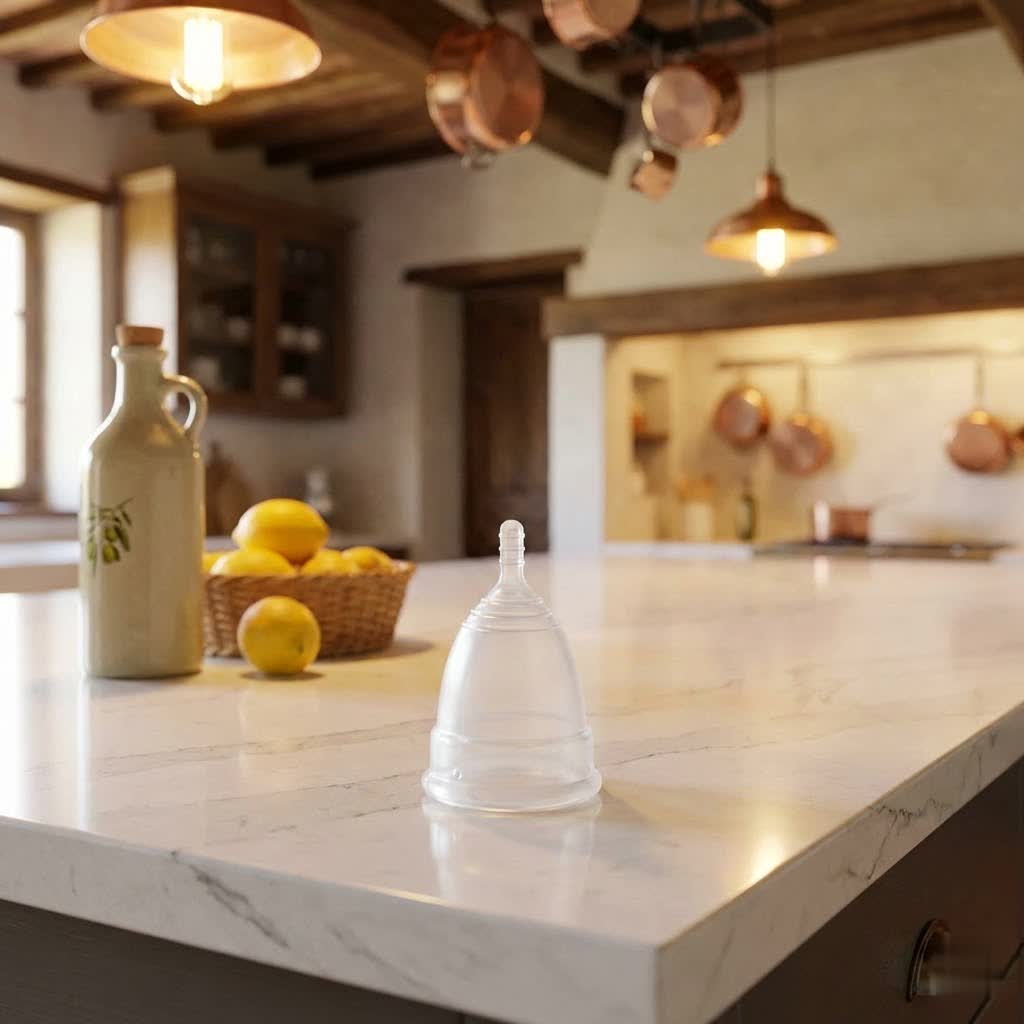
Have you ever wished for a period product that offers comfort, convenience, and a clear conscience? Many are discovering the remarkable benefits of the Menstrual Cup, a revolutionary alternative changing how women manage their cycles. Gone are the days of constant worry about leaks or frequent changes. This comprehensive guide will walk you through everything you need to know about menstrual cups, from understanding what they are to choosing the perfect one for your unique needs.
Understanding Menstrual Cups
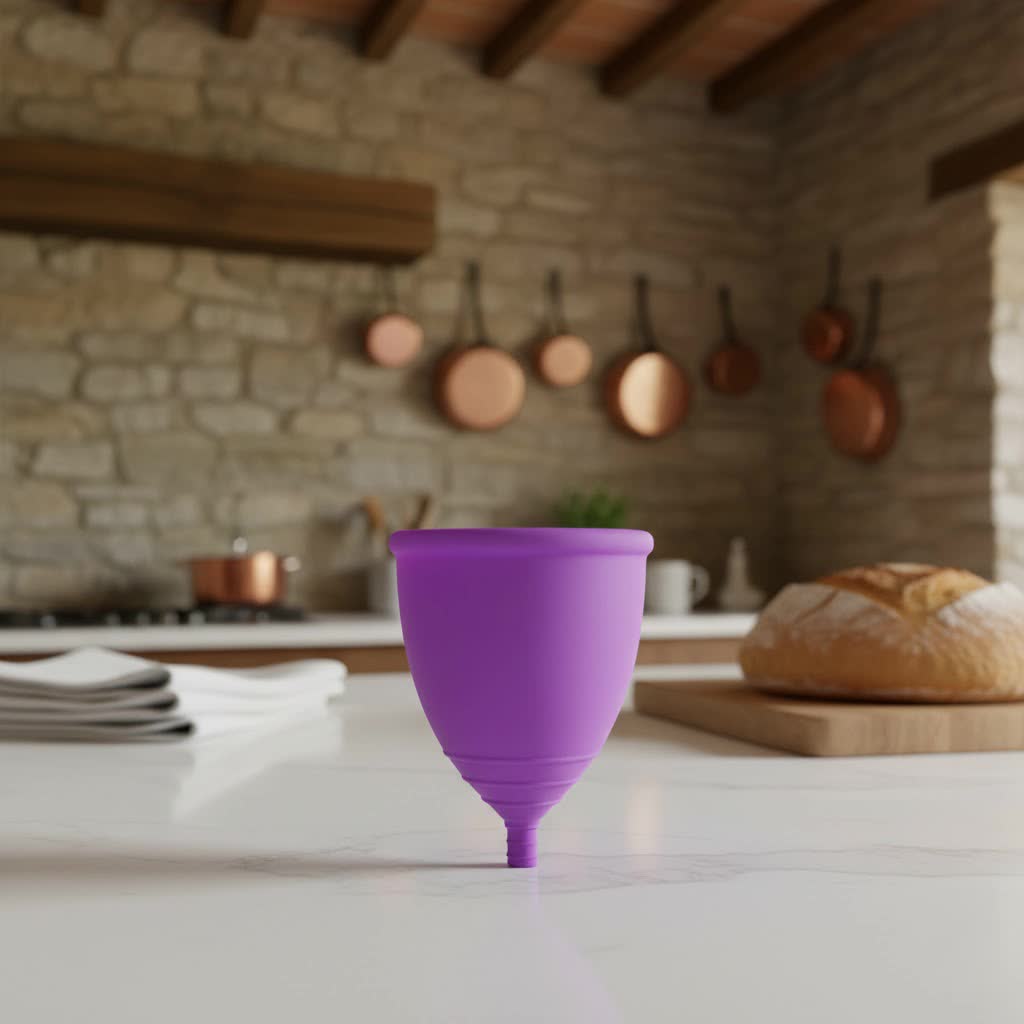
A menstrual cup is a flexible, bell-shaped device designed for internal use during menstruation. Unlike traditional pads and tampons that absorb menstrual flow, the menstrual cup collects it, offering a distinct and often more comfortable experience. Made from medical-grade materials like silicone, natural rubber, or TPE, these reusable cups sit comfortably in the vaginal canal, creating a seal to prevent leaks. While they’ve seen a surge in popularity recently, the concept of menstrual cups actually dates back to the 1930s, constantly evolving to become the highly effective products we know today.
When you consider conventional sanitary products, menstrual cups offer a compelling contrast. Tampons absorb moisture, which can sometimes lead to vaginal dryness and disrupt the natural pH balance. Pads, while external, can feel bulky and may not offer the same level of discretion or freedom for activities like swimming. Menstrual cups, by collecting rather than absorbing, help maintain your body’s natural moisture and flora.
The advantages of switching to a menstrual cup are plentiful. You’ll likely experience fewer leaks, as the cup creates a secure seal. Many users find them incredibly comfortable, often forgetting they’re even wearing one. They are also a highly eco-friendly option, drastically reducing waste compared to single-use products. Financially, while the initial investment might be slightly higher, a single cup can last for years, saving you a significant amount of money over time. Furthermore, the risk of Toxic Shock Syndrome (TSS) is significantly lower with menstrual cups compared to tampons, as they do not involve absorption.
However, like any product, menstrual cups come with their own set of considerations. There can be a learning curve initially for insertion and removal. Some individuals might find the process a bit messy until they get the hang of it. Finding the right size and firmness is crucial for comfort and effectiveness, which might require a bit of trial and error. Additionally, changing a cup in public restrooms without a private sink can sometimes pose a challenge, though many experienced users develop clever techniques to manage this.
Popular Menstrual Cup Types and Materials
The world of menstrual cups is diverse, offering options tailored to various body types and preferences. Understanding the different types available can help you narrow down your choices and find a cup that truly works for you.
Menstrual cups are primarily classified by the material they’re made from, which directly impacts their feel, durability, and safety.
- Medical-Grade Silicone: This is the most common material used for menstrual cups. Silicone is highly praised for being safe, hypoallergenic, and non-porous, making it easy to clean and resistant to bacterial growth. It’s also very durable and flexible, offering a comfortable fit for most users. Many find silicone cups to be the easiest to insert and remove due to their pliability.
- Natural Rubber (Latex): Some menstrual cups are made from natural rubber. While environmentally friendly, it’s essential to be aware that natural rubber can cause allergic reactions in individuals with latex sensitivities. These cups tend to be very soft and flexible.
- Thermoplastic Elastomer (TPE): TPE is another flexible, medical-grade plastic sometimes used for menstrual cups. It offers a good alternative for those who prefer not to use silicone or have a specific allergy. TPE cups can vary in firmness and are generally more affordable than silicone options, though their durability may not always match that of high-quality silicone.
Beyond materials, menstrual cups come in various shapes and sizes, each designed to suit different anatomies and needs.
- Bell-Shaped: This is the most prevalent design, resembling a small bell or funnel. It’s a versatile shape that fits a wide range of individuals and is often recommended for beginners due to its classic, comfortable fit.
- Conical/V-Shaped: These cups tend to be slightly narrower at the bottom and wider at the rim. They can be a good option for those with a higher cervix or who prefer a more tapered design for insertion.
- Flat-Bottomed/Disc-Shaped: Menstrual discs, while distinct from traditional cups, are a related option that sits higher in the vaginal fornix. Some cups also feature a flatter bottom, which can be ideal for individuals with a lower cervix, preventing the stem from protruding uncomfortably.
Each material and shape offers a unique experience, so consider what might best suit your body and lifestyle when exploring the options.
Comparing Menstrual Cup Materials
|
Our Picks for the Best Menstrual Cup in 2026
We may earn a commission when you use one of our links to make a purchase.
|
||
| Num | Product | Action |
|---|---|---|
| 1 | Pixie Cup - Soft, Safe, Reusable Menstrual Cup - Ranked 1 for The Best Tampon Alternative - 100% Medical-Grade Silicone Period Cup for Feminine Care - Buy One We Give One (Large) |

|
| 2 | Saalt Soft Menstrual Cup – Reusable Period Cup – Made for Comfortable, Leak-Free Protection Up to 12 Hours – BPA & Latex Free – Includes Cup & Carry Bag (Regular, Mountain Iris) |
|
| 3 | Venus Menstrual Cup (Period Cup for Women) - Best for Heavy Flow - 12 Hours Leak-Free Protection - 100% Medical-Grade Silicone Reusable Cup - Unique Design to Ease Your Period Cycle - Large |
|
| 4 | EcoBlossom Reusable Menstrual Cup and Case - The Most Reliable Medical Grade Silicone Period Cups - Comfortably use for 12 Hours (Large (Pack of 2), Gray Cup & Case) |
|
| 5 | Pixie Menstrual Cup Kit - Best Period Cup Starter Kit for Feminine Care - Proven to Be What You Need to Become A Successful Cup User - 100% Medical-Grade Silicone - Tampon Alternative |
|
| 6 | EcoBlossom Reusable Menstrual Cup Set - The Most Reliable Medical Grade Silicone Period Cups - Comfortably use for 12 Hours (Small & Large) |
|
| 7 | Menstrual Cup Steamer Sterilizer with 2 Reusable Menstrual Cups, Period Cups Cleaner Wash Kit |
|
| 8 | Shordy Reusable Menstrual Cup Set of 2 (Small & Large) Soft Medical-Grade Silicone Period Cups Easy Removal Ribbed Stem, 12-Hour Leakproof Comfort Copa Menstrual – Alternative to Pads, Tampons & Disc |
|
| 9 | Menstrual Cups with Collapsible Storage Cup, Leak-Proof Design with Medical Grade Silicone Period Cups Reusable, Tampon and Pad Alternative,for Light Flow and Heavy Flow Large+Small |
|
| 10 | Saalt Soft Menstrual Cup – Reusable Period Cup – Made for Comfortable, Leak-Free Protection Up to 12 Hours – BPA & Latex Free – Includes Cup & Carry Bag (Small, Desert Blush) |
|
| Feature | Medical-Grade Silicone | Natural Rubber (Latex) | TPE (Thermoplastic Elastomer) |
|---|---|---|---|
| Pros | Safe, hypoallergenic, durable, easy to clean, highly flexible, long-lasting | Biodegradable, very soft, flexible, natural feel | Affordable, flexible, good for those sensitive to silicone |
| Cons | Can be higher in initial cost | Potential for latex allergy, less durable than silicone, may stain more easily | May be less durable or stain more easily than silicone, firmness can vary widely |
| Commonality | Most common and widely available | Less common due to allergy risk | Increasing in availability |
| Durability | Excellent (up to 10 years) | Moderate (shorter lifespan) | Moderate (varies by product) |
| Maintenance | Easy to clean and sterilize | Easy to clean, must avoid harsh chemicals | Easy to clean and sterilize |
How to Choose the Right Menstrual Cup Size
Selecting the correct menstrual cup size is perhaps the most critical step to ensuring comfort and preventing leaks. It’s not just about your flow, but also about your unique anatomy. Several key factors play a role in this decision.
First, consider your age. Generally, individuals under 30 who have not had a vaginal birth are often recommended smaller sizes. For those over 30 or who have experienced vaginal births, a larger cup is typically suggested. This is because childbirth and age can affect pelvic floor muscle tone and vaginal capacity.
The intensity of your menstrual flow is another important factor. If you have a light to moderate flow, a smaller cup might be sufficient. However, if you experience a heavy flow, a larger cup offers more capacity, meaning fewer changes throughout the day. It’s worth noting that while capacity is important, the fit is paramount; a larger cup won’t necessarily prevent leaks if it doesn’t fit your anatomy correctly.
Your cervix height is a crucial, yet often overlooked, element. A high cervix means you’ll need a longer cup or one with a longer stem for easier reach. Conversely, a low cervix requires a shorter cup to prevent discomfort or the cup protruding. You can determine your cervix height by gently inserting a clean finger into your vagina during your period and noting how far you can reach before touching your cervix (which feels like the tip of your nose).
Finally, the strength of your pelvic floor muscles matters. Stronger pelvic floor muscles can hold a cup more securely, sometimes allowing for a slightly softer or smaller cup. If your pelvic floor muscles are weaker, perhaps due to childbirth or other factors, a firmer or larger cup might provide a better seal and prevent slippage.
For newcomers to menstrual cups, it’s often advised to start with a “starter” size, which is typically on the smaller side. Many brands offer clear sizing guidelines and even quizzes to help you navigate this choice. Don’t be discouraged if your first choice isn’t perfect; finding the right cup can sometimes involve a little experimentation, but the long-term benefits are well worth the effort.
How to Use a Menstrual Cup
Using a menstrual cup might seem daunting at first, but with a little practice and patience, it quickly becomes second nature. Many women find the process empowering and surprisingly simple.
Insertion: Mastering the Fold
Before you begin, always wash your hands thoroughly with soap and water. You might also want to rinse your cup with warm water to make it more pliable and easier to insert.
There are several popular folding techniques, and you can experiment to find which one works best for you:
- C-Fold (or U-Fold): This is perhaps the most common fold. Simply flatten the cup and fold it in half to form a ‘C’ or ‘U’ shape.
- Punch-Down Fold (or Shell Fold): Push one side of the rim down into the cup’s center, then fold the edges together. This creates a smaller insertion point and a more pointed tip.
- 7-Fold (or Triangle Fold): Flatten the cup, then fold one corner down diagonally towards the opposite base, forming a ‘7’ shape.
Once folded, get into a comfortable position. This could be sitting on the toilet, squatting, or standing with one leg raised on the edge of a tub. Relax your pelvic floor muscles – tension can make insertion difficult. Gently separate your labia and insert the folded cup into your vagina horizontally, angling it towards your tailbone. Release the fold once the cup is fully inside. It should pop open, creating a suction seal against your vaginal walls. You can check the seal by gently running a finger around the base of the cup to ensure it’s fully open, or by twisting it slightly. If you feel resistance or hear a slight “pop,” it’s likely sealed correctly.
Removal: Breaking the Seal
When it’s time to empty your cup (typically every 4-12 hours, depending on your flow), begin by washing your hands again. Get into a comfortable position similar to insertion. Gently bear down with your pelvic muscles, as if having a bowel movement, to help lower the cup. Locate the stem of the cup. Do not pull the cup out by the stem alone, as this can break the seal abruptly and cause discomfort or a mess.
Instead, use your fingers to reach the base of the cup. Gently pinch the base to release the suction seal. Once the seal is broken, you can carefully and slowly pull the cup out, keeping it upright to avoid spills. Empty the contents into the toilet, rinse the cup with cold water (cold water helps prevent staining), and wash it with a mild, unscented, oil-free soap if desired. You can then re-insert it.
Cleaning and Storage: Keeping Your Cup Pristine
Proper cleaning and storage are essential for maintaining hygiene and extending the life of your menstrual cup.
- During Your Cycle: After each removal and emptying, rinse your cup thoroughly with cold water. You can use a mild, unscented, oil-free soap specifically designed for menstrual cups, or just plain water. Ensure all blood and residue are washed away, paying close attention to any suction holes under the rim.
- Between Cycles: At the end of your period, it’s crucial to sterilize your cup. The most common method is boiling it in a pot of water for 5-10 minutes. Ensure the cup is fully submerged and doesn’t touch the bottom of the pot to prevent damage. Alternatively, some brands offer sterilizing solutions or UV sterilizers.
- Storage: Once cleaned and thoroughly dried, store your menstrual cup in a breathable cotton pouch, typically provided by the manufacturer. Avoid airtight containers, as this can trap moisture and encourage bacterial growth. Keep it in a cool, dry place until your next cycle.
With practice, these steps will become a seamless part of your period routine, offering you unparalleled freedom and confidence.
Where to Buy Menstrual Cups
The journey to finding your perfect menstrual cup includes knowing where to look and what to consider when making a purchase. The market for menstrual cups has grown significantly, offering a wide array of choices to suit every individual.
You’ll find many reputable menstrual cup brands available today. Some of the most well-known and highly-rated brands include DivaCup, Lena Cup, Saalt, OrganiCup (now AllMatters), Mooncup, Lunette, and Cora. Each brand often offers different sizes, firmness levels, and unique features, so exploring a few can help you understand the variety. Many of these brands also have a strong focus on sustainability and social responsibility.
When it comes to purchasing, you have a couple of primary options:
- Online Retailers: Websites like Amazon, period-specific online stores (e.g., Period Nirvana, Put A Cup In It), and the official brand websites are excellent places to buy menstrual cups. Shopping online offers the widest selection, often with detailed product descriptions, user reviews, and comprehensive sizing guides. This allows you to research thoroughly and compare different options from the comfort of your home.
- Brick-and-Mortar Stores: Many larger pharmacies, health food stores, and even some supermarkets now stock menstrual cups. Buying offline allows you to physically examine the cup (though not unwrapped, of course) and potentially get advice from a store associate. It’s also a great option if you need a cup immediately.
Regardless of where you buy, there are a few important considerations:
- Material: Always check that the cup is made from medical-grade silicone, natural rubber (if you don’t have a latex allergy), or TPE. This ensures it’s body-safe and durable.
- Size and Shape: Refer back to the sizing guide and your anatomy (age, birth history, flow, cervix height) to choose the most appropriate size and shape. Many brands offer a basic “small” and “large,” but some provide more nuanced sizing.
- Brand Reputation: Stick to established brands with positive reviews and clear safety standards. A reputable brand often provides excellent customer support and detailed instructions.
- Price: While menstrual cups are a long-term investment, prices can vary. Don’t simply choose the cheapest option; prioritize quality and fit, as a well-fitting cup will last longer and provide a better experience.
Your Guide to Buying a Menstrual Cup
Making the switch to a menstrual cup is a personal journey, and finding your perfect match involves a thoughtful approach. Here’s a step-by-step guide to help you navigate the purchasing process effectively.
-
Determine Your Personal Needs: Start by honestly assessing your own body and period.
- Flow Level: Do you have a light, moderate, or heavy flow? This will influence the cup’s capacity.
- Cervix Height: Measure your cervix height to understand if you need a shorter, average, or longer cup. This is key for comfort and ease of removal.
- Childbirth History & Age: These factors impact pelvic floor tone, which guides size selection.
- Pelvic Floor Strength: Consider if you have particularly strong or weaker pelvic muscles, as this might influence the desired firmness of your cup.
- Sensitivities/Allergies: If you have a latex allergy, ensure you select a silicone or TPE cup.
-
Research Brands and Products: With your needs in mind, dive into research. Look at various reputable brands. Pay attention to:
- Materials: Confirm they use medical-grade, body-safe materials.
- Sizing Charts: Compare the dimensions of different cups against your cervix height and flow needs.
- Firmness: Some cups are softer, ideal for sensitive bladders, while firmer cups might be preferred by those with strong pelvic muscles or who are very active.
- Stem Design: Stems vary (round, flat, loop, no stem) and can impact removal ease.
- Reviews: Read reviews from other users, especially those who share similar anatomical considerations or flow levels.
-
Read User Reviews and Testimonials: Hearing from others who have used the products can provide invaluable insights. Look for common themes regarding comfort, ease of insertion/removal, leak protection, and durability. Pay attention to reviews that discuss specific issues or triumphs related to anatomy or flow.
-
Compare Prices and Reputable Retailers: Once you’ve identified a few potential candidates, compare their prices across different platforms. Check the official brand websites, major online retailers, and local health stores. Ensure you’re buying from a reputable seller to guarantee authenticity and quality. Remember, a higher upfront cost for a quality cup is often a worthwhile investment given its long lifespan.
Making an informed decision will not only lead to a more comfortable and leak-free period but also empower you with a sustainable choice that benefits both your body and the planet.
“A menstrual cup is a wonderful solution for anyone seeking a safe, convenient, and environmentally conscious period product.” – Dr. Amelia Jenkins, Women’s Health Specialist
Conclusion
Embracing the menstrual cup can truly transform your period experience, offering a blend of comfort, cost-effectiveness, and ecological responsibility that traditional products often can’t match. We’ve explored everything from what these innovative devices are and how they work, to navigating the nuances of choosing the right size and mastering insertion and removal techniques. With materials like medical-grade silicone leading the way, and a variety of shapes and sizes to fit every body, there’s truly a menstrual cup out there for everyone. Remember the importance of proper cleaning and storage to ensure hygiene and longevity.
By making an informed choice and giving yourself time to adjust, you’re not just selecting a menstrual product; you’re making a conscious decision towards a more sustainable and empowering period. Are you ready to discover the freedom and confidence that a menstrual cup can bring to your life?
Frequently Asked Questions
Can a menstrual cup cause discomfort?
Initially, some individuals might experience mild discomfort during insertion or removal due to the learning curve. However, when the correct size and firmness are chosen and inserted properly, a menstrual cup should be virtually unnoticeable and comfortable. If discomfort persists, it may indicate an incorrect size or position, and adjusting your choice or technique is recommended.
Can a menstrual cup be worn overnight?
Yes, absolutely! Menstrual cups can be safely worn for up to 12 hours, making them an excellent option for overnight use. Their leak-proof design and higher capacity compared to tampons or pads mean you can sleep soundly without worrying about leaks, even on your heaviest flow nights.
Is it safe to use a menstrual cup with an IUD?
For most individuals, using a menstrual cup with an IUD is generally considered safe. However, there’s a small, theoretical risk of dislodging the IUD, particularly during removal if the suction seal is not properly broken. It’s always best to consult with your gynecologist about your specific situation before starting to use a menstrual cup with an IUD.
How often should I clean my menstrual cup during my period?
During your period, you should empty and rinse your menstrual cup with water every 4 to 12 hours, depending on your flow. For a more thorough clean, use a mild, unscented, oil-free soap with water. Always wash your hands before and after handling the cup.
How long does a menstrual cup last?
With proper care and maintenance, a high-quality medical-grade silicone menstrual cup can last anywhere from 5 to 10 years, or even longer. This longevity is one of their significant advantages in terms of both cost-effectiveness and environmental impact. Always follow the manufacturer’s specific guidelines for care to maximize its lifespan.