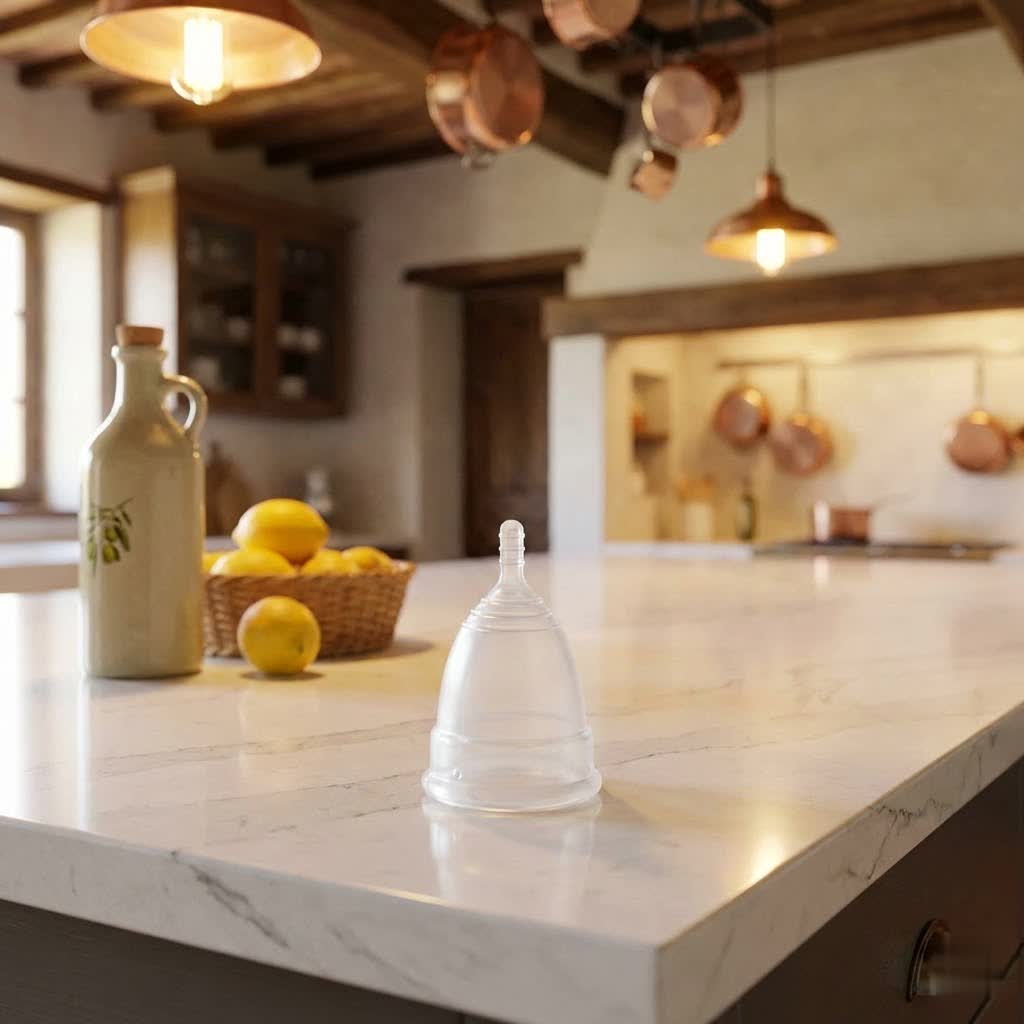
Embarking on your period journey with a menstrual cup can feel like a big step, especially if you’re exploring internal period products for the first time. Many people wonder if a menstrual cup is suitable for them if they haven’t had penetrative sex, often due to widespread misconceptions. This comprehensive guide will navigate you through everything you need to know about menstrual cups, specifically tailored for virgins and first-time users, empowering you to make an informed and comfortable choice for your menstrual health. We’ll debunk myths, offer practical advice, and help you embrace a more sustainable and liberating period experience.
Understanding Menstrual Cups: A Beginner’s Overview
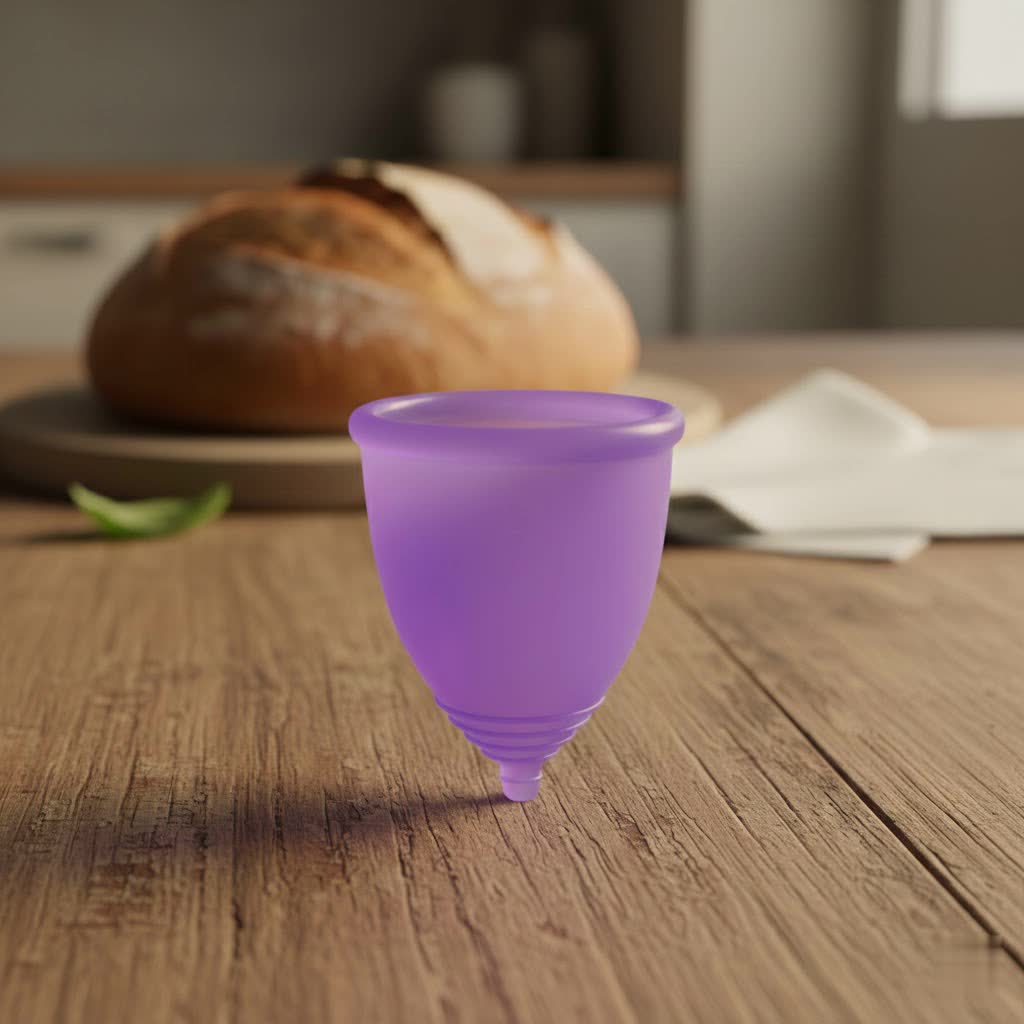
A menstrual cup is a flexible, bell-shaped device, typically made of medical-grade silicone, that is inserted into the vagina to collect menstrual fluid. Unlike disposable pads and tampons, which absorb blood, a menstrual cup collects it, offering an eco-friendly and cost-effective alternative. Menstrual cups have been around for decades, continually evolving in design and material for improved comfort and efficacy.
For those new to internal period products, the idea of insertion can be daunting. However, menstrual cups offer distinct advantages: they can be worn for up to 12 hours, are reusable for years, and create less waste. They also allow for greater freedom during activities like swimming and sports. A common concern for virgins is the impact on the hymen and the concept of virginity. It’s crucial to understand that virginity is a social construct, not a physical state defined by the hymen. The hymen is a thin, flexible tissue that can stretch or tear due to various non-sexual activities such as exercise, using tampons, or even naturally over time. Using a menstrual cup will not affect your virginity.
> “Menstrual cups are a safe and effective option for anyone who menstruates, regardless of sexual experience. The idea that they compromise virginity is a myth that needs to be dispelled for women to make informed choices about their bodies.” – Dr. Elena Petrova, Gynecologist
Finding Your Perfect Fit: Menstrual Cups for Virgins
Choosing the right menstrual cup is paramount for a comfortable and leak-free experience, especially for first-time users. For virgins, who may have tighter vaginal canals and less experience with internal insertion, opting for a smaller and softer cup is generally recommended. These cups are typically easier to insert and cause less discomfort.
Several factors influence the ideal cup size. While age and childbirth history are common sizing criteria, for virgins, cervical height and vaginal muscle tone are more relevant. Younger individuals or those who haven’t had a vaginal birth often benefit from smaller sizes. Measuring your cervical height can help determine if you need a shorter or longer cup. To do this, insert a clean finger into your vagina during your period (when the cervix is usually at its lowest) and feel for a firm, round spot similar to the tip of your nose. The length of your finger from the opening of your vagina to your cervix will give you an indication of your canal length.
Many brands offer “teen” or “small” sizes specifically designed for beginners and those with lighter flows or lower cervixes. These cups often feature a slightly narrower diameter and softer silicone, making insertion and removal more manageable. Some popular brands with beginner-friendly options include DivaCup Model 0, Saalt Small or Teen Cup, Ruby Cup Small, and MeLuna Shorty/Soft.
Menstrual Cup Types and Materials
Menstrual cups come in a variety of materials and shapes, each offering different characteristics that can impact a first-time user’s experience.
Materials:
- Medical-grade Silicone: This is the most common material. It’s safe, hypoallergenic, durable, and easy to clean. Most cups recommended for beginners are made from soft silicone.
- Natural Rubber (Latex): Some cups are made from natural rubber. While eco-friendly, it’s important to note that some individuals have latex allergies.
- TPE (Thermoplastic Elastomer): TPE cups are also body-safe and can be a good option. They tend to be slightly firmer than silicone but offer a good balance of flexibility.
Shapes:
- Most menstrual cups have a bell shape, designed to sit comfortably in the vaginal canal and create a seal to prevent leaks.
- Some variations include rounder or more conical shapes. For beginners, a traditional bell-shaped cup with a smooth rim is generally easiest to handle.
Softness vs. Firmness:
- Softer cups are often recommended for virgins and first-time users because they are more flexible and easier to fold into a smaller insertion point. They can also put less pressure on the vaginal walls, reducing potential discomfort. However, a softer cup might not “pop open” as readily once inserted, requiring a bit more practice to ensure a proper seal.
- Firmer cups tend to open more easily inside and may provide a more secure seal for some, but they can be more challenging to insert and potentially cause more initial discomfort for those with tighter muscles or sensitivities.
Comparison Table for Beginner-Friendly Menstrual Cups
|
Our Picks for the Best Menstrual Cup in 2026
We may earn a commission when you use one of our links to make a purchase.
|
||
| Num | Product | Action |
|---|---|---|
| 1 | EcoBlossom Reusable Menstrual Cup and Case - The Most Reliable Medical Grade Silicone Period Cups - Comfortably use for 12 Hours (Large (Pack of 2), Gray Cup & Case) |

|
| 2 | Venus Menstrual Cup (Period Cup for Women) - Best for Heavy Flow - 12 Hours Leak-Free Protection - 100% Medical-Grade Silicone Reusable Cup - Unique Design to Ease Your Period Cycle - Large |
|
| 3 | Pixie Cup - Soft, Safe, Reusable Menstrual Cup - Ranked 1 for The Best Tampon Alternative - 100% Medical-Grade Silicone Period Cup for Feminine Care - Buy One We Give One (Large) |
|
| 4 | Saalt Soft Menstrual Cup – Reusable Period Cup – Made for Comfortable, Leak-Free Protection Up to 12 Hours – BPA & Latex Free – Includes Cup & Carry Bag (Small, Desert Blush) |
|
| 5 | EcoBlossom Reusable Menstrual Cup Set - The Most Reliable Medical Grade Silicone Period Cups - Comfortably use for 12 Hours (Small & Large) |
|
| 6 | Saalt Soft Menstrual Cup – Reusable Period Cup – Made for Comfortable, Leak-Free Protection Up to 12 Hours – BPA & Latex Free – Includes Cup & Carry Bag (Regular, Mountain Iris) |
|
| 7 | Pixie Menstrual Cup Kit - Best Period Cup Starter Kit for Feminine Care - Proven to Be What You Need to Become A Successful Cup User - 100% Medical-Grade Silicone - Tampon Alternative |
|
| 8 | Shordy Reusable Menstrual Cup Set of 2 (Small & Large) Soft Medical-Grade Silicone Period Cups Easy Removal Ribbed Stem, 12-Hour Leakproof Comfort Copa Menstrual – Alternative to Pads, Tampons & Disc |
|
| 9 | Menstrual Cup Steamer Sterilizer with 2 Reusable Menstrual Cups, Period Cups Cleaner Wash Kit |
|
| 10 | Menstrual Cups with Collapsible Storage Cup, Leak-Proof Design with Medical Grade Silicone Period Cups Reusable, Tampon and Pad Alternative,for Light Flow and Heavy Flow Large+Small |
|
| Feature | Softer Silicone Cup | Firmer Silicone Cup |
|---|---|---|
| Advantages for Beginners | Easier to fold into a small shape, less potential for initial discomfort, gentler on vaginal walls. | May pop open more reliably inside the vagina, potentially offering a more secure seal for some users once inserted. |
| Considerations | Might require more effort to ensure it fully opens and forms a seal; could leak if not properly sealed. | Can be more challenging to insert initially, may cause more noticeable pressure or discomfort for sensitive users. |
| Recommended Users | First-time users, virgins, those with sensitive bladders or pelvic floors. | Experienced users, those who find softer cups don’t open well for them, individuals with strong pelvic floor muscles. |
A Step-by-Step Guide to Using Your Menstrual Cup
Using a menstrual cup successfully for the first time is often a process of practice and patience. Don’t be discouraged if it takes a few tries or even a few cycles to get the hang of it.
Preparation
- Relaxation is Key: Anxiety can cause your vaginal muscles to tense, making insertion difficult. Find a quiet, private space, take deep breaths, and relax your body.
- Sanitize Your Cup: Before the first use of each cycle, sterilize your cup by boiling it in water for 5-10 minutes. Wash your hands thoroughly with soap and water before handling your cup.
- Lubrication: If you’re struggling with insertion, a water-based lubricant or even just clean water on the rim of the cup can significantly help. During your period, menstrual blood can also act as a natural lubricant.
Folding Techniques
The goal is to make the cup as small as possible for insertion. Experiment with different folds to find what works best for you:
- C-Fold (or U-Fold): Press the sides of the cup together and then fold it in half to create a ‘C’ or ‘U’ shape. This is a common and easy fold.
- Punch-Down Fold: Push one side of the rim down into the cup’s basin, creating a smaller, pointed tip. Many beginners find this fold creates the smallest insertion point.
- 7-Fold: Press the sides of the cup together, then fold one corner down diagonally to the opposite side of the base, forming a ‘7’.
Insertion
- Find a Comfortable Position: Squatting, sitting on the toilet with knees apart, or standing with one leg raised on the toilet seat are popular choices.
- Guide the Cup: With your chosen fold, hold the cup firmly near the base. Use your free hand to gently spread your labia.
- Aim Towards Your Tailbone: The vaginal canal angles backward towards your tailbone, not straight up. Slowly insert the folded cup, aiming it horizontally and then slightly backward. Do not force it.
- Release and Seal: Once the cup is almost entirely inside, release the fold. It should pop open. You might hear a slight “pop” or feel it expand. Gently rotate the cup a full turn or run a finger around its rim to ensure it has fully opened and formed a suction seal against the vaginal walls. The stem should be inside or just at the vaginal opening, not protruding.
Removal
- Relax and Bear Down: Just like with insertion, relax your muscles. Gently bear down with your pelvic floor muscles (as if having a bowel movement) to help move the cup lower.
- Break the Suction: This is crucial for comfortable removal. Reach for the stem. Gently pinch the base of the cup (above the stem) to break the suction seal. You might need to wiggle it slightly. Never pull the stem without breaking the seal first, as this can be uncomfortable.
- Gently Pull Out: Once the seal is broken, gently pull the cup out, keeping it upright to avoid spills. Empty the contents into the toilet.
Cleaning and Care
- During Your Period: Rinse your cup with cold water after each emptying to prevent staining. Wash it with mild, unscented soap or a dedicated cup wash and warm water before reinserting.
- Between Cycles: After your period ends, sterilize your cup again by boiling it or using sterilizing tablets. Store it in a breathable pouch (usually provided with the cup), not an airtight container, to allow air circulation.
Where to Purchase Your First Menstrual Cup
Finding a reputable source for your menstrual cup is just as important as choosing the right one. Many trusted brands cater to beginners with specific sizing and designs.
Trusted Brands for Beginners:
- DivaCup: Their Model 0 is designed for individuals 18 or under and new to periods.
- Saalt: Offers a “Teen Cup” and a “Small” size, known for their softer silicone and user-friendly design.
- Ruby Cup: Their “Small” size is often recommended for beginners due to its shape and medium firmness.
- Lunette: Offers Model 1 for light to moderate flow, which can be suitable for younger users.
- MeLuna: Provides a range of sizes and softness levels, including shorter cups (Shorty) which might be good for those with lower cervixes.
Online vs. Offline Shopping:
- Online: Offers a wider selection of brands, sizes, and softness levels, often with comprehensive sizing guides and customer reviews. Websites like Amazon, period product retailers, or the brands’ own sites are good options.
- Offline: Some pharmacies, health stores, or eco-friendly shops may carry a limited selection of menstrual cups. Buying in person allows you to feel the material, but options might be fewer.
Key Considerations When Buying:
- Material: Ensure it’s medical-grade silicone or other body-safe, hypoallergenic materials.
- Size Guides and Quizzes: Utilize the sizing charts or online quizzes provided by brands, as these often factor in various anatomical considerations.
- Reviews: Read reviews from other first-time users or those with similar concerns (e.g., “for virgins” or “for teens”) to gauge ease of use and comfort.
- Price and Durability: Menstrual cups are an investment, but their long lifespan makes them cost-effective in the long run.
Empowering Your Choice: A Buyer’s Journey
Choosing a menstrual cup as a virgin is a journey of self-discovery and empowerment. It’s about taking control of your period health and making choices that align with your body and values.
Start by identifying your personal needs and comfort preferences. Are you prioritizing ease of insertion, capacity, or material softness? Research brands and products that explicitly market themselves as beginner-friendly or suitable for first-timers. Look for cups that are softer, smaller in diameter, and have a more flexible rim. Reading reviews from other beginner users can offer invaluable insights into what to expect and which products have worked well for them. Remember that every body is unique, and what works for one person might not work for another. Be prepared for a potential period of trial and error; some brands offer satisfaction guarantees or different size starter packs. This journey is about listening to your body and finding the perfect companion for your period.
Frequently Asked Questions
Can a menstrual cup cause pain for virgins?
While initial insertion might feel unusual or require practice due to unfamiliarity with internal products, a menstrual cup should not cause significant pain for virgins if inserted correctly. Choosing a smaller, softer cup and using lubricant can help reduce discomfort. Relaxing your pelvic muscles is also crucial, as tension can make insertion difficult.
Will a menstrual cup break my hymen or affect my virginity?
No, using a menstrual cup will not “break” your hymen or affect your virginity. The hymen is a flexible tissue that can stretch or tear due to various non-sexual activities (like sports or tampons) or even be naturally absent or very minimal. Virginity is a social and personal concept, not a physical state determined by the hymen’s condition.
What is the best menstrual cup size for a first-time user who is a virgin?
For first-time users and virgins, a smaller, softer menstrual cup is generally recommended. Many brands offer specific “teen” or “small” sizes designed for individuals under 30 who have not given birth. Factors like cervical height and flow intensity should also be considered, but starting with a smaller, more flexible option can make the learning process easier.
How long can a virgin wear a menstrual cup?
A menstrual cup can be worn by anyone, including virgins, for up to 12 hours, depending on your flow. It’s safe to wear overnight. However, it’s essential to check the manufacturer’s specific recommendations for wear time, as some cups might have slightly different guidelines. Emptying and cleaning the cup as directed is key for hygiene and safety.
Is it normal for a menstrual cup to feel uncomfortable at first?
Yes, it is entirely normal for a menstrual cup to feel a bit uncomfortable or awkward during your first few uses. It’s a new sensation, and your body needs time to adjust. The learning curve involves finding the right fold, insertion angle, and removal technique that works for you. With practice, most users find their cup becomes undetectable once properly inserted.