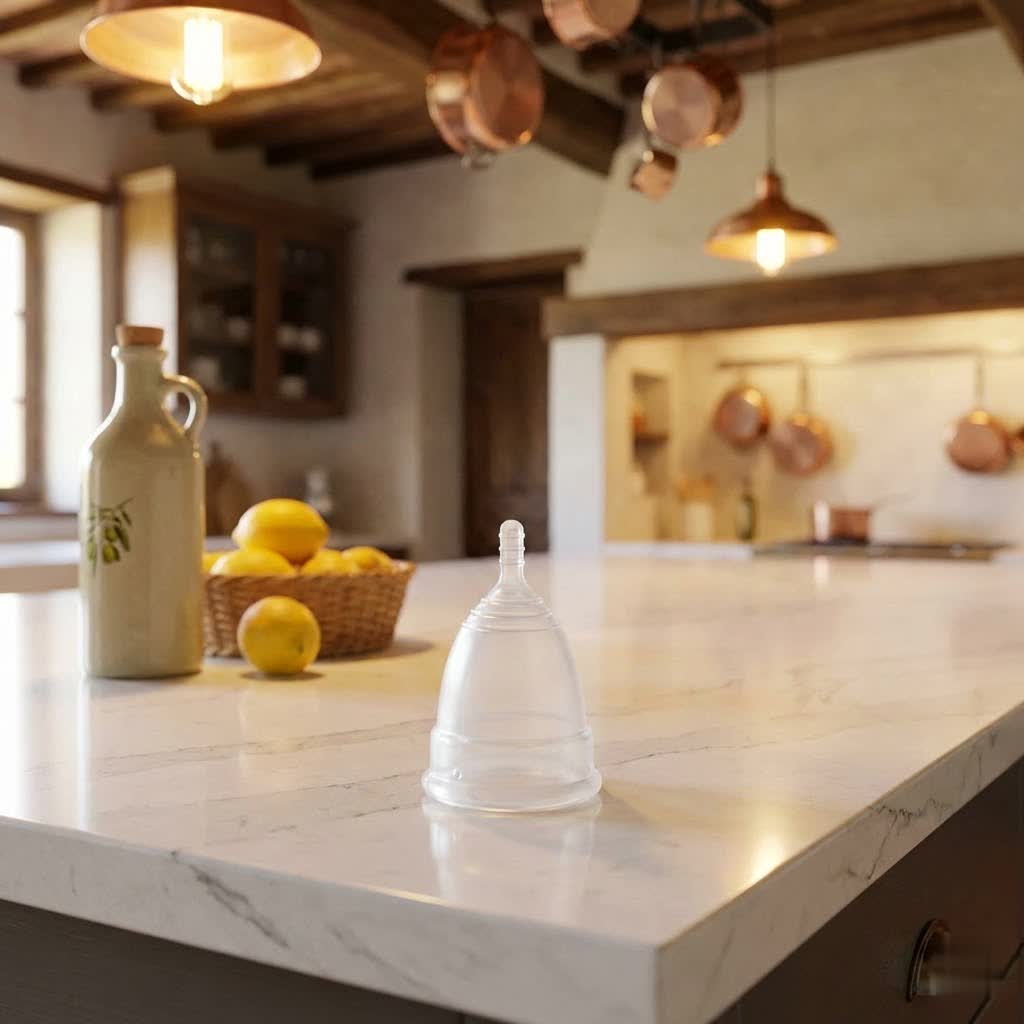
Navigating your menstrual cycle can often feel like a constant search for comfort, convenience, and peace of mind. For many, disposable pads and tampons have been the traditional go-to, but what if there was a more sustainable, cost-effective, and body-friendly alternative? Enter the menstrual cup, a revolutionary period product that has transformed the experience for thousands of women worldwide. This comprehensive guide will explore everything you need to know about choosing and using a menstrual cup, helping you find your perfect match for a healthier, happier period.
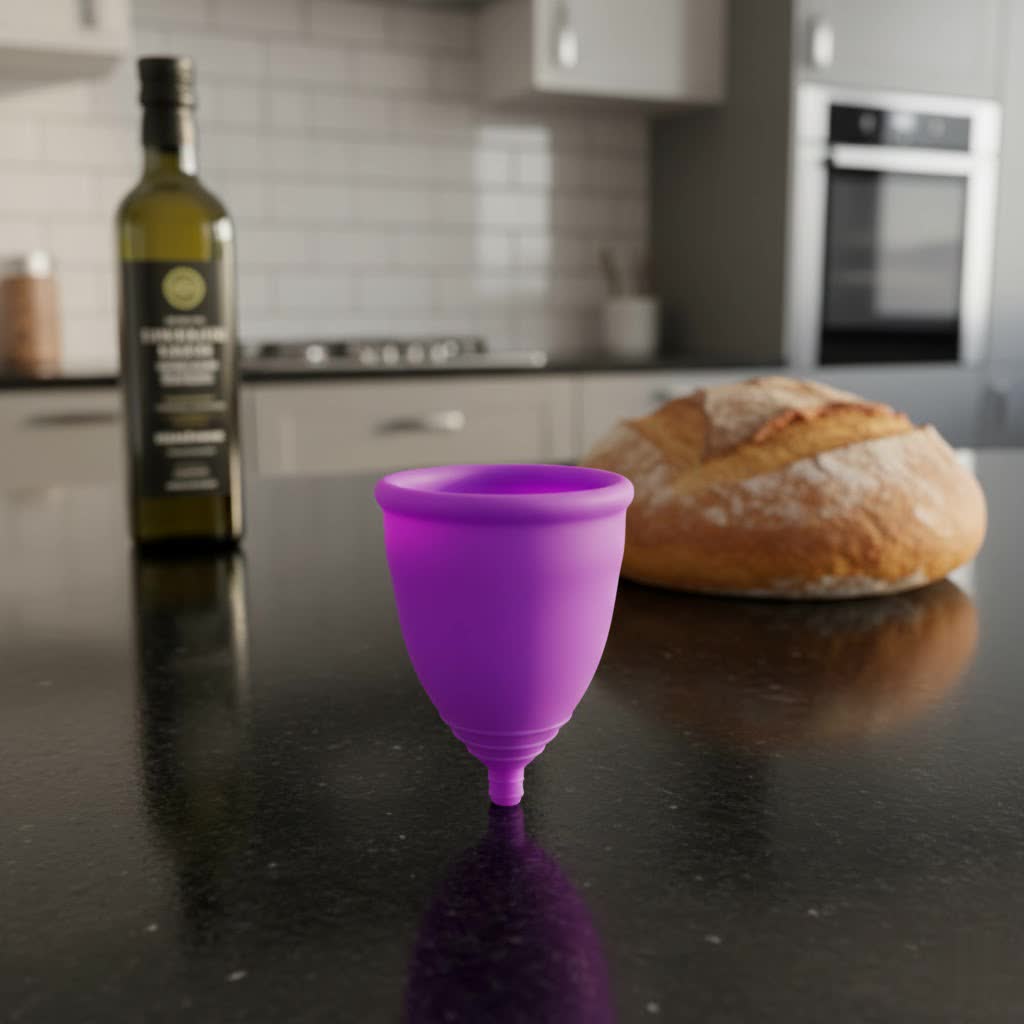
What is a Menstrual Cup?
A menstrual cup is a flexible, bell-shaped device inserted into the vagina to collect menstrual fluid during menstruation. Unlike tampons and pads that absorb blood, a menstrual cup creates a seal against the vaginal walls, collecting the flow rather than absorbing it. This allows for longer wear times and often reduces the risk of dryness or irritation associated with absorbent products. First patented in the 1930s, modern menstrual cups are typically made from medical-grade silicone, TPE (thermoplastic elastomer), or natural rubber, making them safe for internal use and designed for reusability.
Compared to traditional sanitary products, menstrual cups offer several compelling advantages. They are remarkably eco-friendly, as a single cup can last for years, significantly reducing the waste generated by disposable products. Economically, while the initial investment might be higher, the long-term savings are substantial, potentially saving users thousands of dollars over their lifetime. Many users also report fewer odors, as menstrual fluid collected inside the body is not exposed to air, preventing the development of unpleasant smells. Furthermore, cups can be worn for up to 12 hours, offering greater freedom and convenience than tampons or pads that require more frequent changes.
However, menstrual cups do come with a learning curve. Insertion and removal can be challenging initially, requiring practice to master. Some individuals might find the process messy, particularly during removal. Finding the right size and fit can also involve some trial and error, as a poorly fitting cup can lead to discomfort or leakage. While generally safe, improper cleaning can lead to infections, and in rare cases, there’s a minimal risk of Toxic Shock Syndrome (TSS), although significantly lower than with tampons.
Types of Menstrual Cups
The market offers a diverse range of menstrual cups, varying primarily by material, shape, and size. Understanding these distinctions is crucial for selecting a cup that best suits your body and lifestyle.
Materials
Menstrual cups are predominantly made from three types of elastomers:
- Medical-grade silicone: This is the most common material, prized for its durability, flexibility, and hypoallergenic properties. Silicone cups are generally safe, easy to clean, and long-lasting, often lasting up to 10 years with proper care.
- Thermoplastic Elastomer (TPE): TPE cups offer a softer, more flexible feel than many silicone cups, which can be beneficial for those with sensitive bladders or who find firmer cups uncomfortable. They are also hypoallergenic and can be a more affordable option, though their durability might be slightly less than silicone.
- Natural rubber/latex: Historically, some of the earliest menstrual cups were made from natural rubber. Today, these are less common due to environmental concerns regarding rubber plantations and the potential for latex allergies. If you have a latex allergy, it’s crucial to avoid cups made from this material.
|
Our Picks for the Best Menstrual Cup in 2026
We may earn a commission when you use one of our links to make a purchase.
|
||
| Num | Product | Action |
|---|---|---|
| 1 | Saalt Soft Menstrual Cup – Reusable Period Cup – Made for Comfortable, Leak-Free Protection Up to 12 Hours – BPA & Latex Free – Includes Cup & Carry Bag (Small, Desert Blush) |

|
| 2 | Shordy Reusable Menstrual Cup Set of 2 (Small & Large) Soft Medical-Grade Silicone Period Cups Easy Removal Ribbed Stem, 12-Hour Leakproof Comfort Copa Menstrual – Alternative to Pads, Tampons & Disc |
|
| 3 | Venus Menstrual Cup (Period Cup for Women) - Best for Heavy Flow - 12 Hours Leak-Free Protection - 100% Medical-Grade Silicone Reusable Cup - Unique Design to Ease Your Period Cycle - Large |
|
| 4 | EcoBlossom Reusable Menstrual Cup Set - The Most Reliable Medical Grade Silicone Period Cups - Comfortably use for 12 Hours (Small & Large) |
|
| 5 | EcoBlossom Reusable Menstrual Cup and Case - The Most Reliable Medical Grade Silicone Period Cups - Comfortably use for 12 Hours (Large (Pack of 2), Gray Cup & Case) |
|
| 6 | Pixie Menstrual Cup Kit - Best Period Cup Starter Kit for Feminine Care - Proven to Be What You Need to Become A Successful Cup User - 100% Medical-Grade Silicone - Tampon Alternative |
|
| 7 | Menstrual Cup Steamer Sterilizer with 2 Reusable Menstrual Cups, Period Cups Cleaner Wash Kit |
|
| 8 | Pixie Cup - Soft, Safe, Reusable Menstrual Cup - Ranked 1 for The Best Tampon Alternative - 100% Medical-Grade Silicone Period Cup for Feminine Care - Buy One We Give One (Large) |
|
| 9 | Saalt Soft Menstrual Cup – Reusable Period Cup – Made for Comfortable, Leak-Free Protection Up to 12 Hours – BPA & Latex Free – Includes Cup & Carry Bag (Regular, Mountain Iris) |
|
| 10 | Menstrual Cups with Collapsible Storage Cup, Leak-Proof Design with Medical Grade Silicone Period Cups Reusable, Tampon and Pad Alternative,for Light Flow and Heavy Flow Large+Small |
|
Shapes
Menstrual cups come in various shapes to accommodate different anatomies and preferences:
- Bell-shaped: This is the most traditional and common design, flaring out from the rim with a stem at the bottom for removal. Many popular brands use this shape.
- V-shape: Similar to a bell, but often longer and more tapered, gradually narrowing towards the stem.
- Round: Wider than it is long, with the widest point below the rim.
- Asymmetrical: These cups feature a slanted edge designed to sit at a specific angle under the cervix.
- Menstrual discs: While technically not “cups” in the traditional sense, discs are often discussed alongside them. They are typically flatter and wider, sitting higher in the vaginal fornix, near the cervix, and are suction-free. Some discs can also be worn during penetrative sex.
Sizes
Menstrual cup sizes typically range from small to large, with some brands offering “mini” or “teen” sizes. These sizes generally correspond to the cup’s diameter and length. Factors like age, childbirth history, and flow level commonly influence sizing recommendations. For instance, smaller cups are often suggested for younger individuals or those who haven’t given birth vaginally, while larger sizes are recommended for those over 30 or who have had a vaginal birth.
Comparison Table: Menstrual Cup Materials
| Feature | Medical-Grade Silicone | Natural Rubber (Latex) | TPE (Thermoplastic Elastomer) |
|---|---|---|---|
| Pros | Hypoallergenic, highly durable, easy to clean, good for sensitive bodies due to varying firmness. | Natural material, can be flexible. | Softer and more flexible than silicone (for some brands), hypoallergenic, can be more affordable. |
| Cons | Can be more expensive initially. | Risk of latex allergies, less durable than silicone for some, environmental concerns with production. | Potentially less durable than silicone in the very long term, can stain more easily. |
| Durability | Up to 10 years or more with proper care. | Varies, generally less than silicone. | Up to a few years, depends on brand and care. |
| Allergies | Very low risk of allergic reaction. | High risk for individuals with latex allergy. | Very low risk of allergic reaction. |
How to Choose the Right Menstrual Cup Size
Selecting the correct menstrual cup size is paramount for comfort, leakage prevention, and overall satisfaction. It’s not a one-size-fits-all product, and several personal factors should guide your decision.
The main factors influencing menstrual cup size include:
- Age: Younger individuals or those new to menstrual products are often advised to start with smaller cups.
- Childbirth History: Vaginal birth significantly impacts the pelvic floor muscles and vaginal canal. Individuals who have given birth vaginally typically require a larger cup size than those who haven’t. Those who have had a C-section may still prefer a smaller cup, similar to those who haven’t given birth vaginally, depending on their pelvic floor strength.
- Cervix Height: Your cervix position can change throughout your cycle. A low cervix may require a shorter cup, while a high cervix might need a longer one or a menstrual disc. You can measure your cervix height by inserting a clean finger into your vagina during your period until you feel your cervix (it feels like the tip of your nose).
- Flow Level: While size primarily relates to fit, a heavier flow might necessitate a cup with a larger capacity, though often smaller cups can still be effective if changed more frequently.
- Pelvic Floor Strength: Strong pelvic floor muscles can help hold a smaller cup in place, while weaker muscles (often after childbirth) might benefit from a larger or firmer cup.
For beginners, it’s often recommended to start with a smaller size, especially if you are under 30 and have not given birth. Many brands offer quizzes or detailed sizing guides to help you determine the best fit based on your individual anatomy and history. Don’t be discouraged if your first cup isn’t the perfect fit; finding your “Goldilocks cup” can sometimes take a couple of tries.
How to Use a Menstrual Cup
Using a menstrual cup effectively involves mastering insertion, removal, and proper hygiene. While it might seem daunting at first, practice makes perfect.
How to Fold a Menstrual Cup
There are several popular folding techniques to make insertion easier:
- C-Fold (or U-Fold): Flatten the cup and fold it in half to form a ‘C’ or ‘U’ shape. This is a common and relatively simple fold.
- 7-Fold: Flatten the cup, then fold one corner down diagonally towards the opposite side, forming a ‘7’ shape.
- Punch-Down Fold (or Tulip Fold): Push one side of the rim down into the cup’s center, creating a smaller, pointed tip for easier insertion. This often creates the smallest insertion point.
How to Insert and Remove a Menstrual Cup
Insertion:
- Wash your hands: Always start with clean hands.
- Lubricate (optional): You can moisten the rim of the cup with water or a water-based lubricant for smoother insertion.
- Find a comfortable position: Squatting, sitting on the toilet, or standing with one leg up can help.
- Fold the cup: Use your preferred folding method.
- Insert: Gently guide the folded cup into your vagina, aiming towards your tailbone, not straight up. Once it’s fully inside, release the fold. The cup should pop open and create a seal. You can gently twist or rotate the cup, or run a finger around the rim, to ensure it has fully opened and formed a suction seal.
- Check the seal: Gently tug on the stem. If you feel resistance, the seal is likely formed.
Removal:
- Wash your hands: Again, clean hands are essential.
- Relax: Tensing your muscles can make removal difficult. Take a deep breath.
- Locate the stem: Reach into your vagina to find the stem of the cup.
- Break the seal: Do not pull the cup out by the stem alone. Gently pinch the base of the cup or press one side of the rim with your finger to break the suction seal.
- Gently pull: Once the seal is broken, slowly and carefully pull the cup out, keeping it upright to avoid spills.
- Empty and rinse: Empty the contents into the toilet, rinse the cup with water, and reinsert.
How to Clean and Care for a Menstrual Cup
Proper hygiene is vital for preventing infections and extending your cup’s lifespan.
- During your cycle: When you empty your cup, rinse it with cool water. You can also use a mild, pH-balanced, unscented soap specifically designed for menstrual cups, then rinse thoroughly.
- Between cycles: After your period ends, sterilize your cup. The most common method is boiling it in water for 5-10 minutes. Ensure the cup doesn’t touch the bottom of the pot to prevent damage. Alternatively, some brands offer sterilizing solutions or cups can be placed in sterilizing containers in the microwave. Allow the cup to air dry completely before storing it in a breathable bag (like cotton, not airtight plastic) until your next cycle.
Where to Buy Menstrual Cups
The increasing popularity of menstrual cups means they are widely available from various retailers, both online and in physical stores.
Reputable Menstrual Cup Brands
Several brands have established themselves as leaders in the menstrual cup market, known for quality, safety, and a range of options. Some popular and well-regarded brands include:
- DivaCup: One of the most recognized brands, often recommended for beginners.
- Saalt: Praised for its soft silicone options and offering choices for different cervix heights.
- Lunette: Known for comfort, ease of use, and a variety of colors.
- OrganiCup (now AllMatters): Often lauded for its simple design, environmental credentials, and effectiveness.
- Pixie Cup: Valued for its charitable mission and beginner-friendly design.
- Cora: Offers user-friendly designs and a focus on accessibility.
Online vs. Offline Shopping
- Online: Online retailers and brand websites offer the widest selection, allowing you to compare different materials, shapes, and sizes from various brands. You can also read extensive customer reviews to help inform your decision.
- Offline: Many pharmacies, health stores, and even some major supermarkets now stock menstrual cups. Buying in-store allows you to physically examine the cup (though not the same as trying it on) and get immediate assistance from staff, though the selection may be more limited.
Important Considerations When Buying
When making your purchase, keep these points in mind:
- Material: Ensure the cup is made from medical-grade silicone or TPE, and avoid natural rubber if you have a latex allergy.
- Size and Shape: Revisit the sizing guidelines based on your age, childbirth history, and cervix height. Consider softer cups if you have bladder sensitivity.
- Brand Reputation: Choose reputable brands known for quality control and customer support.
- Certifications: Look for certifications like FDA approval (in the US) or other relevant health agency approvals in your region to ensure product safety.
- Price: While prices vary, remember that a menstrual cup is a long-term investment that will save you money over time.
Conclusion
Embracing a menstrual cup can be a transformative step towards a more sustainable, economical, and comfortable period experience. From their eco-friendly nature and cost-saving benefits to the freedom of extended wear, menstrual cups offer a compelling alternative to traditional period products. While there’s a slight learning curve, the journey to finding your perfect fit is well worth the effort. By understanding the different types, materials, and sizing considerations, you can confidently choose a cup that aligns perfectly with your body and lifestyle. Why not embark on this journey and discover the revolutionary comfort and convenience of a menstrual cup for yourself?
Frequently Asked Questions
Are menstrual cups uncomfortable?
When properly inserted and sized correctly, a menstrual cup should not cause discomfort. Many users report not feeling it at all once it’s in place. Discomfort usually arises from incorrect insertion, an improper size, or a cup that is too firm for your body. If you experience persistent discomfort, re-evaluating your cup’s size, material, or insertion technique is advisable.
Can menstrual cups be worn overnight?
Yes, menstrual cups are generally safe to wear overnight. Most cups can be worn for up to 12 hours, which is longer than many tampons, making them ideal for overnight protection. Their collecting nature and secure seal mean less risk of leakage compared to absorbent products during sleep.
Are menstrual cups safe with an IUD?
While menstrual cups are generally considered safe, there is a small, albeit rare, risk of IUD displacement or expulsion when using a menstrual cup. This risk is low (around 0.39% in some studies), but it’s crucial to consult your gynecologist before using a menstrual cup if you have an IUD. Proper removal techniques, especially breaking the suction seal before pulling, can help minimize any potential risk.