Embarking on the journey to find the ideal menstrual cup can be a game-changer for your period experience. For many, the focus quickly narrows to one crucial aspect: size. While standard menstrual cups offer incredible benefits, understanding the nuances of “Small Menstrual Cups” is key to unlocking unmatched comfort and reliability. Whether you’re a first-time user, a teenager, or someone navigating a low cervix, a smaller cup might just be the perfect fit you’ve been searching for. Let’s delve into the world of small menstrual cups to help you make an informed decision for a more confident and comfortable period.
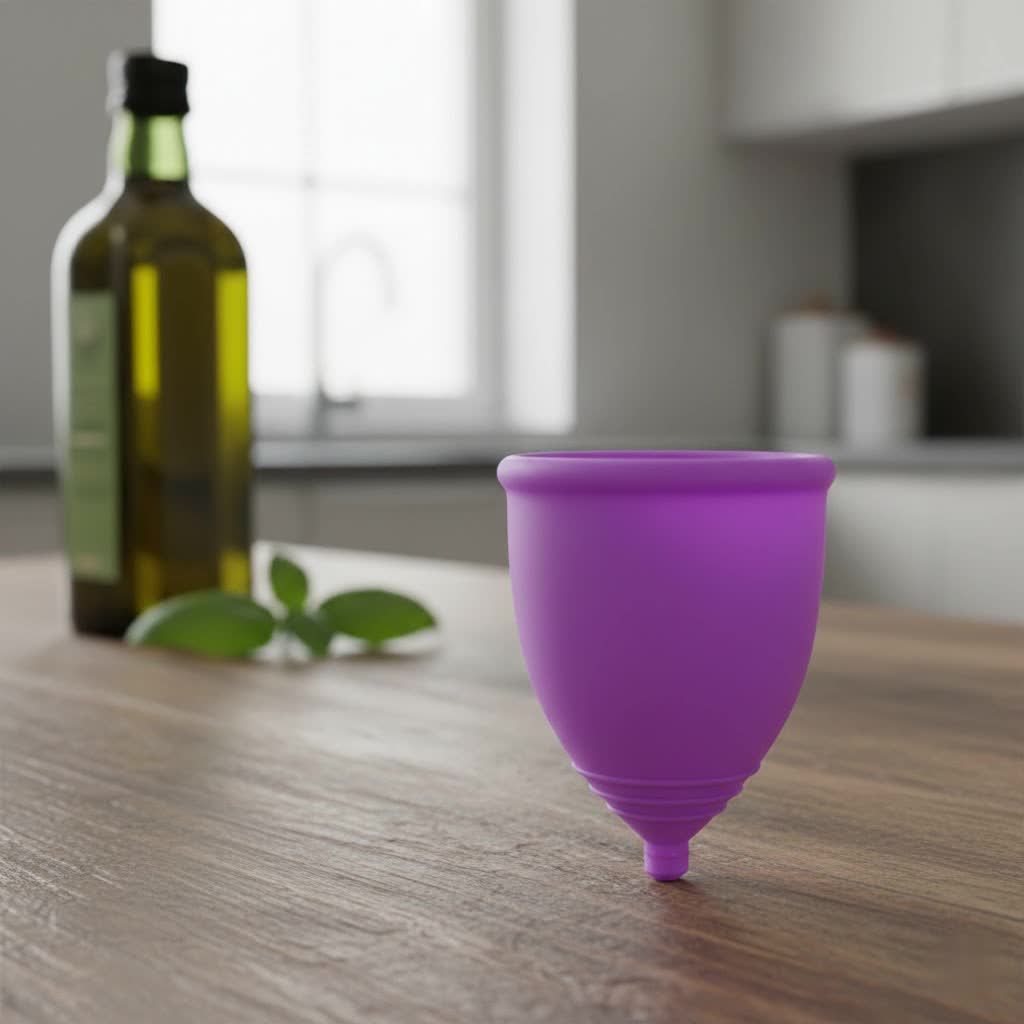
What is a Menstrual Cup?
A menstrual cup is a flexible, reusable feminine hygiene product designed to be inserted into the vagina to collect menstrual fluid. Unlike tampons or pads, which absorb blood, a menstrual cup creates a seal against the vaginal walls, preventing leaks and offering a more sustainable and often more comfortable alternative. Made from medical-grade silicone, natural rubber, or TPE, these cups are durable and can last for years with proper care, making them an eco-friendly and cost-effective choice.
The primary benefit of menstrual cups lies in their ability to provide extended wear time—up to 12 hours—freeing you from frequent changes. They are also body-safe, reducing exposure to chemicals found in some disposable products. The importance of choosing the right size cannot be overstated; an ill-fitting cup, whether too large or too small, can lead to discomfort or leaks. This is especially true for those who might benefit from a smaller option.
Who Should Consider a Small Menstrual Cup?
The term “small menstrual cup” isn’t just a generic label; it addresses specific anatomical and lifestyle needs. Several factors indicate that a smaller cup could be your ideal choice:
- Teenagers and First-Time Users: For younger individuals or those new to internal period products, a smaller diameter and shorter length can significantly ease the learning curve for insertion and removal, making the transition smoother and less intimidating.
- Individuals Under 30 Who Have Not Given Birth Vaginally: General guidelines often recommend smaller cups for this demographic, as vaginal canals tend to be tighter and pelvic floor muscles firmer. Even after a C-section, a smaller cup is frequently suggested.
- Those with a Light to Medium Flow: While flow isn’t the sole determinant, smaller cups typically have a lower capacity, making them suitable for lighter periods without needing to be emptied too frequently.
- People with a Low Cervix: This is a critical factor. If your cervix sits low in the vaginal canal, a standard-length cup can be too long, causing discomfort or even protruding. Shorter, smaller cups are specifically designed to accommodate a low cervix, ensuring a proper, comfortable fit.
- Individuals with Strong Pelvic Floor Muscles: Surprisingly, strong pelvic floor muscles can sometimes make a larger cup feel uncomfortable or cause it to shift. A smaller, sometimes firmer, cup can be better suited for individuals who regularly engage in activities like yoga, Pilates, or Kegel exercises.
Understanding Small Menstrual Cup Dimensions and Materials
One of the most confusing aspects of menstrual cups is the lack of a universal sizing standard. A “small” from one brand might be the same size as a “regular” from another, highlighting the importance of checking specific dimensions rather than just the label. Typically, “small” refers primarily to the cup’s diameter at the rim, which is generally narrower than larger cups. While smaller cups are often shorter, this isn’t always the case, and some brands offer specialized “low cervix” versions that are notably shorter.
Menstrual cups are predominantly made from:
- Medical-grade silicone: The most common material, known for its safety, durability, and flexibility. It’s hypoallergenic and easy to clean.
- Natural rubber (latex): Environmentally friendly, but some individuals may have latex allergies.
- Thermoplastic Elastomer (TPE): Offers a good balance of flexibility and firmness, often at a more affordable price point.
The flexibility or firmness of the cup also plays a role in comfort and ease of use. Softer cups might be easier to insert and more comfortable for those with sensitive bladders, while firmer cups tend to pop open more easily and maintain their seal for individuals with stronger pelvic muscles.
Key Factors for Choosing the Right Small Menstrual Cup Size
Choosing the perfect small menstrual cup involves more than just guessing. Here are the critical factors to consider:
- Cervix Height: This is arguably the most crucial factor, especially for those considering a small cup. Your cervix height can change throughout your cycle. To measure it, insert a clean finger into your vagina until you feel your cervix (it feels like the tip of your nose). If your finger goes in only a short way before reaching it, you likely have a low cervix, indicating you need a shorter cup. If you can insert your entire finger, your cervix is higher.
- Age and Childbirth History: As a general guideline, individuals under 30 who haven’t given birth vaginally are typically advised to start with a smaller size. Vaginal birth can sometimes lead to changes in pelvic floor tone, making a slightly larger or firmer cup more suitable, though this isn’t a hard and fast rule.
- Flow Volume: While not the primary factor, your typical menstrual flow does influence capacity needs. If you have a light to medium flow, a small cup’s capacity will likely be sufficient for up to 12 hours of wear. If your flow is heavier, you might need to empty a small cup more frequently.
- Pelvic Floor Tone: Strong pelvic floor muscles can provide good support for a smaller cup, helping it stay in place. If your pelvic floor is weaker, you might find a slightly wider diameter helpful, or you may need to focus on strengthening exercises.
- Sensitivity: Some individuals are more sensitive to internal pressure. Softer, more flexible small cups can offer greater comfort for those with bladder sensitivity or discomfort with firmer cups.
Types of Small Menstrual Cups & Popular Brands
The market offers a diverse range of small menstrual cups, with some specifically designed to address particular needs:
- Low Cervix Specific Cups: Brands like MeLuna Shorty and Merula OS (One Size) are renowned for their compact designs, making them ideal for individuals with a low cervix. The Hello Low Cervix Cup and Bettercup are also popular choices, often featuring shorter stems or stemless designs for maximum comfort.
- Teen/Beginner-Friendly Options: Many brands offer “mini” or “teen” versions, such as the Saalt Teen Cup, OrganiCup Mini, DivaCup Model 0, and AllMatters Mini. These are often smaller in both diameter and length, and can be softer for easier insertion.
- Softer, Flexible Small Cups: For those prioritizing comfort or with bladder sensitivity, the Intimina Lily Cup Compact stands out with its ultra-soft, collapsible design.
- Other Reputable Brands Offering Small Sizes: You’ll find small options from popular brands like Lunette (Model 1), The Honey Pot Company (Size 1 for Light-Medium Flow), Cora (Size 1), and Lena.
How to Use Your Small Menstrual Cup Effectively
Even with the right size, proper technique is essential for comfortable and leak-free use.
- Cleanliness is Key: Always wash your hands thoroughly with soap and water before handling your menstrual cup.
- Folding Techniques: Smaller cups might benefit from specific folds. Popular options include the C-fold (or U-fold), the Punch-Down fold, and the 7-fold. Experiment to find what works best for your body and cup’s flexibility.
- Insertion: Relax your pelvic floor. With a folded cup, gently insert it into your vagina, aiming towards your tailbone, not straight up. Once it’s fully inside, release the fold.
- Checking the Seal: The cup should pop open and create a suction seal. Gently run a finger around the base of the cup to ensure it’s fully open and round. You can also give the stem a slight tug; if you feel resistance, the seal is likely formed.
- Removal: To remove, always break the seal first. Gently squeeze the base of the cup or press against a side to release the suction, then slowly pull it out. Some cups have ribbed stems for easier gripping.
- Cleaning and Care: Empty your cup into the toilet, rinse it with cold water, and wash it with a mild, unscented soap. Before and after each cycle, sterilize your cup by boiling it in water for 5-10 minutes. Store it in its breathable pouch.
Comparison Table: Small Menstrual Cup Features
| Feature | Small/Mini Cups (General) | Low Cervix Specific Cups | Softer Small Cups |
|---|---|---|---|
| Diameter | Generally smaller (e.g., 35-43mm) | Varies, can be wider for stability | Typically smaller (e.g., <40mm) |
| Length | Shorter (e.g., 45-58mm) | Significantly shorter (e.g., <45mm) | Varies (can be shorter or standard small length) |
| Capacity | Lower (e.g., 15-25ml) | Can still offer decent capacity due to shape (e.g., Merula OS) | Lower (e.g., 10-20ml) |
| Firmness | Varies (soft to firm) | Varies; some softer for comfort | Generally softer, more pliable |
| Ideal For | Teens, light flow, beginners, tighter canals, strong pelvic floors | Low cervix, mild prolapse, avoiding stem protrusion | Sensitive bladders, easier insertion, first-time users |
| Example Brands | Saalt Small, Lunette Model 1, DivaCup Model 0 | MeLuna Shorty, Merula OS, Hello Low Cervix | Intimina Lily Cup Compact, Saalt Soft Small |
Where to Purchase Small Menstrual Cups?
Finding a small menstrual cup that suits you is easier than ever with a variety of purchasing options:
- Online Retailers: Many menstrual cup brands have their own websites where you can buy directly. Specialized online period stores often offer a curated selection and comparison tools. Look for retailers with comprehensive sizing guides and good return/exchange policies.
- Local Pharmacies and Superstores: Major retailers like Target, Boots, and Superdrug now stock a range of menstrual cups, including smaller sizes from popular brands like Saalt, The Honey Pot Company, and Cora. This allows for in-person browsing and immediate purchase.
- Key Considerations When Buying: Always ensure the product is made from medical-grade materials (silicone is most common and widely trusted), check for relevant certifications (like FDA-cleared or CE-certified), and read user reviews, particularly from individuals with similar needs (e.g., low cervix, first-time user). Don’t solely rely on price; a slightly higher investment in a reputable brand often means better quality and a more comfortable experience.
Conclusion
Choosing a small menstrual cup is a thoughtful decision that can lead to a significantly improved period experience. By understanding your unique anatomy, such as cervix height and pelvic floor strength, and considering factors like age and flow, you can confidently select a cup designed to fit your body perfectly. The market offers a wonderful array of options, from specialized low-cervix designs to beginner-friendly soft cups, ensuring there’s a small menstrual cup out there for everyone. Embrace the journey of discovery, and you’ll find a period solution that is comfortable, reliable, and truly liberating.
Frequently Asked Questions
Is a small menstrual cup truly necessary, or can I just use a regular size?
|
Our Picks for the Best Menstrual Cup in 2026
We may earn a commission when you use one of our links to make a purchase.
|
||
| Num | Product | Action |
|---|---|---|
| 1 | Menstrual Cups with Collapsible Storage Cup, Leak-Proof Design with Medical Grade Silicone Period Cups Reusable, Tampon and Pad Alternative,for Light Flow and Heavy Flow Large+Small |

|
| 2 | EcoBlossom Reusable Menstrual Cup and Case - The Most Reliable Medical Grade Silicone Period Cups - Comfortably use for 12 Hours (Large (Pack of 2), Gray Cup & Case) |
|
| 3 | Venus Menstrual Cup (Period Cup for Women) - Best for Heavy Flow - 12 Hours Leak-Free Protection - 100% Medical-Grade Silicone Reusable Cup - Unique Design to Ease Your Period Cycle - Large |
|
| 4 | Shordy Reusable Menstrual Cup Set of 2 (Small & Large) Soft Medical-Grade Silicone Period Cups Easy Removal Ribbed Stem, 12-Hour Leakproof Comfort Copa Menstrual – Alternative to Pads, Tampons & Disc |
|
| 5 | EcoBlossom Reusable Menstrual Cup Set - The Most Reliable Medical Grade Silicone Period Cups - Comfortably use for 12 Hours (Small & Large) |
|
| 6 | Menstrual Cup Steamer Sterilizer with 2 Reusable Menstrual Cups, Period Cups Cleaner Wash Kit |
|
| 7 | Saalt Soft Menstrual Cup – Reusable Period Cup – Made for Comfortable, Leak-Free Protection Up to 12 Hours – BPA & Latex Free – Includes Cup & Carry Bag (Regular, Mountain Iris) |
|
| 8 | Pixie Menstrual Cup Kit - Best Period Cup Starter Kit for Feminine Care - Proven to Be What You Need to Become A Successful Cup User - 100% Medical-Grade Silicone - Tampon Alternative |
|
| 9 | Saalt Soft Menstrual Cup – Reusable Period Cup – Made for Comfortable, Leak-Free Protection Up to 12 Hours – BPA & Latex Free – Includes Cup & Carry Bag (Small, Desert Blush) |
|
| 10 | Pixie Cup - Soft, Safe, Reusable Menstrual Cup - Ranked 1 for The Best Tampon Alternative - 100% Medical-Grade Silicone Period Cup for Feminine Care - Buy One We Give One (Large) |
|
While general sizing guidelines exist, a small menstrual cup is often necessary for optimal comfort and leak prevention, especially for teenagers, first-time users, or individuals with a low cervix. An ill-fitting cup can cause discomfort or leaks, making the right size crucial.
Can teenagers really use menstrual cups?
Yes, many teenagers can use menstrual cups successfully! Several brands offer “mini” or “teen” sizes that are smaller in diameter and shorter, making insertion and removal easier for younger users or those new to internal period products.
What if I have a low cervix and a heavy flow?
Having a low cervix and a heavy flow can be a challenge, but there are solutions. Look for specialized “low cervix” cups that are shorter but may have a wider diameter or a more bulbous shape to offer a higher capacity despite their compact length. You might need to empty it more frequently on your heaviest days.
How do I know if my menstrual cup is too small?
If your menstrual cup is too small, it might slip down, rotate, or leak persistently, even when inserted correctly. You might also feel it more than you should, or it may fail to create a proper suction seal.
Are small menstrual cups harder to remove?
Not necessarily. Small menstrual cups, especially those designed for a low cervix, often have features like textured stems or are specifically shaped to aid removal. Practicing different removal techniques and relaxing your pelvic floor muscles can make the process smooth and easy.