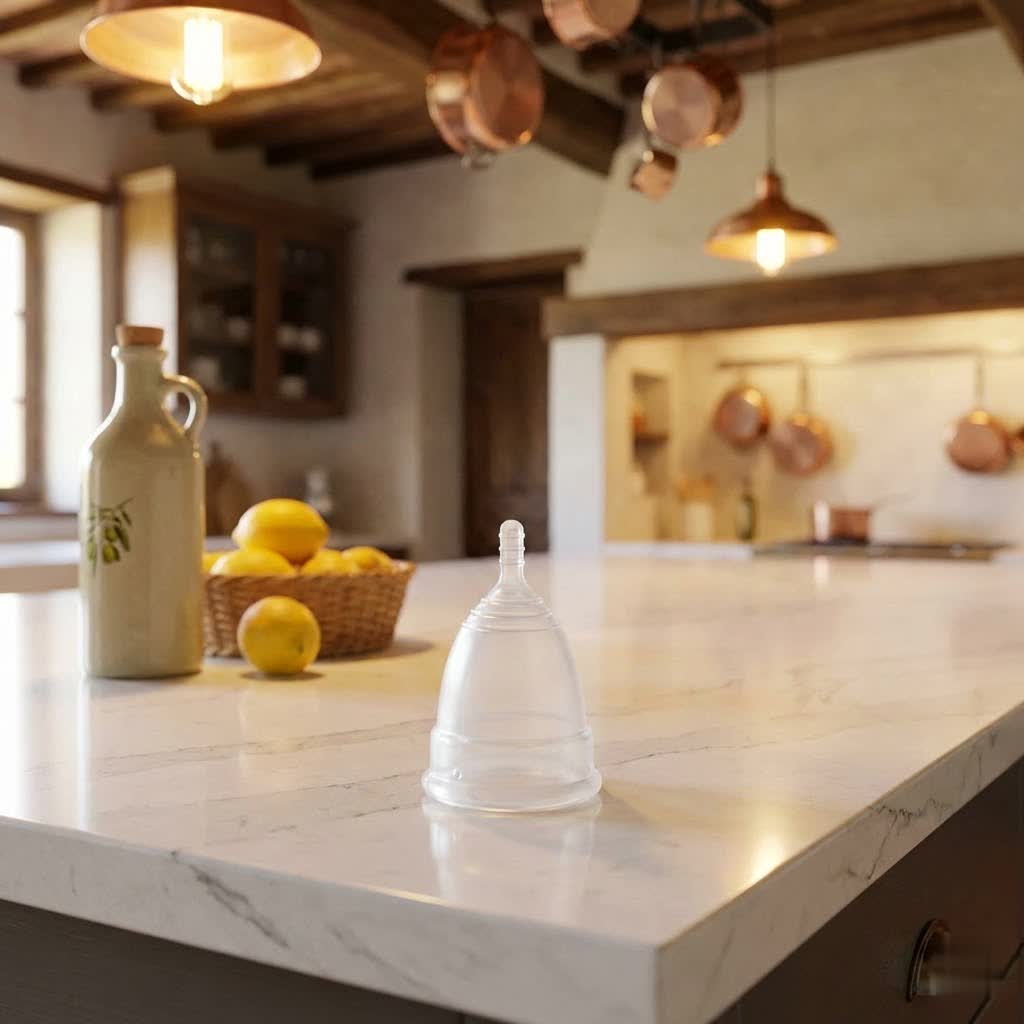
Are you seeking a comfortable, eco-friendly, and cost-effective alternative to traditional period products? The menstrual cup has emerged as a revolutionary solution, empowering thousands of women to experience their periods with unprecedented ease and confidence. With over a decade of expertise in women’s health and menstrual care, we’re here to guide you through the world of menstrual cups, helping you find the ideal fit for your unique needs. This comprehensive guide will cover everything from understanding what a menstrual cup is to selecting the right size, mastering insertion and removal, and identifying trusted brands.
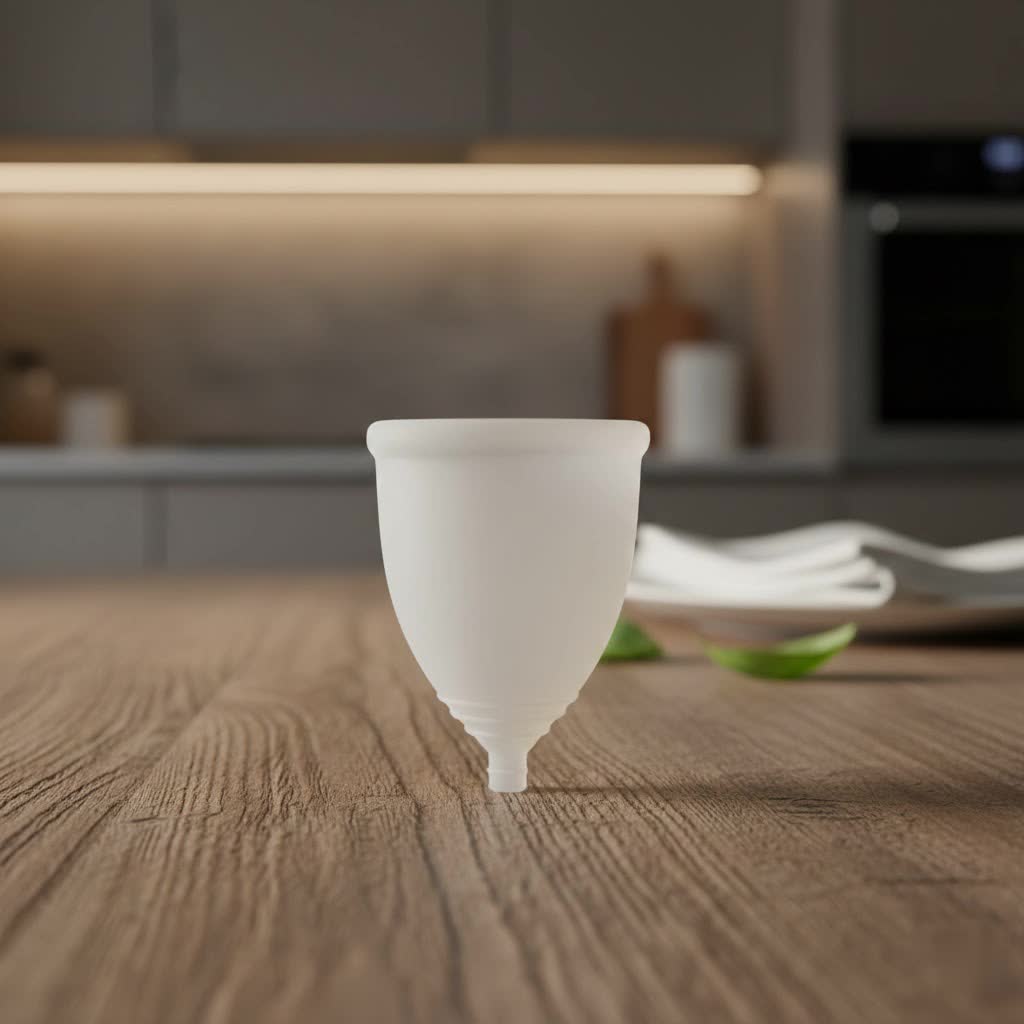
What is a Menstrual Cup?
A menstrual cup is a flexible, bell-shaped device designed for insertion into the vagina during menstruation. Unlike tampons and pads that absorb menstrual fluid, the cup collects it. Typically made from medical-grade silicone, natural rubber, or thermoplastic elastomer (TPE), these reusable cups offer a sustainable and hygienic alternative.
The concept of menstrual cups dates back to the 1930s, with bell-shaped designs being the most common. Today, they are celebrated for their efficiency and benefits compared to disposable products. While tampons and pads need to be changed every four to eight hours, a menstrual cup can be worn for up to 12 hours, depending on your flow. This extended wear time translates to fewer interruptions during your day and night, offering greater freedom and peace of mind.
Advantages and Disadvantages of Menstrual Cups
Choosing a menstrual cup comes with a host of benefits that extend beyond convenience, encompassing environmental, financial, and health aspects. However, like any personal care product, there are a few considerations to keep in mind during your initial transition.
Advantages:
- Eco-Friendly: Menstrual cups are reusable for up to 10 years, drastically reducing the waste generated by disposable tampons and pads. This significantly lowers your carbon footprint and contribution to landfills.
- Cost-Effective: While the initial investment for a menstrual cup might be higher than a single pack of tampons or pads, its long lifespan means substantial savings over time. You eliminate the recurring monthly cost of disposables.
- Extended Wear Time: Most menstrual cups can be worn safely for up to 12 hours, providing leak-free protection throughout the day and night. This is particularly beneficial for those with heavy flows or long workdays.
- Reduced Risk of Toxic Shock Syndrome (TSS): Unlike tampons, which are associated with a rare but serious risk of TSS due to absorption, menstrual cups collect fluid, presenting a much lower risk of this condition.
- Healthier for Your Vagina: Medical-grade silicone cups don’t contain harmful chemicals, fragrances, or bleaches often found in disposable products, helping maintain your vagina’s natural pH balance and flora.
- Accommodates Heavy Flow: Many users find menstrual cups can handle heavy flows more effectively than other products, reducing the need for frequent changes and offering greater capacity.
- Fewer Emergency Runs: Having a reusable cup means you’re always prepared for your period, eliminating urgent trips to the drugstore.
Disadvantages:
- Learning Curve: Inserting and removing a menstrual cup can take practice and may feel awkward at first, especially for new users. It often takes a cycle or two to become fully comfortable.
- Potential for Mess: Initial removal can sometimes be messy as you learn to empty the cup without spills.
- Finding the Right Fit: With many sizes and shapes available, finding the perfect cup for your body can require some trial and error. An ill-fitting cup might cause discomfort or leaks.
- Public Bathroom Challenges: Cleaning your cup in a public restroom without a private sink can be tricky, though options like intimate wipes or a small water bottle can help.
- Rare Allergic Reactions: While most cups are hypoallergenic, some individuals might experience rare allergic reactions to specific materials like latex or silicone.
|
Our Picks for the Best Menstrual Cup in 2026
We may earn a commission when you use one of our links to make a purchase.
|
||
| Num | Product | Action |
|---|---|---|
| 1 | Menstrual Cups with Collapsible Storage Cup, Leak-Proof Design with Medical Grade Silicone Period Cups Reusable, Tampon and Pad Alternative,for Light Flow and Heavy Flow Large+Small |

|
| 2 | EcoBlossom Reusable Menstrual Cup and Case - The Most Reliable Medical Grade Silicone Period Cups - Comfortably use for 12 Hours (Large (Pack of 2), Gray Cup & Case) |
|
| 3 | Menstrual Cup Steamer Sterilizer with 2 Reusable Menstrual Cups, Period Cups Cleaner Wash Kit |
|
| 4 | Venus Menstrual Cup (Period Cup for Women) - Best for Heavy Flow - 12 Hours Leak-Free Protection - 100% Medical-Grade Silicone Reusable Cup - Unique Design to Ease Your Period Cycle - Large |
|
| 5 | Shordy Reusable Menstrual Cup Set of 2 (Small & Large) Soft Medical-Grade Silicone Period Cups Easy Removal Ribbed Stem, 12-Hour Leakproof Comfort Copa Menstrual – Alternative to Pads, Tampons & Disc |
|
| 6 | Pixie Menstrual Cup Kit - Best Period Cup Starter Kit for Feminine Care - Proven to Be What You Need to Become A Successful Cup User - 100% Medical-Grade Silicone - Tampon Alternative |
|
| 7 | Pixie Cup - Soft, Safe, Reusable Menstrual Cup - Ranked 1 for The Best Tampon Alternative - 100% Medical-Grade Silicone Period Cup for Feminine Care - Buy One We Give One (Large) |
|
| 8 | Saalt Soft Menstrual Cup – Reusable Period Cup – Made for Comfortable, Leak-Free Protection Up to 12 Hours – BPA & Latex Free – Includes Cup & Carry Bag (Small, Desert Blush) |
|
| 9 | EcoBlossom Reusable Menstrual Cup Set - The Most Reliable Medical Grade Silicone Period Cups - Comfortably use for 12 Hours (Small & Large) |
|
| 10 | Saalt Soft Menstrual Cup – Reusable Period Cup – Made for Comfortable, Leak-Free Protection Up to 12 Hours – BPA & Latex Free – Includes Cup & Carry Bag (Regular, Mountain Iris) |
|
Popular Menstrual Cup Types
Menstrual cups come in various types, primarily differentiated by their material, shape, and size. Understanding these variations is key to finding a cup that perfectly suits your body and lifestyle.
Classification by Material
The material of your menstrual cup directly impacts its flexibility, durability, and safety.
- Medical-Grade Silicone: This is the most prevalent and highly recommended material. Silicone cups are durable, flexible, easy to clean, and hypoallergenic, making them safe for most users. They maintain their shape well and are designed for long-term use.
- Natural Rubber (Latex): Some cups are made from natural rubber, which is biodegradable and eco-friendly. However, individuals with latex allergies should avoid these cups. Natural rubber can also be less durable over time compared to silicone.
- Thermoplastic Elastomer (TPE): TPE is a man-made, recyclable material that offers a slightly different feel. TPE cups can conform to your body’s heat, potentially forming an oval shape within the vagina, which is normal and doesn’t affect the seal if the diameter is correct. TPE production often consumes less energy than silicone and has fewer reported allergy cases.
Classification by Shape
While the classic “bell shape” is common, other designs cater to diverse anatomies and preferences.
- Bell Shape: This is the traditional and most widely available shape, featuring a wider top and a rounded base. Bell-shaped cups are suitable for the majority of users and provide a reliable seal.
- V-Shaped: These cups are narrower at the base and gradually widen towards the top. They are often preferred by individuals with a higher cervix or those who desire a more streamlined design.
- Short and Wide: Designed with a shorter length and a wider diameter, these cups are ideal for individuals with a low cervix, ensuring a comfortable and secure fit without protruding.
- Ball-Shaped/Round: Less common, these cups have a distinct spherical or rounded shape that can work well for specific anatomical considerations.
- Ring-Shaped (Menstrual Discs): While distinct from bell-shaped cups, menstrual discs are another reusable option often discussed alongside cups. They sit higher in the vaginal fornix, similar to a contraceptive diaphragm, and some can even be worn during penetrative sex.
Classification by Size
Menstrual cups typically come in small, medium, and large sizes, with capacities ranging from 15 ml to 50 ml. The exact dimensions (length, diameter, stem length) vary by brand. A firmer cup might pop open more easily and offer a more consistent seal, while a softer cup can be more comfortable for insertion.
Comparison Table of Menstrual Cup Materials
| Feature | Medical-Grade Silicone | Natural Rubber (Latex) | TPE (Thermoplastic Elastomer) |
|---|---|---|---|
| Advantages | Safe, easy to clean, durable, hypoallergenic, maintains shape | Eco-friendly, soft | Recyclable, fewer reported allergies, conforms to body heat |
| Disadvantages | Higher initial cost | Can cause allergies, less durable | May change shape due to body heat, recycling options may be limited |
How to Choose the Right Size Menstrual Cup
Choosing the correct menstrual cup size is crucial for both comfort and leak-free protection. Several factors influence the ideal size, and understanding your body is the first step.
Factors Affecting Size Choice
- Age: Younger individuals, especially those under 30 who haven’t given birth vaginally, typically find smaller cups more comfortable. As we age, the vaginal canal may become slightly more relaxed.
- Childbirth History:
- Vaginal Birth: Women who have given birth vaginally often require a larger cup size due to changes in pelvic floor muscles and the vaginal canal.
- C-Section: If you’ve had a C-section but no vaginal births, you might still fit a smaller cup, similar to those who haven’t given birth.
- Flow Intensity:
- Light to Moderate Flow: Smaller cups generally suffice for lighter periods, offering adequate capacity.
- Heavy Flow: A larger capacity cup is recommended for heavy flow days to prevent leaks and extend wear time.
- Cervical Height: The position of your cervix changes throughout your cycle and affects how a cup sits.
- Low Cervix: A shorter cup is needed to prevent discomfort and ensure proper placement.
- High Cervix: Individuals with a high cervix or those who can’t easily reach it may prefer a longer cup or find that most cup lengths work well.
- Pelvic Floor Strength: Your pelvic floor muscles play a role in holding the cup in place.
- Strong Pelvic Floor: If you regularly do Kegel exercises or engage in activities like yoga or Pilates, you might have stronger pelvic floor muscles, making a smaller, firmer cup a good fit.
- Weaker Pelvic Floor: If your pelvic floor muscles are weaker or you experience light bladder leakage, a slightly larger or softer cup might provide a better seal and more comfort.
How to Measure Your Cervical Height
Measuring your cervical height during your period is an excellent way to determine the appropriate cup length.
- Wash Your Hands: Ensure your hands are thoroughly clean to prevent infection.
- Insert a Finger: Gently insert your longest finger into your vagina until you feel your cervix. It typically feels like the tip of your nose – firm, round, and slightly indented. Your cervix may be lower during menstruation.
- Mark the Length: Once you locate your cervix, place your thumb against your inserted finger at the point where it meets your vaginal opening.
- Measure: Remove your finger and measure the length from the tip of your finger to your thumb mark. This gives you an approximate internal length, helping you select a cup that won’t be too long. If you cannot reach your cervix, you likely have a high cervix, meaning most cup lengths will work.
Advice for First-Time Users
For beginners, starting with a smaller size and a softer, more flexible cup is generally recommended. This allows for easier insertion and removal as you become accustomed to using the product. Many brands also offer “beginner” cups that are specifically designed with ease of use in mind. Remember, it’s common to take a cycle or two to find your perfect fit and technique.
How to Use a Menstrual Cup
Using a menstrual cup effectively involves proper insertion, removal, and consistent hygiene practices. While it may seem daunting at first, practice makes perfect.
Step-by-Step Guide for Insertion
- Sanitize and Wash: Before your first use and after each cycle, sterilize your menstrual cup by boiling it in water for 5-10 minutes. Always wash your hands thoroughly with soap and water before handling your cup.
- Moisten the Cup: You can wet the rim of the cup with water or use a water-based lubricant to make insertion smoother and more comfortable.
- Choose a Fold: There are several folding techniques. Two popular methods include:
- C-Fold (or U-Fold): Press the rim of the cup together to create a “C” or “U” shape.
- Punch-Down Fold: Push one side of the rim down into the center of the cup, creating a smaller, pointed insertion tip. This is often recommended for beginners.
- Find a Comfortable Position: Squatting, sitting on the toilet, or standing with one leg raised can help relax your vaginal muscles, making insertion easier.
- Insert the Cup: With the chosen fold, gently insert the folded cup into your vagina, aiming horizontally towards your tailbone, not straight up. Continue pushing until the cup is fully inside.
- Ensure a Seal: Once inserted, the cup should pop open and create a suction seal against the vaginal walls. You can check for this by gently twisting the cup or running a finger around its base to feel if it’s fully open and sealed. It should sit low in your vaginal canal, just below your cervix, and you shouldn’t feel it.
Step-by-Step Guide for Removal
- Wash Your Hands: Always start with clean hands.
- Relax: Tensing up can make removal difficult. Take a few deep breaths.
- Locate the Stem/Base: Gently bear down with your pelvic muscles (as if having a bowel movement) to help lower the cup. Reach for the stem or the ribbed base of the cup.
- Break the Seal: Do not pull the stem directly. Instead, pinch the base of the cup to release the suction seal. You might hear a slight “pop” or feel the seal break.
- Gently Pull Out: Keeping the cup upright to avoid spilling, slowly pull it downwards and out of your vagina.
- Empty and Clean: Empty the contents into the toilet. Rinse the cup with cold water first to prevent staining, then wash it with warm water and a mild, unscented, oil-free soap. Rinse thoroughly.
- Reinsert or Store: If your period is still ongoing, reinsert the clean cup.
Cleaning and Storage
- Between Uses (During your period): After emptying, rinse your cup with water. If you don’t have access to a sink, you can wipe it clean with unscented intimate wipes or rinse it with a small bottle of water.
- Between Cycles: After your period ends, sterilize your cup again by boiling it in water for 5-10 minutes. Ensure it’s completely dry before storing.
- Storage: Store your menstrual cup in a breathable cotton pouch or a designated container, away from direct sunlight, extreme temperatures, and harsh chemicals. This helps prolong its lifespan.
Where to Buy Menstrual Cups?
The growing popularity of menstrual cups means they are widely available from various reputable sources. When deciding where to purchase, consider factors like brand reputation, product variety, and customer support.
Trusted Menstrual Cup Brands
The market offers a diverse range of high-quality menstrual cups. Some of the most well-known and highly-rated brands include:
- DivaCup: One of the pioneers in the market, offering different models for various age groups and flow levels.
- Saalt: Known for its soft, flexible medical-grade silicone cups and options for sensitive bladders.
- Lena Cup: Praised for its comfort, durability, and ease of use.
- Pixie Cup: Often highlighted for its affordability and commitment to social causes.
- OrganiCup (All Matters): A certified B Corp offering allergen-free cups.
- Flex Cup: Features a unique pull-tab for easier removal.
- Cora: Known for its user-friendly design and social impact initiatives.
- Intimina: Offers innovative designs like the Lily Cup, which is highly foldable.
Online vs. Offline Shopping
- Online: Websites like Amazon, specialty menstrual product retailers (e.g., Period Nirvana, Put A Cup In It), and direct brand websites offer the widest selection. Online shopping allows for easy comparison of features, sizes, and prices, and often provides access to customer reviews.
- Offline: Many large pharmacies, health food stores, and major retailers (like Target) now carry menstrual cups. This allows you to see the product physically, though the selection might be more limited than online.
Guide to Purchasing Menstrual Cups
Making an informed decision ensures you get a cup that best fits your body and preferences.
- Assess Your Personal Needs: Review the factors for choosing a size (age, childbirth history, flow, cervical height, pelvic floor strength). Be honest about your comfort level with insertion and removal, as softer cups or specific folds might be preferable for beginners.
- Research Brands and Products: Look into different brands, read detailed product descriptions, and understand the nuances of their designs, materials, and available sizes. Many brands provide detailed sizing quizzes or charts.
- Read User Reviews: Customer reviews offer invaluable insights into real-world experiences with specific cups, including comfort, ease of use, and effectiveness for different body types and flow levels.
- Compare Prices and Verify Authenticity: While price shouldn’t be the sole determinant, compare costs across different retailers. Always ensure you are purchasing from a reputable source to guarantee you receive a genuine, medical-grade product. Look for FDA-cleared or CE-certified products for safety assurance.
- Check Return Policies: Some brands offer satisfaction guarantees or lenient return policies, which can be helpful if your first cup isn’t the perfect fit.
“A menstrual cup is a transformative choice for women’s health, offering not just unparalleled comfort and convenience, but also a powerful statement for environmental responsibility. It’s about empowering women to embrace their cycles naturally and sustainably.” – Dr. Elara Vance, Reproductive Health Specialist.
Conclusion
Embracing the women’s menstrual cup can truly revolutionize your period experience, offering a blend of comfort, convenience, and sustainability that disposable products simply cannot match. With the right information about types, sizes, usage, and care, you can confidently choose a product that aligns perfectly with your body and values. While there’s a learning curve, the long-term benefits for your health, your wallet, and the planet make it a worthwhile journey. Are you ready to discover the freedom and empowerment of a menstrual cup?
Frequently Asked Questions
Can a menstrual cup get lost inside me?
No, a menstrual cup cannot get lost inside your body. Your vaginal canal is a closed-end tube that finishes at your cervix, which acts as a barrier. If you have trouble reaching your cup, relaxing and gently bearing down with your pelvic muscles can help bring it lower within reach for easy removal.
Is a menstrual cup painful to insert or remove?
When properly inserted and removed, a menstrual cup should not cause pain. Discomfort usually arises from incorrect folding, improper angle during insertion, an ill-fitting size, or not breaking the suction seal before removal. With practice and the right technique, insertion and removal should be smooth and painless.
How long can I wear a menstrual cup?
Most menstrual cups can be worn safely for up to 12 hours. However, this depends on your flow. On heavier days, you might need to empty and reinsert it more frequently. It is recommended to empty your cup at least every 6-12 hours to maintain hygiene and prevent leaks.
Can I sleep with a menstrual cup?
Yes, menstrual cups are excellent for overnight protection. Because they can be worn for up to 12 hours, they provide reliable leak-free sleep, allowing you to rest comfortably without worrying about leaks or needing to change your product in the middle of the night.
Can I use a menstrual cup with an IUD?
Generally, yes, you can use a menstrual cup with an IUD (intrauterine device). However, it’s crucial to consult your gynecologist before using a menstrual cup if you have an IUD. When removing the cup, be careful to break the suction seal completely by pinching the base before pulling it out to avoid dislodging your IUD.
How do I clean my menstrual cup in a public restroom?
In a public restroom without a private sink, you can empty the cup into the toilet, wipe it clean with toilet paper, or rinse it with a small bottle of water that you carry with you. Once you are back in a private setting, you can perform a thorough wash with soap and water.