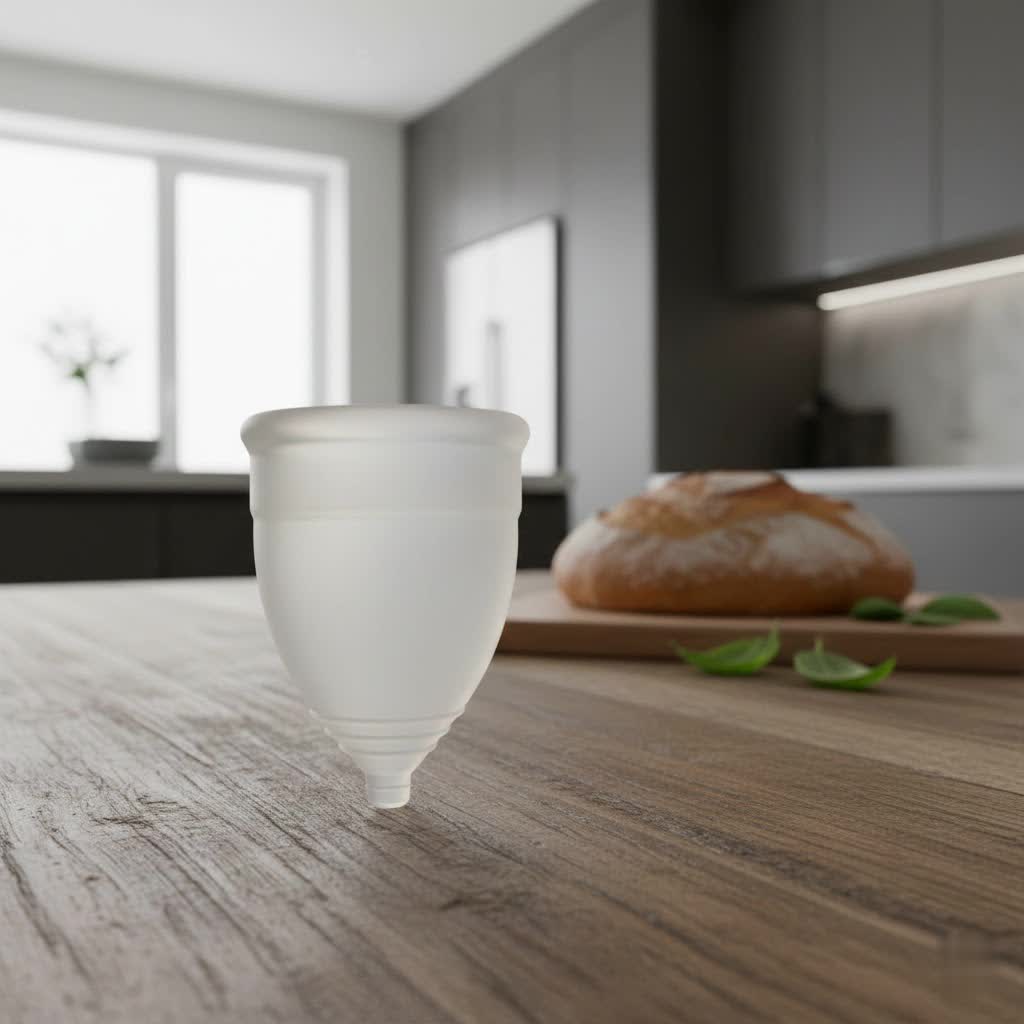
The Honey Pot Menstrual Cup is a sustainable, body-friendly alternative to traditional pads and tampons, made from 100% medical-grade A silicone. It offers up to 12 hours of protection, is reusable for years, and is free from chemicals, latex, phthalates, and BPA. This guide covers its benefits, usage, and specific details to help users make an informed decision for their menstrual health journey.
What is a Menstrual Cup?
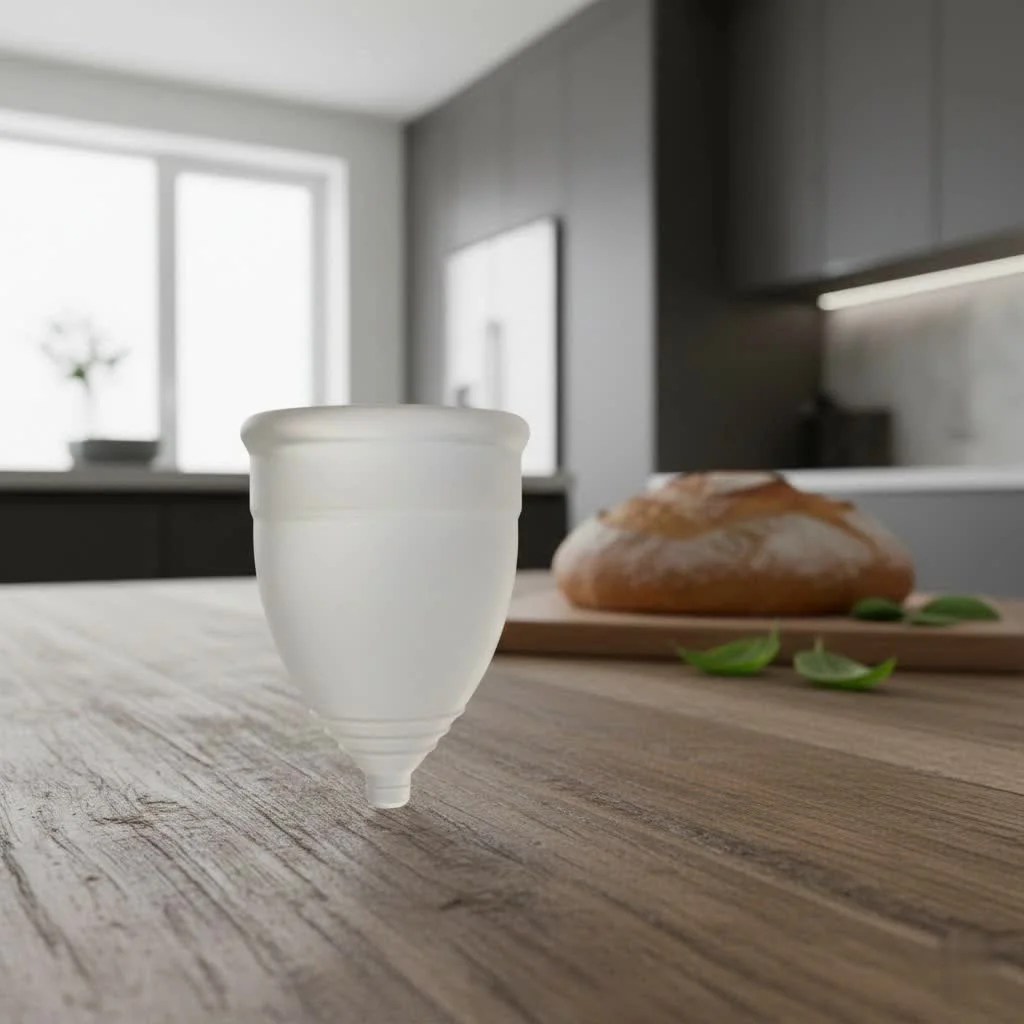
A menstrual cup is a flexible, bell-shaped device inserted into the vagina to collect menstrual fluid. Unlike tampons and pads, which absorb blood, a menstrual cup simply collects it, providing a more natural and often more comfortable experience. Most menstrual cups, including The Honey Pot’s, are crafted from medical-grade silicone, a safe and inert material suitable for internal wear.
The concept of internal menstrual collection isn’t entirely new, with early prototypes dating back to the 1930s. However, modern menstrual cups have significantly evolved in design, material, and user-friendliness, gaining widespread popularity in recent decades as awareness of environmental impact and personal health grows.
Compared to traditional sanitary products, menstrual cups offer distinct advantages. They are reusable, drastically reducing waste generated by disposable pads and tampons. They also tend to be more economical in the long run, as a single cup can last for years with proper care. Because they collect rather than absorb, they don’t cause the vaginal dryness sometimes associated with tampons, and they allow users to gain a better understanding of their flow volume. While the initial learning curve for insertion and removal can be a challenge for some, many users find the benefits far outweigh this initial hurdle, reporting increased comfort and confidence during their periods.
Understanding Menstrual Cup Materials
The material of a menstrual cup is crucial for both comfort and safety. The most common materials are medical-grade silicone, natural rubber (latex), and Thermoplastic Elastomer (TPE).
Medical-Grade Silicone: This is the most prevalent material used for menstrual cups, known for its safety, durability, and hypoallergenic properties. It’s non-porous, making it easy to clean and less likely to harbor bacteria. Silicone cups are typically soft and flexible, adapting well to your body’s internal shape.
Natural Rubber (Latex): Some menstrual cups are made from natural rubber, which is biodegradable and can be very soft. However, latex can be an allergen for many individuals, making it unsuitable for those with sensitivities.
Thermoplastic Elastomer (TPE): TPE is a type of plastic that offers flexibility and can be a more affordable alternative to silicone. While generally safe, TPE cups might not have the same longevity or ease of cleaning as medical-grade silicone cups.
Comparison of Menstrual Cup Materials
|
Our Picks for the Best Menstrual Cup in 2026
We may earn a commission when you use one of our links to make a purchase.
|
||
| Num | Product | Action |
|---|---|---|
| 1 | Menstrual Cups with Collapsible Storage Cup, Leak-Proof Design with Medical Grade Silicone Period Cups Reusable, Tampon and Pad Alternative,for Light Flow and Heavy Flow Large+Small |

|
| 2 | EcoBlossom Reusable Menstrual Cup Set - The Most Reliable Medical Grade Silicone Period Cups - Comfortably use for 12 Hours (Small & Large) |
|
| 3 | Shordy Reusable Menstrual Cup Set of 2 (Small & Large) Soft Medical-Grade Silicone Period Cups Easy Removal Ribbed Stem, 12-Hour Leakproof Comfort Copa Menstrual – Alternative to Pads, Tampons & Disc |
|
| 4 | Venus Menstrual Cup (Period Cup for Women) - Best for Heavy Flow - 12 Hours Leak-Free Protection - 100% Medical-Grade Silicone Reusable Cup - Unique Design to Ease Your Period Cycle - Large |
|
| 5 | Saalt Soft Menstrual Cup – Reusable Period Cup – Made for Comfortable, Leak-Free Protection Up to 12 Hours – BPA & Latex Free – Includes Cup & Carry Bag (Regular, Mountain Iris) |
|
| 6 | Pixie Cup - Soft, Safe, Reusable Menstrual Cup - Ranked 1 for The Best Tampon Alternative - 100% Medical-Grade Silicone Period Cup for Feminine Care - Buy One We Give One (Large) |
|
| 7 | Pixie Menstrual Cup Kit - Best Period Cup Starter Kit for Feminine Care - Proven to Be What You Need to Become A Successful Cup User - 100% Medical-Grade Silicone - Tampon Alternative |
|
| 8 | Menstrual Cup Steamer Sterilizer with 2 Reusable Menstrual Cups, Period Cups Cleaner Wash Kit |
|
| 9 | Saalt Soft Menstrual Cup – Reusable Period Cup – Made for Comfortable, Leak-Free Protection Up to 12 Hours – BPA & Latex Free – Includes Cup & Carry Bag (Small, Desert Blush) |
|
| 10 | EcoBlossom Reusable Menstrual Cup and Case - The Most Reliable Medical Grade Silicone Period Cups - Comfortably use for 12 Hours (Large (Pack of 2), Gray Cup & Case) |
|
| Feature | Medical-Grade Silicone | Natural Rubber (Latex) | TPE |
|---|---|---|---|
| Advantages | Safe, durable, easy to clean, hypoallergenic | Eco-friendly, soft | More affordable, flexible |
| Disadvantages | Higher initial cost | Allergy risk for some, less durable than silicone | Less durable than silicone, can sometimes be harder to clean |
The Honey Pot Menstrual Cup: Specifics and Considerations
The Honey Pot Company, a black-owned and natural feminine care brand, offers its own menstrual cup designed with a focus on holistic wellness.
Material and Safety: The Honey Pot Menstrual Cup is made from 100% medical-grade A silicone. This ensures it is free from chemicals, latex, phthalates, and BPA, making it a hypoallergenic and body-safe option for many users. This non-porous material contributes to its ease of cleaning and overall hygiene.
Sizes and Flow: The Honey Pot Menstrual Cup is available in two sizes:
- Size 1: Recommended for those with a light-to-medium flow, generally under 30 years old, or who have not given birth.
- Size 2: Recommended for those with a medium-to-heavy flow, typically over 30 years old, or who have given birth. These are general guidelines. Individual factors like cervical height and pelvic floor strength play a significant role in determining the best fit.
Design Elements: The Honey Pot cup features a stem, air holes, a rim, and grip rings, all designed to aid in proper placement and removal. Feedback on the stem varies; some users find it firm and long, which can be helpful for removal, while others find its firmness or lack of grippiness challenging. The cup is also noted for its flared top, which some users appreciate for security.
Benefits of The Honey Pot Cup: Many users are drawn to The Honey Pot Menstrual Cup due to its affordability compared to other reputable brands, making it an accessible option for those new to menstrual cups. Its widespread availability in major retailers like Target and Walmart also contributes to its appeal. The brand’s mission to provide natural feminine care products resonates with consumers seeking cleaner alternatives.
Potential Challenges with The Honey Pot Cup: While many experience success, some users have reported challenges with The Honey Pot cup. Common feedback includes the stem being uncomfortable or difficult to grasp for removal, and the overall firmness of the silicone being too rigid for some, potentially leading to discomfort or difficulty forming a proper seal. A few users with very heavy flows have also reported leakage with Size 1, suggesting that proper sizing for flow volume is critical.
How to Choose the Right Menstrual Cup Size
Selecting the correct menstrual cup size is paramount for comfort and leak-free protection. While The Honey Pot provides guidelines, understanding your body’s unique anatomy is key.
Key Factors Influencing Size:
- Age and Parity (Birth History): These are often general indicators of pelvic floor strength and vaginal canal changes. As mentioned, Honey Pot’s sizing typically aligns with this.
- Flow Volume: A heavier flow often necessitates a cup with a larger capacity to avoid frequent emptying.
- Cervical Height: Your cervix position can change throughout your cycle. A higher cervix may require a longer cup or stem, while a low cervix might need a shorter cup to prevent it from protruding. You can typically feel your cervix with a clean finger; its height determines how much space is available for the cup.
- Pelvic Floor Strength: Stronger pelvic floor muscles might allow for a softer cup, while weaker muscles may benefit from a firmer cup to ensure it opens fully.
Guidance for Beginners: If you’re new to menstrual cups, consider starting with a size that aligns with your flow and current life stage. Given some user feedback on The Honey Pot cup’s firmness, some beginners might find a slightly softer cup from another brand easier to insert and adjust to initially. However, many successfully start with The Honey Pot cup by taking their time to learn insertion and removal techniques.
Mastering Menstrual Cup Usage
Using a menstrual cup effectively requires practice, but with the right technique, it quickly becomes second nature.
Preparation:
- Sterilize: Before the very first use, and between each cycle, sterilize your menstrual cup by boiling it in water for 5-7 minutes. Ensure the cup is fully submerged and doesn’t touch the bottom of the pot.
- Wash Hands and Cup: Before every insertion and removal, wash your hands thoroughly with soap and water. Clean your cup with a pH-balanced or mild, fragrance-free soap and warm water.
Insertion Techniques: Find a comfortable position (squatting, sitting on the toilet, or standing with one leg raised). There are several popular folds to make insertion easier:
- C-Fold (or U-Fold): Flatten the cup and fold it in half to create a ‘C’ or ‘U’ shape.
- Punch-Down Fold: Push one side of the rim down into the cup to create a smaller, pointed insertion tip. Many find this the smallest point for insertion.
- 7-Fold: Flatten the cup, then fold one corner down to the opposite side to create a ‘7’ shape. Insert the folded cup rim-first into your vagina, aiming towards your tailbone rather than straight up. Once inside, release the fold and allow the cup to pop open, forming a seal against your vaginal walls. You can check the seal by running a finger around the base of the cup to ensure it’s fully open, or by gently twisting it.
Confident Removal: This is often the trickiest part for new users, especially if the cup creates a strong seal or rides high.
- Relaxation is Key: Tense muscles make removal harder. Take a few deep breaths and relax your pelvic floor.
- Reach the Base: Gently bear down with your pelvic muscles (like having a bowel movement) and reach for the stem. Don’t pull the stem directly.
- Break the Seal: Once you can reach the base of the cup, pinch it to release the suction seal. You might hear a slight ‘pop’ or feel the seal break.
- Gentle Removal: With the seal broken, gently wiggle the cup out, keeping it upright to avoid spills. Empty the contents into the toilet.
Cleaning and Storage: After emptying, rinse your cup with cold water to prevent staining, then wash it with a pH-balanced or mild, fragrance-free soap and warm water before reinserting. Between cycles, after sterilization, store your clean, dry cup in its breathable pouch, not in an airtight container.
Where to Purchase The Honey Pot Menstrual Cup
The Honey Pot Menstrual Cup is widely available, making it convenient to purchase. You can find it on The Honey Pot Company’s official website, as well as through major online and brick-and-mortar retailers like Target, Walmart, and iHerb.
When purchasing, always ensure you are buying from a reputable vendor to guarantee product authenticity and quality. Check return policies, as menstrual hygiene products typically have strict return guidelines. Considering online reviews can also offer insights into buying experiences with different retailers.
Conclusion
Embracing a menstrual cup, particularly The Honey Pot Menstrual Cup, marks a significant step towards a more sustainable, comfortable, and conscious period experience. Made from 100% medical-grade silicone and designed for up to 12 hours of protection, it offers an eco-friendly and cost-effective alternative to traditional products. While the journey to mastering cup usage may require patience, the benefits of reduced waste, enhanced comfort, and a deeper connection to your body’s natural rhythms are truly empowering. By understanding your body’s needs and following proper care instructions, you can confidently integrate this innovative solution into your self-care routine.
Frequently Asked Questions
Is The Honey Pot menstrual cup good for beginners?
The Honey Pot Menstrual Cup can be a good option for beginners, especially given its affordability and widespread availability. However, some new users might find its firmer silicone and stem design a bit challenging initially compared to softer cups. Patience and practicing insertion and removal techniques are key for a successful experience.
How often should I clean my Honey Pot menstrual cup?
You should empty and rinse your Honey Pot menstrual cup at least every 12 hours, washing it with a pH-balanced or mild, fragrance-free soap and warm water before reinsertion. Between cycles, it’s essential to sterilize your cup by boiling it for 5-7 minutes.
Can I wear The Honey Pot menstrual cup overnight?
Yes, The Honey Pot Menstrual Cup is designed for up to 12 hours of continuous wear, making it safe and suitable for overnight use. Its capacity is often greater than that of a super-absorbent tampon, offering reliable protection throughout the night.
What if I can’t remove my Honey Pot menstrual cup?
If you have difficulty removing your cup, the most important steps are to relax your muscles and break the suction seal. Squatting can help shorten the vaginal canal. Gently bear down with your pelvic floor muscles, reach for the base of the cup, and pinch it firmly to release the seal. If you continue to struggle, seek advice from a healthcare professional.
What is The Honey Pot menstrual cup made of?
The Honey Pot Menstrual Cup is made from 100% medical-grade A silicone. This material is chosen for its safety, flexibility, durability, and hypoallergenic properties, ensuring it is free from chemicals, latex, phthalates, and BPA.
Frequently Asked Questions
Is The Honey Pot menstrual cup good for beginners?
The Honey Pot Menstrual Cup can be a good option for beginners due to its affordability and widespread availability. However, some new users might find its firmer silicone and stem design challenging initially. Patience and practicing insertion and removal techniques are crucial for a successful experience.
How often should I clean my Honey Pot menstrual cup?
You should empty and rinse your Honey Pot menstrual cup at least every 12 hours, washing it with a pH-balanced or mild, fragrance-free soap and warm water before reinsertion. Between cycles, it's essential to sterilize your cup by boiling it for 5-7 minutes.
Can I wear The Honey Pot menstrual cup overnight?
Yes, The Honey Pot Menstrual Cup is designed for up to 12 hours of continuous wear, making it safe and suitable for overnight use. Its capacity is often greater than that of a super-absorbent tampon, offering reliable protection throughout the night.
What if I can't remove my Honey Pot menstrual cup?
If you have difficulty removing your cup, relax your muscles and break the suction seal. Squatting can help shorten the vaginal canal. Gently bear down with your pelvic floor muscles, reach for the base of the cup, and pinch it firmly to release the seal. If you continue to struggle, seek advice from a healthcare professional.
What is The Honey Pot menstrual cup made of?
The Honey Pot Menstrual Cup is made from 100% medical-grade A silicone. This material is chosen for its safety, flexibility, durability, and hypoallergenic properties, ensuring it is free from chemicals, latex, phthalates, and BPA.
Mastering Menstrual Cup Usage
Using a menstrual cup effectively requires practice, but with the right technique, it quickly becomes second nature for comfortable and leak-free protection.
Before first use and between cycles, sterilize your cup by boiling it in water for 5-7 minutes, ensuring it's fully submerged. Before each insertion and removal, wash your hands thoroughly and clean your cup with a pH-balanced, mild, fragrance-free soap and warm water.
Find a comfortable position, such as squatting or sitting on the toilet. Fold the cup using a C-Fold, Punch-Down Fold, or 7-Fold to create a smaller insertion tip. Insert the folded cup rim-first into your vagina, aiming towards your tailbone. Once inside, release the fold and allow the cup to pop open, forming a seal against your vaginal walls.
Relax your pelvic floor muscles and gently bear down to help lower the cup. Reach for the base of the cup, pinch it firmly to release the suction seal, and then gently wiggle the cup out, keeping it upright to avoid spills. Empty the contents into the toilet.
After emptying, rinse your cup with cold water to prevent staining, then wash it with a pH-balanced or mild, fragrance-free soap and warm water before reinserting. Between cycles, after sterilization, store your clean, dry cup in its breathable pouch, not in an airtight container.
Get our weekly buyer guide
Practical specs, not advice. Unsubscribe anytime.

I’ve been using the Honey Pot Menstrual Cup for about six months now, and it’s been a game-changer. The 12-hour protection is amazing, especially on my heavier days, and I love that it’s made from medical-grade silicone. It’s so much more comfortable than tampons, and I feel good about using a product that’s free from all those harsh chemicals.
I was a bit hesitant to switch to a menstrual cup, but the Honey Pot one has really impressed me. It took a couple of cycles to get the hang of insertion, but now it’s super easy. I appreciate that it’s reusable for years, which saves a lot of money and is better for the environment. Definitely a solid choice for anyone looking to make the switch.
The Honey Pot cup is pretty good overall. I like that it’s BPA-free and doesn’t have latex, which is important for me since I have some sensitivities. My only minor complaint is that sometimes I feel like the stem is a little long, even after trimming it. It’s not a dealbreaker, but it’s something I notice.
I’m all about sustainable products, and the Honey Pot Menstrual Cup fits right in. Knowing it’s a body-friendly alternative and collects fluid instead of absorbing it makes so much sense. It’s been a much more natural and comfortable experience for me, and I’m glad I finally made the investment.