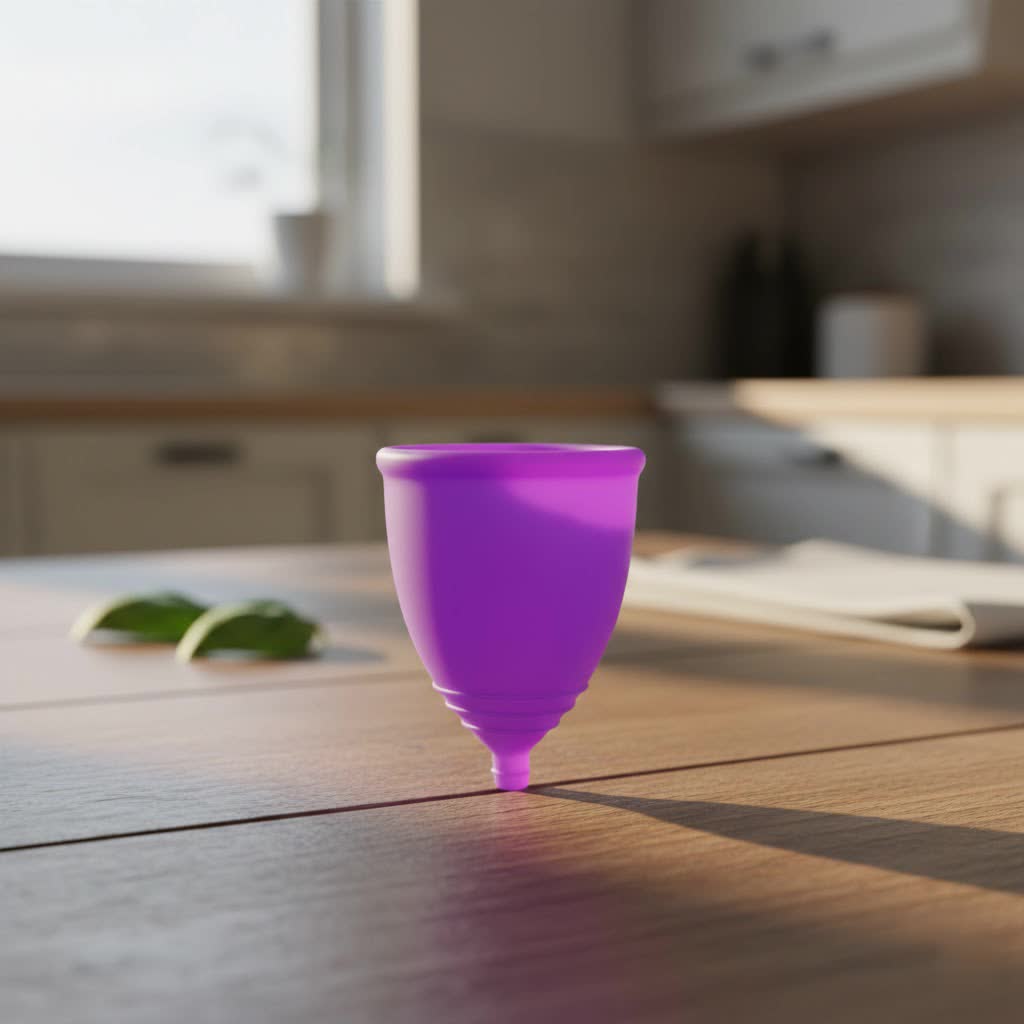
Are you tired of menstrual products that just don’t fit right, causing discomfort, leaks, or constant worry? For many, the journey to a comfortable and sustainable period can be a challenging one, especially when navigating unique anatomical considerations. If you have a low cervix, you might find that standard menstrual cups aren’t quite the right solution. But don’t despair! The world of low cervix menstrual cups offers a fantastic array of options designed specifically for your needs, promising a more comfortable, secure, and eco-friendly period experience. This comprehensive guide will help you understand what a low cervix means for menstrual cup users, how to find your perfect fit, and master the art of using these innovative period products.
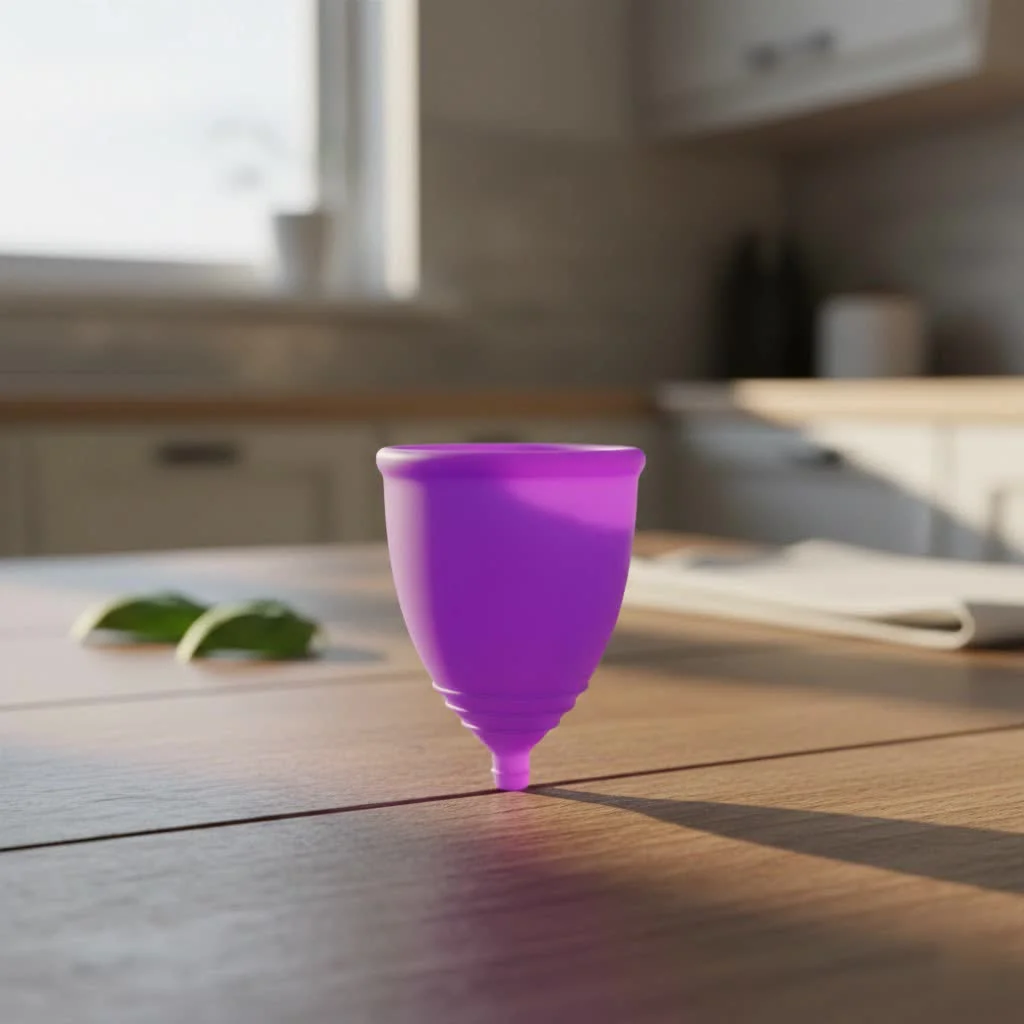
Understanding Your Anatomy: What is a Low Cervix?
Before diving into menstrual cup specifics, let’s understand your unique anatomy. Your cervix is the lower, narrow part of your uterus that connects to the vagina. Its position can fluctuate throughout your menstrual cycle due to hormonal changes, but for some individuals, it consistently sits lower in the vaginal canal than average. Generally, a low cervix is defined as being 45 millimeters (approximately 1.75 inches) or less from the vaginal opening. During menstruation, the cervix typically sits lower and feels firmer as it slightly opens to allow blood flow. Knowing your cervix height is crucial for selecting the right menstrual cup, as a cup that is too long can cause discomfort or improper sealing.
How to Measure Your Cervix Height
Measuring your cervix height might sound intimidating, but it’s a simple process you can do at home. The best time to measure is during your period, as this is when your cervix will be at its lowest position.
Here’s a step-by-step guide:
- Wash Your Hands Thoroughly: Ensure your hands are clean to prevent introducing bacteria.
- Find a Comfortable Position: Squatting, sitting on the toilet, or standing with one leg raised on the toilet seat can help you reach your cervix easily.
- Insert Your Finger: Gently insert one clean finger (usually your longest, the middle finger) into your vagina.
- Feel for Your Cervix: Your cervix will feel like a firm, round, smooth or slightly dimpled tip, similar to the tip of your nose.
- Note the Depth: Once you touch your cervix, remove your finger and note how much of it was inserted.
- If you can reach your cervix by your first knuckle, you likely have a low cervix.
- If you reach it by your second knuckle or deeper, you have an average or high cervix.
Repeat this process a few times throughout your period to get an accurate understanding of your lowest cervix height.
Menstrual Cups 101: A Quick Overview
Menstrual cups are reusable, bell-shaped devices, typically made of medical-grade silicone, that are inserted into the vagina to collect menstrual fluid. Unlike pads or tampons, which absorb fluid, cups collect it, making them an eco-friendly and cost-effective alternative. They can be worn for up to 12 hours, depending on your flow, offering freedom and peace of mind.
While menstrual cups offer numerous benefits – from reducing waste to saving money – finding the right fit is paramount. For individuals with a low cervix, a standard-length menstrual cup can be too long, potentially causing the stem to protrude, lead to discomfort, or even sit improperly, resulting in leaks or a feeling of pressure. This is precisely where specialized low cervix menstrual cups come into play.
Choosing the Right Low Cervix Menstrual Cup
Selecting the perfect low cervix menstrual cup involves considering several key features designed to accommodate a shorter vaginal canal. It’s not just about getting a “small” cup, but specifically a shorter one.
Key Features to Look For:
|
Our Picks for the Best Menstrual Cup in 2026
As an Amazon Associate I earn from qualifying purchases.
|
||
| Num | Product | Action |
|---|---|---|
| 1 | Menstrual Cups with Collapsible Storage Cup, Leak-Proof Design with Medical Grade Silicone Period Cups Reusable, Tampon and Pad Alternative,for Light Flow and Heavy Flow Large+Small |

|
| 2 | Saalt Soft Menstrual Cup – Reusable Period Cup – Made for Comfortable, Leak-Free Protection Up to 12 Hours – BPA & Latex Free – Includes Cup & Carry Bag (Small, Desert Blush) |
|
| 3 | EcoBlossom Reusable Menstrual Cup and Case - The Most Reliable Medical Grade Silicone Period Cups - Comfortably use for 12 Hours (Large (Pack of 2), Gray Cup & Case) |
|
| 4 | Shordy Reusable Menstrual Cup Set of 2 (Small & Large) Soft Medical-Grade Silicone Period Cups Easy Removal Ribbed Stem, 12-Hour Leakproof Comfort Copa Menstrual – Alternative to Pads, Tampons & Disc |
|
| 5 | Menstrual Cup Steamer Sterilizer with 2 Reusable Menstrual Cups, Period Cups Cleaner Wash Kit |
|
| 6 | Saalt Soft Menstrual Cup – Reusable Period Cup – Made for Comfortable, Leak-Free Protection Up to 12 Hours – BPA & Latex Free – Includes Cup & Carry Bag (Regular, Mountain Iris) |
|
| 7 | Pixie Menstrual Cup Kit - Best Period Cup Starter Kit for Feminine Care - Proven to Be What You Need to Become A Successful Cup User - 100% Medical-Grade Silicone - Tampon Alternative |
|
| 8 | EcoBlossom Reusable Menstrual Cup Set - The Most Reliable Medical Grade Silicone Period Cups - Comfortably use for 12 Hours (Small & Large) |
|
| 9 | Venus Menstrual Cup (Period Cup for Women) - Best for Heavy Flow - 12 Hours Leak-Free Protection - 100% Medical-Grade Silicone Reusable Cup - Unique Design to Ease Your Period Cycle - Large |
|
| 10 | Pixie Cup - Soft, Safe, Reusable Menstrual Cup - Ranked 1 for The Best Tampon Alternative - 100% Medical-Grade Silicone Period Cup for Feminine Care - Buy One We Give One (Large) |
|
- Shorter Length: This is the most critical factor. Low cervix cups are specifically engineered to be shorter, ensuring they fit comfortably without protrusion. Look for cups with a length typically under 45mm, excluding the stem.
- Trimmable or Stemless Designs: Many standard cups have stems that are too long for a low cervix, causing irritation. Low cervix cups often feature stems that can be trimmed or are designed to be entirely stemless for maximum comfort.
- Firmness Levels: Menstrual cups come in various firmnesses. Softer cups might be easier to insert and more comfortable for those with sensitive bladders or pelvic floors, while firmer cups can be easier to open and provide a more secure seal.
- Shape: While most cups are bell-shaped, some low cervix options, like the Merula OS, are more spherical or bulbous, offering higher capacity in a shorter design. Bell-shaped cups with rounded bases are generally more comfortable for a low cervix compared to V-shaped cups.
- Material: Most menstrual cups are made from medical-grade silicone, which is safe and durable. Some are made from TPE (thermoplastic elastomer), which can be a good option for those with silicone sensitivities.
Popular Low Cervix Menstrual Cup Brands & Models
The market for low cervix menstrual cups has grown, offering more choices. Here are some highly-rated options:
- MeLuna Shorty: Known for being one of the shortest cups available, the MeLuna Shorty comes in various sizes and firmness levels (Classic, Soft, Sport), making it highly customizable for different body types and needs.
- Merula OS (One Size): This uniquely spherical cup is surprisingly short at 39mm (without the ladder stem) but offers a very high capacity. Its firm yet adaptable design makes it suitable for many with a low cervix, and even high cervix users due to its long trimmable ladder stem.
- Hello Cup Low Cervix: While slightly longer than some ultra-short options (43mm and 49mm stemless), the Hello Cup Low Cervix is designed to be completely stemless and made from TPE, which molds to the body for comfort. It’s a great option for those with an “average low” cervix.
- JuJu Model 4: This firm, thick-silicone cup is specifically designed for a low cervix, with a short body.
- FemmyCycle Low Cervix: Features a unique no-spill, pull-out funnel design and a ring handle for easier removal, tailored for a short vaginal canal.
- Ruby Cup Small: While a standard-sized small cup, its stem can be fully trimmed, reducing its effective length to 46mm, making it a viable option for many with a low cervix.
Menstrual Discs as an Alternative
For some individuals with a very low cervix or those who struggle with cups, menstrual discs can be an excellent alternative. Discs sit higher in the vaginal fornix, behind the pubic bone, and collect fluid without creating suction in the vaginal canal. This means their length or position isn’t as critical as with cups, making them suitable for most cervix heights. Brands like Lumma and Saalt Disc offer reusable options.
Comparison Table: Low Cervix Menstrual Cup Options
To help you visualize the differences, here’s a brief comparison of some popular low cervix menstrual cup options:
| Feature | MeLuna Shorty | Merula OS | Hello Cup Low Cervix |
|---|---|---|---|
| Length (approx.) | 35-41 mm (without stem) | 39 mm (without stem) | 43-49 mm (stemless) |
| Shape | Classic bell | Spherical | Bell |
| Firmness | Soft, Classic, Sport | Firm | Firm (TPE molds) |
| Capacity | 8-14 ml | Up to 38 ml | Average |
| Key Feature | Highly customizable, very short | High capacity, versatile stem | Stemless, TPE material |
Mastering Insertion and Removal with a Low Cervix
Even with the perfect low cervix menstrual cup, proper technique is essential for comfort and leak-free wear.
Insertion Techniques:
- Find Your Position: Just like when measuring your cervix, squatting or sitting on the toilet can make insertion easier. Gravity is your friend!
- Choose a Fold: Experiment with different folds. The “C-fold” or “punch-down fold” are popular choices that create a smaller insertion point, which can be particularly helpful for a low cervix.
- Aim Low: With a low cervix, you generally don’t need to insert the cup as deeply as standard instructions might suggest. Aim to position it just below your cervical opening, ensuring it fully opens and creates a seal without pressing against your cervix. If the cup is too long, the stem might protrude, causing discomfort.
Removal Techniques:
- Relaxation is Key: Tension in your pelvic floor muscles can make removal difficult. Take a few deep breaths and relax your body.
- Bear Down: Gently bearing down with your pelvic floor muscles (like you’re having a bowel movement) can help bring the cup lower within your reach.
- Break the Seal: Never pull directly on the stem. Pinch the base of the cup to break the suction seal before gently wiggling and pulling it out. For stemless or very short-stemmed cups, you might need to reach further and pinch the base directly.
Cleaning and Storage:
After removal, empty the contents, rinse the cup with cold water, and wash it with a mild, unscented soap or specialized cup cleanser. Between cycles, sterilize your cup by boiling it in water for 5-10 minutes. Store it in a breathable bag (like the one it came with) in a clean, dry place.
Troubleshooting Common Low Cervix Menstrual Cup Issues
Even with the right cup, you might encounter some challenges. Don’t get discouraged – most issues are easily resolved with a little adjustment.
- Leaks: If your cup is leaking despite being fully open, it might be positioned incorrectly or your cervix might be dipping into the cup, taking up valuable capacity. Try adjusting its position slightly lower or exploring cups with different shapes that might fit better around your cervix.
- Discomfort or Cramps: This often indicates the cup is too long for your cervix, or it’s creating suction directly on your cervix. If the stem is poking you, try trimming it. If the discomfort persists, you likely need a shorter cup designed for a low cervix.
Get our weekly buyer guide
Practical specs, not advice. Unsubscribe anytime.

I’ve struggled for years with regular cups feeling too long and causing pressure, so finding this guide on low cervix cups was a game-changer. I finally tried the Saalt Small and it’s been amazing! No more discomfort or leaks, and it’s so much more comfortable than tampons. Definitely recommend measuring your cervix height like it suggests.
Seriously, if you have a low cervix, you NEED to read this. I was about to give up on cups entirely because everything felt too long and poked me. The advice on finding your perfect fit and understanding your anatomy was super helpful. I’m now using the Tampax Cup (small size) and it’s been a revelation – completely leak-free and I barely feel it.
This guide really helped me understand why my previous cup wasn’t working. I always thought I just had bad luck with cups, but realizing I have a low cervix made so much sense. I switched to the Lena Sensitive Small and while it’s a huge improvement, sometimes I still have a little trouble getting it to open fully. It’s a learning curve, but worth it for the comfort.
I appreciate the detailed info on different brands for low cervix users. I tried the Merula Cup based on a recommendation for its unique shape, but I’m finding it a bit tricky to remove. It sits really high for me even though it’s supposed to be for low cervix. I’m going to keep trying, but it’s not as easy as I hoped.