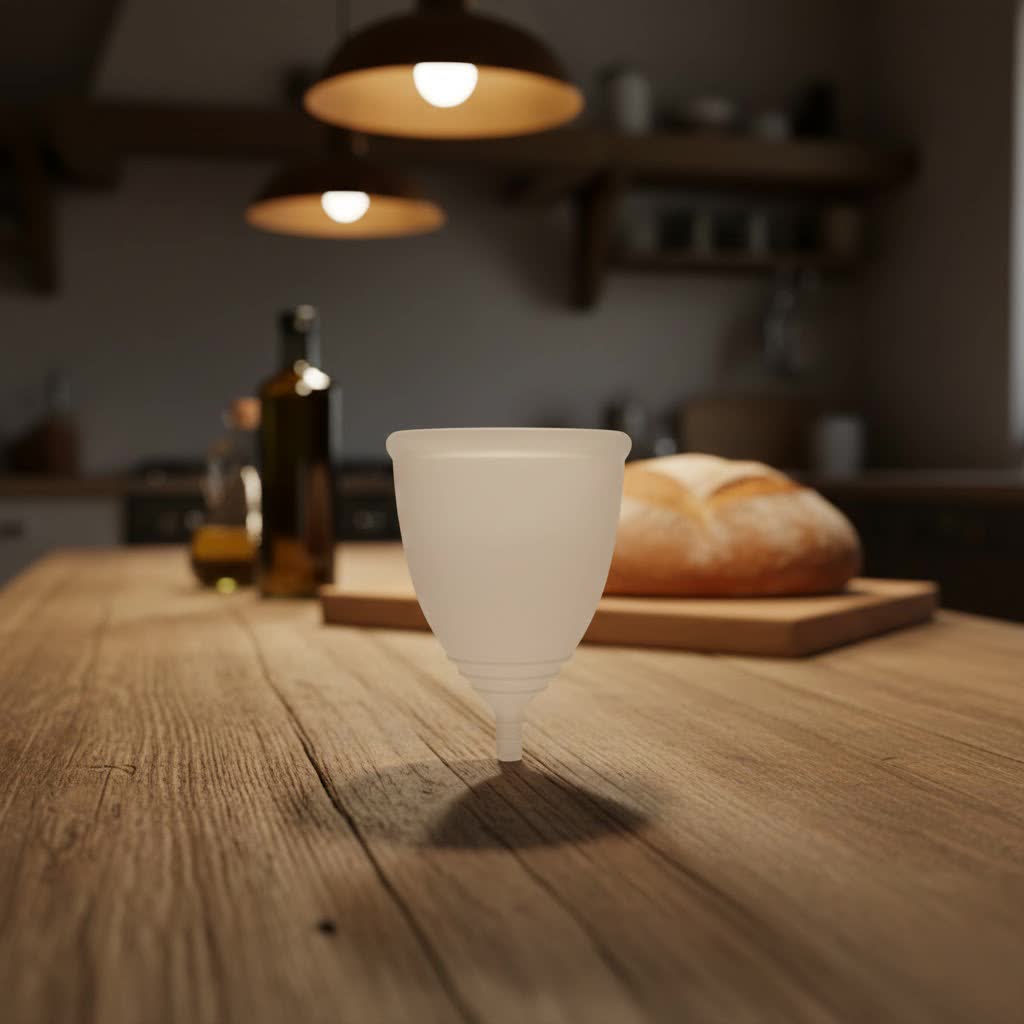
A menstrual cup is a small, flexible, bell-shaped device inserted into the vagina to collect menstrual fluid, offering a sustainable and cost-effective alternative to traditional period products. Unlike tampons and pads, which absorb fluid, cups collect it, reducing dryness and waste. The average reusable menstrual cup can last for years, saving users significant money compared to monthly purchases of disposable products.
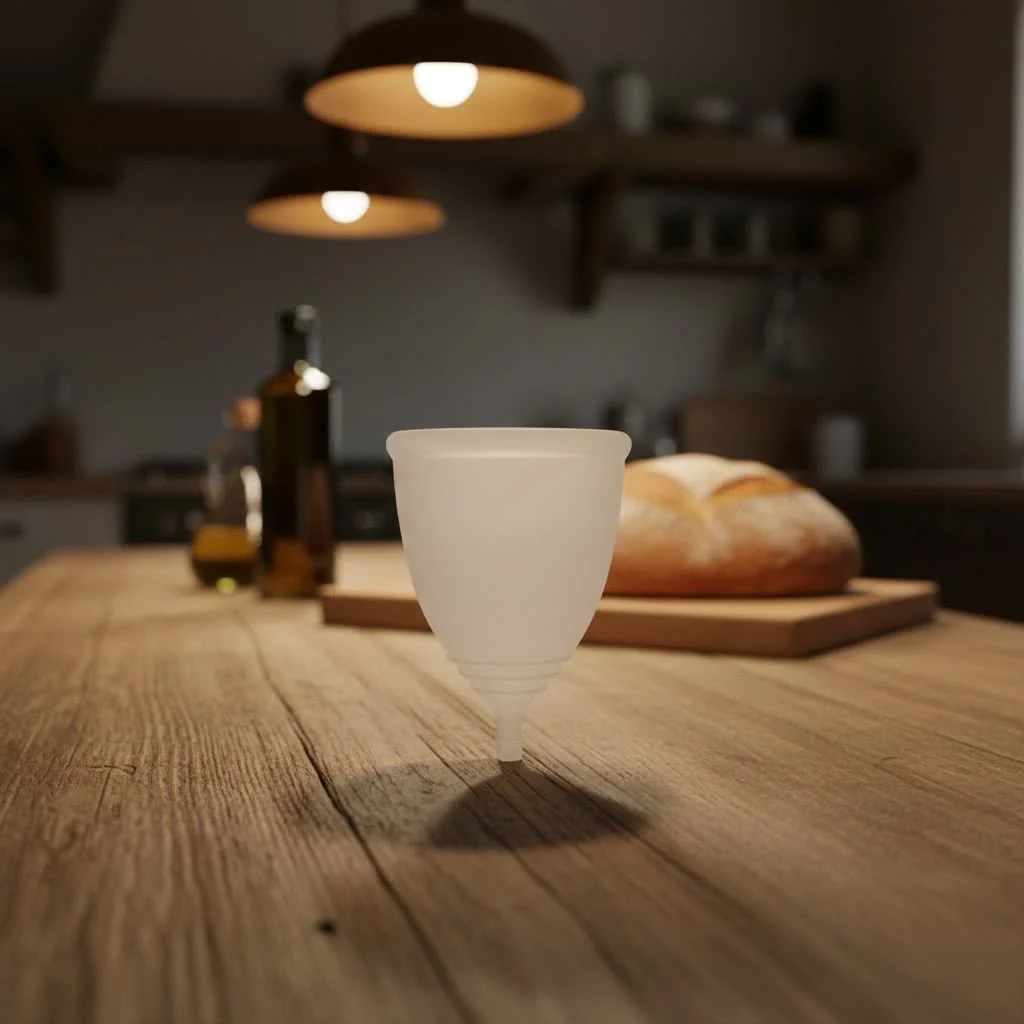
What is a Menstrual Cup?
A menstrual cup is a small, flexible, and often bell-shaped device designed for insertion into the vagina to collect menstrual fluid. Unlike traditional tampons and pads that absorb flow, the menstrual cup acts as a receptacle, gathering blood until it’s removed, emptied, and cleaned. This fundamental difference is key to its appeal and functionality.
The concept of a menstrual cup is not new, with its origins tracing back to the 19th century. Early versions, like the rubber sack attached to a ring patented in 1867, laid the groundwork. However, it was Leona Chalmers’ 1937 design that introduced the first commercially available menstrual cup, resembling the bell-shaped cups we see today. Challenges with manufacturing materials, especially rubber during World War II, hindered its widespread adoption. The early 2000s marked a resurgence, with softer, medical-grade silicone becoming the material of choice, making insertion more comfortable and acceptance more widespread.
Comparing menstrual cups to other hygiene products reveals distinct advantages. Tampons and pads are disposable, designed for single use, and absorb fluid, which can sometimes lead to dryness or irritation. Menstrual cups, conversely, collect fluid, reducing the risk of dryness and significantly cutting down on waste.
Advantages of Menstrual Cups:
- Cost-Effective: While the initial cost is higher, a reusable menstrual cup can last for years, saving significant money compared to monthly purchases of disposable products.
- Eco-Friendly: Their reusability drastically reduces landfill waste, offering a more sustainable period care option.
- Extended Wear Time: Menstrual cups can be worn for up to 12 hours, depending on your flow, providing longer protection than tampons or pads, ideal for overnight use or long days.
- Reduced Odor: Since menstrual fluid is collected internally and not exposed to air, the cup helps minimize odor.
- No Vaginal Dryness: Unlike absorbent products, menstrual cups do not interfere with the vagina’s natural moisture balance.
- Higher Capacity: Cups generally hold more fluid than tampons or pads, which can be particularly beneficial for those with heavy flows.
Disadvantages of Menstrual Cups:
- Learning Curve: New users often experience an adjustment period mastering insertion and removal techniques.
- Potential for Mess: Especially during initial attempts, removal and emptying can feel messy, particularly in public restrooms.
- Cleaning Requirements: Cups require thorough washing after each use and sanitization between cycles, which needs access to clean water.
- Fit Challenges: Finding the perfect size and shape can sometimes take trial and error, as individual anatomy varies.
- Rare Issues: Though uncommon, some users report vaginal irritation, allergic reactions (especially to latex), or, in rare cases, a potential interaction with IUDs (though studies suggest this risk is low).
Common Types of Menstrual Cups
Menstrual cups come in a variety of materials, shapes, and sizes, catering to diverse needs and preferences. Understanding these distinctions is crucial for selecting the right one.
Classification by Material:
|
Our Picks for the Best Menstrual Cup in 2026
We may earn a commission when you use one of our links to make a purchase.
|
||
| Num | Product | Action |
|---|---|---|
| 1 | Pixie Cup - Soft, Safe, Reusable Menstrual Cup - Ranked 1 for The Best Tampon Alternative - 100% Medical-Grade Silicone Period Cup for Feminine Care - Buy One We Give One (Large) |

|
| 2 | Pixie Menstrual Cup Kit - Best Period Cup Starter Kit for Feminine Care - Proven to Be What You Need to Become A Successful Cup User - 100% Medical-Grade Silicone - Tampon Alternative |
|
| 3 | Menstrual Cups with Collapsible Storage Cup, Leak-Proof Design with Medical Grade Silicone Period Cups Reusable, Tampon and Pad Alternative,for Light Flow and Heavy Flow Large+Small |
|
| 4 | Saalt Soft Menstrual Cup – Reusable Period Cup – Made for Comfortable, Leak-Free Protection Up to 12 Hours – BPA & Latex Free – Includes Cup & Carry Bag (Regular, Mountain Iris) |
|
| 5 | Menstrual Cup Steamer Sterilizer with 2 Reusable Menstrual Cups, Period Cups Cleaner Wash Kit |
|
| 6 | Venus Menstrual Cup (Period Cup for Women) - Best for Heavy Flow - 12 Hours Leak-Free Protection - 100% Medical-Grade Silicone Reusable Cup - Unique Design to Ease Your Period Cycle - Large |
|
| 7 | EcoBlossom Reusable Menstrual Cup and Case - The Most Reliable Medical Grade Silicone Period Cups - Comfortably use for 12 Hours (Large (Pack of 2), Gray Cup & Case) |
|
| 8 | Saalt Soft Menstrual Cup – Reusable Period Cup – Made for Comfortable, Leak-Free Protection Up to 12 Hours – BPA & Latex Free – Includes Cup & Carry Bag (Small, Desert Blush) |
|
| 9 | EcoBlossom Reusable Menstrual Cup Set - The Most Reliable Medical Grade Silicone Period Cups - Comfortably use for 12 Hours (Small & Large) |
|
| 10 | Shordy Reusable Menstrual Cup Set of 2 (Small & Large) Soft Medical-Grade Silicone Period Cups Easy Removal Ribbed Stem, 12-Hour Leakproof Comfort Copa Menstrual – Alternative to Pads, Tampons & Disc |
|
- Medical-Grade Silicone: This is the most prevalent material for reusable menstrual cups due to its durability, flexibility, and hypoallergenic properties. Silicone cups are generally safe, easy to clean, and can last for up to a decade with proper care.
- Natural Rubber (Latex): Some cups are made from natural rubber, which is biodegradable. However, individuals with latex allergies should avoid these.
- TPE (Thermoplastic Elastomer): TPE is another flexible and often more affordable material. While it offers good comfort, its durability might not match that of silicone cups.
Classification by Shape:
While most classic menstrual cups are bell-shaped, variations exist to accommodate different anatomies and preferences:
- V-Shape: Tapering gradually from the rim, this is a widely popular design.
- Bell-Shape: Rounder and flaring out from the rim, longer than it is wide.
- Round-Shape: Wider than long, with the widest point below the rim.
- Asymmetrical-Shape: Features a slanted edge designed to sit at a specific angle under the cervix.
It’s also important to distinguish menstrual cups from menstrual discs. Discs are typically ring-shaped with a flexible rim and a soft, collapsible center. They sit higher in the vaginal fornix and are held in place by hooking behind the pubic bone, rather than relying on suction like cups. Some discs are reusable, while others are disposable. A notable advantage of discs is that some can be worn during penetrative sex.
Classification by Size:
Menstrual cups are generally available in small and large sizes, with some brands offering “teen” or “extra-large” options. The recommended size often depends on several factors:
- Small: Typically recommended for individuals with a light to medium flow, those under 30, or those who have not given birth vaginally.
- Large: Often suggested for individuals with a medium to heavy flow, those over 30, or those who have given birth vaginally.
Bell-shaped cups require a more precise fit to ensure comfort and prevent leaks, whereas many ring-shaped menstrual discs are designed to be more “one-size-fits-most” (often around 60-70mm diameter) due to their flexible nature and placement.
Menstrual Cup Comparison Table
| Feature | Medical-grade Silicone | Natural Rubber (Latex) | TPE (Thermoplastic Elastomer) |
|---|---|---|---|
| Pros | Safe, durable, easy to clean, hypoallergenic, long lifespan (up to 10 years) | Biodegradable, natural | Softer, flexible, can be cheaper |
| Cons | Higher initial cost | Allergy risk (latex), hardens over time | Less durable than silicone, may not last as long |
| Commonality | Most common | Less common due to allergies | Growing in popularity |
Guide to Choosing Your Menstrual Cup Size
Selecting the right menstrual cup size is paramount for both comfort and leak-free protection. Several factors play a role in this decision.
Factors Influencing Size Selection:
- Menstrual Flow: This is often the primary consideration. Smaller cups are designed to handle lighter to moderate flows, while larger cups offer more capacity for heavier periods. Choosing a cup with adequate capacity reduces the frequency of emptying.
- Age: While not a strict rule, general guidelines often suggest smaller cups for individuals under 30 and larger cups for those over 30, especially if they haven’t given vaginal birth. This is partly due to changes in pelvic floor muscle tone over time.
- Vaginal Births: Having given birth vaginally typically necessitates a larger cup. The birthing process can stretch and relax the vaginal muscles, meaning a larger diameter cup may offer a better seal and fit.
- Cervix Height: The position of your cervix can significantly impact the ideal cup length. Your cervix position can vary throughout your cycle, usually sitting lowest on the first day of your period. A cup that is too long for a low cervix can be uncomfortable or difficult to insert, while one that is too short for a high cervix might be hard to reach for removal.
- Pelvic Floor Strength: Strong pelvic floor muscles can provide good support for a menstrual cup, potentially allowing for a softer or smaller cup. Weaker pelvic floor muscles might benefit from a firmer cup that maintains its shape better to create a consistent seal.
How to Measure Cervix Height:
To determine your cervix height, which is a crucial factor in choosing cup length:
- Wash your hands thoroughly with soap and water.
- Insert a clean finger (usually your longest finger) into your vagina.
- Feel for your cervix. It typically feels like the tip of your nose – firm, round, and slightly textured. It might be high (difficult to reach), average (reachable at your middle knuckle), or low (reachable at your first knuckle).
- Note the position. This measurement, taken during your period when your cervix is typically at its lowest, will guide you in selecting a cup length.
Advice for New Users:
If you are new to menstrual cups, it’s often advisable to start with a smaller size, even if other factors suggest a larger one. A smaller cup can be easier to insert and remove while you get accustomed to the process. You can always try a different size or brand if your first choice doesn’t feel right. Experimenting with different folding techniques can also make insertion more comfortable. Don’t be discouraged if it takes a few cycles to find your perfect fit and technique.
How to Use a Menstrual Cup
Using a menstrual cup successfully is a skill that improves with practice. Here’s a step-by-step guide to help you master it.
Step 1: Preparation
Always begin with clean hands. Wash them thoroughly with soap and water to prevent introducing bacteria. For easier insertion, you can wet the rim of the cup with water or apply a thin layer of water-based lubricant. If it’s your first time using a new cup, sterilize it by boiling it in water for a few minutes before its initial use.
Step 2: Folding the Menstrual Cup
Folding the cup correctly is essential for comfortable insertion. There are several popular folds to try:
- The C-Fold (or U-Fold): Flatten the cup and then fold it in half to create a ‘C’ or ‘U’ shape. This is a common and often effective fold.
- The 7-Fold: Press the cup flat, then fold one corner of the rim down towards the opposite base, forming a ‘7’ shape. This can create a narrower insertion point.
- The Punch-Down Fold: Push one side of the rim down into the cup itself. This creates a small, pointed insertion tip.
Experiment with these folds to find which one works best for your body.
Step 3: Insertion
Find a comfortable position; squatting, sitting on the toilet, or standing with one leg raised can be helpful. Keeping the cup folded, gently slide it into your vagina, rim-first, aiming towards your tailbone rather than straight up. The vaginal canal is slightly slanted, so a 45-degree angle often works best.
Once the cup is mostly inside, release the fold and allow it to spring open. You might need to rotate it slightly, gently pull on the stem, or flex your pelvic floor muscles to help it fully open and create a seal against your vaginal walls. A properly inserted cup should not cause pain or discomfort, and you shouldn’t be able to feel it. If it feels uncomfortable, remove it and try again.
Step 4: Removal
After up to 12 hours of wear, or when full, it’s time for removal. Again, wash your hands thoroughly. Get into a comfortable position. Never pull directly on the stem, as this can create strong suction and cause discomfort or pain. Instead, insert your thumb and index finger into your vagina to reach the base of the cup. Gently pinch the base to break the seal. While still pinching, slowly and gently pull the cup out, keeping it upright to avoid spills. Empty the contents into the toilet.
Step 5: Cleaning and Storage
- During your period: After each removal and emptying, rinse your menstrual cup with clean water and wash it with a mild, fragrance-free soap. It’s crucial to use fragrance-free soap to avoid irritation. Rinse thoroughly to remove any soap residue.
- Between periods: At the end of your menstrual cycle, clean your cup as usual, then sanitize it. The most common method is to boil it in a pot of water for a few minutes (typically 5-10 minutes). This helps eliminate any bacteria.
- Storage: After sanitizing, allow the cup to cool and air dry completely. Store it in a breathable pouch or container, usually provided with the cup, in a cool, dry place like a drawer. Avoid airtight containers, as they can trap moisture and encourage bacterial growth.
Where to Buy a Menstrual Cup?
The growing popularity of menstrual cups means they are widely accessible, both online and in physical stores. Knowing where to look and what to consider can help you make an informed purchase.
Reputable Menstrual Cup Brands:
While specific brand recommendations might be subjective, focusing on brands known for quality and safety is key. Look for brands that clearly state their products are made from medical-grade silicone or other body-safe materials and comply with relevant health regulations in your region. Reputable brands often have transparent information about their manufacturing processes and customer support.
Online vs. Offline Shopping:
- Online Retailers: Shopping online offers a vast selection of brands, sizes, and styles, often accompanied by detailed product descriptions and extensive customer reviews. This allows for thorough research and comparison before making a decision. You can often find niche brands or specific features that might not be available locally.
- Offline Stores: Many drugstores, pharmacies, and even larger supermarkets now stock menstrual cups. Buying offline provides the convenience of immediate purchase and the ability to physically examine the product packaging (though you cannot inspect the cup itself). However, the selection might be more limited compared to online options.
Important Considerations When Purchasing:
- Material: If you have known allergies, particularly to latex, always opt for a cup made from medical-grade silicone.
- Size: Refer to the guide on choosing your size. Many brands offer a sizing chart based on factors like age, flow, and vaginal birth history.
- Brand Reputation: Research customer reviews and testimonials. Look for consistent positive feedback regarding comfort, durability, and effectiveness.
- Price: Menstrual cups range in price, typically between $20-$40 USD for a reusable cup. While it’s an upfront investment, the long-term savings. Be wary of extremely cheap products that may compromise on material quality.
- Return Policy: Due to the personal nature of the product, menstrual cups are typically not returnable once opened. This reinforces the importance of thorough research before purchase.
Guide to Purchasing a Menstrual Cup
Making the switch to a menstrual cup is a personal journey, and a thoughtful purchasing process ensures you find the best fit for your body and lifestyle.
1. Determine Your Personal Needs:
- Flow Intensity: Accurately assess your typical menstrual flow (light, medium, heavy). This directly impacts the required cup capacity.
- Cervix Height: As discussed, measuring your cervix height is crucial for selecting a cup of appropriate length.
- Vaginal Birth History: This is a key factor in determining the required cup diameter or firmness.
- Pelvic Floor Strength: Consider if your pelvic floor muscles are strong or relaxed, as this can influence the firmness and size of cup that will stay securely in place.
- Lifestyle: Active individuals or those who travel frequently might prioritize specific features like a firmer cup for sports or one that is easy to clean on the go.
- IUD Presence: If you have an IUD, consult your healthcare provider. While generally safe, some manufacturers advise caution, and a doctor can provide personalized advice.
2. Research Brands and Products:
With numerous brands on the market, take time to compare options. Look for detailed information on:
- Materials used: Confirm medical-grade silicone or other body-safe elastomers.
- Dimensions: Check the length (excluding the stem), diameter, and capacity in milliliters.
- Firmness: Some brands specify the firmness of their cups (soft, medium, firm), which can impact comfort and ease of opening.
- Stem type: Stems can be solid, hollow, or ring-shaped. Some prefer to trim the stem for comfort.
- Unique Features: Some cups have special designs for easier removal (e.g., removal loops on discs) or different rim shapes.
3. Read User Reviews:
Online reviews from other users are invaluable. They offer real-world insights into:
- Comfort and fit: How the cup feels for different body types.
- Ease of use: Feedback on insertion and removal.
- Leakage experience: Common issues and solutions reported by users.
- Durability and cleaning: How the cup holds up over time and cleaning routines.
Look for reviews that match your body type or flow intensity for the most relevant insights.
4. Compare Prices and Choose a Reputable Seller:
While cost-effectiveness is a major benefit, prioritize quality and safety over the lowest price. Purchase from established brands or trusted retailers. Be wary of unbranded cups or those with suspiciously low prices, as material quality might be compromised. The initial investment in a quality cup will pay off significantly in the long run.
Finding your perfect menstrual cup may involve a bit of experimentation. Be patient with yourself, embrace the learning process, and don’t hesitate to seek advice from healthcare professionals if you have specific concerns.
“A menstrual cup is an empowering choice for those seeking a period product that aligns with their values of health, sustainability, and personal freedom.” – Dr. Elena Petrova, Women’s Health Advocate
Conclusion
The menstrual cup stands as an innovation in women’s health, offering a compelling alternative to traditional period products. Its numerous benefits, from being a sustainable and cost-effective option to providing longer-lasting and often more comfortable protection, underscore its growing appeal. While there may be an initial learning curve, the journey to mastering your menstrual cup is one that often leads to a profound sense of empowerment and a deeper connection with your body. By carefully considering factors like material, size, and personal needs, and by embracing the process of learning, you can unlock a world of unparalleled comfort and environmental consciousness.
Frequently Asked Questions
Is a menstrual cup painful?
Generally, a menstrual cup should not be painful once you’ve learned to insert and position it correctly. Initial discomfort is common as you get used to the sensation, but pain often indicates improper insertion, an incorrect size, or insufficient lubrication. With practice, most users find menstrual cups to be comfortable and undetectable.
Can a menstrual cup be used overnight?
Yes, absolutely. Menstrual cups are designed to be worn for up to 12 hours, making them an excellent and safe option for overnight use. Their high capacity often means you won’t need to empty them until morning, providing leak-free protection and undisturbed sleep.
Can virgins use a menstrual cup?
Yes, virgins can safely use a menstrual cup. Inserting a menstrual cup (or a tampon) is a personal choice and does not impact virginity, which is a social construct not defined by the state of the hymen. While using a cup may stretch or change the hymen, this tissue can also be affected by physical activities like cycling or gymnastics.
Can you pee with a menstrual cup in?
Yes, you can pee while wearing a menstrual cup. The cup sits in the vaginal canal and collects menstrual blood, but it does not block the urethra, which is the separate opening for urine. Therefore, you can use the toilet normally without needing to remove the cup.
What if my menstrual cup leaks?
Menstrual cup leaks typically indicate a few common issues: the cup might be the wrong size for your anatomy or flow, it may not have fully opened inside the vagina, or it could be inserted at an incorrect angle. It might also simply be full. Experiment with different insertion techniques, ensure the cup creates a proper seal, and consider adjusting your cup size or emptying frequency.
How long do menstrual cups last?
Most medical-grade silicone menstrual cups can last for up to 10 years with proper care and cleaning. This longevity makes them a highly cost-effective and environmentally friendly option compared to disposable menstrual products.
Frequently Asked Questions
Is a menstrual cup painful to use or insert?
Generally, a menstrual cup should not be painful once correctly inserted and positioned. Initial discomfort is common for new users, but persistent pain often indicates improper insertion, an incorrect size, or insufficient lubrication. Most users find them comfortable and undetectable with practice.
Can a menstrual cup be worn safely overnight?
Yes, menstrual cups are designed to be worn for up to 12 hours, making them a safe and effective option for overnight use. Their high capacity often provides leak-free protection, allowing for undisturbed sleep without needing to empty them until morning.
Can virgins use a menstrual cup without issues?
Yes, virgins can safely use a menstrual cup. Using a cup is a personal choice and does not affect virginity, which is a social construct. While it may stretch or change the hymen, this tissue can also be affected by physical activities like cycling or gymnastics.
What should I do if my menstrual cup leaks?
Menstrual cup leaks usually point to a few common issues: the cup might be the wrong size for your anatomy or flow, it may not have fully opened inside the vagina, or it could be inserted at an incorrect angle. It might also simply be full. Experiment with different insertion techniques, ensure the cup creates a proper seal, and consider adjusting your cup size or emptying frequency.
How long do menstrual cups typically last?
Most medical-grade silicone menstrual cups can last for up to 10 years with proper care and cleaning. This longevity makes them a highly cost-effective and environmentally friendly option compared to disposable menstrual products, which are used once and discarded.
How to Use a Menstrual Cup
This guide provides step-by-step instructions for successfully using, inserting, removing, and cleaning a menstrual cup for comfortable and leak-free period care.
Always start with thoroughly washed hands to prevent bacteria. For easier insertion, you can wet the cup's rim with water or apply a thin layer of water-based lubricant. If it's a new cup, sterilize it by boiling in water for a few minutes before its first use.
Correctly folding the cup is crucial for comfortable insertion. Popular folds include the C-Fold (flatten and fold in half), the 7-Fold (press flat, fold one corner down), or the Punch-Down Fold (push one side of the rim into the cup). Experiment to find the best fold for your body.
Find a comfortable position, such as squatting or sitting on the toilet. Keeping the cup folded, gently slide it into your vagina, rim-first, aiming towards your tailbone at a 45-degree angle. Once mostly inside, release the fold, allowing it to open and create a seal against your vaginal walls. It should not cause pain if inserted correctly.
After up to 12 hours, or when full, wash your hands and get into a comfortable position. Do not pull directly on the stem. Instead, insert your thumb and index finger to pinch the cup's base, breaking the seal. While pinching, slowly and gently pull the cup out, keeping it upright to avoid spills, then empty the contents into the toilet.
During your period, rinse and wash your cup with mild, fragrance-free soap after each emptying, then rinse thoroughly. Between periods, sanitize it by boiling in water for 5-10 minutes. After sanitizing, allow it to air dry completely and store it in a breathable pouch in a cool, dry place.
Get our weekly buyer guide
Practical specs, not advice. Unsubscribe anytime.

I’ve been using a cup for about six months now, and it’s mostly great. The part about how cups collect fluid instead of absorbing it really resonated with me; I used to get so much dryness with tampons. My only minor issue is sometimes getting the seal just right, but I’m getting better with practice. Still way better than pads!
I wanted to love the menstrual cup, especially for the sustainability aspect. It’s true that it lasts for years, which is awesome for the environment and my wallet. However, I found it a bit uncomfortable during removal, and it took me a while to get the hang of it. I’m going to keep trying, but it’s definitely a learning curve.
This product is fantastic! I’ve been looking for ways to reduce my waste, and the menstrual cup is perfect. The fact that it’s reusable and can last for years is a huge plus for me. It’s so much more comfortable than I expected, and I barely even notice it’s there. Highly recommend for anyone looking for a more eco-friendly period.
I was so hesitant to try a menstrual cup, but I’m a total convert now! The guide really helped me understand how to insert it correctly, which was my biggest fear. I love not having to worry about leaks, and it’s amazing how much money I’m saving by not buying tampons every month. Definitely a game-changer for my period.