Are you tired of the endless cycle of disposable period products, constantly dealing with leaks, discomfort, and the environmental guilt? Many individuals are seeking a more sustainable, comfortable, and cost-effective alternative. Menstrual cups have emerged as a revolutionary solution, offering freedom and confidence during your period. But with a growing array of options, how do you discover the best menstrual cup for your unique needs? This comprehensive guide will navigate you through everything you need to know, from understanding what a menstrual cup is to choosing, using, and maintaining it, ensuring you make an informed decision for a better period experience.
What is a Menstrual Cup?
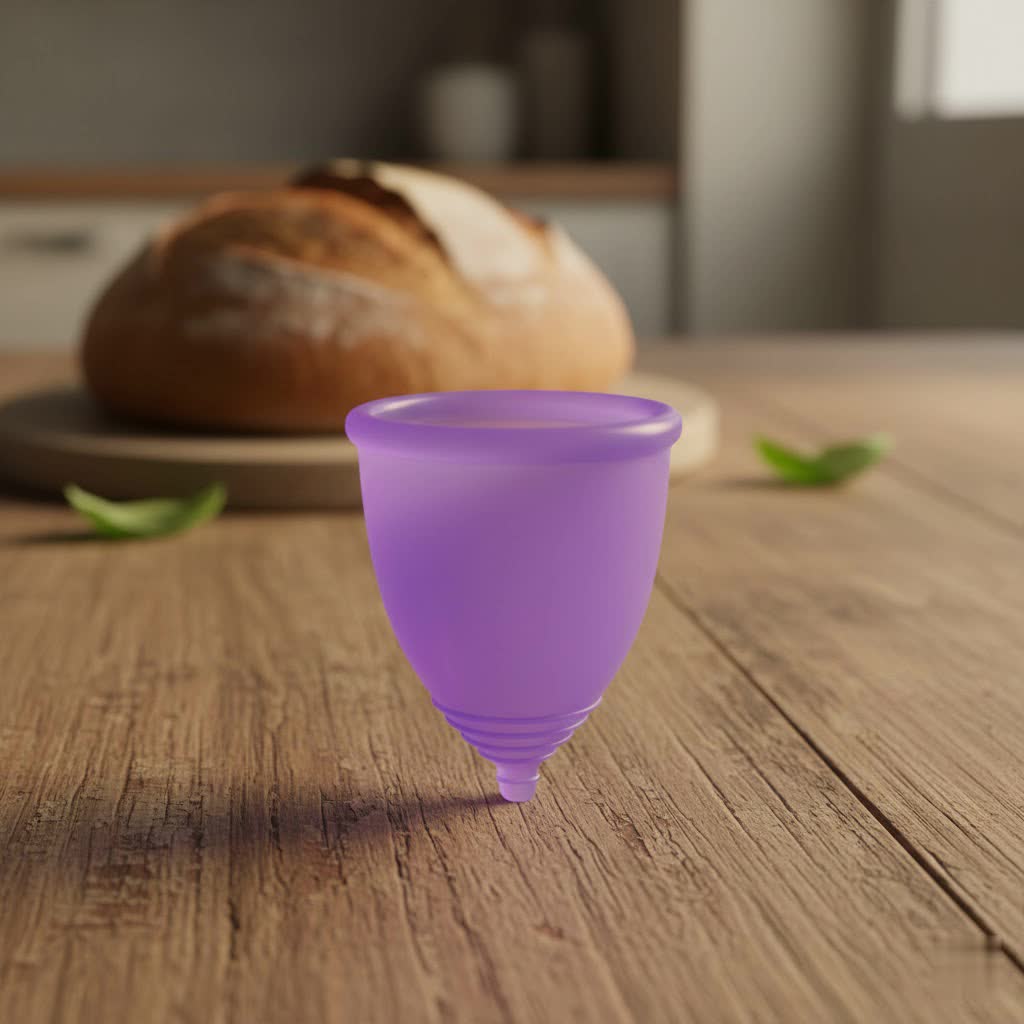
A menstrual cup is a small, flexible, bell-shaped or disc-shaped device designed to be inserted into the vagina during menstruation to collect menstrual fluid rather than absorbing it. Unlike traditional tampons and pads that absorb fluid, menstrual cups create a seal against the vaginal walls to catch and hold the flow, offering a leak-free experience for up to 12 hours. For browse all menstrual cup articles on this site.
The concept of menstrual cups dates back to the 1930s, with early designs made from rubber. Over time, advancements in materials, particularly medical-grade silicone, have made modern menstrual cups safe, hygienic, and highly effective. They are reusable for years, drastically reducing waste and saving money compared to single-use products.
The primary advantages of using a menstrual cup include longer wear time, reduced environmental impact, and cost savings over its lifespan. Users often report increased comfort, less odor, and a reduced risk of dryness compared to tampons. However, there is typically a learning curve involved with insertion and removal, and some users might initially find certain cups difficult to manage.
Popular Types of Menstrual Cups
Menstrual cups come in various types, primarily distinguished by their material, shape, and size, each catering to different body types and preferences. Understanding these classifications is key to finding your ideal match.
Most menstrual cups are made from medical-grade silicone, a soft, rubber-like material derived from silicon. This material is highly durable, easy to clean, hypoallergenic, and can withstand high temperatures for sterilization, making it a preferred choice in the medical industry.
Another common material is Thermoplastic Elastomer (TPE), a synthetic blend of plastic and rubber. TPE cups are often more affordable and can conform to the body’s natural heat, potentially offering a more customized fit. They are also generally recyclable, which appeals to environmentally conscious users. Less commonly, some cups are made from natural rubber or latex, though these carry a higher risk of allergic reactions and environmental concerns related to their production.
In terms of shape, the most prevalent design is the bell-shaped cup, which relies on suction to stay in place. Alternatively, disc-shaped cups are flatter and wider, fitting higher in the vaginal canal and staying in place by propping against the pubic bone, without suction. Disc-style cups are sometimes favored by individuals with an IUD or those who wish to have penetrative sex while wearing a period product.
Menstrual cups are typically available in small, medium, and large sizes, though the exact dimensions can vary significantly between brands. Generally, smaller sizes are recommended for younger individuals, those who haven’t given birth vaginally, or those with lighter flows, while larger sizes are for those over 30, who have given birth vaginally, or experience a heavier flow.
Comparison Table of Menstrual Cup Materials
|
Our Picks for the Best Menstrual Cup in 2026
We may earn a commission when you use one of our links to make a purchase.
|
||
| Num | Product | Action |
|---|---|---|
| 1 | Venus Menstrual Cup (Period Cup for Women) - Best for Heavy Flow - 12 Hours Leak-Free Protection - 100% Medical-Grade Silicone Reusable Cup - Unique Design to Ease Your Period Cycle - Large |

|
| 2 | Saalt Soft Menstrual Cup – Reusable Period Cup – Made for Comfortable, Leak-Free Protection Up to 12 Hours – BPA & Latex Free – Includes Cup & Carry Bag (Regular, Mountain Iris) |
|
| 3 | Pixie Menstrual Cup Kit - Best Period Cup Starter Kit for Feminine Care - Proven to Be What You Need to Become A Successful Cup User - 100% Medical-Grade Silicone - Tampon Alternative |
|
| 4 | Menstrual Cups with Collapsible Storage Cup, Leak-Proof Design with Medical Grade Silicone Period Cups Reusable, Tampon and Pad Alternative,for Light Flow and Heavy Flow Large+Small |
|
| 5 | Shordy Reusable Menstrual Cup Set of 2 (Small & Large) Soft Medical-Grade Silicone Period Cups Easy Removal Ribbed Stem, 12-Hour Leakproof Comfort Copa Menstrual – Alternative to Pads, Tampons & Disc |
|
| 6 | Saalt Soft Menstrual Cup – Reusable Period Cup – Made for Comfortable, Leak-Free Protection Up to 12 Hours – BPA & Latex Free – Includes Cup & Carry Bag (Small, Desert Blush) |
|
| 7 | EcoBlossom Reusable Menstrual Cup and Case - The Most Reliable Medical Grade Silicone Period Cups - Comfortably use for 12 Hours (Large (Pack of 2), Gray Cup & Case) |
|
| 8 | Menstrual Cup Steamer Sterilizer with 2 Reusable Menstrual Cups, Period Cups Cleaner Wash Kit |
|
| 9 | Pixie Cup - Soft, Safe, Reusable Menstrual Cup - Ranked 1 for The Best Tampon Alternative - 100% Medical-Grade Silicone Period Cup for Feminine Care - Buy One We Give One (Large) |
|
| 10 | EcoBlossom Reusable Menstrual Cup Set - The Most Reliable Medical Grade Silicone Period Cups - Comfortably use for 12 Hours (Small & Large) |
|
Choosing the right material for your menstrual cup is a crucial decision that impacts comfort, durability, and environmental footprint. Here’s a quick comparison of the most common materials:
| Feature | Medical-Grade Silicone | Natural Rubber (Latex) | TPE (Thermoplastic Elastomer) |
|---|---|---|---|
| Advantages | Safe, highly durable, easy to clean, hypoallergenic, maintains shape, high biocompatibility, high heat resistance. | Softer, flexible, derived from a natural source. | More affordable, flexible, conforms to body heat, generally recyclable, less energy in production. |
| Disadvantages | Higher initial cost, not easily recyclable. | High risk of allergies, environmental concerns with production (deforestation, toxic by-products), not recyclable. | Less durable, less heat resistant (can melt at high temperatures), may lose shape over time. |
How to Choose the Right Menstrual Cup Size
Selecting the correct menstrual cup size is paramount for comfort, effectiveness, and preventing leaks. It’s not a one-size-fits-all product, and several personal factors influence the ideal fit. While most brands offer small and large sizes, it’s important to consider your unique anatomy and lifestyle.
The most critical factors include your age, birth history, cervix height, pelvic floor strength, and menstrual flow volume. For instance, individuals under 30 who haven’t given birth vaginally often find smaller cups more suitable, as their pelvic floor muscles tend to be stronger. Conversely, those over 30 or who have experienced vaginal childbirth typically benefit from larger cups, which can provide a more secure fit due to changes in pelvic floor strength.
Understanding your cervix height is particularly helpful. To measure it, insert your longest finger into your vagina during your period until you feel your cervix (it feels similar to the tip of your nose). If your finger goes all the way in before reaching it, you likely have a high cervix. If you reach it at the first knuckle, it’s likely low. Anything in between is considered average. This measurement helps determine the appropriate cup length, ensuring the stem doesn’t protrude or become difficult to reach.
Your menstrual flow also plays a role. A lighter flow may only require a smaller cup, while a heavier flow often necessitates a larger cup for longer wear without needing frequent emptying. Your overall fitness can affect pelvic floor tone; active individuals might find firmer cups more effective at staying in place during exercise. there’s no standardized sizing guide across all brands, so reviewing a specific brand’s recommendations based on these factors is always advisable.
How to Use a Menstrual Cup
Using a menstrual cup might seem daunting at first, but with a little practice, it becomes a simple and seamless part of your period routine. The key is relaxation and understanding the basic steps for insertion, removal, and care.
Before your first use, it’s essential to sterilize your cup by boiling it in water for 5-10 minutes. This ensures it’s clean and safe for insertion. Always wash your hands thoroughly with soap and water before handling your cup.
Insertion begins with finding a comfortable position, such as squatting or sitting on the toilet with one leg propped up. Next, fold the cup using one of several popular techniques. Common folds include the C-fold (or U-fold), where the cup is flattened and folded in half to form a “C” or “U” shape; the 7-fold, where one corner is folded down to the opposite side to create a “7”; or the punch-down fold, which involves pushing one side of the rim down into the cup’s center. Gently guide the folded cup into your vagina, aiming towards your tailbone, until it feels securely in place and sits below your cervix. Once inside, release the fold, and the cup should pop open, creating a seal. You can run a finger around the rim or gently twist the cup to ensure it has fully opened and formed a leak-proof seal.
For removal, again, wash your hands and find a comfortable position. Gently pull on the stem until you can reach the base of the cup. Pinch the base to break the suction seal, then slowly pull the cup out, keeping it upright to avoid spills. Empty the collected fluid into the toilet or sink, rinse the cup with warm water, and wash it with a mild, pH-balanced soap before reinserting.
Cleaning and preservation are crucial for the longevity and hygiene of your menstrual cup. During your period, simply rinse and wash your cup between uses. After your period ends, boil the cup again for 5-10 minutes to sterilize it, then store it in a breathable pouch (often provided by the brand) in a clean, dry place until your next cycle. Proper care ensures your cup can last for many years, significantly reducing waste and expenditure on period products.
Where to Buy Menstrual Cups?
With the increasing popularity of menstrual cups, finding reliable retailers and reputable brands is easier than ever. When purchasing, focus on brands that prioritize quality, safety, and customer support.
Many trusted brands have established themselves in the market, offering a variety of designs and sizes. Some of the highly-rated brands include Lena, known for its firm silicone and user-friendly design; AllMatters (formerly OrganiCup), recognized for its eco-friendly packaging and charitable mission; Saalt, offering cups for various cervix heights and supporting menstrual health initiatives; and DivaCup, a long-standing classic known for its reliability. Other popular choices like Lunette, Pixie Cup, Cora, and Flex Cup each offer unique features such as different firmness levels, specialized stems for easy removal, or specific fold assistance.
Menstrual cups are readily available both online and offline. Major online retailers like Amazon, Walmart, and the official websites of individual brands (e.g., Saalt, DivaCup, OrganiCup) offer extensive selections, often with customer reviews that can guide your decision. Many health and wellness stores, pharmacies, and even some large supermarkets also stock menstrual cups, allowing you to examine the products in person.
When buying, several factors should influence your decision:
- Material: Ensure it’s medical-grade silicone or TPE and check for certifications if you have sensitivities.
- Size and Shape: Refer to brand-specific sizing guides, considering your age, birth history, and cervix height.
- Brand Reputation: Choose well-known brands with positive reviews and strong customer support.
- Certifications: Look for FDA registration (in the US) and other relevant health or environmental certifications (like B Corp, Green Seal, allergen-free, vegan).
- Price: While some cups are more expensive, consider the long-term savings compared to disposable products.
- Return/Exchange Policy: Some brands offer satisfaction guarantees or exchanges if the first size isn’t a perfect fit, which can be invaluable for first-time users.
How to Buy a Menstrual Cup
Purchasing your first menstrual cup can feel overwhelming due to the many options available. By following a structured approach, you can confidently choose the best menstrual cup that aligns with your body and lifestyle.
First, determine your personal needs. This involves understanding your menstrual flow (light, medium, heavy), your cervix height (low, average, high), your age, and your birth history (whether you’ve given birth vaginally). These factors are crucial in narrowing down the ideal size and firmness of the cup. For example, if you have a low cervix, you might need a shorter cup, or if you have a heavy flow, a cup with higher capacity.
Next, research information about various brands and products. Explore different menstrual cup brands and their specific models. Pay attention to the materials they use (medical-grade silicone or TPE), their shapes (bell-shaped or disc-shaped), and any unique features like stem designs (loop, ball, ribbed) or special folding aids. Reputable brands often provide detailed sizing charts and guides on their websites.
Reading user reviews is an invaluable step. Look for feedback from individuals with similar anatomical considerations or flow patterns to yours. Reviews can offer practical insights into a cup’s comfort, ease of insertion and removal, and effectiveness in preventing leaks. However, that individual experiences vary, and what works for one person might not work for another.
Finally, compare prices and choose a trusted retailer. Menstrual cups are available from various sources, including brand-specific websites, large online marketplaces, and local pharmacies or health stores. Consider factors like shipping costs, customer service, and the retailer’s return policy. Some brands offer starter kits or bundles, which can be a cost-effective way to try a menstrual cup, and many offer a satisfaction guarantee or exchange policy if the initial size isn’t perfect. Prioritizing a product with FDA registration or other relevant health certifications ensures safety and quality. By taking these steps, you’ll be well-equipped to select a menstrual cup that offers comfort, reliability, and peace of mind.
“A menstrual cup is a fantastic solution for those seeking a safe, comfortable, and environmentally conscious approach to period care. The journey to finding your ideal cup is a personal one, but the benefits are truly transformative.” – Nguyễn Thị An, Women’s Health Expert
Conclusion
Choosing the best menstrual cup is a personal journey that promises a transformative experience for your period care. By understanding the diverse types, materials, and crucial sizing factors, you can navigate the options with confidence. Whether you prioritize comfort, capacity, or environmental impact, there’s a menstrual cup designed to meet your needs. While there might be a slight learning curve, the long-term benefits of reduced waste, significant cost savings, and unparalleled freedom during your cycle make it a worthwhile investment. Embracing a menstrual cup can empower you to enjoy your favorite activities without interruption and contribute positively to both your well-being and the planet. Are you ready to discover the perfect menstrual cup and redefine your period experience?
Frequently Asked Questions
Are menstrual cups uncomfortable?
When properly inserted and sized, a menstrual cup should be largely unnoticeable and comfortable, similar to a tampon. Discomfort usually arises if the cup is too large for your anatomy, too firm for your body, or if the suction seal is not properly broken before removal. If you experience persistent pain or discomfort, consulting a healthcare professional is recommended.
Can menstrual cups be worn overnight?
Yes, most menstrual cups can be safely worn overnight for up to 12 hours. Their design allows them to collect more fluid than traditional tampons or pads, providing extended protection and peace of mind during sleep. Always check the manufacturer’s specific guidelines for wear time.
