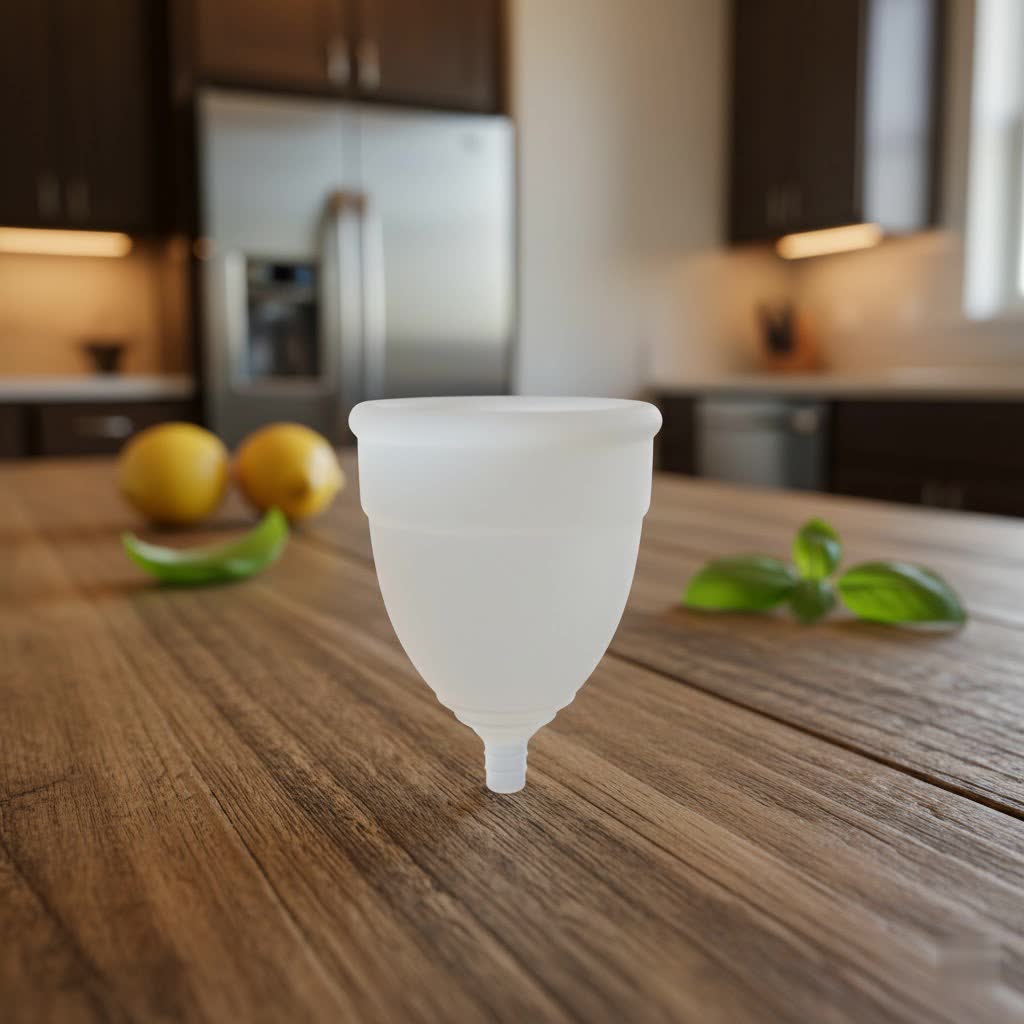
Navigating the world of menstrual products can often feel like a dizzying array of choices, each with its own promise and price tag. For years, disposable pads and tampons have been the standard, silently draining our wallets with recurring monthly purchases. However, a revolutionary alternative, the menstrual cup, has emerged, offering not only a more sustainable and comfortable experience but also significant long-term financial benefits. This guide examine the various aspects of menstrual cup pricing, helping you understand the initial investment, what influences the cost, and ultimately, how to choose the perfect cup that aligns with both your needs and your budget.
What is a Menstrual Cup?
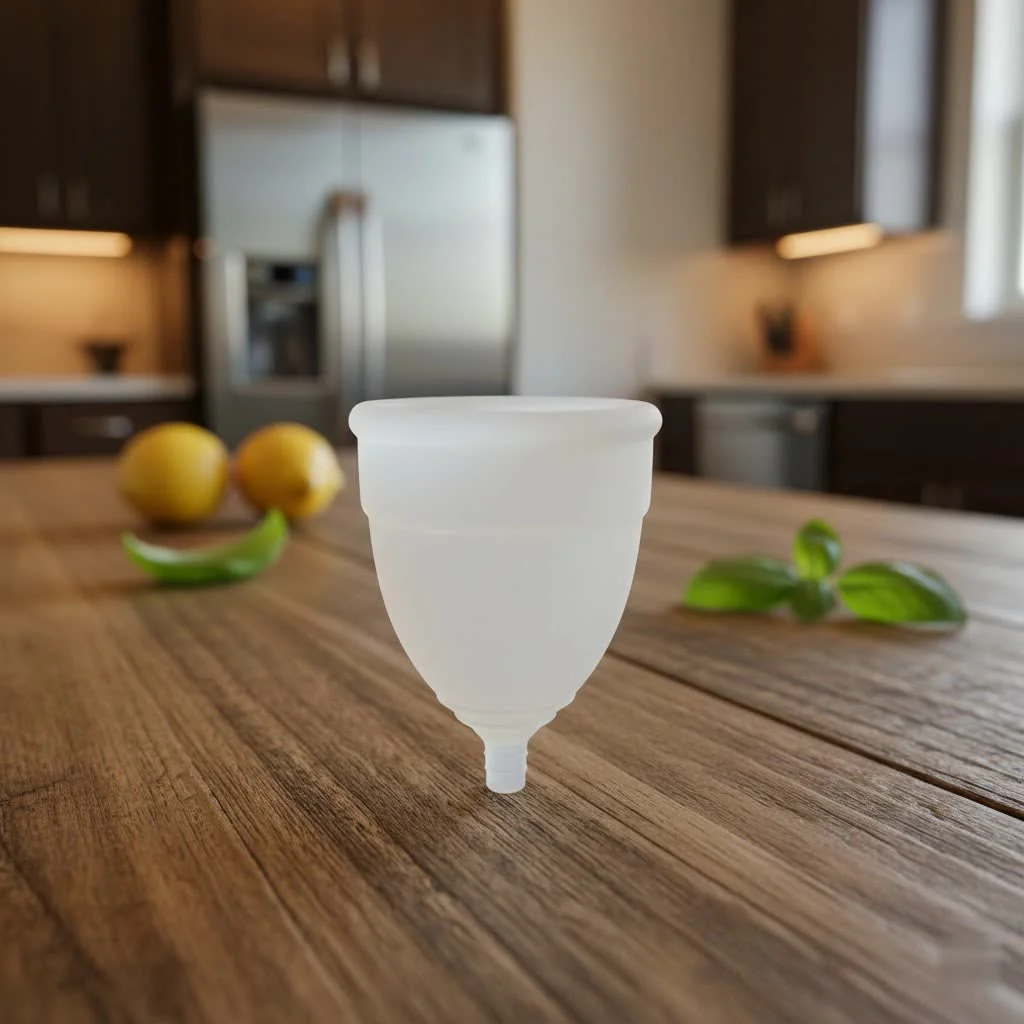
A menstrual cup is a flexible, bell-shaped device, typically made from medical-grade silicone, natural rubber, or TPE, designed to be inserted into the vagina to collect menstrual fluid. Unlike pads and tampons which absorb fluid, a menstrual cup simply collects it, providing a more hygienic and often more comfortable experience. These reusable cups can be worn for up to 12 hours, depending on your flow, and then emptied, rinsed, and reinserted.
The shift from disposable products to a menstrual cup is not just about environmental consciousness; it’s a smart financial decision. While a single box of tampons or pads might seem inexpensive, these costs accumulate rapidly over a lifetime of periods. Menstrual cups, despite a higher upfront cost, offer substantial savings by lasting for years, drastically reducing your annual period expenses. They represent a one-time investment that pays dividends in both convenience and savings.
The advantages of using a menstrual cup extend beyond economics, including increased comfort, fewer changes required throughout the day, reduced odor, and less irritation compared to some disposable options. The primary perceived drawback for new users often involves the initial learning curve for insertion and removal, and the cleaning process. However, with a little practice, many users find these concerns quickly diminish, replaced by a profound appreciation for the freedom and financial relief a menstrual cup provides.
Understanding Menstrual Cup Price Ranges
The menstrual cup market offers a wide spectrum of products, and consequently, a range of prices. Generally, you can expect to find menstrual cups priced anywhere from $10 to $50. This broad range reflects differences in brand, material quality, design complexity, and included accessories.
At the lower end of the spectrum, typically under $20, you’ll find budget-friendly or lesser-known brands, often available through online marketplaces. While these can be appealing for their affordability, it’s crucial to scrutinize their material and safety certifications. The mid-range, from $20 to $40, is where many popular and reputable brands reside. These cups often strike a good balance between quality, design, and price, making them a popular choice for first-time users and seasoned enthusiasts alike. For those willing to invest a bit more, cups priced over $40 often come from established, premium brands, offering advanced features, unique designs, or specialized materials, along with comprehensive customer support and strong brand trust.
Factors Influencing Menstrual Cup Price
Several key factors contribute to the varying prices of menstrual cups. Understanding these can help you make an informed decision that prioritizes both your health and your wallet.
Material Quality
|
Our Picks for the Best Menstrual Cup in 2026
As an Amazon Associate I earn from qualifying purchases.
|
||
| Num | Product | Action |
|---|---|---|
| 1 | Pixie Cup - Soft, Safe, Reusable Menstrual Cup - Ranked 1 for The Best Tampon Alternative - 100% Medical-Grade Silicone Period Cup for Feminine Care - Buy One We Give One (Large) |

|
| 2 | EcoBlossom Reusable Menstrual Cup Set - The Most Reliable Medical Grade Silicone Period Cups - Comfortably use for 12 Hours (Small & Large) |
|
| 3 | Pixie Menstrual Cup Kit - Best Period Cup Starter Kit for Feminine Care - Proven to Be What You Need to Become A Successful Cup User - 100% Medical-Grade Silicone - Tampon Alternative |
|
| 4 | Shordy Reusable Menstrual Cup Set of 2 (Small & Large) Soft Medical-Grade Silicone Period Cups Easy Removal Ribbed Stem, 12-Hour Leakproof Comfort Copa Menstrual – Alternative to Pads, Tampons & Disc |
|
| 5 | Venus Menstrual Cup (Period Cup for Women) - Best for Heavy Flow - 12 Hours Leak-Free Protection - 100% Medical-Grade Silicone Reusable Cup - Unique Design to Ease Your Period Cycle - Large |
|
| 6 | Menstrual Cup Steamer Sterilizer with 2 Reusable Menstrual Cups, Period Cups Cleaner Wash Kit |
|
| 7 | Saalt Soft Menstrual Cup – Reusable Period Cup – Made for Comfortable, Leak-Free Protection Up to 12 Hours – BPA & Latex Free – Includes Cup & Carry Bag (Small, Desert Blush) |
|
| 8 | Menstrual Cups with Collapsible Storage Cup, Leak-Proof Design with Medical Grade Silicone Period Cups Reusable, Tampon and Pad Alternative,for Light Flow and Heavy Flow Large+Small |
|
| 9 | EcoBlossom Reusable Menstrual Cup and Case - The Most Reliable Medical Grade Silicone Period Cups - Comfortably use for 12 Hours (Large (Pack of 2), Gray Cup & Case) |
|
| 10 | Saalt Soft Menstrual Cup – Reusable Period Cup – Made for Comfortable, Leak-Free Protection Up to 12 Hours – BPA & Latex Free – Includes Cup & Carry Bag (Regular, Mountain Iris) |
|
The most significant factor influencing a menstrual cup’s price is its material. The vast majority of high-quality cups are made from medical-grade silicone. This material is highly valued for its safety, being hypoallergenic and free from harmful chemicals, as well as its durability and flexibility. These properties ensure a comfortable fit and a long lifespan. Cups made from medical-grade silicone typically fall into the mid to higher price ranges due to the cost of the raw material and the stringent manufacturing standards required.
Other materials include Thermoplastic Elastomer (TPE) and natural rubber (latex). TPE cups are often more affordable than silicone options while still offering good flexibility and safety. They are also recyclable, appealing to eco-conscious consumers. Natural rubber cups, while environmentally friendly, may pose an allergy risk for individuals sensitive to latex. Cheaper cups, particularly those found at very low price points, might use generic silicone or rubber materials that lack the rigorous testing and certifications (like FDA or CE) necessary to guarantee they are free from harmful substances.
Brand Reputation and Certifications
Established brands in the menstrual cup industry have invested heavily in research, development, and obtaining necessary health and safety certifications. Brands like DivaCup, Saalt, Cora, and Mooncup have built reputations for reliability, comfort, and safety. Their products often come with FDA registration, CE marking, and other international health standards, which assure consumers of product quality and safety. This extensive testing, quality control, and brand trust naturally factor into a higher menstrual cup price. Conversely, unbranded or “generic” cups, while cheaper, often lack these certifications, making their safety and efficacy less certain.
Design and Ergonomics
The engineering behind a menstrual cup’s design also plays a crucial role in its pricing. High-quality cups feature thoughtful designs that enhance user experience, such as textured grips for easier removal, unique stem designs for comfort, and a variety of shapes and firmness levels to accommodate different body types and needs. These ergonomic considerations minimize leaks, discomfort, and difficulty during insertion and removal. Budget cups, on the other hand, might have more generic, “one-size-fits-all” designs that may not provide an optimal fit or ease of use for every individual, potentially leading to a less satisfying experience.
Durability and Lifespan
The long-term value of a menstrual cup is directly tied to its durability and lifespan. A high-quality medical-grade silicone cup, with proper care and cleaning, can last anywhere from 5 to 10 years, and sometimes even longer. This extended lifespan is a core reason for their cost-effectiveness over time. Cheaper cups, however, may be made from less durable materials that degrade faster, leading to cracking or loss of flexibility, requiring replacement within 1-2 years. While the initial purchase may be less, the need for frequent replacements can quickly negate any upfront savings, making them less economical in the long run.
Retailer and Availability
The point of purchase can also affect the menstrual cup price. Cups bought directly from a brand’s website or through specialized online retailers might differ slightly in price from those found in large chain pharmacies, supermarkets, or online marketplaces like Amazon. Sales, promotions, and bundle deals (e.g., two-packs or starter kits that include a cleanser) can also influence the immediate cost, offering opportunities for savings.
Comparison Table: Price vs. Value
| Feature Category | Budget-Friendly (< $20) | Mid-Range ($20 – $40) | Premium (> $40) |
|---|---|---|---|
| Material Quality | Generic silicone or rubber, potential for lack of certifications | Medical-grade silicone or high-quality TPE, typically certified | Top-tier medical-grade silicone, extensive certifications |
| Brand Reputation | Less known, limited information or reviews | Well-known, established brands with positive reviews | Highly reputable, specialized brands with extensive R&D |
| Design & Ergonomics | Basic, potentially one-size-fits-all, fewer specialized features | Good range of sizes/firmness, functional design, comfortable | Advanced, ergonomic designs, unique features, highly customizable fit |
| Durability & Lifespan | Shorter lifespan (1-3 years), may degrade faster | Standard lifespan (5-10 years) with proper care | Extended lifespan (10+ years), highly resistant to degradation |
| Support & Warranty | Minimal to no customer support or warranty | Standard customer support, some warranty options | Comprehensive customer support, robust warranties, satisfaction guarantees |
| Overall Value | Low upfront cost, but potentially higher long-term cost due to replacements, safety concerns | Excellent balance of quality, safety, and long-term savings | High upfront cost, but superior comfort, durability, and peace of mind; best long-term value |
Is a Higher Menstrual Cup Price Worth It?
When considering a menstrual cup purchase, it’s natural to weigh the initial cost against the potential benefits. While a budget-friendly cup might seem appealing, it’s essential to consider the “hidden costs” that could arise from compromising on quality. A cheaper cup might be made from materials that degrade faster, leading to more frequent replacements and ultimately diminishing your long-term savings. More critically, uncertified materials could pose health risks, as they might not have been rigorously tested for internal use.
> “Investing in a high-quality menstrual cup is not just about the product itself; it’s an investment in your health, comfort, and financial future. The peace of mind that comes with a certified, well-designed cup is invaluable.” – Dr. Sarah Chen, Gynecologist and Women’s Health Advocate
Quality cups, although they come with a higher menstrual cup price upfront, offer superior durability, comfort, and a longer lifespan, often lasting up to a decade. This means that over time, the annual cost of a premium cup can be significantly lower than repeatedly buying cheaper alternatives or even disposable products. The ergonomic design and medical-grade materials of higher-priced cups also contribute to a more comfortable and leak-free experience, enhancing your overall quality of life during your period. Therefore, opting for a reputable brand with proper certifications, even if it means a higher initial outlay, often proves to be the more economical and safer choice in the long run.
How to Choose the Right Menstrual Cup for Your Budget
Choosing the right menstrual cup involves more than just looking at the price tag; it’s about finding the perfect balance between affordability, quality, and personal fit. Here’s a practical guide to help you make a smart decision:
- Assess Your Personal Needs: Before diving into prices, understand what you need. Consider your flow intensity (light, medium, heavy), your cervix height (low, average, high), and your pelvic floor strength. These factors will influence the size, shape, and firmness of the cup that will work best for you. Some brands offer online quizzes or guides to help you determine your ideal cup.
- Research Brands and Products: Don’t hesitate to spend time researching reputable menstrual cup brands. Look for those with positive user reviews, transparent material sourcing, and recognized health certifications (like FDA registration or CE marking). Popular brands often have a wide range of sizes and models, making it easier to find one that fits your specific needs.
- Read User Reviews: Real-world experiences are invaluable. Pay attention to reviews that discuss comfort, ease of insertion/removal, leak protection, and overall durability. Look for consistent feedback regarding the product’s quality and performance, especially concerning any potential issues with the menstrual cup price and its value.
- Compare Prices and Features: Once you have a few options in mind, compare their prices across different retailers. Consider what features are important to you—do you need a specific stem design, a particular firmness, or unique accessories? Sometimes, a slightly higher-priced cup with features perfectly suited to you will offer better long-term value than a cheaper one that doesn’t quite meet your needs.
- Look for Sales and Starter Kits: Many brands and retailers offer discounts, especially during holiday seasons or special promotions. Starter kits, which often include a cup and a cleaner or storage pouch, can also be a cost-effective way to begin your menstrual cup journey, providing good value for the menstrual cup price.
Where to Buy Menstrual Cups
Menstrual cups are becoming increasingly accessible, making it easier than ever to find and purchase one. Here are the most common places to buy them:
- Online Retailers: Websites like Amazon, eBay, and dedicated online health stores offer a vast selection of brands and models, often with competitive menstrual cup prices and detailed product descriptions.
- Brand Websites: Purchasing directly from a menstrual cup brand’s official website often provides access to their full product line, exclusive offers, and direct customer support.
- Pharmacies and Drugstores: Major pharmacy chains, such as Walgreens or CVS, typically stock popular menstrual cup brands, allowing for immediate purchase.
- Supermarkets and Mass Retailers: Many large supermarkets and stores like Target and Walmart now carry menstrual cups in their feminine hygiene sections, offering convenience and often good prices.
- Specialty Health Stores: Natural health stores or eco-friendly boutiques may offer a curated selection of menstrual cups, sometimes including niche or organic options.
When buying, always double-check the product’s specifications, ensure it comes with proper packaging, and confirm the retailer’s return policy, especially if you’re a first-time user and unsure about the fit.
Conclusion
The menstrual cup represents a significant advancement in feminine hygiene, offering a blend of sustainability, comfort, and undeniable cost-effectiveness. While the initial menstrual cup price may seem like a larger outlay compared to a single pack of disposable products, the long-term financial savings are substantial, making it a truly smart investment. By understanding the factors that influence pricing—from material quality and brand reputation to design and durability—you can make an informed choice that aligns with your personal needs and budget. Embracing a menstrual cup is not just about making a purchase; it’s about investing in a more comfortable, eco-conscious, and economically savvy period experience. Are you ready to discover the long-term value a menstrual cup can bring to your life?
Frequently Asked Questions
Are all cheap menstrual cups unsafe?
Not necessarily, but very low-priced menstrual cups often lack the certifications and rigorous testing of established brands. It’s crucial to check for medical-grade materials and reputable manufacturing standards, regardless of the menstrual cup price, to ensure safety and prevent potential health risks or discomfort.
How long does a menstrual cup typically last?
A high-quality menstrual cup, particularly one made from medical-grade silicone, can last anywhere from 5 to 10 years with proper care and cleaning. This longevity is a key factor in their cost-effectiveness when compared to disposable period products.
What’s the average monthly saving with a menstrual cup?
While an average woman spends $50-$150 annually on disposable pads or tampons, a menstrual cup, costing $20-$40, can last for many years. This translates to potential monthly savings of $4-$12, making it a very cost-efficient choice over its lifespan.
Get our weekly buyer guide
Practical specs, not advice. Unsubscribe anytime.

I appreciate the breakdown of pricing, but I found it a bit overwhelming to choose. I ended up getting a mid-range cup, and while it’s better than pads, I’m still struggling a bit with insertion. I wish there was more info on specific brands in the $25-$35 range that are easier for beginners.
I’ve been using a menstrual cup for about six months now, and I love the comfort and sustainability. The guide mentioned TPE cups, which I hadn’t considered before. Mine is silicone, but it’s good to know there are other material options out there for people with different sensitivities. It’s definitely a more comfortable experience than disposables.
Switching to a menstrual cup was one of the best decisions I’ve made for my period. The long-term financial benefits are huge, just like it said. I used to spend so much on disposables, and now I barely think about it. Plus, it feels so much cleaner and more comfortable.
I was so tired of buying tampons every month, and the cost really adds up. This guide helped me understand the initial investment for a good quality medical-grade silicone cup. It’s been a game-changer for my wallet and the environment. Definitely worth the upfront cost!