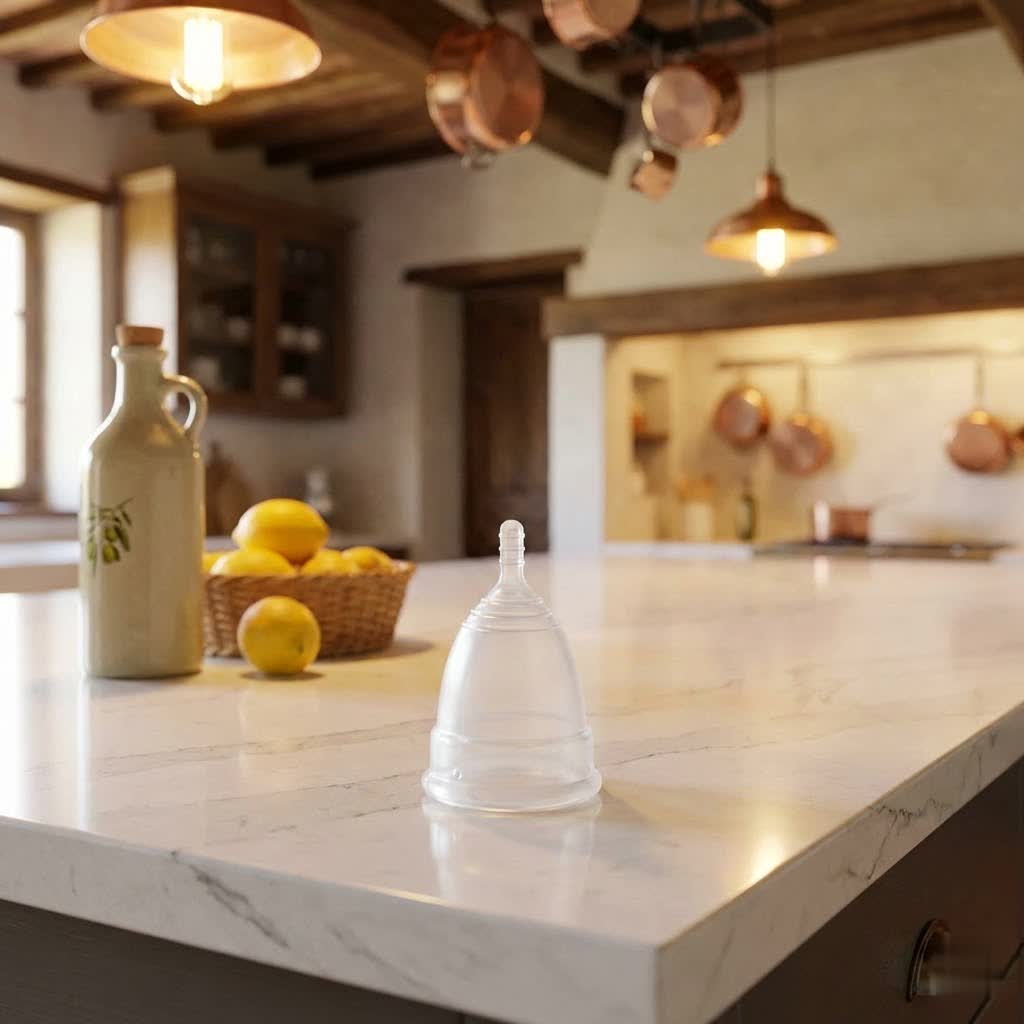
For many, the menstrual cup has been a revolutionary game-changer, offering an eco-friendly and often more comfortable alternative to traditional period products. Yet, for those new to the concept, the journey to finding the perfect cup can seem daunting. The sheer volume of options and the personal nature of period care mean that what works for one person might not work for another. This is where communities like Reddit shine, offering a treasure trove of real-world experiences, candid advice, and invaluable tips from individuals who have navigated this path themselves. If you’re considering making the switch, or perhaps struggling to find your ideal fit, delving into the collective wisdom of Reddit users can illuminate your path, helping you discover a solution that truly aligns with your body and lifestyle.
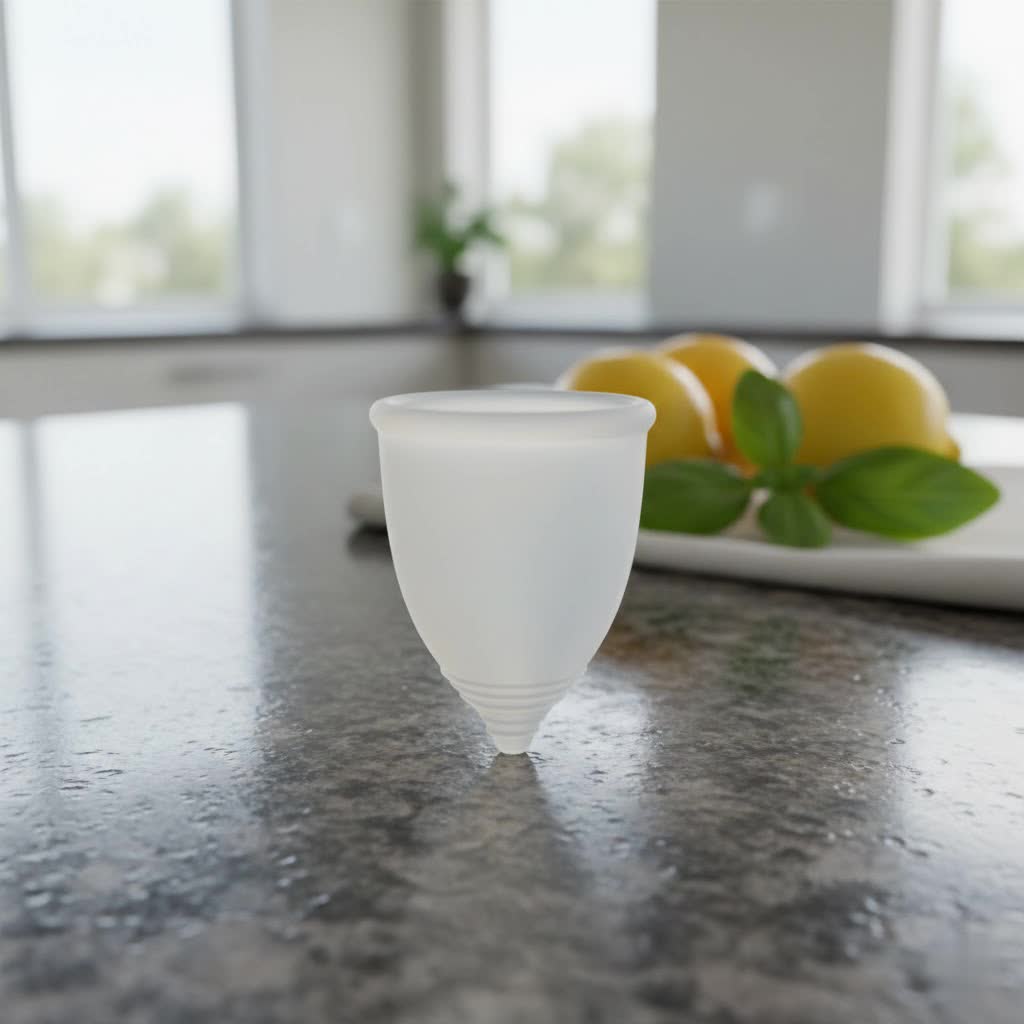
Choosing the Right Menstrual Cup: A Detailed Guide
Embracing a menstrual cup can feel like stepping into a new era of period management. These reusable, bell-shaped devices are designed to collect menstrual fluid rather than absorb it, offering a distinct alternative to pads and tampons. Historically, rudimentary versions of menstrual cups have existed for centuries, but modern medical-grade silicone cups gained popularity in the mid-20th century, evolving into the diverse range we see today.
When comparing menstrual cups to other hygiene products, their advantages often stand out significantly. Many users appreciate the reduced waste, making cups a more environmentally friendly choice. They can also lead to substantial long-term savings, as a single cup can last for several years. Furthermore, cups can be worn for up to 12 hours, offering greater freedom and convenience throughout the day and night compared to tampons, which require more frequent changes. The capacity of a menstrual cup often exceeds that of even the heaviest tampons or pads, providing enhanced leak protection for many. Some individuals also report fewer cramps and less dryness or irritation compared to tampons, which can absorb natural vaginal moisture.
However, menstrual cups do come with a learning curve and potential drawbacks. Insertion and removal can initially be challenging and may require practice and a degree of comfort with one’s own body. Some users find the process messy, especially during heavy flow days or when changing in public restrooms without a private sink. Finding the right fit is crucial; an ill-fitting cup can cause discomfort or leakage, leading to a period of trial and error to discover the ideal brand and size. Concerns about potential IUD displacement due to suction, while rare, are also sometimes mentioned within user communities. Ultimately, the decision to use a menstrual cup often weighs these practical benefits against the initial investment in learning and finding the right product.
Popular Types of Menstrual Cups
|
Our Picks for the Best Menstrual Cup in 2026
We may earn a commission when you use one of our links to make a purchase.
|
||
| Num | Product | Action |
|---|---|---|
| 1 | EcoBlossom Reusable Menstrual Cup Set - The Most Reliable Medical Grade Silicone Period Cups - Comfortably use for 12 Hours (Small & Large) |

|
| 2 | Menstrual Cup Steamer Sterilizer with 2 Reusable Menstrual Cups, Period Cups Cleaner Wash Kit |
|
| 3 | Saalt Soft Menstrual Cup – Reusable Period Cup – Made for Comfortable, Leak-Free Protection Up to 12 Hours – BPA & Latex Free – Includes Cup & Carry Bag (Regular, Mountain Iris) |
|
| 4 | Pixie Menstrual Cup Kit - Best Period Cup Starter Kit for Feminine Care - Proven to Be What You Need to Become A Successful Cup User - 100% Medical-Grade Silicone - Tampon Alternative |
|
| 5 | EcoBlossom Reusable Menstrual Cup and Case - The Most Reliable Medical Grade Silicone Period Cups - Comfortably use for 12 Hours (Large (Pack of 2), Gray Cup & Case) |
|
| 6 | Menstrual Cups with Collapsible Storage Cup, Leak-Proof Design with Medical Grade Silicone Period Cups Reusable, Tampon and Pad Alternative,for Light Flow and Heavy Flow Large+Small |
|
| 7 | Saalt Soft Menstrual Cup – Reusable Period Cup – Made for Comfortable, Leak-Free Protection Up to 12 Hours – BPA & Latex Free – Includes Cup & Carry Bag (Small, Desert Blush) |
|
| 8 | Venus Menstrual Cup (Period Cup for Women) - Best for Heavy Flow - 12 Hours Leak-Free Protection - 100% Medical-Grade Silicone Reusable Cup - Unique Design to Ease Your Period Cycle - Large |
|
| 9 | Pixie Cup - Soft, Safe, Reusable Menstrual Cup - Ranked 1 for The Best Tampon Alternative - 100% Medical-Grade Silicone Period Cup for Feminine Care - Buy One We Give One (Large) |
|
| 10 | Shordy Reusable Menstrual Cup Set of 2 (Small & Large) Soft Medical-Grade Silicone Period Cups Easy Removal Ribbed Stem, 12-Hour Leakproof Comfort Copa Menstrual – Alternative to Pads, Tampons & Disc |
|
The world of menstrual cups is more varied than one might initially imagine, with options differing primarily by material, shape, and size. Understanding these distinctions is key to finding a cup that feels custom-made for your body.
The most common material for menstrual cups is medical-grade silicone, widely praised for its safety, durability, and ease of cleaning. Silicone cups are generally hypoallergenic and can last for many years with proper care. Another material sometimes used is Thermoplastic Elastomer (TPE), which can be softer and more flexible than some silicone options, appealing to those with sensitivities or stronger pelvic floor muscles. However, TPE might not be as widely available or durable as silicone. Less common are cups made from natural rubber (latex), which are not suitable for individuals with latex allergies.
Menstrual cups also vary in shape and firmness. Most cups are bell-shaped, but some have a more V-shape, a rounded base, or even a flatter, disc-like design (though discs are a separate category, they share many functional similarities and are often discussed alongside cups on platforms like Reddit). The firmness of a cup impacts both insertion and how it sits inside the body. Firmer cups tend to “pop open” more easily once inserted, which can be helpful for beginners or those with stronger pelvic floor muscles, but they might exert more pressure on the bladder or urethra, causing discomfort for some. Softer cups are generally more comfortable and put less pressure on internal organs, but they can be more challenging to get to fully open and seal, potentially leading to leaks if not positioned correctly.
Size is another critical factor. Most brands offer at least two sizes, typically designated as small and large. These sizes are generally influenced by factors such as age, childbirth history (especially vaginal birth), and menstrual flow volume. Younger individuals or those who haven’t given birth often start with a smaller size, while those who have given birth or experience heavy flows might opt for a larger size for increased capacity. However, Reddit communities frequently highlight that personal anatomy, particularly cervix height, plays a more significant role than these general guidelines.
Menstrual Cup Comparison Table
Reddit users often discuss the nuances of different cup materials and their real-world implications, highlighting that what works best is deeply personal.
| Feature | Silicone Cups | TPE Cups |
|---|---|---|
| Pros (Reddit Feedback) | Highly durable, often lasts 5-10 years. Widely available in diverse brands and designs. Easy to clean and sterilize. Generally hypoallergenic. Reliable suction for leak prevention. | Can be very soft and flexible, which some users find more comfortable, especially if sensitive. May be perceived as more “eco-friendly” by some due to material. |
| Cons (Reddit Feedback) | Can be too firm for some, causing bladder pressure or discomfort. Some users report difficulty with removal if the silicone creates too strong a seal. Initial cost can be higher than TPE options. | May be less durable than silicone, potentially requiring replacement sooner. Limited availability compared to silicone cups. Can be harder to get to “pop open” for proper seal due to softness. |
How to Choose Menstrual Cup Size
Choosing the correct menstrual cup size is perhaps the most discussed and debated topic among Reddit users, as it’s a deeply personal decision that significantly impacts comfort and effectiveness. The conventional wisdom often suggests that age and childbirth history are primary indicators, with smaller sizes for younger users or those who haven’t given birth, and larger sizes for those over 30 or who have had a vaginal birth. However, Reddit communities emphasize that these are merely guidelines, and individual anatomy is paramount.
The most crucial factor is your cervix height. Your cervix changes position throughout your cycle, typically sitting lower during your period. To measure your cervix height, gently insert a clean finger into your vagina.
- If you can reach your cervix (it feels like the tip of your nose) with your first knuckle, you likely have a low cervix, requiring a shorter cup.
- If you reach it at your second knuckle, you have a medium cervix.
- If you can barely reach it or can’t reach it at all, you have a high cervix, which means you’ll need a longer cup.
Many Reddit users recommend checking your cervix height during your period for the most accurate measurement, as this is when it’s typically at its lowest position.
Other factors influencing size include:
- Menstrual Flow Volume: If you have a heavy flow, you might need a larger cup with more capacity, regardless of your cervix height, to avoid frequent emptying.
- Pelvic Floor Strength: Stronger pelvic floor muscles can sometimes compress a cup, making it harder to open or causing leaks, in which case a firmer cup might be more suitable.
- Vaginal Canal Length/Width: Some individuals, especially those who are petite, may find that narrower or shorter cups are more comfortable.
For beginners, Reddit advice often leans towards starting with a smaller, softer cup to ease the learning curve of insertion and removal. Once comfortable with the process, you can then experiment with different sizes or firmness levels based on your flow and comfort. Online quizzes from reputable menstrual cup sites, such as Put A Cup In It or Period Nirvana, are frequently recommended by Reddit users as helpful starting points for personalized recommendations based on these anatomical considerations.
How to Use a Menstrual Cup
Mastering the art of menstrual cup usage involves a bit of patience and practice, but the payoff in comfort and convenience is often well worth it. Reddit communities offer a wealth of practical tips for navigating the learning curve, emphasizing that everyone’s experience is unique.
Folding Techniques: The key to comfortable insertion is folding the cup into a smaller shape. Some popular folds include:
- C-Fold (or U-Fold): The most basic, where the cup is flattened and then folded in half to form a C or U shape. Many beginners start here, though it creates a wider insertion point.
- Punch-Down Fold (or Shell Fold): Push one side of the rim down into the cup. This creates a smaller, pointed insertion tip, which many users find easier to insert. It also helps softer cups to open more readily.
- 7-Fold: Flatten the cup, then fold one corner down to the opposite side of the base, forming a “7” shape. This also creates a narrow insertion point.
- Tulip or Origami Fold: Similar to the punch-down, this fold involves pushing one side down and across, creating a pointed tip.
When it comes to insertion, Reddit users stress the importance of relaxation. Squatting, sitting on the toilet, or standing with one leg up can help open the vaginal canal. Lubricating the rim of the cup with water or a water-based lubricant can also aid insertion. Once inserted, the cup should ideally “pop open” and create a seal against the vaginal walls. You can check for a seal by running a finger around the base of the cup to ensure it’s fully open, or by gently tugging on the stem; if you feel resistance, a seal has formed.
Removal requires breaking the seal before pulling the cup out. Many users recommend bearing down with your pelvic floor muscles (as if having a bowel movement) to push the cup lower. Then, reach for the base of the cup, gently pinch it to release the suction, and carefully pull it out. Be prepared for some mess, especially on heavier days, and consider practicing removal in the shower initially.
Cleaning and Storage: After removal, empty the contents into the toilet. Rinse the cup thoroughly with cold water to prevent staining, then wash it with a mild, fragrance-free soap. Between cycles, it’s recommended to sterilize your cup by boiling it in water for 5-10 minutes. Many Reddit users share creative solutions, like using a whisk in the pot to prevent the cup from touching the bottom and melting. For public restrooms, if a private sink isn’t available, some users recommend wiping the cup with toilet paper or a dedicated cup wipe, or carrying a small bottle of water to rinse it before reinserting. Store your clean, dry cup in a breathable pouch (often provided with the cup) until your next cycle. Avoid airtight containers, which can encourage bacterial growth.
Where to Buy a Menstrual Cup
Finding the perfect menstrual cup involves not only understanding your body but also knowing where to source reputable products. The market offers a wide array of brands, and Reddit communities frequently discuss which ones offer the best quality, ease of use, and customer support.
Some of the most frequently recommended and trusted menstrual cup brands by Reddit users include:
- Diva Cup: Often cited as a classic “beginner cup” due to its widespread availability in drugstores and supermarkets. While popular, some users find it a bit long or firm.
- Saalt: Praised for its comfortable design and various firmness options (soft, regular), Saalt cups are often recommended for those seeking a balance. They are also widely available.
- Lena Cup: Known for its quality and often considered a good option for those with stronger pelvic floors due to its moderate firmness.
- Flex Cup: Unique for its patented pull-tab design, which aims to make removal easier by breaking the seal automatically. This feature is particularly appealing to beginners or those with dexterity concerns.
- Merula: Offers a distinct spherical shape and very high capacity, often recommended for heavy flows or those with unique anatomies. The XL size is frequently mentioned for its impressive capacity.
- Pixie Cup: Often highlighted for its customer service and “buy one, give one” program, Pixie Cup offers a range of cups and accessories.
- June Cup: Known for its affordability, often making it an accessible entry point for those wanting to try a cup without a significant financial investment.
When deciding between online and offline shopping, both have their merits. Buying offline at local pharmacies or large retail stores (like Target or Walmart in the US) allows for immediate purchase and easier returns if the cup doesn’t work out. Brands like Diva Cup and Saalt are commonly found in physical stores. However, online shopping provides a much broader selection of brands, sizes, and firmness levels, including many niche or international brands. Websites like Amazon, dedicated menstrual cup retailers, or the brands’ own websites offer extensive choices and often include detailed product descriptions and user reviews.
Regardless of where you purchase, always prioritize medical-grade materials (typically silicone or TPE) and ensure the product is from a reputable manufacturer. Checking for FDA registration or similar health certifications in your region can add an extra layer of confidence in the product’s safety and quality. The price of menstrual cups can vary, but remember that the initial cost is a one-time investment that will save money on disposable products in the long run.
Menstrual Cup Buying Guide
Embarking on your menstrual cup journey can be incredibly rewarding, but finding “the one” often feels like a quest. To navigate this, Reddit users consistently advise a methodical approach, starting with self-assessment and moving to informed research.
First, identify your personal needs. This involves understanding your:
- Cervix Height: As discussed, this is critical for cup length. High cervix needs a longer cup, low cervix needs a shorter one. Measure during your period.
- Menstrual Flow Volume: If you experience heavy bleeding, opt for a cup with a higher capacity to minimize emptying frequency.
- Pelvic Floor Strength: Stronger muscles might benefit from a slightly firmer cup to ensure it opens fully, while those with weaker muscles or sensitivities might prefer a softer cup.
- Activity Level: Very active individuals or those who exercise frequently might prefer a cup with good suction and firmness to prevent dislodgement.
- Sensitivity: If you have a sensitive bladder or easily feel pressure, a softer cup might be more comfortable.
Next, research brands and products thoroughly. Don’t rely solely on marketing. Dive into online quizzes from trusted sources like Put A Cup In It or Period Nirvana. These quizzes gather information about your anatomy and lifestyle to provide personalized cup recommendations. This step is frequently lauded on Reddit for narrowing down choices effectively.
Crucially, read user reviews, especially those found on Reddit. Forums like r/menstrualcups offer unfiltered, honest feedback on specific brands, sizes, and common issues. Pay attention to comments regarding ease of insertion/removal, comfort, leakage, and customer service experiences. These real-world anecdotes can provide insights that product descriptions might miss, such as how a cup performs with a tilted uterus or after childbirth. Many users share stories of trying several cups before finding their perfect match, emphasizing that trial and error is a common part of the process.
Finally, compare prices and choose a reputable vendor. While affordability is a factor, prioritize quality and safety. Purchase from established brands or trusted retailers who sell medical-grade products. Some brands offer starter kits or satisfaction guarantees, which can be beneficial for first-time buyers. Remember, a menstrual cup is an intimate hygiene product, so sourcing from a reliable provider is essential for your health and peace of mind.
“A menstrual cup is a wonderful solution for those seeking a safe, convenient, and environmentally friendly period product. It truly empowers you to understand and manage your cycle with confidence.” – Dr. Anya Sharma, Women’s Health Specialist
Conclusion
The journey to finding your ideal menstrual cup is a personal one, often marked by exploration and discovery, as countless individuals on Reddit attest. These small yet powerful devices offer a compelling alternative to traditional period products, championed for their sustainability, cost-effectiveness, and comfort. From understanding your unique anatomy, particularly cervix height and flow, to navigating the various materials, shapes, and sizes available, a thoughtful approach is key.
Remember that while there’s a learning curve to mastering insertion and removal, the collective experience of menstrual cup users consistently highlights that patience and practice pay off. Brands like Diva Cup, Saalt, Lena, and Flex frequently surface in discussions for their reliability and user-friendly features. By taking advantage of online resources, detailed quizzes, and the candid reviews found in communities like Reddit, you can make an informed choice that aligns with your body’s needs and your personal values. Embracing a menstrual cup can be more than just a change in period product; it can be a step towards greater self-awareness and a more sustainable lifestyle. Are you ready to discover the freedom and confidence a menstrual cup can offer?
Frequently Asked Questions
Is a menstrual cup uncomfortable?
For many, menstrual cups are incredibly comfortable once properly inserted and sized. When correctly positioned, you shouldn’t feel it at all. Initial discomfort often stems from an incorrect size, firmness, or insertion technique, which improves with practice and finding the right cup for your anatomy.
Can a menstrual cup be used overnight?
Yes, menstrual cups are designed for extended wear, typically up to 12 hours, making them an excellent choice for overnight use. Their higher capacity often provides superior leak protection compared to tampons or pads, allowing for uninterrupted sleep.
What if my cup leaks?
Leakage is a common beginner issue. It usually indicates the cup hasn’t fully opened, isn’t positioned correctly to create a seal, or the size is wrong for your cervix height or flow. Experiment with different folds, insertion angles, and ensure the rim fully expands inside. If leaks persist, reconsider your cup’s size or firmness.
Can I use a menstrual cup with an IUD?
While many people use menstrual cups successfully with an IUD, there’s a documented, albeit small, risk of IUD displacement due to the suction created by the cup. It’s crucial to discuss this with your gynecologist and to always break the cup’s seal completely before removal to minimize any risk.
How often should I clean my menstrual cup?
You should empty and rinse your menstrual cup every 4 to 12 hours, depending on your flow. Between periods, it’s essential to sterilize your cup by boiling it in water for 5-10 minutes. Always use a mild, fragrance-free soap for daily cleaning and store it in a breathable pouch when not in use.