Navigating the world of menstrual products can often feel overwhelming, with choices ranging from traditional pads and tampons to newer, more sustainable alternatives. If you’re seeking a healthier, more environmentally conscious, and cost-effective way to manage your period, then the menstrual cup might be precisely what you’re looking for. This comprehensive guide will explore everything you need to know about menstrual cups, helping you understand their benefits, types, how to choose the right one for your body, and how to use them effectively. Discover how this revolutionary product can improve your monthly cycle, offering unparalleled comfort and freedom.
What is a Menstrual Cup?
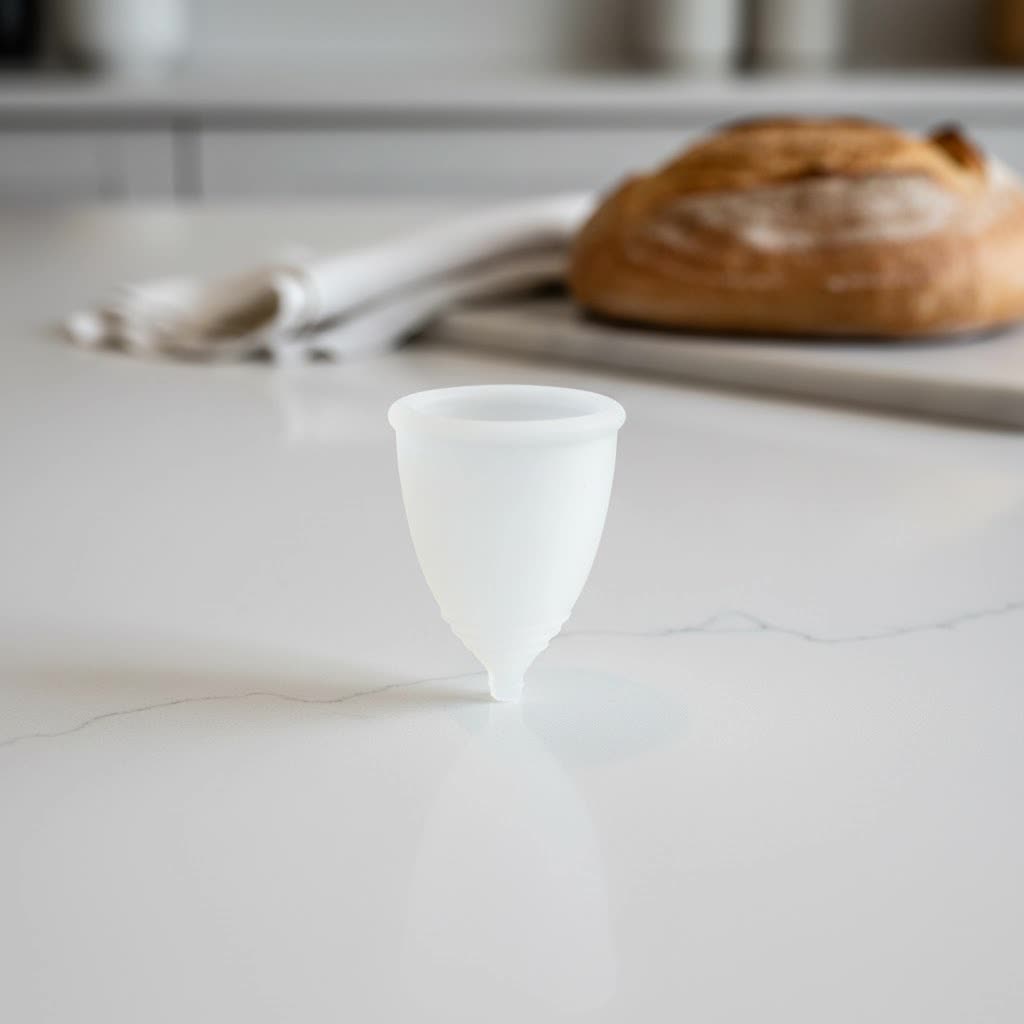
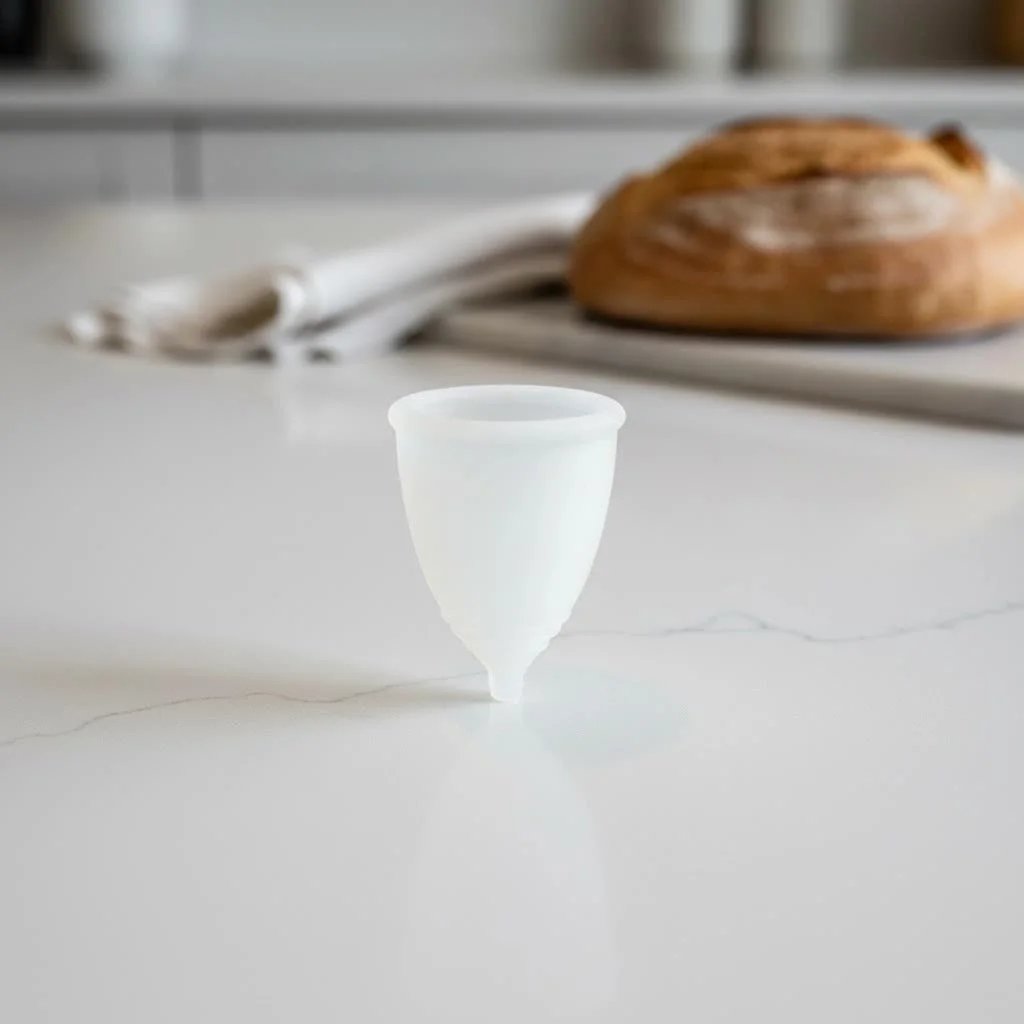
A menstrual cup is a reusable feminine hygiene product designed to collect menstrual fluid inside the vagina rather than absorbing it. Typically crafted from medical-grade silicone, but sometimes made from rubber or TPE, it’s a flexible, bell-shaped device that forms a seal against your vaginal walls to prevent leaks. Unlike disposable pads and tampons, which absorb fluid and are discarded after each use, a menstrual cup is emptied, rinsed, and reinserted, making it a highly sustainable option for period care. For shop curated menstrual cup on this site.
The concept of menstrual cups dates back to the 1930s, but they have gained significant popularity in recent decades due to increasing awareness of environmental concerns and a desire for healthier, more comfortable period management. They represent a significant shift from traditional absorbent products, offering a different approach to feminine hygiene.
Compared to traditional sanitary pads and tampons, menstrual cups offer several distinct advantages. They help maintain the vagina’s natural hydration and pH balance, reducing the risk of vaginal infections. The likelihood of experiencing Toxic Shock Syndrome (TSS), a rare but severe illness associated with tampon use, is significantly lower with menstrual cups. Being chemical-free and devoid of dioxins, they don’t contribute to unpleasant odors and are often barely noticeable once inserted, providing exceptional comfort. From an environmental standpoint, menstrual cups are incredibly sustainable and cost-effective, lasting for years with proper care—some brands claim up to 12 years—which drastically reduces waste and saves money over time.
Types of Menstrual Cups Available
The market now offers a diverse range of menstrual cups, catering to various body types and preferences. These can be broadly categorized by their material, shape, and size, each factor playing a crucial role in comfort and effectiveness.
Classification by Material
The material of a menstrual cup is fundamental to its safety, durability, and comfort.
- Medical-Grade Silicone: This is by far the most common and recommended material. Medical-grade silicone is hypoallergenic, safe for internal use, non-porous (making it easy to clean), highly durable, and flexible. Most reputable brands use 100% medical-grade silicone, ensuring it’s free from BPA, latex, and harmful toxins. Its flexibility allows for comfortable insertion and removal, while its robust nature ensures longevity.
- Natural Rubber (Latex): Some cups are made from natural rubber. While a sustainable material, it is less common due to potential latex allergies, which can cause irritation or adverse reactions in sensitive individuals. Users with latex allergies should avoid these cups.
- Thermoplastic Elastomer (TPE): TPE is a type of plastic that has rubber-like elasticity. TPE cups are often more affordable and can be softer than some silicone varieties. However, their durability might not always match that of medical-grade silicone, and they can sometimes be more prone to staining over time.
Classification by Shape
|
Our Picks for the Best Menstrual Cup in 2026
As an Amazon Associate I earn from qualifying purchases.
|
||
| Num | Product | Action |
|---|---|---|
| 1 | Saalt Soft Menstrual Cup – Reusable Period Cup – Made for Comfortable, Leak-Free Protection Up to 12 Hours – BPA & Latex Free – Includes Cup & Carry Bag (Regular, Mountain Iris) |

|
| 2 | Menstrual Cups with Collapsible Storage Cup, Leak-Proof Design with Medical Grade Silicone Period Cups Reusable, Tampon and Pad Alternative,for Light Flow and Heavy Flow Large+Small |
|
| 3 | EcoBlossom Reusable Menstrual Cup Set - The Most Reliable Medical Grade Silicone Period Cups - Comfortably use for 12 Hours (Small & Large) |
|
| 4 | Menstrual Cup Steamer Sterilizer with 2 Reusable Menstrual Cups, Period Cups Cleaner Wash Kit |
|
| 5 | Pixie Menstrual Cup Kit - Best Period Cup Starter Kit for Feminine Care - Proven to Be What You Need to Become A Successful Cup User - 100% Medical-Grade Silicone - Tampon Alternative |
|
| 6 | Shordy Reusable Menstrual Cup Set of 2 (Small & Large) Soft Medical-Grade Silicone Period Cups Easy Removal Ribbed Stem, 12-Hour Leakproof Comfort Copa Menstrual – Alternative to Pads, Tampons & Disc |
|
| 7 | Saalt Soft Menstrual Cup – Reusable Period Cup – Made for Comfortable, Leak-Free Protection Up to 12 Hours – BPA & Latex Free – Includes Cup & Carry Bag (Small, Desert Blush) |
|
| 8 | EcoBlossom Reusable Menstrual Cup and Case - The Most Reliable Medical Grade Silicone Period Cups - Comfortably use for 12 Hours (Large (Pack of 2), Gray Cup & Case) |
|
| 9 | Pixie Cup - Soft, Safe, Reusable Menstrual Cup - Ranked 1 for The Best Tampon Alternative - 100% Medical-Grade Silicone Period Cup for Feminine Care - Buy One We Give One (Large) |
|
| 10 | Venus Menstrual Cup (Period Cup for Women) - Best for Heavy Flow - 12 Hours Leak-Free Protection - 100% Medical-Grade Silicone Reusable Cup - Unique Design to Ease Your Period Cycle - Large |
|
While most menstrual cups share a basic bell or V-shape, subtle variations exist to accommodate different anatomies.
- Bell-shaped: This is the most classic and widely recognized shape, designed to sit comfortably in the vaginal canal and create a seal.
- Conical/V-shaped: These cups tend to be narrower at the bottom and wider at the rim, often preferred for easier insertion and removal, especially for beginners.
- Spherical/Round: Some cups are designed to be shorter and rounder, ideal for individuals with a low cervix, preventing discomfort that longer cups might cause. Conversely, longer cups are better suited for those with a higher cervix.
Classification by Size
Menstrual cups typically come in small, medium, and large sizes, though specific dimensions can vary by brand. The correct size is crucial for preventing leaks and ensuring comfort.
- Small: Generally recommended for teenagers, first-time menstrual cup users, or individuals with a light-to-medium flow who have not given birth.
- Medium: Often suitable for women under 30, those who are sexually active, or have given birth via Cesarean section. It accommodates average flow levels.
- Large: Typically advised for women over 30 or those who have had a vaginal delivery, especially if they experience a medium-to-heavy menstrual flow.
Comparison of Menstrual Cup Materials
| Feature | Medical-Grade Silicone | Natural Rubber (Latex) | TPE |
|---|---|---|---|
| Pros | Safe, hypoallergenic, durable, easy to clean, non-porous | Biodegradable, flexible | Flexible, often softer, more affordable |
| Cons | Higher initial cost | Potential for latex allergies, less durable than silicone | Less durable than silicone, can stain easily |
| Durability | Very high (5-10+ years) | Moderate (2-5 years) | Moderate (1-3 years) |
| Availability | Widely available | Less common | Growing, but still less common than silicone |
How to Choose the Right Menstrual Cup Size
Choosing the correct menstrual cup size is perhaps the most critical step to ensure comfort and prevent leaks. Several personal factors influence this decision:
- Age: Younger individuals or those new to cups often start with smaller sizes.
- Childbirth History: Women who have given birth vaginally typically need a larger cup size due to changes in pelvic floor muscles and vaginal canal width. Cesarean births usually do not affect cup size needs as significantly as vaginal births.
- Menstrual Flow: Individuals with a heavier flow might prefer a larger cup for higher capacity, allowing for longer wear time between changes.
- Cervical Height: This is a crucial, yet often overlooked, factor. A high cervix will require a longer cup, while a low cervix needs a shorter cup to prevent it from protruding uncomfortably. You can measure your cervical height during your period by inserting a clean finger into your vagina until you feel your cervix (it feels like the tip of your nose).
- Pelvic Floor Strength: Stronger pelvic floor muscles might allow for a smaller cup, while weaker muscles (common after childbirth or with age) might necessitate a larger, firmer cup to maintain its position and seal.
Measuring Cervical Length: To accurately choose a size, insert a clean finger into your vagina during your period. Feel for your cervix; it feels firm and round, like the tip of your nose. Note how much of your finger you can insert before touching your cervix. If you can only insert a short portion (e.g., up to your first knuckle), you likely have a low cervix. If you can insert your entire finger without touching it, you likely have a high cervix. Most women have an average cervix height. This measurement will guide you in selecting a cup with the appropriate length.
For beginners, starting with a medium-soft cup is often recommended. If you experience leaks, a firmer or larger cup might be needed. If you feel discomfort or pressure, a softer or smaller cup could be more suitable. finding your perfect cup can sometimes take a few cycles and trying different brands or sizes. Websites like Put a Cup in It offer quizzes to help personalize recommendations based on your body and lifestyle.
How to Use a Menstrual Cup
Using a menstrual cup effectively involves mastering insertion, removal, and proper cleaning. It might feel intimidating at first, but with practice, it becomes second nature.
Insertion Techniques
Before insertion, always wash your hands thoroughly with soap and water. You’ll need to fold the cup to make it small enough to insert. Common folding methods include:
- C-Fold (or U-Fold): Flatten the cup and fold it in half, forming a “C” or “U” shape.
- Punch-Down Fold (or 7-Fold): Push one side of the rim down into the cup and fold it over. This creates a smaller insertion point.
- Tulip Fold: Pinch the rim in half, then bring one side down towards the base of the cup, forming a “tulip” shape.
Once folded, insert the cup into your vagina, angling it towards your tailbone, similar to how you would insert a tampon. Once fully inside, release the fold. The cup should pop open and create a suction seal against your vaginal walls. You can check the seal by gently pulling on the stem; if you feel resistance, it’s sealed. You might also run a finger around the base of the cup to ensure it’s fully open.
Removal Techniques
To remove your menstrual cup, first wash your hands. Gently bear down with your pelvic floor muscles (like you’re having a bowel movement) to help push the cup lower. Reach for the stem or the base of the cup. Pinch the base of the cup to break the suction seal; never pull directly on the stem without breaking the seal first, as this can be uncomfortable. Once the seal is broken, gently wiggle the cup out, keeping it upright to avoid spills. Empty the contents into a toilet.
Cleaning and Storage
After each removal during your cycle, rinse the cup thoroughly with cold water (to prevent staining) and then with warm water and a mild, unscented soap specifically designed for intimate use or menstrual cups. Reinsert the clean cup.
Between cycles, or at the end of your period, it’s crucial to sanitize your menstrual cup. The most common method is to boil it in a pot of water for 5-10 minutes. Ensure the cup is fully submerged and doesn’t touch the bottom of the pot to prevent damage. Alternatively, you can use a menstrual cup sterilizer (steam or UV) for convenience. Store your clean, dry cup in a breathable pouch or bag (usually provided by the brand), not in an airtight container, to allow for air circulation.
Where to Buy Menstrual Cups
The increasing popularity of menstrual cups means they are now widely accessible, both online and in physical stores.
Reputable Menstrual Cup Brands
Several brands have established themselves as leaders in the menstrual cup market, known for their quality, comfort, and safety:
- DivaCup: One of the most recognized and widely available brands, often lauded for its ease of use and reliability. It’s made from transparent medical-grade silicone and comes in three sizes.
- Saalt: Offers both menstrual cups and discs made from soft medical-grade silicone, known for their comfortable fit and various pastel colors. The Saalt Soft Cup is particularly popular for heavy flows.
- Lena Cup: Known for its soft, smooth silicone and user-friendly design, with options suitable for beginners and those with a wider vagina.
- MeLuna: Offers highly customizable cups with four sizes, three stem styles (ball, ring, or stem), and two firmness levels, including a “Shorty” for low cervix users.
- Cora: Features unique indentations to aid insertion and placement, making it a good choice for those who find insertion tricky.
- Gynocup / Senzicare True Cup: These are examples of brands crafted from 100% medical-grade silicone, emphasizing safety, comfort, and eco-friendliness, often with specific features for beginners.
Online vs. Offline Shopping
- Online: Offers the widest selection of brands, sizes, and firmness levels, often with competitive pricing and detailed product reviews. Websites like Amazon, dedicated period care stores, or individual brand websites are good sources.
- Offline: Menstrual cups are increasingly available in pharmacies, drugstores, and natural health stores. This allows you to physically examine the cup (though not the exact one you’ll buy) and get immediate assistance from staff.
Important Considerations When Buying
When making your purchase, keep these points in mind:
- Material: Prioritize medical-grade silicone for safety and durability.
- Size: Re-evaluate your personal factors (flow, cervix height, childbirth history) to ensure you pick the most appropriate size.
- Firmness: Consider your sensitivity and pelvic floor strength. Softer cups are good for sensitive bladders or cramps, while firmer cups might be easier to open and provide a stronger seal.
- Brand Reputation: Stick to well-known brands with positive reviews and certifications (e.g., FDA-cleared, CE-certified).
- Price: While quality cups are an investment, they pay for themselves quickly. Be wary of extremely cheap, unbranded cups that might compromise on material quality.
How to Buy a Menstrual Cup: A Step-by-Step Guide
Purchasing your first menstrual cup can be a thoughtful process. By following these steps, you can confidently select the perfect fit for your needs.
- Determine Your Personal Needs: Start by assessing your body. What is your typical menstrual flow (light, medium, heavy)? Have you given birth vaginally? What is your cervical height during your period? Are you sensitive to internal pressure? Knowing these factors will narrow down your options significantly.
- Research Brands and Products: Explore the reputable brands mentioned above and others that catch your eye. Read product descriptions carefully, paying attention to materials, dimensions, and specific features like stem type or special grips.
- Read User Reviews: Customer reviews offer invaluable insights into real-world experiences. Look for feedback on comfort, ease of insertion/removal, leak protection, and durability from users with similar body types or concerns.
- Compare Prices and Retailers: Once you have a few potential candidates, compare prices across different online and offline retailers. Check for any starter kits that might include a sterilizer or storage pouch.
- Make an Informed Decision: Based on your research and personal preferences, choose the menstrual cup that best aligns with your needs. Many brands offer satisfaction guarantees, allowing you to try a cup before fully committing.
“Menstrual cups are a major upgrade for many, offering a safe, convenient, and environmentally responsible choice for period management. The initial learning curve is quickly overcome by the long-term benefits of freedom and comfort.” – Dr. Elena Petrova, Gynecologist and Women’s Health Advocate
Conclusion
Embracing a menstrual cup can truly improve your period experience, offering a blend of sustainability, economic savings, and enhanced comfort that traditional products often cannot match. By understanding the different types, carefully selecting the right size and material, and practicing insertion and removal, you can confidently make the switch. It’s a journey towards a healthier, more eco-conscious, and empowering approach to managing your menstrual cycle. Are you ready to discover the freedom and confidence a menstrual cup can bring to your life?
Frequently Asked Questions
Can a menstrual cup be worn during exercise or swimming?
Absolutely! Once correctly inserted and sealed, a menstrual cup creates a vacuum that holds it securely in place, making it ideal for all types of physical activity, including swimming, running, and yoga. Many users report feeling more secure and leak-free with a cup than with tampons or pads during exercise.
How often do I need to empty my menstrual cup?
The frequency of emptying depends on your menstrual flow. For light to medium flow, a cup can typically be worn for up to 12 hours. For heavier flows, you might need to empty it every 4-8 hours. Always adhere to the manufacturer’s guidelines for maximum wear time, and that cups collect more fluid than tampons, so you might find you need to empty it less frequently than you’d expect.
Is it safe to use a menstrual cup overnight?
Yes, menstrual cups are generally safe to wear overnight for up to 12 hours. Their design to collect rather than absorb menstrual fluid, along with a secure seal, means they can provide worry-free protection while you sleep, even for those with heavy flows. Ensure it is inserted correctly before bed to prevent leaks.
What if I have trouble inserting or removing the cup?
It’s common to experience a learning curve when first using a menstrual cup. Try different folding techniques and insertion positions. Relaxing your pelvic floor muscles is key for both insertion and removal. If removal is difficult, try squatting or sitting on the toilet and gently bearing down to bring the cup lower. Always to break the suction seal by pinching the base before pulling. Practice makes perfect!
Can a menstrual cup get lost inside me?
No, a menstrual cup cannot get lost inside your body. The vaginal canal is a closed system, ending at the cervix, which has only a tiny opening. The cup sits comfortably in the lower part of the vagina and cannot travel further up into your uterus or other parts of your body.
Are menstrual cups suitable for virgins or teenagers?
Yes, menstrual cups can be used by virgins and teenagers. While it might take a bit more practice to get comfortable with insertion, especially due to potentially tighter vaginal muscles, many smaller-sized cups are designed specifically for younger users or those who have not had penetrative sex. Using a menstrual cup does not affect virginity, as virginity is a social construct, not a physical state.
What is the difference between a menstrual cup and a menstrual disc?
While both are internal, reusable (or sometimes disposable) period products, they differ significantly in design and placement. A menstrual cup is typically bell-shaped and sits in the vaginal canal, held in place by suction. A menstrual disc, on the other hand, is wider and shallower, designed to tuck behind the pubic bone in the vaginal fornix (near the cervix) and does not rely on suction. Discs are often favored by those who find cups uncomfortable, have a sensitive bladder, or wish to have mess-free period sex.
Get our weekly buyer guide
Practical specs, not advice. Unsubscribe anytime.

I really wanted to love my menstrual cup, especially after reading about all the benefits. I chose a popular brand mentioned for beginners, but I’m still struggling a bit with insertion and getting it to seal properly. I’ve had a few leaks, which is frustrating. I’m going to keep trying for another cycle or two, but it hasn’t been the unparalleled comfort I was hoping for just yet.
I was so hesitant to try a menstrual cup, but I’m so glad I finally did! The guide really helped me understand the different types and how to choose one for my body. I went with a softer silicone cup and it’s been incredibly comfortable. No more worrying about leaks, even on my heaviest days. This truly is a game-changer for my monthly cycle.
I’ve been using a menstrual cup for about six months now, and I love the eco-friendly aspect. It’s amazing how much waste I’ve cut down on. My only minor complaint is that sometimes removal can be a bit messy, especially when I’m in a public restroom. But overall, the benefits definitely outweigh that small inconvenience. It’s a great cost-effective solution too.
This product has completely changed my period experience. I used to dread my period, but now it’s so much more manageable. The freedom it offers is incredible – I can go about my day without constantly thinking about changing a tampon. I appreciate that it’s made from medical-grade silicone, which makes me feel better about what I’m putting in my body. Highly recommend!