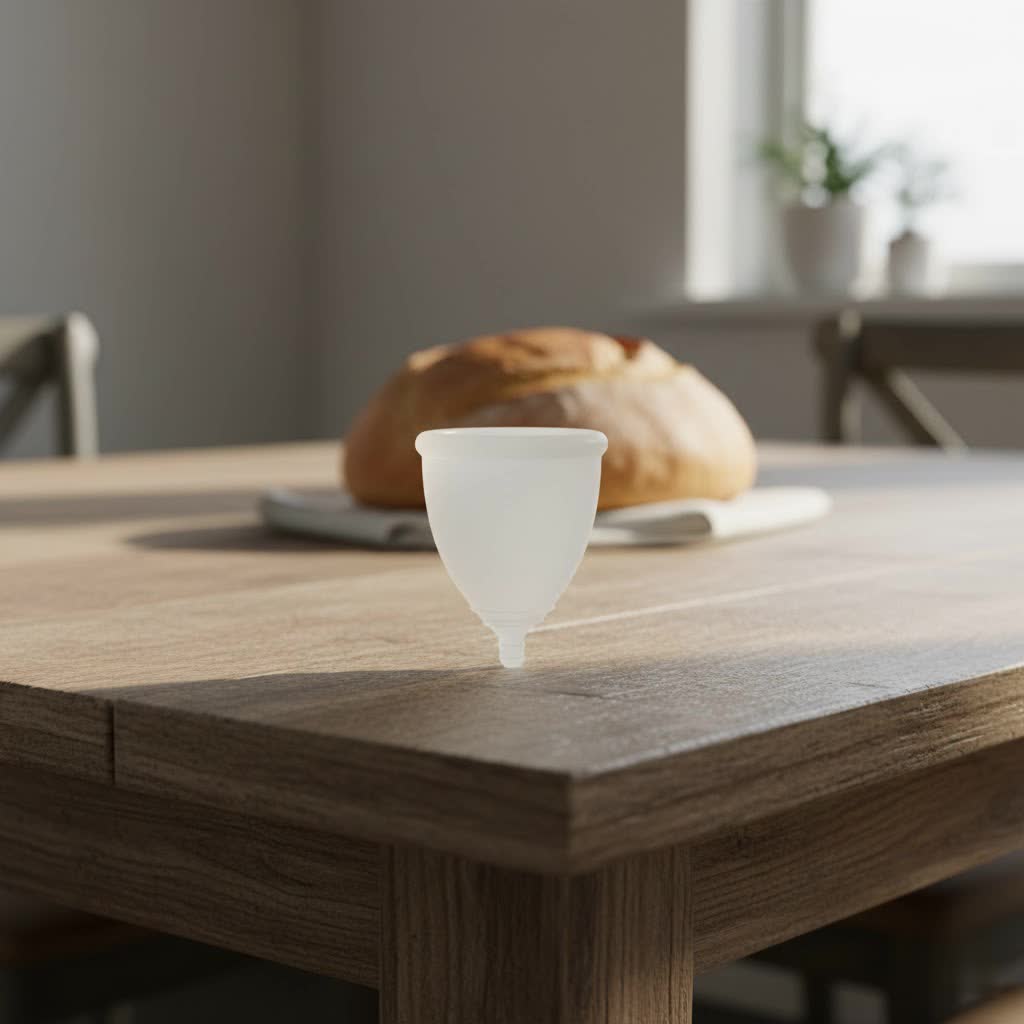
Are you ready to embrace a more sustainable, comfortable, and potentially life-changing period experience? Many women find the idea of using a menstrual cup intriguing but are often intimidated by the initial learning curve, especially when it comes to inserting a menstrual cup. This guide aims to demystify the process, providing you with all the knowledge, tips, and confidence you need to seamlessly integrate a menstrual cup into your routine, transforming your period days from a monthly burden into an empowering experience.
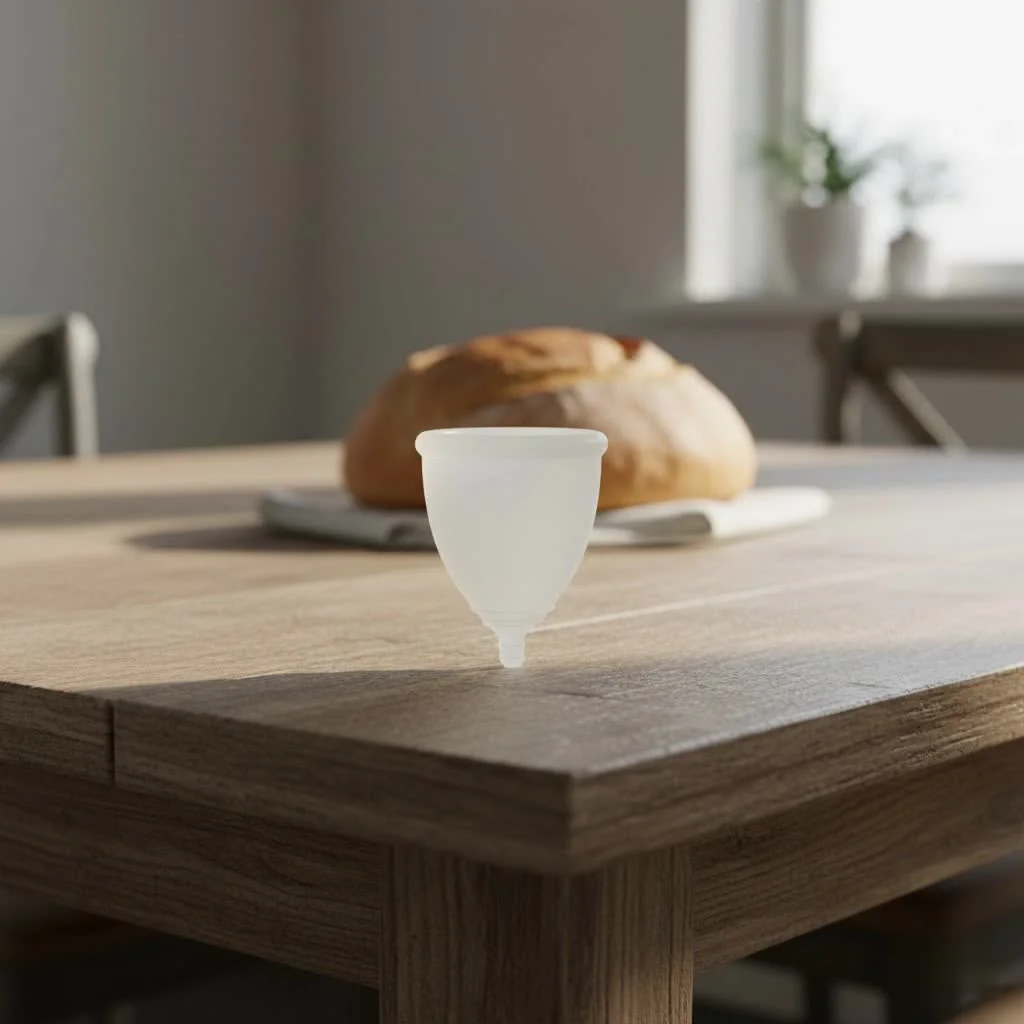
What is a Menstrual Cup?
A menstrual cup is a reusable feminine hygiene product designed to be inserted into the vagina to collect menstrual fluid. Typically made from medical-grade silicone, rubber, or TPE, these small, flexible cups form a seal against the vaginal walls, preventing leaks and offering a comfortable, long-lasting alternative to traditional period products. They stand in stark contrast to disposable pads and tampons, which absorb fluid and are often associated with waste and potential chemical exposure. For see our menstrual cup recommendations on this site.
Compared to tampons and pads, menstrual cups offer significant advantages. They can be worn for up to 12 hours, depending on your flow, reducing the need for frequent changes. This not only offers unparalleled convenience but also makes them a more environmentally friendly and cost-effective choice in the long run. While the initial investment might be higher, a single cup can last for years with proper care. However, some find the learning curve for insertion and removal daunting, and the cleaning process might seem less convenient than simply throwing away a disposable product.
Pros and Cons of Menstrual Cup Usage
| Feature | Menstrual Cup | Tampon | Pad |
|---|---|---|---|
| Environmental Impact | Reusable, low waste | Single-use, high waste | Single-use, high waste |
| Cost Over Time | Low (reusable for years) | High (constant repurchase) | High (constant repurchase) |
| Wear Time | Up to 12 hours | 4-8 hours | 3-6 hours |
| Comfort | Often unnoticeable when inserted correctly | Can cause dryness, uncomfortable if incorrect size | Can feel bulky, visible through clothing |
| Capacity | High (collects more fluid) | Moderate (absorbs fluid) | Moderate (absorbs fluid) |
| Learning Curve | Moderate (insertion/removal) | Low | Very low |
Exploring Menstrual Cup Varieties
Menstrual cups come in a variety of materials, shapes, and sizes, each designed to cater to different bodies and preferences. Understanding these distinctions is crucial for selecting a cup that offers the best fit and easiest insertion experience. The primary materials used are medical-grade silicone, natural rubber (latex), and Thermoplastic Elastomer (TPE).
Silicone cups are widely popular due to their durability, flexibility, and hypoallergenic properties, making them safe for most users. Natural rubber cups offer a more eco-friendly option but might not be suitable for individuals with latex allergies. TPE cups are often softer and can be a good choice for those with bladder sensitivity or difficulty with firmer cups. Shapes can range from bell-shaped to more V-shaped or even disc-like, while sizes typically vary from small (for lighter flows or younger users) to large (for heavier flows or those who have given birth).
Choosing the Perfect Menstrual Cup Size
Selecting the correct size of your menstrual cup is paramount for comfortable inserting a menstrual cup, effective leak protection, and overall satisfaction. Several factors influence this choice, including your age, whether you’ve given birth vaginally, your flow intensity, the length of your vaginal canal, and the strength of your pelvic floor muscles. It’s not a one-size-fits-all scenario, and what works for one person may not work for another.
As a general guideline, younger individuals or those who haven’t given birth vaginally often start with a smaller size. Women over 30 or those who have had a vaginal birth typically find larger sizes more suitable due to changes in vaginal musculature. Your flow also plays a role; if you have a very heavy flow, a larger capacity cup might be more practical. Measuring your cervical height is also beneficial, as it helps determine if you need a shorter or longer cup stem. For beginners, a softer cup might be easier to insert and adapt to, even if it requires a bit more practice to get it to fully open.
Your Ultimate Guide to Using a Menstrual Cup
Successfully inserting a menstrual cup is often the biggest hurdle for new users, but with a little practice and patience, it quickly becomes second nature. The key is to relax your body and experiment with different folding techniques until you find one that works best for you.
Preparing for Insertion
|
Our Picks for the Best Menstrual Cup in 2026
As an Amazon Associate I earn from qualifying purchases.
|
||
| Num | Product | Action |
|---|---|---|
| 1 | Shordy Reusable Menstrual Cup Set of 2 (Small & Large) Soft Medical-Grade Silicone Period Cups Easy Removal Ribbed Stem, 12-Hour Leakproof Comfort Copa Menstrual – Alternative to Pads, Tampons & Disc |

|
| 2 | Venus Menstrual Cup (Period Cup for Women) - Best for Heavy Flow - 12 Hours Leak-Free Protection - 100% Medical-Grade Silicone Reusable Cup - Unique Design to Ease Your Period Cycle - Large |
|
| 3 | Pixie Cup - Soft, Safe, Reusable Menstrual Cup - Ranked 1 for The Best Tampon Alternative - 100% Medical-Grade Silicone Period Cup for Feminine Care - Buy One We Give One (Large) |
|
| 4 | Pixie Menstrual Cup Kit - Best Period Cup Starter Kit for Feminine Care - Proven to Be What You Need to Become A Successful Cup User - 100% Medical-Grade Silicone - Tampon Alternative |
|
| 5 | Menstrual Cups with Collapsible Storage Cup, Leak-Proof Design with Medical Grade Silicone Period Cups Reusable, Tampon and Pad Alternative,for Light Flow and Heavy Flow Large+Small |
|
| 6 | Saalt Soft Menstrual Cup – Reusable Period Cup – Made for Comfortable, Leak-Free Protection Up to 12 Hours – BPA & Latex Free – Includes Cup & Carry Bag (Regular, Mountain Iris) |
|
| 7 | EcoBlossom Reusable Menstrual Cup and Case - The Most Reliable Medical Grade Silicone Period Cups - Comfortably use for 12 Hours (Large (Pack of 2), Gray Cup & Case) |
|
| 8 | EcoBlossom Reusable Menstrual Cup Set - The Most Reliable Medical Grade Silicone Period Cups - Comfortably use for 12 Hours (Small & Large) |
|
| 9 | Saalt Soft Menstrual Cup – Reusable Period Cup – Made for Comfortable, Leak-Free Protection Up to 12 Hours – BPA & Latex Free – Includes Cup & Carry Bag (Small, Desert Blush) |
|
| 10 | Menstrual Cup Steamer Sterilizer with 2 Reusable Menstrual Cups, Period Cups Cleaner Wash Kit |
|
Before your first use, sterilize your menstrual cup by boiling it in water for 5-10 minutes. Always wash your hands thoroughly with soap and water before handling your cup. Finding a comfortable position is crucial: try squatting, sitting on the toilet, or standing with one leg raised on the edge of the tub. Relaxation is your best friend here; tension can make insertion more difficult.
Mastering Menstrual Cup Folds
There are several popular folding techniques, each creating a different insertion point size. Experiment to discover which fold feels most comfortable for your body.
- The C-Fold (or U-Fold): This is the most common fold. Flatten the cup and fold it in half to create a “C” or “U” shape. This makes the insertion point relatively wide.
- The Punch-Down Fold (or Shell Fold): Push one side of the rim down into the cup towards the base. This creates a smaller, more pointed insertion tip. Many find this fold the easiest for beginners.
- The 7-Fold: Flatten the cup, then fold one corner of the rim down to the opposite side of the base, creating a “7” shape. This also offers a smaller insertion point.
- The Diamond Fold: A variation of the punch-down, where you push one side down, then fold the opposite side in, creating a narrower point.
Step-by-Step Insertion
- Fold your cup: Choose your preferred fold and hold the cup firmly with the folded side facing up.
- Guide it in: With your free hand, gently spread your labia. Aim the folded cup towards your tailbone, not straight up. The insertion angle is similar to that of a tampon.
- Insert slowly: Gently push the folded cup into your vagina. You might use a slight twisting motion. Stop pushing once the entire cup, including the stem, is inside your body.
- Check for a seal: Once inserted, gently release the cup. It should pop open. To ensure it’s fully open and has created a leak-proof seal, gently pull on the stem. If you feel resistance, it’s sealed. You can also run a finger around the base of the cup to check for any dents or folds. If you feel any, gently push the vaginal wall away from the cup to help it open, or gently twist the cup.
- Positioning: The cup should sit lower than a tampon, typically just inside the vaginal canal, below your cervix. The stem should either be entirely inside or just barely peeking out. If it feels uncomfortable or too low, you might need to try a different size or reinsert it.
Removing Your Menstrual Cup
Removing the cup also takes practice. Always wash your hands first. Squatting or sitting on the toilet can help shorten the vaginal canal. Gently insert your finger and thumb to locate the stem or base of the cup. Pinch the base to break the suction seal – this is crucial. Never pull the stem without breaking the seal, as it can be uncomfortable. Once the seal is broken, gently wiggle the cup out, keeping it upright to avoid spills. Empty the contents into the toilet, rinse the cup with cold water, and it’s ready for reinsertion.
Cleaning and Care
Between uses during your cycle, rinse your cup with cold water to prevent staining, then wash with warm water and a mild, unscented, oil-free soap (many brands offer specific cup washes). After your cycle concludes, sterilize your cup again by boiling it for 5-10 minutes, then store it in a breathable pouch (usually provided with the cup) until your next period. Proper cleaning prevents odor and maintains the cup’s longevity.
Where to Purchase Your Menstrual Cup
The market for menstrual cups has expanded significantly, offering a wide array of choices. When considering where to buy, it’s essential to look for reputable brands and reliable retailers to ensure you’re getting a safe, high-quality product.
Several established brands have excellent reputations, such as DivaCup, Lena Cup, Saalt, Lunette, and OrganiCup. These brands are often stocked in major pharmacies, health food stores, and large retail chains. Online marketplaces like Amazon, or dedicated feminine hygiene e-commerce sites, also offer extensive selections. Purchasing online often provides a broader range of options in terms of brands, sizes, and softness levels, along with competitive pricing. However, buying in person allows you to visually inspect the product (though usually still in its sealed packaging) and sometimes speak to store associates for advice.
Tips for a Smart Menstrual Cup Purchase
- Identify Your Needs: Based on your flow, body type, and experience level (beginner vs. experienced), narrow down potential sizes and firmness levels.
- Research Brands: Look into customer reviews and brand reputations. Prioritize those known for medical-grade materials and transparent manufacturing.
- Read User Reviews: Gain insights from others’ experiences with specific models, paying attention to comments on ease of insertion, comfort, and leak protection.
- Compare Prices: Check different retailers, both online and physical stores, to find the best deal. Be wary of excessively cheap cups, as quality can sometimes be compromised.
- Check for Certifications: Ensure the cup is made from FDA-approved (in the US) or CE-certified (in Europe) medical-grade materials for safety and peace of mind.
“A menstrual cup is a fantastic investment in personal health and environmental sustainability. Don’t be discouraged by the initial learning phase; it truly pays off with comfort and confidence.” – Dr. Sarah Chen, Gynecologist and Women’s Health Advocate
Conclusion
Embracing the menstrual cup marks a significant step towards a more informed, comfortable, and eco-conscious period. While the journey to seamlessly inserting a menstrual cup may present a slight learning curve, the rewards of enhanced comfort, extended wear time, and reduced environmental impact are immeasurable. Remember that every body is unique, and finding the perfect cup and insertion technique requires patience and self-awareness. Don’t hesitate to experiment with different folds and positions until you discover what feels right for you. Your period experience is about to get a whole lot better! Are you ready to take control of your menstrual health with a menstrual cup?
Frequently Asked Questions
Is inserting a menstrual cup painful?
Inserting a menstrual cup should not be painful if done correctly. Any discomfort usually stems from tension, an incorrect angle, or improper folding. Relaxing your pelvic floor muscles, using a water-based lubricant, and experimenting with different folds, such as the punch-down, can significantly improve the experience. With practice, insertion becomes quick and easy.
Can a menstrual cup get lost inside me?
No, a menstrual cup cannot get lost inside your body. Your vagina is a closed canal, and the cup has nowhere to go beyond your cervix. In rare cases, the cup might ride higher if your cervix is high, but it will always remain within reach. Relaxation and squatting can help lower the cup for easier removal.
How often do I need to empty my menstrual cup?
You should empty your menstrual cup every 4 to 12 hours, depending on your flow. On heavier days, you might need to empty it more frequently, while on lighter days, it can be worn for the full 12 hours. Always follow the manufacturer’s specific guidelines for your cup.
Can I sleep with a menstrual cup in?
Yes, absolutely! Menstrual cups are designed for extended wear, making them an excellent option for overnight use. Their high capacity and leak-proof seal mean you can enjoy a full night’s sleep without worrying about leaks, even on your heaviest nights.
Get our weekly buyer guide
Practical specs, not advice. Unsubscribe anytime.

I was so nervous about trying a menstrual cup, especially after hearing some horror stories about insertion. This guide really broke down the different folds and angles, which made a huge difference. I finally got the hang of the punch-down fold, and it’s been a game-changer for my heavy flow days. No more leaks, even overnight!
I appreciate the detailed tips on insertion, and I’ve been trying to make the switch to a more sustainable option. While the medical-grade silicone feels comfortable once it’s in, I still struggle with getting it to pop open correctly every time. Sometimes it takes me a few tries, which can be a bit frustrating when I’m in a hurry. I’ll keep practicing though!
I’ve been using a cup for a few cycles now, and it’s definitely an empowering experience. The section on different materials like TPE was interesting, as I’ve only ever used silicone cups. I found that practicing in the shower, as suggested, made the initial attempts much less stressful. It’s a learning curve, but totally worth it for the comfort and longevity.
This guide was exactly what I needed! I’ve been using pads and tampons for years, but wanted to try a reusable product. The explanation of how the cup forms a seal against the vaginal walls really helped me understand the mechanics better. I’m so glad I finally made the switch; it’s so much more comfortable and I feel good about reducing waste.