Dealing with a heavy menstrual flow can often feel like a constant battle, dictating your plans and impacting your daily life with worries of leaks and frequent changes. Many women seek a reliable solution that offers both comfort and peace of mind, especially on their heaviest days. Menstrual cups have emerged as a major upgrade, providing a sustainable, cost-effective, and highly effective alternative to traditional period products. They promise extended wear time and superior leak protection, but for those with a heavy flow, the right choice is paramount.
This comprehensive guide is designed to empower you with all the information you need to select and use the perfect menstrual cup for your heavy flow. We’ll explore what makes these innovative products so beneficial, examine the various types available, and walk you through the essential steps to choose a cup that ensures maximum comfort and unwavering confidence, even on your heaviest days. Get ready to improve your period experience. For browse all menstrual cup articles on this site.
Understanding the Menstrual Cup
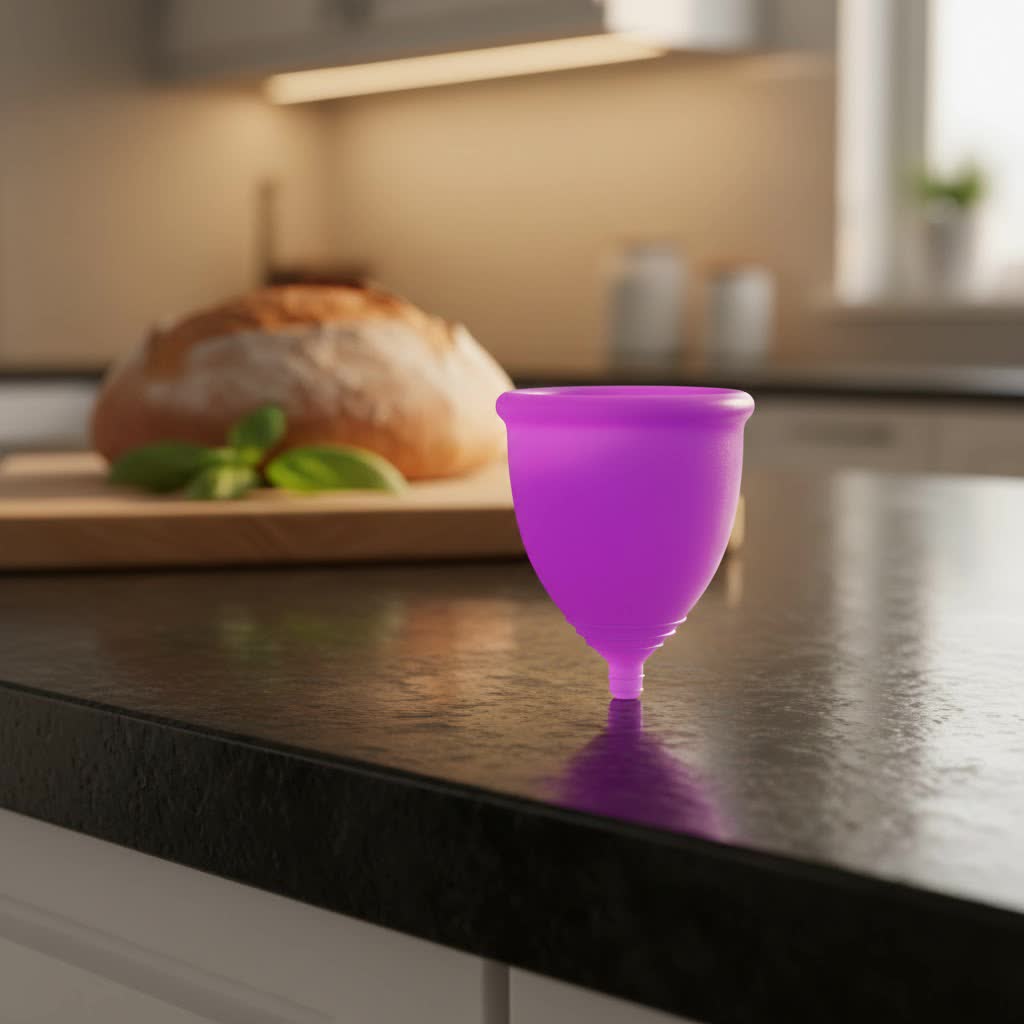
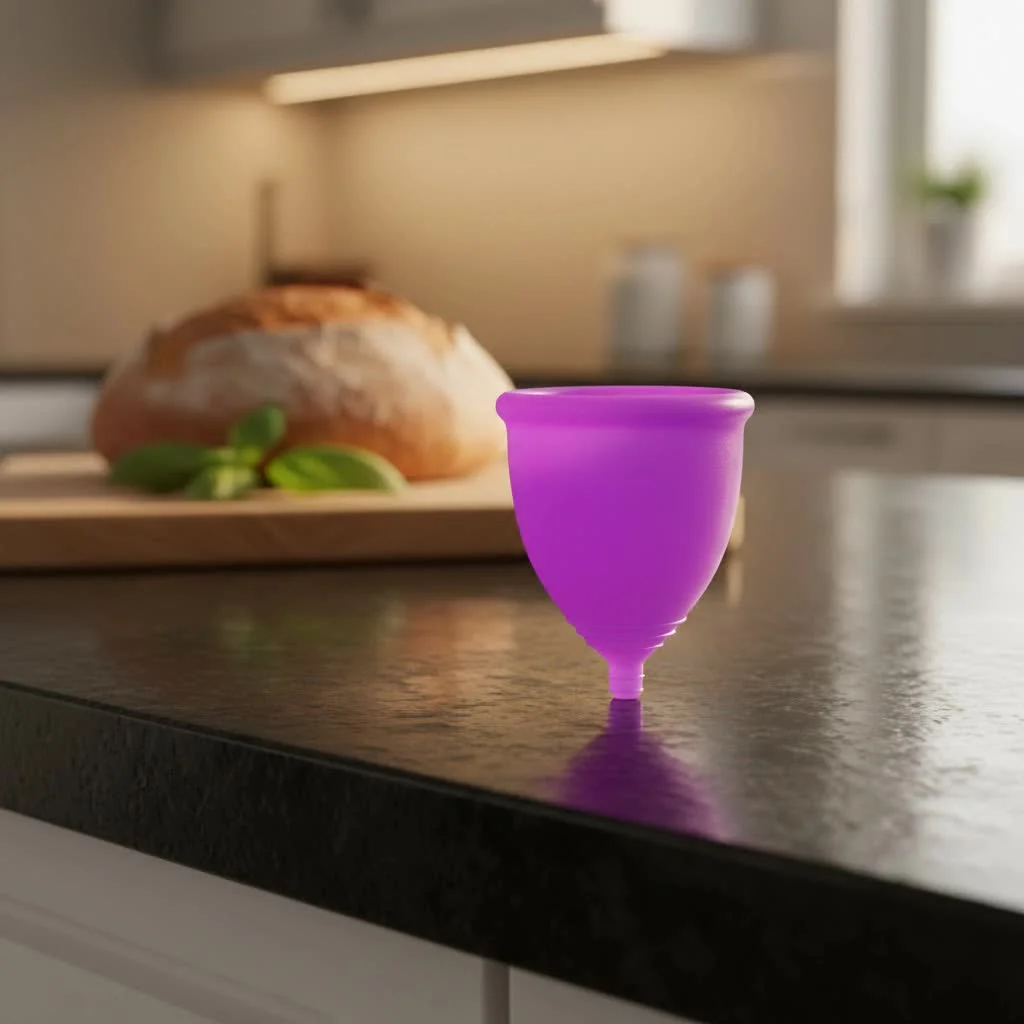
A menstrual cup is a small, flexible, bell-shaped device inserted into the vagina to collect menstrual fluid. Typically made from medical-grade silicone, natural rubber, or thermoplastic elastomer (TPE), these cups are designed for reusability, with many lasting up to a decade with proper care. Unlike tampons and pads that absorb fluid, menstrual cups collect it, offering a different approach to period management.
When compared to conventional period products, menstrual cups boast a significantly higher capacity. While a super tampon might hold around 5 to 8 milliliters of fluid, menstrual cups can hold anywhere from 20 to 50 milliliters, and some menstrual discs even up to 70 milliliters, dramatically reducing the frequency of changes required. This increased capacity is a primary reason many individuals with heavy flows turn to cups, seeking longer wear times and fewer interruptions to their day.
The advantages of using a menstrual cup extend beyond just capacity. They are notably more cost-effective in the long run, eliminating the need for continuous purchases of disposable products. Environmentally, reusable cups drastically reduce waste, making them a sustainable choice. Users often report less odor and dryness compared to tampons, and the risk of Toxic Shock Syndrome (TSS) is significantly lower with cups. However, there is an initial learning curve for insertion and removal, and finding the perfect fit can sometimes require a bit of experimentation. Some users also find emptying the cup on heavy days can be a bit messy until they master the technique.
Types of Menstrual Cups for Heavy Flow
For those experiencing a heavy flow, not all menstrual cups are created equal. The key lies in selecting cups specifically designed with higher capacities and features that cater to increased fluid volume.
Menstrual cups are primarily made from a few materials:
- Medical-grade silicone is the most popular choice, known for being hypoallergenic, durable, and easy to clean. Most high-capacity cups are made from this material.
- Natural rubber (latex) is another option, offering flexibility, but it carries the risk of allergic reactions for some individuals.
- Thermoplastic elastomer (TPE) is a softer, often more affordable alternative, though it may not be as durable as silicone in the long term.
Beyond material, cups also vary in shape. Many cups are bell-shaped, which provides ample collection space. Others might be more conical or spherical. Menstrual discs, though distinct from cups, are also for heavy flow, as some models offer extremely high capacities (e.g., up to 70ml) and sit in a different part of the vaginal canal (the fornix), which some find more comfortable and effective for heavy bleeding.
The most critical factor for heavy flow management is capacity. Cups specifically marketed for heavy periods often range from 30ml to 50ml. Some well-regarded brands known for their high-capacity options include Merula XL (which holds 50ml and features a unique bell shape), nixit (a disc with 70ml capacity), Super Jennie (a popular choice for its generous size), Pixie Cup XL, and Best, Periodt. Size 2 (which holds 40ml). These brands understand the need for reliable protection that lasts longer than standard cups, offering peace of mind to users with heavier flows.
Comparison of Menstrual Cup Materials
Choosing the right material for your menstrual cup is a crucial step, especially when managing a heavy flow. Each material offers distinct characteristics in terms of safety, durability, and flexibility, which can impact both comfort and effectiveness.
| Feature | Medical-Grade Silicone | Natural Rubber/Latex | TPE |
|---|---|---|---|
| Pros | Highly safe, durable, easy to clean, hypoallergenic. Often comes in high capacities. | Environmentally friendly (if natural), very flexible, can be softer. | Cost-effective, flexible, often a softer feel. |
| Cons | Higher initial cost. | Potential for latex allergies, less common in high-capacity options, may degrade faster. | Generally less durable than silicone, may not maintain shape as well over time. |
| Heavy Flow Relevance | Most popular and reliable for heavy flow due to wide availability in high capacities and excellent sealing properties. | Niche market due to allergy concerns; high-capacity options are fewer. | Fewer high-capacity options, may lack the firmness needed for a consistent seal with heavy flow. |
Choosing the Right Size for Your Heavy Flow
Selecting the correct menstrual cup size is paramount, especially when managing a heavy flow. An ill-fitting cup can lead to leaks and discomfort, defeating the purpose of switching to this innovative product. Several factors influence the ideal size, and understanding these will help you make an informed decision.
Your flow volume is the primary consideration. For heavy flows, opting for a cup with a higher capacity is essential to ensure longer wear times and prevent overflows. Capacities typically range, with larger cups often holding 30ml to 50ml, significantly more than standard options.
Cervix height plays a critical role in how comfortably a cup sits and seals. You can measure your cervix height by inserting a clean finger into your vagina until you feel your cervix, which typically feels like the tip of your nose.
- If your cervix is high (you can insert most or all of your finger), you might benefit from a longer cup or one with a prominent stem or ring, which aids in easier removal.
- If you have an average cervix, most standard-length cups will likely work well.
- For a low cervix (you can barely insert one knuckle), a shorter cup is necessary to prevent it from protruding or causing discomfort.
Your age and birth history are also important. Generally, individuals over 30 or who have had a vaginal birth may find larger cup sizes more suitable. This is because childbirth and age can affect pelvic floor muscle tone and vaginal anatomy, potentially requiring a wider or higher capacity cup for optimal fit and leak prevention.
Lastly, pelvic floor strength can influence the firmness of the cup you choose. Individuals with strong pelvic floor muscles might prefer a slightly firmer cup, which can pop open more easily and maintain a secure seal. Conversely, those with a more sensitive bladder or weaker pelvic floor might find softer cups more comfortable, though they may require more effort to ensure a proper seal.
For beginners, it’s common to go through a learning phase. Don’t be discouraged if your first cup isn’t the perfect fit. Many brands offer excellent customer support and even exchange policies, allowing you to try different sizes until you find your ideal match.
How to Effectively Use a Menstrual Cup for Heavy Flow
Mastering the insertion, removal, and care of your menstrual cup is key to a comfortable and leak-free experience, especially with a heavy flow. With a bit of practice, it becomes second nature.
Insertion begins with clean hands. There are several popular folding techniques to make the cup smaller for insertion, such as the C-fold, punch-down fold, 7-fold, or tulip fold. Experiment to see which works best for you. Relax your pelvic floor muscles, then insert the folded cup at a slight angle towards your tailbone. Once inside, ensure the cup fully opens by gently rotating it or running a finger around its base to check for any indentations. A proper seal is vital to prevent leaks, so confirm it has created a gentle suction against the vaginal walls.
Removal also requires clean hands and a relaxed state. Locate the stem or base of the cup, then gently pinch the base to break the suction seal. Avoid pulling directly on the stem, as this can be uncomfortable and potentially messy. Once the seal is broken, gently pull the cup downwards, tilting it slightly to avoid spills, and empty the contents into the toilet.
Cleaning and care are crucial for hygiene and the longevity of your cup. After each removal, rinse your cup with cold water to prevent staining, then wash it with warm water and a mild, unscented soap. Before your first use of a cycle and after your last, sterilize your cup by boiling it in water for 5-10 minutes. Always store your clean, dry cup in a breathable cotton bag between periods, rather than an airtight container, to prevent moisture buildup.
For those with a heavy flow, you might find yourself needing to empty your cup more frequently than the advertised 12-hour wear time, especially on your heaviest days. Depending on your flow, this could mean emptying every 4-8 hours. It’s also a wise idea to use a backup, such as a panty liner or period underwear, especially when you are new to using a cup or on your heaviest days, just for added reassurance against potential leaks.
Where to Buy Menstrual Cups for Heavy Flow?
Finding the right menstrual cup for heavy flow can be a major upgrade, and luckily, there’s a wide array of reputable brands available. Some of the most trusted names known for their high-capacity options include Merula, nixit, Super Jennie, Saalt, Pixie Cup, Lena Cup, Ruby Cup, OrganiCup, Lunette, and Diva Cup. These brands often offer different sizes and firmness levels to cater to diverse needs.
You have the flexibility to purchase menstrual cups both online and offline. Online retailers typically offer a broader selection, allowing you to compare various brands, sizes, and capacities from the comfort of your home. Websites like Amazon, dedicated period product stores (such as Period.Shop or specialty menstrual cup retailers), and the brands’ official websites are excellent sources. Online shopping often comes with the benefit of customer reviews, which can provide valuable insights from users with similar heavy flow experiences.
When buying, several factors should guide your decision:
- Capacity: Ensure the cup’s capacity aligns with your heaviest flow days.
- Material: Confirm it’s made from medical-grade silicone or another material you prefer, especially if you have allergies.
- Firmness: Consider if you need a softer or firmer cup based on your body’s sensitivity and pelvic floor strength.
- Stem Type: Some prefer a longer stem for easier reach, while others might trim it.
- Brand Reputation: Stick with well-known brands that have positive reviews and clear safety standards.
- Return/Exchange Policy: Some brands offer generous return or exchange policies, which can be beneficial if your first choice isn’t quite right.
Researching these aspects and considering user feedback will help you make a confident purchase.
Your Menstrual Cup Purchase Guide for Heavy Flow
Making the switch to a menstrual cup, especially for managing heavy flow, is an investment in your comfort and well-being. To ensure you make the best choice, follow this comprehensive purchase guide.
First, determine your personal needs. This involves honestly assessing your flow volume, knowing your cervix height (high, average, or low), considering your age and whether you’ve given vaginal birth, and understanding your pelvic floor strength. These factors are crucial in narrowing down the size and firmness that will work best for your body. For heavy flow, prioritize cups with higher capacities.
Next, research information about various brands and products. Look for cups specifically designed or recommended for heavy flow. Many brands offer detailed sizing guides and product specifications on their websites. Explore how different shapes (bell-shaped, conical) and stem designs (short, long, ring) might suit your anatomy and ease of use.
Reading user reviews is an invaluable step. Pay close attention to feedback from individuals who also experience heavy menstrual flow. Look for comments on capacity, leak protection, comfort, ease of insertion and removal, and overall satisfaction on heavy days. Reviews can often highlight practical aspects that product descriptions might miss.
Compare prices and features across different brands and retailers. While the initial cost of a menstrual cup might seem higher than disposable products, it’s a long-term investment. Consider the cup’s material, firmness, capacity, and any unique design features. Also, check for bundles or starter kits that might include two different sizes or cleaning supplies.
Finally, choose a reputable place to buy. Purchase directly from the brand’s official website or from authorized retailers. This ensures you receive an authentic, high-quality product made from safe, medical-grade materials. Be wary of unusually low prices from unverified sellers, as these could indicate counterfeit products. By following these steps, you’ll be well-equipped to select a menstrual cup that offers reliable protection and lasting comfort for your heaviest flow days.
Conclusion
Embracing a menstrual cup for heavy flow can be a truly transformative experience, offering unparalleled freedom, confidence, and comfort during your period. With their superior capacity and leak-proof design, these innovative products not only simplify your menstrual routine but also contribute positively to environmental sustainability. Finding the perfect fit requires a thoughtful approach, considering factors like your unique anatomy, flow volume, and personal preferences.
By diligently researching brands, understanding different cup types and materials, and assessing your individual needs, you can confidently choose a menstrual cup that provides reliable protection throughout your heaviest days. The initial learning curve is a small investment for years of comfortable and worry-free periods. Make the informed choice today to step into a more empowered and eco-conscious menstrual care journey. Are you ready to embrace a more comfortable and sustainable period with a menstrual cup designed for your heaviest days?
Frequently Asked Questions
Can a menstrual cup truly handle heavy flow?
|
Our Picks for the Best Menstrual Cup in 2026
As an Amazon Associate I earn from qualifying purchases.
|
||
| Num | Product | Action |
|---|---|---|
| 1 | Saalt Soft Menstrual Cup – Reusable Period Cup – Made for Comfortable, Leak-Free Protection Up to 12 Hours – BPA & Latex Free – Includes Cup & Carry Bag (Small, Desert Blush) |

|
| 2 | Pixie Menstrual Cup Kit - Best Period Cup Starter Kit for Feminine Care - Proven to Be What You Need to Become A Successful Cup User - 100% Medical-Grade Silicone - Tampon Alternative |
|
| 3 | Pixie Cup - Soft, Safe, Reusable Menstrual Cup - Ranked 1 for The Best Tampon Alternative - 100% Medical-Grade Silicone Period Cup for Feminine Care - Buy One We Give One (Large) |
|
| 4 | EcoBlossom Reusable Menstrual Cup and Case - The Most Reliable Medical Grade Silicone Period Cups - Comfortably use for 12 Hours (Large (Pack of 2), Gray Cup & Case) |
|
| 5 | Menstrual Cup Steamer Sterilizer with 2 Reusable Menstrual Cups, Period Cups Cleaner Wash Kit |
|
| 6 | Saalt Soft Menstrual Cup – Reusable Period Cup – Made for Comfortable, Leak-Free Protection Up to 12 Hours – BPA & Latex Free – Includes Cup & Carry Bag (Regular, Mountain Iris) |
|
| 7 | Venus Menstrual Cup (Period Cup for Women) - Best for Heavy Flow - 12 Hours Leak-Free Protection - 100% Medical-Grade Silicone Reusable Cup - Unique Design to Ease Your Period Cycle - Large |
|
| 8 | Shordy Reusable Menstrual Cup Set of 2 (Small & Large) Soft Medical-Grade Silicone Period Cups Easy Removal Ribbed Stem, 12-Hour Leakproof Comfort Copa Menstrual – Alternative to Pads, Tampons & Disc |
|
| 9 | Menstrual Cups with Collapsible Storage Cup, Leak-Proof Design with Medical Grade Silicone Period Cups Reusable, Tampon and Pad Alternative,for Light Flow and Heavy Flow Large+Small |
|
| 10 | EcoBlossom Reusable Menstrual Cup Set - The Most Reliable Medical Grade Silicone Period Cups - Comfortably use for 12 Hours (Small & Large) |
|
Yes, many high-capacity menstrual cups are specifically engineered for heavy periods, offering significantly more fluid retention than typical tampons or pads. Cups with capacities ranging from 30ml to 70ml can provide extended wear time and robust leak protection, making them an excellent choice for managing a heavy flow.
How often do I need to empty a menstrual cup with a heavy flow?
While most menstrual cups can be worn for up to 12 hours, if you have a heavy flow, you may need to empty it more frequently. Depending on your individual flow, this could mean emptying your cup every 4 to 8 hours to prevent leaks and maintain comfort.
Will a menstrual cup leak if I have a heavy flow?
When properly sized and inserted, a menstrual cup forms a secure seal against the vaginal walls, effectively preventing leaks. Leaks typically occur if the cup is too small for your flow, incorrectly positioned, or hasn’t fully unfolded to create a proper seal. Choosing a higher capacity cup and mastering insertion techniques are key to a leak-free experience.
Are menstrual cups messy for heavy flow?
The removal process, especially on very heavy days, can sometimes be a bit messy initially. However, with practice, most users quickly develop techniques to minimize spills. The benefits of extended wear time and reduced waste often outweigh the minor learning curve associated with managing a heavy flow with a menstrual cup.
Get our weekly buyer guide
Practical specs, not advice. Unsubscribe anytime.

I’ve struggled with heavy flows for years, always paranoid about leaks, especially overnight. This guide really helped me understand the different capacities. I ended up trying the Saalt Cup in regular and it’s been a game-changer! I can finally sleep through the night without waking up to a mess. So much more comfortable than tampons too.
I appreciate the breakdown of different cup types. I was using a disc but found it a bit messy to remove. Switched to a cup after reading about the stem options here, and it’s definitely easier for me. Still getting the hang of insertion perfectly, but the leak protection is amazing even on my heaviest days. No more constant bathroom trips!
Seriously, if you have a heavy flow, you NEED to read this. I used to go through super tampons every hour on my worst days. The extended wear time mentioned here is no joke. I got a high-capacity cup and I can go 8-10 hours without worrying. It’s given me so much more confidence, especially when I’m out and about.
I was excited to try a cup for my heavy flow after seeing it mentioned as a cost-effective option. While it definitely saves money, I found the learning curve a bit steeper than expected. The guide talked about different firmness levels, and I think I might have picked one that’s a little too firm for me, causing some discomfort. I’ll keep trying, but it’s not as immediately comfortable as I hoped.