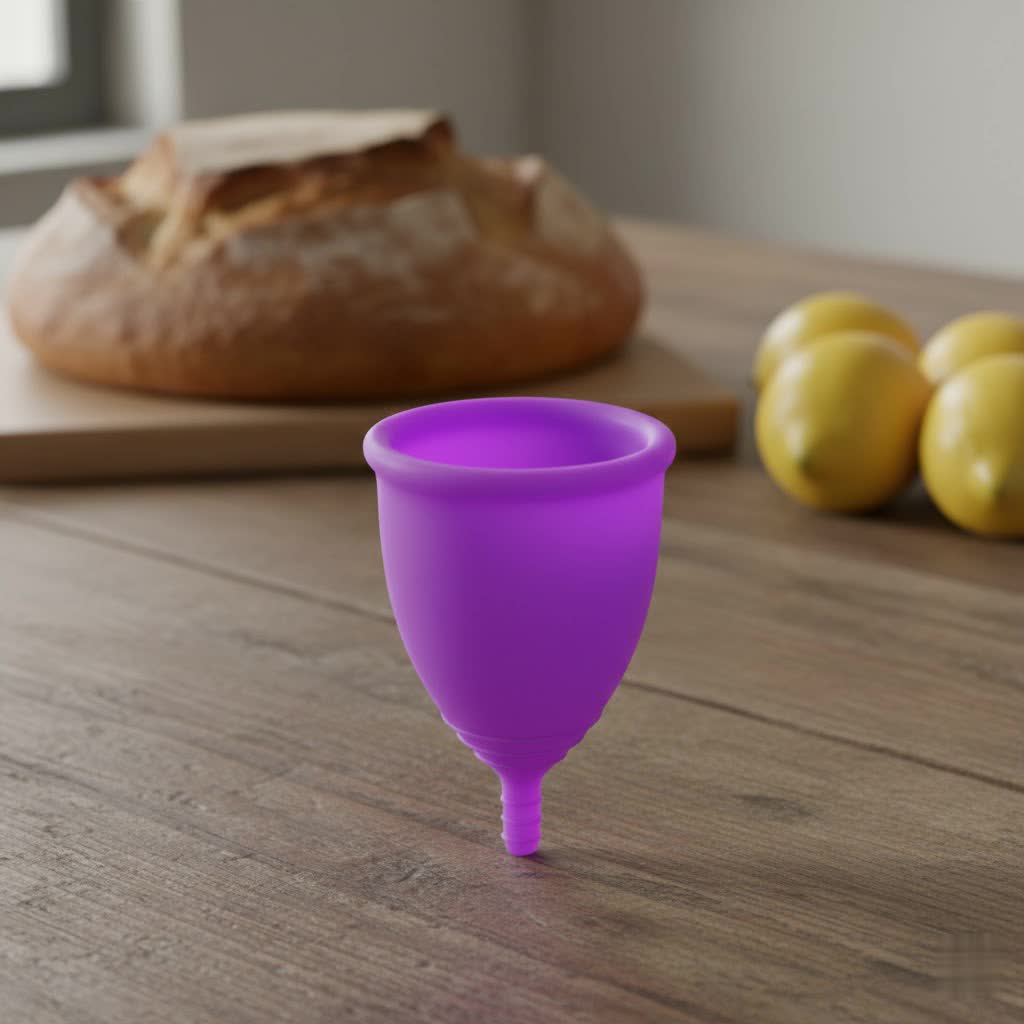
Are you tired of letting your period dictate your summer plans or stop you from enjoying a refreshing dip? Imagine a world where your menstrual cycle doesn’t interrupt your swimming routine. For many, the idea of swimming during their period can bring concerns about leaks, discomfort, or hygiene, but thanks to the menstrual cup, these worries can be a thing of the past. This comprehensive guide will navigate you through everything you need to know about using a menstrual cup for swimming, ensuring you can embrace every splash with confidence and comfort.
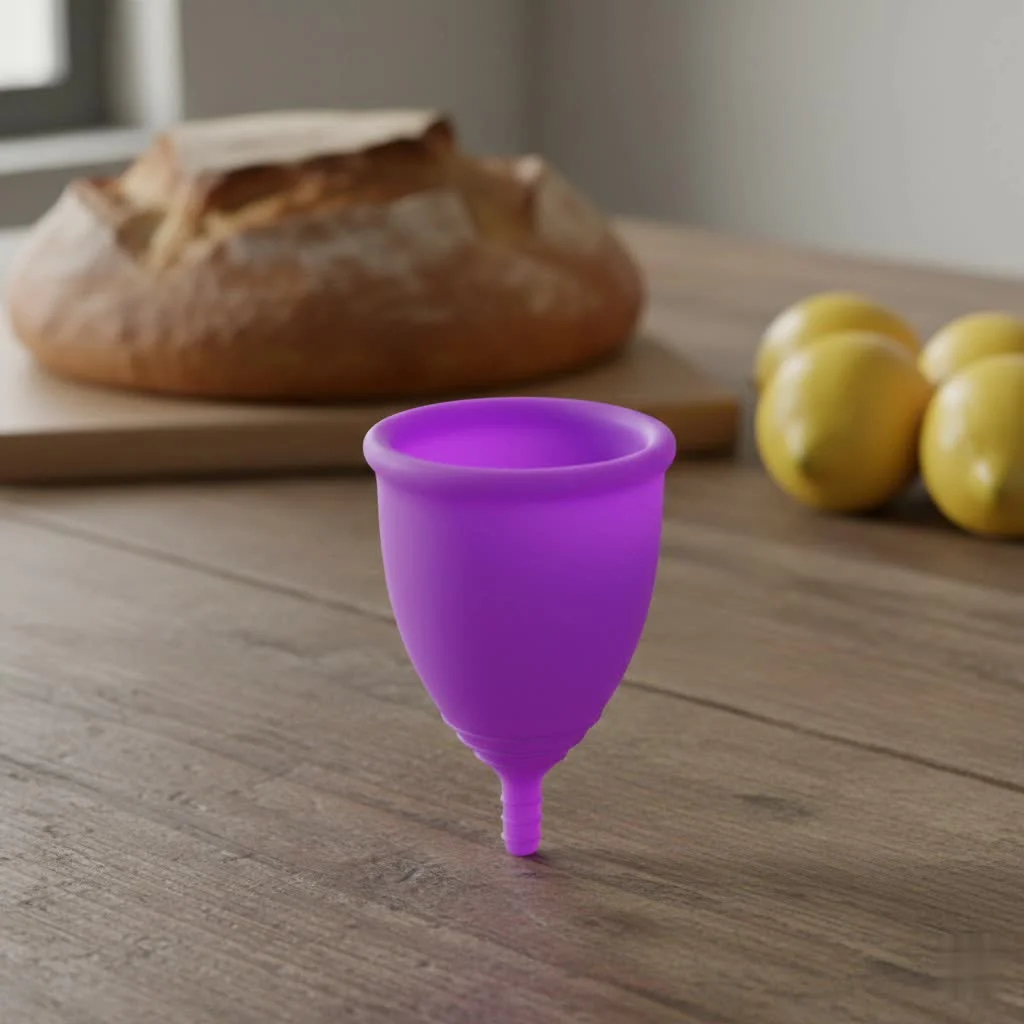
Choosing the Right Menstrual Cup: A Detailed Guide
Before diving into the water, understanding what a menstrual cup is and how to choose the right one is crucial for a worry-free experience. For browse all menstrual cup articles on this site.
What is a Menstrual Cup?
A menstrual cup is a reusable feminine hygiene product inserted into the vagina to collect menstrual fluid. Typically made from medical-grade silicone, natural rubber latex, or TPE (thermoplastic elastomer), these small, flexible cups form a seal against the vaginal walls, preventing leaks. While the concept dates back to the 1930s, modern menstrual cups have gained immense popularity for their eco-friendliness, cost-effectiveness, and superior protection.
Compared to traditional products like pads and tampons, menstrual cups offer distinct advantages, especially for activities like swimming. Pads sit externally and become waterlogged, while tampons absorb fluid, including pool or ocean water, which can lead to discomfort or potential infections. Menstrual cups, however, collect rather than absorb, maintaining a hygienic internal environment and offering up to 12 hours of leak-free protection.
Advantages of using a menstrual cup for swimming:
- Leak-Proof Security: When properly inserted, a menstrual cup creates a vacuum seal that securely holds menstrual fluid, effectively preventing leaks even during vigorous water activities.
- Comfort and Freedom: No strings, no bulk, and no waterlogged material means unparalleled comfort and the freedom to move without self-consciousness.
- Hygiene: Unlike tampons, cups don’t absorb external water, reducing the risk of chemical exposure from pools or bacteria from natural bodies of water.
- Extended Wear: Enjoy longer periods in the water without the need for frequent changes, often up to 12 hours depending on your flow.
However, some may find the initial insertion and removal challenging, and the upfront cost is higher than disposable options, though it saves money in the long run.
Popular Menstrual Cup Types
Menstrual cups come in various types, categorized by their material, shape, and size, each offering unique benefits.
- By Material:
- Medical-grade Silicone: The most common material, highly durable, hypoallergenic, and easy to clean. It’s the go-to for many due to its safety and longevity.
- Natural Rubber Latex: A more eco-friendly option for some, but not suitable for individuals with latex allergies.
- TPE (Thermoplastic Elastomer): A good alternative for those sensitive to silicone or latex, often slightly softer, and recyclable.
- By Shape: Cups generally come in bell, V-shape, or more rounded designs. The specific curvature and stem design can impact comfort and ease of removal.
- By Size: Cups are typically available in small, medium, and large. Sizes are often determined by factors like age, childbirth history, and flow intensity.
Menstrual Cup Material Comparison
|
Our Picks for the Best Menstrual Cup in 2026
As an Amazon Associate I earn from qualifying purchases.
|
||
| Num | Product | Action |
|---|---|---|
| 1 | Menstrual Cup Steamer Sterilizer with 2 Reusable Menstrual Cups, Period Cups Cleaner Wash Kit |

|
| 2 | Pixie Cup - Soft, Safe, Reusable Menstrual Cup - Ranked 1 for The Best Tampon Alternative - 100% Medical-Grade Silicone Period Cup for Feminine Care - Buy One We Give One (Large) |
|
| 3 | Saalt Soft Menstrual Cup – Reusable Period Cup – Made for Comfortable, Leak-Free Protection Up to 12 Hours – BPA & Latex Free – Includes Cup & Carry Bag (Regular, Mountain Iris) |
|
| 4 | Saalt Soft Menstrual Cup – Reusable Period Cup – Made for Comfortable, Leak-Free Protection Up to 12 Hours – BPA & Latex Free – Includes Cup & Carry Bag (Small, Desert Blush) |
|
| 5 | Shordy Reusable Menstrual Cup Set of 2 (Small & Large) Soft Medical-Grade Silicone Period Cups Easy Removal Ribbed Stem, 12-Hour Leakproof Comfort Copa Menstrual – Alternative to Pads, Tampons & Disc |
|
| 6 | Pixie Menstrual Cup Kit - Best Period Cup Starter Kit for Feminine Care - Proven to Be What You Need to Become A Successful Cup User - 100% Medical-Grade Silicone - Tampon Alternative |
|
| 7 | EcoBlossom Reusable Menstrual Cup Set - The Most Reliable Medical Grade Silicone Period Cups - Comfortably use for 12 Hours (Small & Large) |
|
| 8 | Venus Menstrual Cup (Period Cup for Women) - Best for Heavy Flow - 12 Hours Leak-Free Protection - 100% Medical-Grade Silicone Reusable Cup - Unique Design to Ease Your Period Cycle - Large |
|
| 9 | Menstrual Cups with Collapsible Storage Cup, Leak-Proof Design with Medical Grade Silicone Period Cups Reusable, Tampon and Pad Alternative,for Light Flow and Heavy Flow Large+Small |
|
| 10 | EcoBlossom Reusable Menstrual Cup and Case - The Most Reliable Medical Grade Silicone Period Cups - Comfortably use for 12 Hours (Large (Pack of 2), Gray Cup & Case) |
|
| Feature | Medical-grade Silicone | Natural Rubber Latex | TPE |
|---|---|---|---|
| Pros | Highly safe, durable, easy to clean, hypoallergenic | Environmentally friendly, biodegradable | Hypoallergenic, often softer, recyclable |
| Cons | Higher initial cost | Can cause allergic reactions for some | Less durable than silicone |
| Durability | Excellent | Good | Moderate |
| Flexibility | Moderate to firm, varies by brand | Very flexible | Moderate |
Guide to Selecting Menstrual Cup Size
Choosing the correct size is paramount for preventing leaks and ensuring comfort, especially when swimming. Several factors influence this decision:
- Age: Younger individuals or those who haven’t given birth typically opt for smaller sizes.
- Childbirth History: Women who have given birth vaginally often need a larger size, as childbirth can alter pelvic floor muscle strength and vaginal shape.
- Flow Intensity: A heavier flow might require a larger capacity cup, regardless of other factors, to extend wear time.
- Cervix Height: A high cervix might accommodate a longer cup, while a low cervix requires a shorter, bell-shaped cup. You can measure your cervix height by inserting a clean finger into your vagina until you feel your cervix (it feels like the tip of your nose).
- Pelvic Floor Muscle Strength: Stronger pelvic floor muscles might allow for a smaller cup, while weaker muscles could benefit from a slightly firmer or larger cup to maintain a seal.
For beginners, starting with a medium-sized cup is often recommended, as it offers a good balance for average needs. Many brands also offer “starter packs” with two different sizes to help you find your perfect fit.
How to Use a Menstrual Cup
Proper insertion and removal techniques are crucial for a leak-free experience, both in daily life and particularly when swimming.
-
Folding Techniques:
- C-Fold (or U-Fold): Pinch the cup flat, then fold it in half to form a ‘C’ or ‘U’ shape. This is a common and easy fold.
- Punch-Down Fold: Push one side of the rim down into the cup, creating a smaller, pointed tip. This often makes for the smallest insertion point.
- 7-Fold: Pinch the cup flat, then fold one corner down diagonally to meet the opposite side, forming a ‘7’ shape.
-
Insertion:
- Wash your hands thoroughly.
- Find a comfortable position (squatting, sitting on the toilet, or standing with one leg raised).
- Fold your cup using your preferred method.
- Gently insert the folded cup, rim first, into your vagina, aiming towards your tailbone.
- Once inside, release the fold. The cup should pop open and form a seal. You can check the seal by running a finger around the base of the cup to feel if it’s fully open, or by gently tugging on the stem – if you feel resistance, the seal is good.
-
Removal:
- Wash your hands.
- Find a comfortable position.
- Gently bear down with your pelvic floor muscles to push the cup lower.
- Reach for the stem or base of the cup. Pinch the base to break the suction seal.
- Wiggle the cup out slowly, keeping it upright to avoid spills.
- Empty the contents into the toilet, rinse the cup with water, and reinsert.
-
Cleaning and Care:
- During your cycle, empty and rinse your cup with water (and a mild, unscented soap if desired) every 4-12 hours.
- Before and after each cycle, sterilize your cup by boiling it in water for 5-10 minutes.
- Store your cup in a breathable pouch, not an airtight container, to allow air circulation.
Swimming with a Menstrual Cup: Specifics for Water Activities
The main question for many is, “Can I really swim with a menstrual cup?” The answer is a resounding yes! Menstrual cups are an excellent choice for water activities, offering superior protection and peace of mind compared to other period products.
Is it Safe to Swim with a Menstrual Cup?
Absolutely. Menstrual cups are perfectly safe for swimming. They are designed from medical-grade, hypoallergenic materials that are body-safe and non-absorbent. This means they won’t soak up water from the pool or ocean, reducing the risk of irritation or bacterial imbalance often associated with tampons. As long as proper hygiene practices are followed, such as washing your hands before insertion and removal, there is no elevated risk of infection when swimming with a cup.
Will It Leak or Fill with Water?
A properly inserted menstrual cup creates a secure suction seal with your vaginal walls. This seal is incredibly effective at preventing menstrual fluid from leaking out. Crucially, it also blocks water from entering the cup. So, you can confidently swim, dive, and splash without worrying about leaks. While some sources suggest a minimal amount of water could potentially enter the cup under certain conditions, it’s generally not a concern, as menstrual blood is thicker and will not leak out, and the small amount of water won’t impact its efficacy.
Tips for Confident Menstrual Cup Swimming
To ensure your swimming experience is completely worry-free:
- Empty Before You Go: For maximum wear time and peace of mind, empty your menstrual cup just before you head into the water.
- Ensure a Perfect Seal: After insertion, take an extra moment to confirm the cup has fully opened and formed a seal. A gentle twist or running your finger around the base can help ensure it’s properly positioned.
- Public Restroom Changing: If you need to empty your cup at a public pool or beach restroom, bring a small bottle of water into the stall with you to rinse the cup over the toilet. Alternatively, you can wipe it clean with toilet paper before reinserting. Accessible or family restrooms with private sinks are also a great option.
- Consider Period Swimwear: While a well-fitted menstrual cup is highly reliable on its own, pairing it with period-proof swimwear can provide an extra layer of security, especially on heavy flow days or if you’re still building confidence.
- After Your Swim: It’s good practice to empty, rinse, and re-insert your cup after swimming, especially if you’ve been in chlorinated water, to avoid prolonged contact with chemicals.
Debunking Menstrual Cup Swimming Myths
Let’s address some common misconceptions:
- “Menstrual cups increase the risk of vaginal infections when swimming.” False. With proper hygiene, menstrual cups are very safe. They don’t absorb water, minimizing exposure to external elements.
- “Swimming strokes or diving will dislodge the cup.” Incorrect. Once a cup is correctly inserted and sealed, it stays firmly in place, regardless of physical activity or water pressure changes.
- “Period blood attracts sharks.” This is an urban legend. There are no credible reports linking menstruating swimmers to increased shark interest.
“A menstrual cup is a fantastic solution for anyone seeking a safe, convenient, and environmentally friendly period product, especially for activities like swimming. It offers unparalleled freedom.” – Dr. Emily R. Carter, Women’s Health Specialist
Where to Buy a Menstrual Cup?
When purchasing a menstrual cup, prioritize safety, quality, and your personal fit.
Reputable Menstrual Cup Brands
Look for brands known for using medical-grade materials and clear sizing guidelines. Some well-regarded brands include DivaCup, Lena Cup, Saalt, Lunette, and OrganiCup, among many others. These brands often have extensive user reviews and educational resources.
Online vs. Offline Shopping
- Online: Offers a wider selection of brands, sizes, and styles. You can also discreetly compare prices and read numerous customer reviews. Ensure you purchase from official brand websites or reputable retailers to avoid counterfeit products.
- Offline: Available at many pharmacies, health food stores, and larger supermarkets. This allows you to physically examine the product (though not open the packaging) and speak with store staff for advice.
Key Considerations When Buying
- Material: Always check that the cup is made from medical-grade silicone, natural rubber latex, or TPE. Avoid products with unknown or questionable materials.
- Size: Refer to the brand’s sizing chart and consider your personal factors (age, childbirth history, flow, cervix height).
- Brand Reputation: Choose established brands with positive feedback and transparent product information.
- Price: While some cups are pricier, they are a long-term investment. Beware of unusually cheap products, as quality might be compromised.
Conclusion
Embracing a menstrual cup for swimming is a major upgrade, offering unmatched freedom, comfort, and reliability during your period. By understanding how to choose the right cup, insert it correctly, and follow simple hygiene practices, you can enjoy all your favorite water activities without a second thought. Bid farewell to period anxieties and welcome a new era of confident swimming. What watery adventure will you embark on next with your newfound period freedom?
Frequently Asked Questions
Can I swim overnight with a menstrual cup?
Yes, absolutely. Menstrual cups can be worn for up to 12 hours, making them perfect for overnight use, even if you plan a late-night swim or an early morning dip. Just ensure it’s inserted correctly before you sleep or swim.
How often should I empty my menstrual cup when swimming?
The frequency of emptying depends on your flow intensity. For maximum confidence, it’s recommended to empty your cup right before you enter the water. You can typically wear it for several hours, but on heavier flow days or for extended water sessions, you might consider changing it after 4-6 hours, or as needed, following proper hygiene.
Will the chlorine in pool water damage my menstrual cup?
Occasional exposure to chlorinated pool water is generally not an issue for medical-grade silicone or TPE menstrual cups. However, it’s advisable to rinse and clean your cup thoroughly with water (and possibly a mild soap) after swimming to minimize prolonged contact with chemicals and maintain its integrity over time.
Get our weekly buyer guide
Practical specs, not advice. Unsubscribe anytime.
