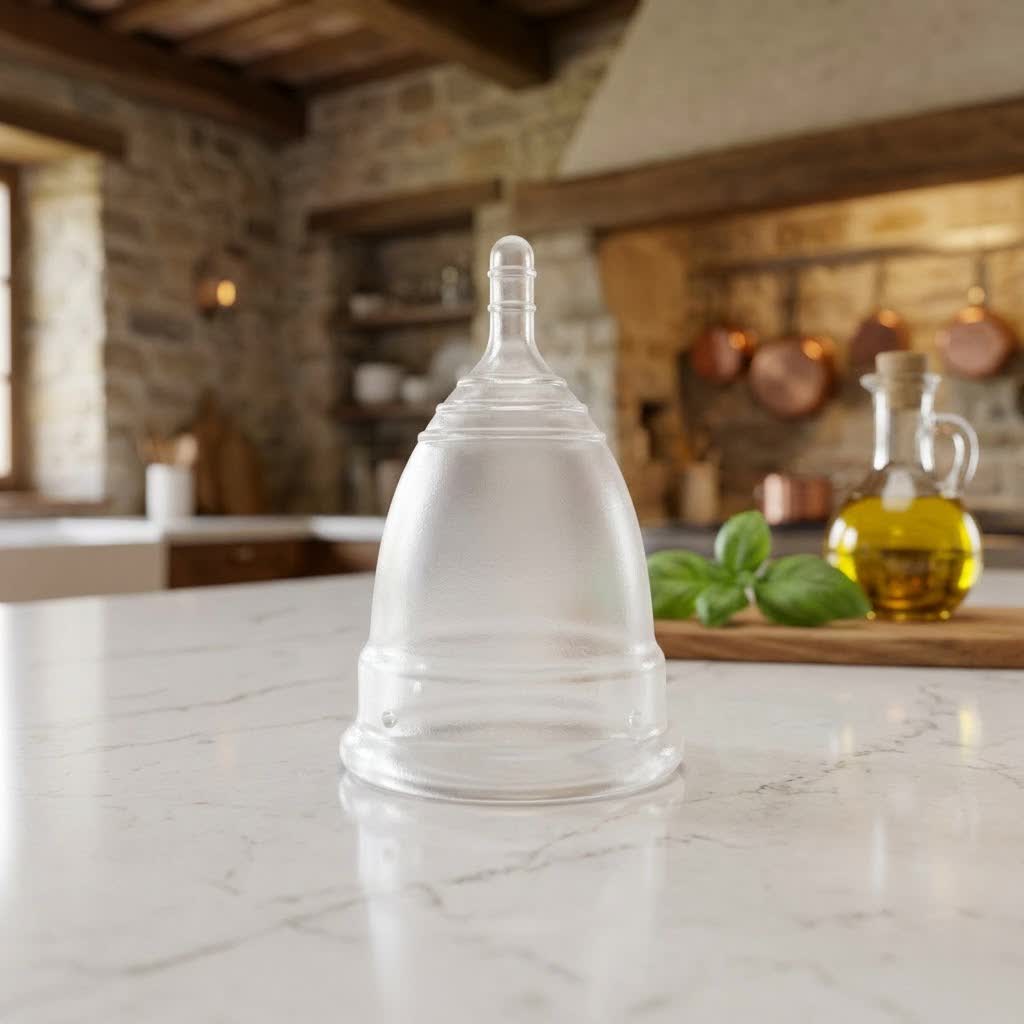
Navigating the world of menstrual products can sometimes feel overwhelming, with an array of choices from traditional pads and tampons to newer, innovative solutions. If you’ve been considering a shift towards a more sustainable, comfortable, and often more economical option, the menstrual cup might be precisely what you’re looking for. This comprehensive guide will delve into what menstrual cups are, how they function, the diverse types available, and how to select the perfect one to suit your individual needs. We’ll explore everything from materials and sizing to usage and care, empowering you to make an informed decision for your menstrual health journey.
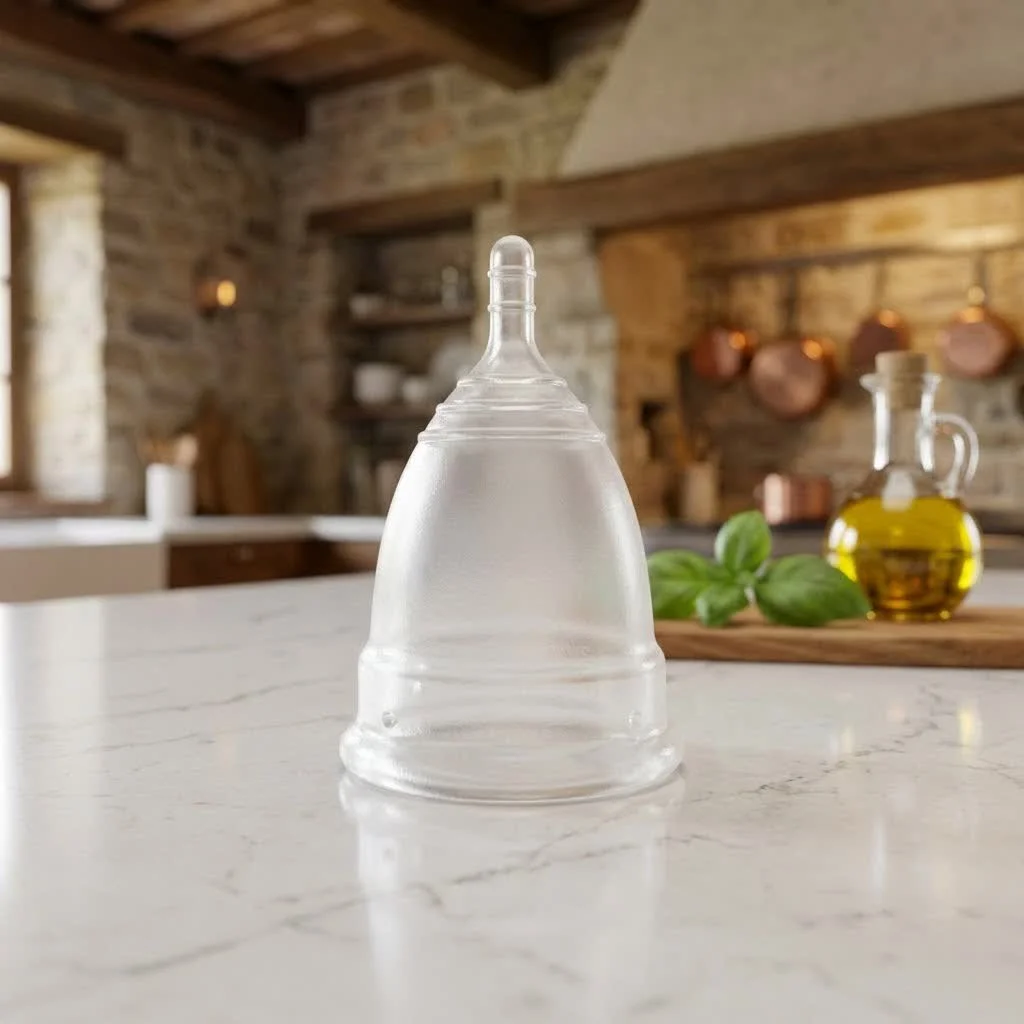
Choosing the Right Menstrual Cup: A Detailed Guide
What is a Menstrual Cup?
A menstrual cup is a flexible, bell-shaped or disc-shaped device designed to be inserted into the vagina during menstruation to collect, rather than absorb, menstrual fluid. Typically made from medical-grade silicone, thermoplastic elastomer (TPE), or natural rubber, these reusable products offer a modern alternative to disposable pads and tampons. Unlike absorbent products that soak up blood, a menstrual cup creates a gentle seal against the vaginal walls, collecting fluid in its reservoir until it’s removed, emptied, rinsed, and reinserted. This collection method means they can often hold more fluid than traditional options and can be worn for longer periods, up to 12 hours.
The concept of menstrual cups dates back to the 1930s, though they have seen a significant surge in popularity in recent decades due to advancements in materials and increased awareness of environmental and health benefits. Compared to tampons and pads, menstrual cups offer distinct advantages. They eliminate the waste associated with disposable products, are cost-effective over time, and do not contribute to vaginal dryness or alter the natural pH balance, as they don’t absorb natural vaginal moisture. Furthermore, the risk of Toxic Shock Syndrome (TSS), a rare but serious bacterial infection, is generally lower with menstrual cups compared to tampons. However, a slight learning curve for insertion and removal can be a initial drawback for new users.
Popular Types of Menstrual Cups
Menstrual cups come in various types, primarily differentiated by their material, shape, and size. Understanding these distinctions is key to finding a cup that offers maximum comfort and efficacy.
By Material:
- Medical-Grade Silicone: This is the most common material for menstrual cups. It is highly durable, hypoallergenic for most individuals, non-porous (making it easy to clean), and can last for several years with proper care. Its flexibility can vary, impacting ease of insertion and comfort.
- Thermoplastic Elastomer (TPE): TPE is another popular material, known for being soft, flexible, and often recyclable. Like silicone, it is generally hypoallergenic. TPE cups can sometimes offer a slightly different feel and flexibility compared to silicone.
- Natural Rubber/Latex: Less common today due to allergy concerns, some menstrual cups are made from natural rubber or latex. If you have a latex allergy, it is crucial to avoid these types of cups.
By Shape:
- Bell-Shaped: This is the most traditional and widely recognized shape, resembling a bell or funnel with a stem at the bottom for easier removal. They typically sit lower in the vaginal canal.
- V-Shaped: These cups are longer than they are wide, with a gradual taper from the rim to the base. This design is often considered versatile and comfortable for many users.
- Disc-Shaped (or Menstrual Discs): Unlike bell or V-shaped cups, discs are flatter and wider, designed to sit higher in the vaginal fornix, behind the pubic bone. They don’t block the vaginal canal and some can even be worn during penetrative sex.
By Size:
Menstrual cups are typically available in small, medium, and large sizes. These sizes are not standardized across all brands, but generally, smaller cups are recommended for individuals with lighter flows, those who have not given birth vaginally, or are younger. Larger sizes are often suggested for those with heavier flows, who have given birth vaginally, or are older (as vaginal muscles can weaken over time).
Comparison Table for Menstrual Cup Materials
|
Our Picks for the Best Menstrual Cup in 2026
As an Amazon Associate I earn from qualifying purchases.
|
||
| Num | Product | Action |
|---|---|---|
| 1 | Venus Menstrual Cup (Period Cup for Women) - Best for Heavy Flow - 12 Hours Leak-Free Protection - 100% Medical-Grade Silicone Reusable Cup - Unique Design to Ease Your Period Cycle - Large |

|
| 2 | Pixie Menstrual Cup Kit - Best Period Cup Starter Kit for Feminine Care - Proven to Be What You Need to Become A Successful Cup User - 100% Medical-Grade Silicone - Tampon Alternative |
|
| 3 | Menstrual Cups with Collapsible Storage Cup, Leak-Proof Design with Medical Grade Silicone Period Cups Reusable, Tampon and Pad Alternative,for Light Flow and Heavy Flow Large+Small |
|
| 4 | Saalt Soft Menstrual Cup – Reusable Period Cup – Made for Comfortable, Leak-Free Protection Up to 12 Hours – BPA & Latex Free – Includes Cup & Carry Bag (Small, Desert Blush) |
|
| 5 | Pixie Cup - Soft, Safe, Reusable Menstrual Cup - Ranked 1 for The Best Tampon Alternative - 100% Medical-Grade Silicone Period Cup for Feminine Care - Buy One We Give One (Large) |
|
| 6 | EcoBlossom Reusable Menstrual Cup and Case - The Most Reliable Medical Grade Silicone Period Cups - Comfortably use for 12 Hours (Large (Pack of 2), Gray Cup & Case) |
|
| 7 | Saalt Soft Menstrual Cup – Reusable Period Cup – Made for Comfortable, Leak-Free Protection Up to 12 Hours – BPA & Latex Free – Includes Cup & Carry Bag (Regular, Mountain Iris) |
|
| 8 | EcoBlossom Reusable Menstrual Cup Set - The Most Reliable Medical Grade Silicone Period Cups - Comfortably use for 12 Hours (Small & Large) |
|
| 9 | Menstrual Cup Steamer Sterilizer with 2 Reusable Menstrual Cups, Period Cups Cleaner Wash Kit |
|
| 10 | Shordy Reusable Menstrual Cup Set of 2 (Small & Large) Soft Medical-Grade Silicone Period Cups Easy Removal Ribbed Stem, 12-Hour Leakproof Comfort Copa Menstrual – Alternative to Pads, Tampons & Disc |
|
Choosing the right material is vital for comfort, safety, and longevity. Here’s a comparison of the most common materials:
| Feature | Medical-Grade Silicone | Natural Rubber/Latex | TPE (Thermoplastic Elastomer) |
|---|---|---|---|
| Advantages | Safe, highly durable, easy to clean, generally hypoallergenic, long lifespan | Biodegradable (natural rubber), may be softer for some | Often very soft and flexible, hypoallergenic, sometimes recyclable |
| Disadvantages | Higher initial cost, not biodegradable | Risk of latex allergy, less common, shorter lifespan | Can be less durable than silicone, some brands may be firmer |
| Common Use | Most widely used, suitable for majority of users | Limited use due to allergy concerns | Good alternative for those sensitive to silicone or seeking specific flexibility |
How to Choose Your Menstrual Cup Size
Selecting the correct menstrual cup size is paramount for comfort and to prevent leaks. Several factors influence this choice:
- Age: Younger individuals or those under 30 who haven’t given birth vaginally may find smaller cups more suitable.
- Birth History: If you have given birth vaginally, a larger cup is generally recommended as vaginal muscles and the cervix may have shifted or stretched. Those who have had a C-section but no vaginal births might still opt for a smaller size, similar to those who haven’t given birth.
- Flow Volume: Individuals with a heavy menstrual flow will benefit from a cup with a larger capacity, requiring less frequent emptying.
- Cervix Height: The position of your cervix can vary during your period and influences the length of cup you can comfortably wear. A high cervix might accommodate a longer cup or disc, while a low cervix requires a shorter cup to avoid discomfort or protrusion.
- Pelvic Floor Strength: Strong pelvic floor muscles can often hold a smaller or softer cup more securely. Weaker pelvic floor muscles (which can occur after childbirth or with age) may benefit from a firmer or larger cup to ensure a proper seal.
To measure your cervix height, insert a clean finger into your vagina until you feel your cervix (it feels like the tip of your nose). Note how far your finger went in. This measurement helps determine if you need a short, medium, or long cup. For beginners, starting with a medium-sized, moderately firm cup is often a good general recommendation, but always consult product guidelines.
How to Use a Menstrual Cup
Using a menstrual cup effectively involves learning how to fold, insert, remove, and care for it properly. While there’s a learning curve, most users adapt within a few cycles.
1. Folding Techniques: Before insertion, the cup needs to be folded. Popular folds include:
- C-Fold (or U-Fold): Fold the cup in half to form a “C” or “U” shape.
- Punch-Down Fold (or Shell Fold): Push one side of the rim down into the cup to create a smaller insertion point.
- 7-Fold: Press the sides of the cup together and then fold one corner down to the opposite side to form a “7.”
Experiment to find the fold that works best for your body and cup’s flexibility.
2. Insertion: With clean hands, get into a comfortable position (squatting, sitting on the toilet, or standing with one leg raised). Gently insert the folded cup into your vagina, aiming towards your tailbone. Once inside, release the fold, and the cup should spring open, forming a seal. You can check the seal by running a finger around the base of the cup or gently twisting it. If inserted correctly, you shouldn’t feel the cup.
3. Removal: After up to 12 hours, or when full, it’s time to remove and empty your cup. Again, with clean hands, get into a comfortable position. Gently bear down with your pelvic floor muscles to lower the cup. Reach in and locate the stem or base. Pinch the base of the cup to break the seal, then gently pull it out, keeping it upright to avoid spills.
4. Cleaning and Care: After emptying, rinse the cup with cold water to prevent staining, then wash it with warm water and a mild, unscented soap. You can reinsert it immediately. After each menstrual cycle, sterilize your cup by boiling it in water for 5-10 minutes. Store it in a breathable pouch (usually provided by the manufacturer) until your next period.
Where to Buy Menstrual Cups?
The market for menstrual cups has expanded significantly, offering a wide range of reputable brands and purchasing options.
Reputable Brands: Some well-known and trusted brands include DivaCup, Lunette, Lena, Saalt, OrganiCup, and Flex. Each brand may offer slightly different designs, flexibilities, and sizes, so exploring their specific product lines is recommended.
Buying Online vs. Offline:
- Online: Websites like Amazon, dedicated period product retailers, or the brands’ official websites offer the widest selection, often with customer reviews and detailed product specifications. This can be great for comparing options and finding specific models.
- Offline: Many pharmacies, health food stores, and large supermarkets now stock menstrual cups. Buying in person allows you to physically feel the cup’s material and flexibility, which can be helpful for some.
Key Considerations When Buying:
- Material: Ensure it’s medical-grade silicone, TPE, or a material you are not allergic to. Look for FDA-registered products if in the US.
- Size: Refer to sizing guides based on age, birth history, and flow.
- Brand Reputation: Choose brands with good reviews and transparent manufacturing processes.
- Price: While the initial cost is higher than a box of tampons, remember it’s a long-term investment.
- Certifications: Look for products that meet health and safety standards in your region.
Step-by-Step Buying Guide for Menstrual Cups
Ready to make the switch? Follow this guide to help you find your ideal menstrual cup:
-
Determine Your Needs:
- Flow: Is your period light, moderate, or heavy? This will influence the cup’s capacity you need.
- Cervix Height: Measure your cervix height during your period to understand what cup length will be comfortable.
- Activity Level: Active individuals might prefer a firmer cup or a disc for added security during movement.
- Sensitivity: If you’re sensitive, a softer cup might be more comfortable.
-
Research Brands and Products:
- Look into different menstrual cup brands and the specific models they offer.
- Read reviews from users with similar body types or flow characteristics.
- Consult online comparison charts that detail cup dimensions, firmness, and capacity.
-
Compare Options:
- Consider the material: Do you prefer silicone or TPE? Do you have any allergies?
- Think about the shape: Would a traditional bell-shape, a V-shape, or a disc be best for your anatomy and lifestyle?
- Evaluate the firmness: Softer cups are often more comfortable but can be harder to open. Firmer cups open easily but might cause more pressure for some.
-
Check for Certifications and Authenticity:
- Always purchase from reputable retailers or directly from the brand’s website to ensure you receive an authentic, safe product made from medical-grade materials.
- Verify any certifications like FDA registration or European CE mark, which indicate adherence to health standards.
> “Menstrual cups are a fantastic option for those seeking a safe, convenient, and environmentally conscious period product, empowering women with a comfortable and reliable solution for their health.” – Reviewsricelk.com Health Expert
Conclusion
The menstrual cup represents a significant evolution in menstrual hygiene, offering a reusable, eco-friendly, and cost-effective alternative to traditional products. By collecting rather than absorbing menstrual fluid, it promotes better vaginal health, reduces waste, and provides up to 12 hours of leak-free protection. While there’s a small initial learning curve, understanding the different types, materials, and sizing guidelines can lead you to a choice that perfectly aligns with your body and lifestyle. Embracing a menstrual cup means investing in a solution that is beneficial for both your well-being and the planet. Are you ready to discover the comfort and freedom a menstrual cup can offer during your period?
Frequently Asked Questions
Is a menstrual cup uncomfortable to wear?
When properly inserted and sized, a menstrual cup should be virtually unnoticeable. Discomfort usually arises from incorrect insertion, using the wrong size, or if the cup hasn’t fully opened to create a seal. With a bit of practice and finding the right fit, most users experience significant comfort.
Can a menstrual cup be worn overnight?
Yes, absolutely! One of the major advantages of menstrual cups is their ability to be worn for up to 12 hours, making them ideal for overnight use. Their collection capacity is often greater than tampons or pads, providing reliable, leak-free protection throughout the night, allowing for undisturbed sleep.
Get our weekly buyer guide
Practical specs, not advice. Unsubscribe anytime.
