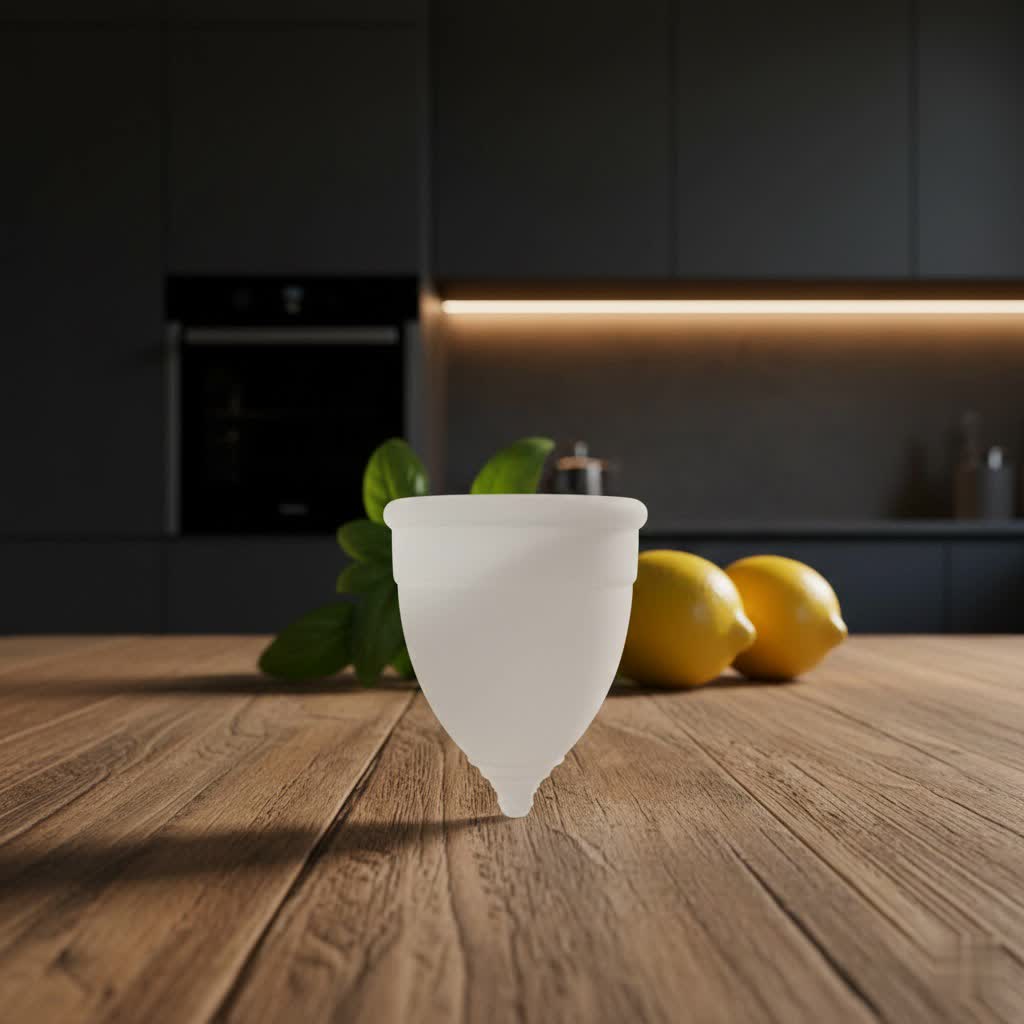
Finding a menstrual cup on sale is an excellent way to transition to a more comfortable, eco-friendly, and cost-effective period solution, with many high-quality options available at reduced prices. Menstrual cups typically cost between $20 and $40, but sales can bring prices down by 15-30%, making them more accessible. This guide will help you navigate menstrual cup deals, ensuring you find a product that fits your needs and budget without compromising safety or effectiveness.
What is a Menstrual Cup?
A menstrual cup is a reusable feminine hygiene product inserted into the vagina to collect menstrual fluid. Typically made from medical-grade silicone, rubber, or TPE, it forms a seal against the vaginal walls, preventing leaks and offering a comfortable alternative to traditional pads and tampons. Unlike disposable products that absorb fluid, the cup collects it, which can then be emptied, rinsed, and reinserted, making it a sustainable choice that can last for years with proper care.
Compared to other menstrual products, menstrual cups offer distinct advantages. They are environmentally friendly, significantly reducing waste over a lifetime of use. They are also incredibly cost-effective in the long run, as a single cup can replace hundreds of disposable products. Users often report less dryness and irritation compared to tampons, and the ability to wear them for up to 12 hours offers unparalleled freedom during daily activities, exercise, and even sleep. While the initial learning curve can be a slight disadvantage for some, the long-term benefits typically outweigh this challenge.
Popular Types of Menstrual Cups
Menstrual cups come in various materials, shapes, and sizes, each designed to cater to different body types and preferences. Understanding these classifications is key to finding your ideal fit, especially when looking for specific options during a menstrual cup sale.
Classification by Material
- Medical-Grade Silicone: This is the most common material due to its safety, flexibility, and durability. Silicone cups are hypoallergenic, easy to clean, and resistant to bacteria. They are often a top choice for those with sensitivities.
- Natural Rubber (Latex): Some cups are made from natural rubber, which can be a more environmentally conscious option for those without latex allergies. However, it’s crucial to check for allergy warnings.
- TPE (Thermoplastic Elastomer): TPE is a type of plastic that is softer and more flexible than silicone. It’s a good alternative for those with silicone allergies, offering a comfortable fit.
Classification by Shape
- Bell-shaped: This is the most common design, resembling a bell with a stem. It’s versatile and works well for many users.
- V-shaped/Conical: Some cups have a slightly more tapered or V-shaped design, which can be preferred by individuals with a higher cervix or those who find bell shapes too wide.
- Round/Spherical: Less common, these shapes might be designed for specific anatomical needs or comfort preferences, often with a wider base.
Classification by Size
|
Our Picks for the Best Menstrual Cup in 2026
We may earn a commission when you use one of our links to make a purchase.
|
||
| Num | Product | Action |
|---|---|---|
| 1 | Saalt Soft Menstrual Cup – Reusable Period Cup – Made for Comfortable, Leak-Free Protection Up to 12 Hours – BPA & Latex Free – Includes Cup & Carry Bag (Regular, Mountain Iris) |

|
| 2 | Venus Menstrual Cup (Period Cup for Women) - Best for Heavy Flow - 12 Hours Leak-Free Protection - 100% Medical-Grade Silicone Reusable Cup - Unique Design to Ease Your Period Cycle - Large |
|
| 3 | Shordy Reusable Menstrual Cup Set of 2 (Small & Large) Soft Medical-Grade Silicone Period Cups Easy Removal Ribbed Stem, 12-Hour Leakproof Comfort Copa Menstrual – Alternative to Pads, Tampons & Disc |
|
| 4 | Pixie Cup - Soft, Safe, Reusable Menstrual Cup - Ranked 1 for The Best Tampon Alternative - 100% Medical-Grade Silicone Period Cup for Feminine Care - Buy One We Give One (Large) |
|
| 5 | EcoBlossom Reusable Menstrual Cup and Case - The Most Reliable Medical Grade Silicone Period Cups - Comfortably use for 12 Hours (Large (Pack of 2), Gray Cup & Case) |
|
| 6 | Saalt Soft Menstrual Cup – Reusable Period Cup – Made for Comfortable, Leak-Free Protection Up to 12 Hours – BPA & Latex Free – Includes Cup & Carry Bag (Small, Desert Blush) |
|
| 7 | EcoBlossom Reusable Menstrual Cup Set - The Most Reliable Medical Grade Silicone Period Cups - Comfortably use for 12 Hours (Small & Large) |
|
| 8 | Menstrual Cups with Collapsible Storage Cup, Leak-Proof Design with Medical Grade Silicone Period Cups Reusable, Tampon and Pad Alternative,for Light Flow and Heavy Flow Large+Small |
|
| 9 | Menstrual Cup Steamer Sterilizer with 2 Reusable Menstrual Cups, Period Cups Cleaner Wash Kit |
|
| 10 | Pixie Menstrual Cup Kit - Best Period Cup Starter Kit for Feminine Care - Proven to Be What You Need to Become A Successful Cup User - 100% Medical-Grade Silicone - Tampon Alternative |
|
Menstrual cups typically come in small, medium, and large sizes. These sizes are not just about flow volume but also about anatomy. Smaller sizes are often recommended for younger users, those who haven’t given birth, or individuals with a lighter flow. Medium and larger sizes are generally suited for those who have given birth, have a heavier flow, or have stronger pelvic floor muscles.
Comparing Menstrual Cup Types
| Feature | Medical-Grade Silicone | Natural Rubber (Latex) | TPE |
|---|---|---|---|
| Pros | Safe, hypoallergenic, durable, easy to clean, long-lasting | Biodegradable, potentially softer | Good for silicone allergies, soft, flexible |
| Cons | Higher initial cost, can be less flexible than TPE | Not suitable for latex allergies, less common | Potentially less durable than silicone |
| Durability | Excellent (up to 10 years) | Good (up to 5 years) | Moderate (up to 2 years) |
| Flexibility | Moderate to high | High | Very High |
| Availability | Widespread | Limited | Growing |
How to Choose the Right Menstrual Cup Size
Selecting the correct menstrual cup size is paramount for comfort and leak prevention. Several factors influence this decision beyond just your menstrual flow.
- Age: Generally, younger individuals who have not given birth may start with a smaller size.
- Childbirth History: Those who have given birth vaginally often require a larger cup due as the vaginal canal and pelvic floor muscles may be wider or less toned.
- Cervix Height: A crucial factor, as a low cervix requires a shorter cup, while a high cervix needs a longer one. You can measure your cervix height by inserting a clean finger into your vagina until you feel your cervix (it feels like the tip of your nose).
- Pelvic Floor Muscle Strength: Stronger pelvic floor muscles might allow for a smaller cup, while weaker muscles might benefit from a slightly larger or firmer cup for better sealing.
Measuring Cervix Height: To determine your cervix height, insert a clean finger into your vagina. Note how much of your finger goes in before you touch your cervix. If it’s short (knuckle 1-2), you have a low cervix. Medium (knuckle 2-3) is average, and if you can’t reach it, you have a high cervix. This measurement helps determine the ideal length of your cup.
For beginners, starting with a medium-sized, moderately firm cup is often recommended, as it offers a good balance of capacity and ease of insertion. Many brands also offer specific “starter” sizes.
How to Use a Menstrual Cup
Using a menstrual cup can seem intimidating at first, but with a little practice, it becomes second nature.
Folding Techniques
Before insertion, the cup needs to be folded. Popular folds include:
- C-Fold (or U-Fold): Press the sides of the cup together and then fold it in half to form a ‘C’ or ‘U’ shape. This is a very common and simple fold.
- Punch-Down Fold (or 7-Fold): Push one side of the rim down into the cup, then fold the opposite corner over to meet the pushed-down side, creating a narrower insertion point.
- Tulip Fold: This fold involves pushing one side of the rim down towards the base of the cup, creating a point like a tulip bud.
Insertion and Removal
To insert, find a comfortable position (squatting, sitting on the toilet, or standing with one leg up). Fold the cup and gently insert it into your vagina, aiming towards your tailbone, not straight up. Once it’s fully inside, release the fold. The cup should pop open and create a seal. You can check for the seal by gently pulling on the stem; if you feel resistance, it’s sealed.
To remove, wash your hands thoroughly. Squat or sit on the toilet, bear down with your pelvic muscles (as if having a bowel movement) to push the cup lower. Reach in, feel for the stem, and gently pull it until you can reach the base of the cup. Pinch the base to break the seal and carefully wiggle the cup out, keeping it upright to avoid spills. Empty the contents, rinse, and reinsert.
Cleaning and Storage
After each removal, empty the cup and rinse it with cold water. You can also wash it with mild, unscented soap. Between cycles, sterilize your cup by boiling it in water for 5-10 minutes. Store your dry cup in a breathable pouch (usually provided with the cup) – never in an airtight container, as this can encourage bacterial growth.
Where to Buy Menstrual Cups (and Find a Sale!)
When looking for a menstrual cup sale, knowing reputable brands and purchasing channels is essential to ensure you get a quality product.
Reputable Menstrual Cup Brands
Many trusted brands offer high-quality menstrual cups. Some of the most well-known include DivaCup, Lena Cup, Saalt, Lunette, OrganiCup, and Flex Cup. These brands are often stocked by major retailers and have a strong online presence.
Online vs. Offline Shopping
- Online: Websites like Amazon, Target, Walmart, and dedicated menstrual cup retailers often have a wider selection of brands and sizes, and are excellent places to find a menstrual cup sale. Keep an eye out for seasonal promotions, discount codes, or bundle deals.
- Offline: Many pharmacies (like CVS, Walgreens, Boots), natural health stores, and some supermarkets carry menstrual cups. While the selection might be smaller, you can inspect the packaging and sometimes find local deals.
Tips for Buying During a Sale
When purchasing a menstrual cup, especially during a sale, always check:
- Material: Ensure it’s medical-grade silicone, TPE, or natural rubber if you don’t have allergies.
- Size: Double-check the size guide provided by the brand and your cervix height.
- Brand Reputation: Stick to well-known brands with good customer reviews.
- Price: Compare prices across different retailers to ensure you’re getting a genuine deal.
- Returns Policy: Understand the store’s return or exchange policy, especially for hygiene products.
How to Successfully Purchase a Menstrual Cup
Making an informed decision about your menstrual cup is crucial for long-term satisfaction. Here’s a systematic approach:
- Determine Your Personal Needs: Start by understanding your cervix height, typical flow volume, and whether you’ve given birth. This will guide your size and firmness preferences.
- Research Brands and Products: Explore the brands mentioned earlier and read their product descriptions. Pay attention to features like stem type, firmness, and capacity.
- Read User Reviews: Customer reviews offer invaluable insights into real-world experiences. Look for comments on comfort, ease of insertion/removal, and leak prevention.
- Compare Prices and Retailers: Once you’ve narrowed down your choices, compare prices across different online and physical stores. Sign up for newsletters from your preferred brands or retailers, as this is often how they announce a menstrual cup sale or exclusive discounts. Consider looking for bundles or starter kits that might offer better value.
- Look for a Menstrual Cup Sale: Keep an eye out for major shopping events like Black Friday, Cyber Monday, or even brand-specific anniversary sales. These are prime opportunities to snag a quality cup at a reduced price.
“A menstrual cup is a transformative product that offers both personal comfort and a significant environmental benefit. Investing in one, especially during a sale, is a smart decision for both your body and the planet.” – Dr. Eleanor Vance, Gynecologist and Women’s Health Advocate
Conclusion
Embracing the menstrual cup is a choice that benefits your body, your wallet, and the environment. While the initial investment might seem a little higher than disposable products, the long-term savings and comfort are undeniable. By carefully considering your personal needs, researching reputable brands, and actively seeking out a menstrual cup sale, you can find the perfect period solution without breaking the bank. Don’t let the price deter you from experiencing the freedom and confidence that a menstrual cup can offer.
What are your top priorities when searching for a menstrual cup – is it price, comfort, or environmental impact?
Frequently Asked Questions
Can a menstrual cup cause discomfort?
When properly inserted and sized, a menstrual cup should not cause discomfort. Many users report not feeling it at all. Discomfort typically arises from incorrect insertion, using the wrong size or firmness for your body, or if the cup hasn’t fully opened inside. Practice and choosing the right fit are key to a comfortable experience.
Can a menstrual cup be worn overnight?
Yes, a menstrual cup can safely be worn overnight for up to 12 hours, depending on your flow. Its secure placement and capacity make it an excellent choice for extended wear, including during sleep. Always ensure the cup is emptied and rinsed before inserting it for overnight use.
Are menstrual cups truly eco-friendly?
Absolutely. A single menstrual cup can last for years, often up to a decade, drastically reducing the amount of waste generated by disposable pads and tampons. This long lifespan means fewer products ending up in landfills, making them a highly sustainable and environmentally friendly menstrual option.
How do I choose the right menstrual cup size?
Choosing the right menstrual cup size depends on factors like age, childbirth history, cervix height, and pelvic floor muscle strength. Younger individuals or those who haven’t given birth often start with smaller sizes, while those who have given birth vaginally may need a larger cup. Measuring your cervix height is crucial for selecting the correct cup length.
What are the main types of menstrual cup materials?
The main types of menstrual cup materials are medical-grade silicone, natural rubber (latex), and TPE (Thermoplastic Elastomer). Medical-grade silicone is the most common due to its safety and durability, while TPE offers a softer alternative for those with silicone allergies. Natural rubber is a biodegradable option but is not suitable for individuals with latex allergies.
Frequently Asked Questions
Can a menstrual cup cause discomfort?
When properly inserted and sized, a menstrual cup should not cause discomfort. Many users report not feeling it at all. Discomfort typically arises from incorrect insertion, using the wrong size or firmness for your body, or if the cup hasn't fully opened inside. Practice and choosing the right fit are key to a comfortable experience.
Can a menstrual cup be worn overnight?
Yes, a menstrual cup can safely be worn overnight for up to 12 hours, depending on your flow. Its secure placement and capacity make it an excellent choice for extended wear, including during sleep. Always ensure the cup is emptied and rinsed before inserting it for overnight use.
Are menstrual cups truly eco-friendly?
Absolutely. A single menstrual cup can last for years, often up to a decade, drastically reducing the amount of waste generated by disposable pads and tampons. This long lifespan means fewer products ending up in landfills, making them a highly sustainable and environmentally friendly menstrual option.
How do I choose the right menstrual cup size?
Choosing the right menstrual cup size depends on factors like age, childbirth history, cervix height, and pelvic floor muscle strength. Younger individuals or those who haven't given birth often start with smaller sizes, while those who have given birth vaginally may need a larger cup. Measuring your cervix height is crucial for selecting the correct cup length.
What are the main types of menstrual cup materials?
The main types of menstrual cup materials are medical-grade silicone, natural rubber (latex), and TPE (Thermoplastic Elastomer). Medical-grade silicone is the most common due to its safety and durability, while TPE offers a softer alternative for those with silicone allergies. Natural rubber is a biodegradable option but is not suitable for individuals with latex allergies.
How to Successfully Purchase a Menstrual Cup
Follow these steps to make an informed decision and find the perfect menstrual cup for your needs, especially when looking for sales.
Start by understanding your cervix height, typical flow volume, and whether you've given birth. This information will guide your size and firmness preferences for a menstrual cup.
Explore reputable brands like DivaCup, Lena Cup, and Saalt. Read their product descriptions carefully, paying attention to features such as stem type, firmness, and capacity to match your needs.
Customer reviews offer invaluable insights into real-world experiences. Look for comments on comfort, ease of insertion/removal, and leak prevention to help narrow down your choices.
Once you've narrowed down your choices, compare prices across different online and physical stores. Sign up for newsletters from your preferred brands or retailers, as this is often how they announce a menstrual cup sale or exclusive discounts. Consider looking for bundles or starter kits that might offer better value.
Keep an eye out for major shopping events like Black Friday, Cyber Monday, or brand-specific anniversary sales. These are prime opportunities to snag a quality cup at a reduced price, often saving 15-30% off the original cost.
Get our weekly buyer guide
Practical specs, not advice. Unsubscribe anytime.

I finally took the plunge during a sale and got my first menstrual cup, and I’m so glad I did! The guide really helped me understand the different materials, and I opted for a medical-grade silicone one. It’s been a game-changer for comfort and I love how much less waste I’m producing. Definitely worth the investment, especially when you can snag one at a reduced price.
I’ve been using a cup for years, but my old one was getting a bit worn. I was thrilled to find a good deal on a new one that was originally in the $35 range. The cost-effectiveness is a huge plus for me, and I appreciate that I could upgrade without breaking the bank. It’s so much better than constantly buying tampons.
Seriously, if you’re on the fence about menstrual cups, just go for it! I used to dread my period, but now it’s so much more manageable. The fact that it collects fluid instead of absorbing it makes a huge difference in how I feel. Finding a high-quality option on sale made it an even sweeter deal.
I was excited to try a menstrual cup after reading about how eco-friendly they are. I found one for about $22, which was a good price. While it’s definitely comfortable once it’s in, I’ve had a bit of trouble getting the seal right sometimes, leading to a few small leaks. It’s a learning curve, but I’m still hopeful it will get easier with practice.