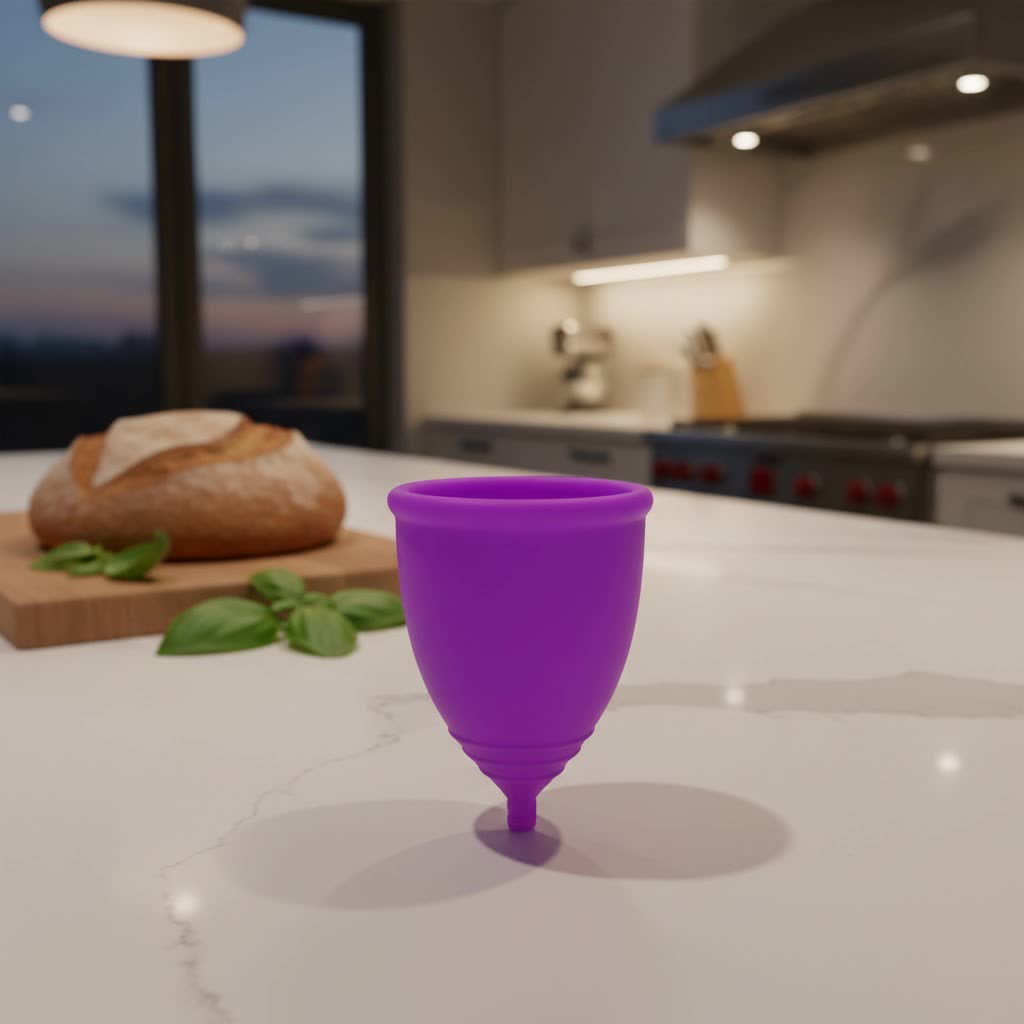
Have you ever considered a period product that offers unparalleled comfort, long-lasting protection, and a positive impact on both your wallet and the planet? Ladies menstrual cups are revolutionizing menstrual hygiene, providing a sustainable and healthy alternative to traditional pads and tampons. This comprehensive guide will demystify menstrual cups, helping you understand what they are, how to choose the perfect one for your body, and master their use for a truly liberating period experience.
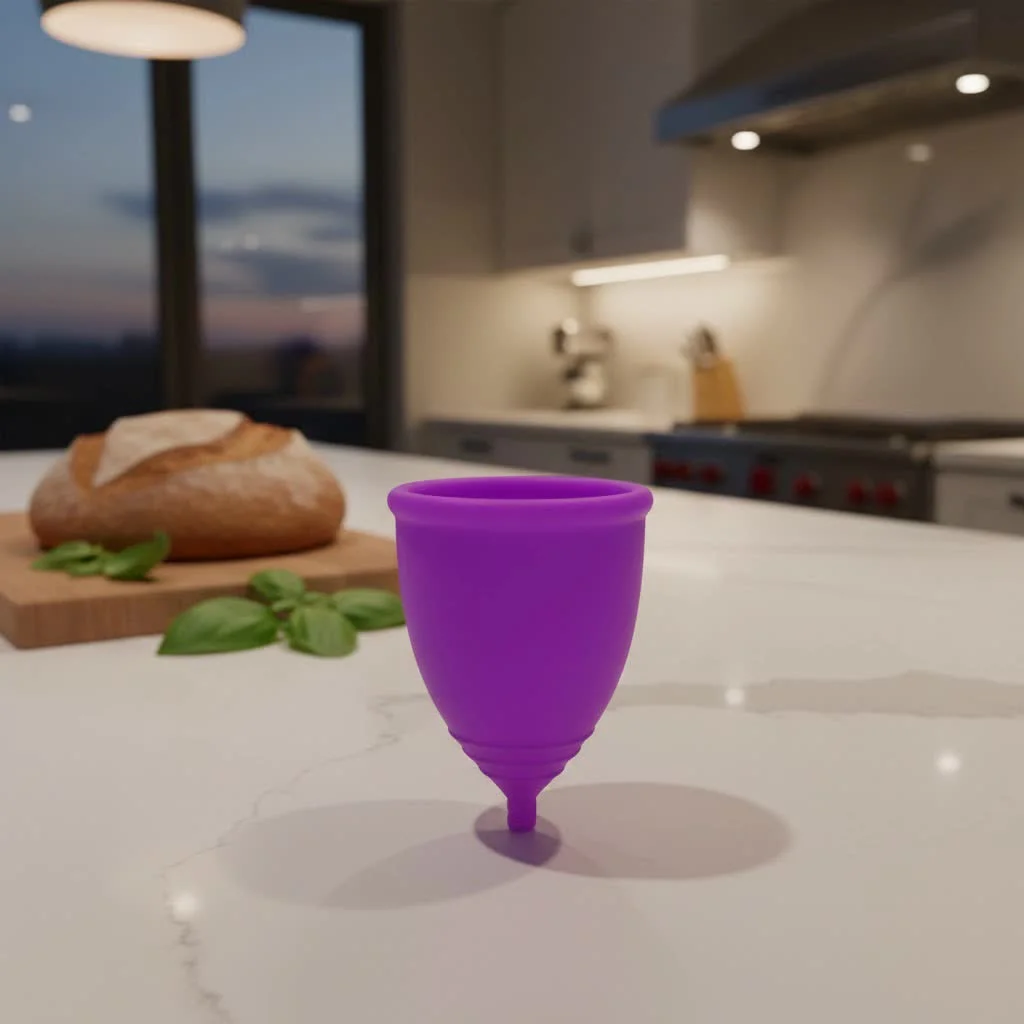
What is a Menstrual Cup?
A menstrual cup is a flexible, bell-shaped device designed to be inserted into the vagina to collect menstrual fluid rather than absorb it. Typically made from medical-grade silicone, natural rubber, or TPE, these reusable cups sit comfortably inside the vaginal canal, forming a seal against the walls to prevent leaks. The concept of menstrual cups dates back to the 1930s, but their popularity has surged in recent decades due to growing awareness of environmental impact and the desire for healthier period options. For more menstrual cup guides on this site.
Compared to sanitary pads and tampons, menstrual cups offer several distinct advantages. They can be worn for up to 12 hours, providing significantly longer protection and reducing the need for frequent changes, especially beneficial during heavy flow days or overnight. Unlike tampons, which absorb natural vaginal moisture along with menstrual blood, cups collect fluid, helping to maintain the vagina’s natural pH balance and healthy bacterial flora, thus reducing the risk of dryness or irritation. A single reusable menstrual cup can last for up to 10 years, dramatically cutting down on waste that ends up in landfills and offering substantial cost savings over time compared to disposable products.
While the benefits are numerous, there is a learning curve involved with insertion and removal, and cleaning requires a hands-on approach that might not appeal to everyone. However, with a little practice, many users find the advantages far outweigh these initial considerations.
Types of Menstrual Cups
Menstrual cups come in various types, primarily differentiated by their material, shape, and size. Understanding these distinctions is key to finding your ideal match.
Classification by Material
The material of a menstrual cup impacts its firmness, flexibility, and suitability for different users:
- Medical-grade Silicone: This is the most common material due to its safety, durability, and ease of cleaning. Silicone cups are generally hypoallergenic and can last up to a decade with proper care.
- Natural Rubber (Latex): A more environmentally friendly option, but it can cause allergic reactions in individuals sensitive to latex. Natural rubber cups are typically very soft and flexible.
- Thermoplastic Elastomer (TPE): TPE is a man-made rubber-like material that can conform to the body’s shape under the influence of heat, including body heat, potentially leading to an oval shape inside the vagina. TPE production often consumes less energy and is generally recyclable, though recycling options might be limited depending on the region.
Classification by Shape
|
Our Picks for the Best Menstrual Cup in 2026
As an Amazon Associate I earn from qualifying purchases.
|
||
| Num | Product | Action |
|---|---|---|
| 1 | Menstrual Cups with Collapsible Storage Cup, Leak-Proof Design with Medical Grade Silicone Period Cups Reusable, Tampon and Pad Alternative,for Light Flow and Heavy Flow Large+Small |

|
| 2 | Menstrual Cup Steamer Sterilizer with 2 Reusable Menstrual Cups, Period Cups Cleaner Wash Kit |
|
| 3 | Saalt Soft Menstrual Cup – Reusable Period Cup – Made for Comfortable, Leak-Free Protection Up to 12 Hours – BPA & Latex Free – Includes Cup & Carry Bag (Small, Desert Blush) |
|
| 4 | EcoBlossom Reusable Menstrual Cup and Case - The Most Reliable Medical Grade Silicone Period Cups - Comfortably use for 12 Hours (Large (Pack of 2), Gray Cup & Case) |
|
| 5 | Saalt Soft Menstrual Cup – Reusable Period Cup – Made for Comfortable, Leak-Free Protection Up to 12 Hours – BPA & Latex Free – Includes Cup & Carry Bag (Regular, Mountain Iris) |
|
| 6 | Pixie Cup - Soft, Safe, Reusable Menstrual Cup - Ranked 1 for The Best Tampon Alternative - 100% Medical-Grade Silicone Period Cup for Feminine Care - Buy One We Give One (Large) |
|
| 7 | Shordy Reusable Menstrual Cup Set of 2 (Small & Large) Soft Medical-Grade Silicone Period Cups Easy Removal Ribbed Stem, 12-Hour Leakproof Comfort Copa Menstrual – Alternative to Pads, Tampons & Disc |
|
| 8 | Venus Menstrual Cup (Period Cup for Women) - Best for Heavy Flow - 12 Hours Leak-Free Protection - 100% Medical-Grade Silicone Reusable Cup - Unique Design to Ease Your Period Cycle - Large |
|
| 9 | Pixie Menstrual Cup Kit - Best Period Cup Starter Kit for Feminine Care - Proven to Be What You Need to Become A Successful Cup User - 100% Medical-Grade Silicone - Tampon Alternative |
|
| 10 | EcoBlossom Reusable Menstrual Cup Set - The Most Reliable Medical Grade Silicone Period Cups - Comfortably use for 12 Hours (Small & Large) |
|
While most menstrual cups share a fundamental bell-like structure, subtle variations exist to accommodate different anatomies and preferences:
- Bell Shape: This is the traditional and most common shape, wider at the top and tapering towards a rounded base, often with a stem. It provides a good seal for most users.
- V-Shaped: These cups are narrower at the base and gradually widen, often preferred by individuals with a high cervix or those desiring a more streamlined design.
- Short and Wide: Designed for those with a low cervix, these cups are shorter in length with a broader diameter.
- Ball-shaped/Round: These are less common but can be a “love-it-or-hate-it” option for those who struggle with traditional shapes, offering a unique fit that aligns with certain body contours.
Classification by Size
Menstrual cups are typically available in small, medium, and large sizes. These sizes primarily refer to the cup’s diameter and capacity, designed to cater to varying flow levels and anatomical considerations. For example, small cups may hold 15-25 mL, medium 20-30 mL, and large 30-40 mL.
Comparison Table for Menstrual Cup Materials
| Feature | Medical-grade Silicone | Natural Rubber (Latex) | TPE (Thermoplastic Elastomer) |
|---|---|---|---|
| Pros | Safe, durable, easy to clean, hypoallergenic, long-lasting | Biodegradable, very soft and flexible | Generally recyclable, conforms to body heat, fewer reported allergies |
| Cons | Can be firmer than other materials, higher initial cost | Potential for latex allergies, shorter lifespan than silicone | May change shape (oval) with body heat, limited recycling options in some areas |
| Commonality | Most common | Less common | Growing in popularity |
Choosing the Right Menstrual Cup Size
Selecting the correct menstrual cup size is crucial for comfort and leak-free protection. Several personal factors influence this choice:
- Age: Younger individuals or teenagers typically opt for smaller sizes. Women under 30 who haven’t given birth vaginally are often recommended smaller models, while those over 30 or who have had a vaginal birth usually need larger cups.
- Childbirth History: Vaginal birth can alter the vaginal canal and pelvic floor muscles, often necessitating a larger cup size. Women who have had a C-section may still use smaller sizes if other factors align.
- Menstrual Flow: For a light to moderate flow, a smaller cup is usually sufficient. Heavy flow days will benefit from a larger capacity cup to extend wear time and prevent leaks.
- Cervical Height: Knowing your cervical height is vital. A high cervix may require a longer cup or one with a longer stem for easier reach, while a low cervix will need a shorter, wider cup to fit comfortably without protruding. You can determine your cervical height by inserting a clean finger into your vagina to feel for your cervix.
- Pelvic Floor Muscle Strength: Stronger pelvic floor muscles might allow for a smaller, firmer cup, while weaker muscles (common after childbirth) might benefit from a slightly larger or softer cup to ensure a good seal.
- First-time Users: If you’re new to menstrual cups, many experts recommend starting with a smaller, softer cup to ease the learning process, regardless of age or birth history.
there’s no universal sizing standard, so individual brands may vary. It might take trying a couple of different cups to find your perfect fit.
How to Use a Menstrual Cup
Using a menstrual cup effectively requires a bit of practice, but with the right technique, it quickly becomes second nature.
Folding Techniques
Before insertion, the cup needs to be folded to make it smaller. Common folds include:
- C-Fold (or U-Fold): Press the sides of the cup together and fold it in half to form a ‘C’ or ‘U’ shape. This is a popular and straightforward method.
- Punch-Down Fold: Push one side of the rim down into the cup to create a smaller, pointed insertion tip. This fold results in a narrower insertion point, which some find easier.
- 7-Fold: Press the sides together, then fold one corner down diagonally to the opposite side of the base, creating a ‘7’ shape.
Experiment to find the fold that works best for your body and comfort level.
Insertion
- Wash Your Hands: Always start with thoroughly clean hands.
- Lubricate (Optional): Apply water or a water-based lubricant to the rim of the cup for easier insertion.
- Find a Comfortable Position: Squatting, sitting on the toilet, or standing with one leg raised can help relax your muscles and shorten the vaginal canal.
- Insert the Cup: Hold the folded cup firmly. With your free hand, gently separate your labia. Angle the cup towards your tailbone, sliding it into your vagina similar to inserting a tampon without an applicator. The cup should sit a few inches below your cervix, lower than a tampon.
- Ensure it Opens and Seals: Once inside, release the cup. It should spring open. Gently run a finger around the base of the cup to ensure it has fully expanded and formed an airtight seal against your vaginal walls. You might gently rotate the cup or tug on the stem to check the seal.
Removal
- Wash Your Hands: Again, clean hands are essential.
- Find a Comfortable Position: The same positions as insertion can aid removal.
- Break the Seal: Locate the stem or base of the cup. Gently pinch the base of the cup to break the suction seal. Do not pull solely on the stem, as this can be uncomfortable and messy.
- Remove the Cup: Once the seal is broken, slowly and gently pull the cup downwards, keeping it upright to prevent spills.
- Empty and Rinse: Empty the collected fluid into the toilet or sink, rinse the cup with cold water, and prepare it for reinsertion or cleaning.
Cleaning and Storage
- During Your Period: After each removal, rinse your cup with cold water. You can use a mild, unscented, oil-free soap specifically designed for intimate use. Rinse thoroughly to remove any soap residue.
- Between Periods: At the end of your cycle, sterilize your cup by boiling it in water for 5-10 minutes. Allow it to air dry completely, then store it in a breathable pouch (usually provided with the cup) away from direct sunlight and extreme temperatures. Do not store it in an airtight container as this can encourage bacterial growth.
Where to Buy Menstrual Cups?
The market offers a wide array of reputable menstrual cup brands, both online and in physical stores.
Some well-known and trusted brands include:
- DivaCup: Offers different models based on age and flow.
- Saalt: Known for various cup and disc options, including soft cups and teen cups.
- Lena Cup: A highly-rated overall menstrual cup.
- OrganiCup: Often recommended for eco-conscious consumers.
- Flex: Offers cups and discs, some designed for easier removal.
- Cora: Another popular brand offering both cups and discs.
- The Honey Pot Company: Offers silicone cups in different sizes for varying flows.
You can purchase menstrual cups online through major retailers like Amazon, Walmart, and Target, or specialized websites such as Period Nirvana and Put A Cup In It. Many pharmacies and health stores also stock them.
A Detailed Guide to Purchasing Your Menstrual Cup
Making an informed decision ensures you get the most out of your menstrual cup experience.
- Identify Your Personal Needs: Start by assessing your flow (light, medium, heavy), your age, whether you’ve given birth vaginally, and if you know your cervical height. This information will guide your size and firmness selection.
- Research Materials and Shapes: Consider if you have any latex allergies (ruling out natural rubber) and if you prefer the standard bell shape or a specialized shape for a low cervix.
- Explore Reputable Brands: Look into the brands mentioned above, checking their specific sizing charts and user reviews. Many brands offer quizzes on their websites to help you find a suitable product.
- Read User Reviews: Insights from other users can provide valuable practical information about comfort, ease of use, and effectiveness for different body types and flow levels.
- Compare Prices and Features: While initial costs are higher, the long-term savings. Look for bundles that include a sterilizing pot or carrying pouch. Prioritize quality materials (e.g., medical-grade silicone) and FDA-registered products.
Conclusion
Embracing a ladies menstrual cup can truly improve your period, offering an eco-friendly, cost-effective, and remarkably comfortable alternative to conventional products. While the initial steps of selection and insertion may involve a slight learning curve, the benefits of up to 12 hours of leak-free protection, reduced waste, and improved vaginal health make it a worthwhile investment. “A menstrual cup is a wonderful solution for anyone seeking a safe, convenient, and environmentally conscious hygiene product.” – Nguyễn Thị An, Women’s Health Expert. Take the time to understand your body, choose wisely, and you’ll soon wonder how you ever managed without one. Are you ready to discover the freedom and confidence a menstrual cup can bring to your life?
Frequently Asked Questions
Do menstrual cups cause discomfort?
When properly sized and inserted, a menstrual cup should not cause discomfort. Many users report not feeling it at all once it’s in place. Discomfort often arises from incorrect sizing (too large or too firm) or improper insertion (not fully open, or positioned too high/low). Practice and trying different folds can help ensure a comfortable fit.
Can menstrual cups be used overnight?
Absolutely! Menstrual cups are excellent for overnight use as they can be worn for up to 12 hours, significantly longer than most pads and tampons. Their larger capacity minimizes the risk of leaks, allowing for an undisturbed night’s sleep, even on heavy flow nights.
Get our weekly buyer guide
Practical specs, not advice. Unsubscribe anytime.

I was hesitant at first, but the information about the positive impact on the planet really convinced me to try a menstrual disc. It took a couple of cycles to get the hang of insertion and removal, but now it’s second nature. I love knowing I’m producing less waste, and my wallet is definitely happier too. It’s a great sustainable alternative.
This guide was so helpful in demystifying menstrual cups for me. I was always curious but intimidated. I chose a bell-shaped cup as suggested for beginners, and it’s been fantastic. The comfort is truly unparalleled, and I feel so much more confident during my period. No more worrying about running out of pads or tampons!
I’ve been using a menstrual cup for about six months now, and it’s been a game-changer. The guide really helped me understand the different materials, and I ended up going with a medical-grade silicone cup. It’s so comfortable I often forget it’s even there, and the long-lasting protection means I don’t have to worry about changing it constantly throughout the day. Definitely recommend making the switch!
I tried a TPE cup after reading about its flexibility, but I’m still struggling a bit with getting a consistent seal. I’ve had a few minor leaks, especially on heavier days, which is a bit frustrating. I’m going to keep practicing, but I might try a different brand or shape next time to see if that helps with the fit. It’s definitely more comfortable than tampons when it works.