Navigating the world of menstrual products can be overwhelming, with innovations constantly emerging to offer more comfort, protection, and sustainability. While many are familiar with traditional pads and tampons, and increasingly, reusable menstrual cups, there’s a unique option often sought under a slightly different name: the disposable menstrual disc. It’s important to clarify from the outset: while the term “disposable menstrual cup” is commonly used, true disposable cups do not exist. Instead, what you’re likely searching for are disposable menstrual discs, a distinct category of internal period care designed for single use. These discs offer a fresh approach to managing your cycle, blending the convenience of disposables with many of the benefits found in their reusable counterparts. This guide will explore everything you need to know about disposable menstrual discs, helping you determine if they are the perfect fit for your lifestyle.
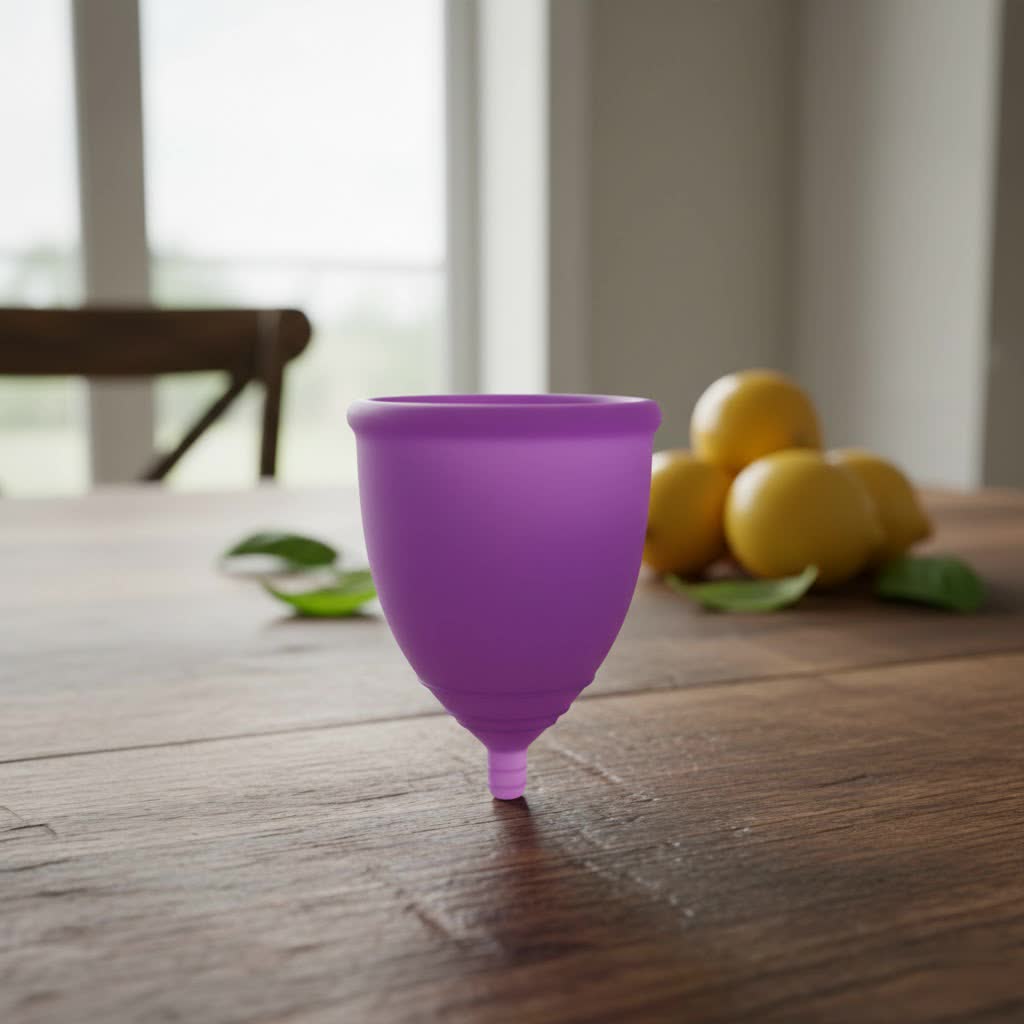
What Are Disposable Menstrual Discs?
Disposable menstrual discs are flexible, shallow, circular devices inserted into the vaginal fornix to collect menstrual fluid. Unlike menstrual cups, which sit lower in the vaginal canal and rely on suction to stay in place, discs are positioned higher, behind the pubic bone, and are held by the natural anatomy of the vagina without suction. This design allows them to offer distinct advantages over other period products.
Historically, internal period products have evolved from rudimentary materials to sophisticated, body-safe designs. Disposable menstrual discs represent a modern advancement, providing an alternative to both absorbent products like tampons and pads, and reusable collection devices.
Comparing Disposable Menstrual Discs with Other Products:
| Feature | Disposable Menstrual Disc | Tampons | Sanitary Pads | Reusable Menstrual Cup |
|---|---|---|---|---|
| Function | Collects fluid | Absorbs fluid | Absorbs fluid | Collects fluid |
| Wear Time | Up to 12 hours | 4-8 hours | 4-8 hours | Up to 12 hours |
| Material | Medical-grade polymer/silicone | Cotton, rayon | Cotton, plastic | Medical-grade silicone |
| Usage | Single-use | Single-use | Single-use | Multi-year use |
| Comfort | Often undetectable | Can cause dryness | Can feel bulky | Can feel undetectable |
| Odor Control | Excellent (fluid not exposed to air) | Moderate | Can have odor | Excellent |
| Sex | Can be worn during sex | Cannot be worn | Cannot be worn | Cannot be worn |
| TSS Risk | Very Low | Low (higher than cups/discs) | None | Very Low |
| Waste | Moderate (single-use) | High (single-use) | High (single-use) | Very Low (multi-year) |
Advantages and Disadvantages of Disposable Menstrual Discs
|
Our Picks for the Best Menstrual Cup in 2026
We may earn a commission when you use one of our links to make a purchase.
|
||
| Num | Product | Action |
|---|---|---|
| 1 | Menstrual Cup Steamer Sterilizer with 2 Reusable Menstrual Cups, Period Cups Cleaner Wash Kit |

|
| 2 | EcoBlossom Reusable Menstrual Cup Set - The Most Reliable Medical Grade Silicone Period Cups - Comfortably use for 12 Hours (Small & Large) |
|
| 3 | Pixie Cup - Soft, Safe, Reusable Menstrual Cup - Ranked 1 for The Best Tampon Alternative - 100% Medical-Grade Silicone Period Cup for Feminine Care - Buy One We Give One (Large) |
|
| 4 | Saalt Soft Menstrual Cup – Reusable Period Cup – Made for Comfortable, Leak-Free Protection Up to 12 Hours – BPA & Latex Free – Includes Cup & Carry Bag (Regular, Mountain Iris) |
|
| 5 | Menstrual Cups with Collapsible Storage Cup, Leak-Proof Design with Medical Grade Silicone Period Cups Reusable, Tampon and Pad Alternative,for Light Flow and Heavy Flow Large+Small |
|
| 6 | Saalt Soft Menstrual Cup – Reusable Period Cup – Made for Comfortable, Leak-Free Protection Up to 12 Hours – BPA & Latex Free – Includes Cup & Carry Bag (Small, Desert Blush) |
|
| 7 | Venus Menstrual Cup (Period Cup for Women) - Best for Heavy Flow - 12 Hours Leak-Free Protection - 100% Medical-Grade Silicone Reusable Cup - Unique Design to Ease Your Period Cycle - Large |
|
| 8 | Shordy Reusable Menstrual Cup Set of 2 (Small & Large) Soft Medical-Grade Silicone Period Cups Easy Removal Ribbed Stem, 12-Hour Leakproof Comfort Copa Menstrual – Alternative to Pads, Tampons & Disc |
|
| 9 | EcoBlossom Reusable Menstrual Cup and Case - The Most Reliable Medical Grade Silicone Period Cups - Comfortably use for 12 Hours (Large (Pack of 2), Gray Cup & Case) |
|
| 10 | Pixie Menstrual Cup Kit - Best Period Cup Starter Kit for Feminine Care - Proven to Be What You Need to Become A Successful Cup User - 100% Medical-Grade Silicone - Tampon Alternative |
|
Disposable menstrual discs offer several compelling benefits. Their ability to be worn for up to 12 hours means fewer changes throughout the day, providing extended protection and peace of mind [cite: 2 (Cup&Co), 3 (AllMatters)]. Many users find them incredibly comfortable, often reporting that they can’t feel the disc once it’s correctly in place, making them ideal for physical activities like swimming or exercise [cite: 2 (Cup&Co)]. Since menstrual fluid is collected internally and not exposed to air, discs help minimize odor, a common concern with external products [cite: 3 (AllMatters)]. A significant advantage is their compatibility with intimacy, as their position in the fornix means they can be worn during mess-free period sex [cite: 5 (VICKYLOGAN)]. Unlike traditional menstrual cups, discs do not create suction, which can be beneficial for individuals with IUDs, as it reduces the theoretical risk of dislodging the device [cite: 2 (Cup&Co)]. The “auto-dumping” feature, where some users find the disc partially empties when using the toilet, can also be a convenient benefit, reducing the need for full removal during heavy flow days [cite: 2 (Cup&Co)].
However, disposable menstrual discs also come with certain drawbacks. As single-use products, they contribute to landfill waste, though generally less than pads and tampons [cite: 1 (Healthline)]. While convenient, the recurring cost of purchasing new discs each cycle can add up over time, making them a more expensive long-term option compared to reusable alternatives [cite: 2 (Pee Safe)]. Some users may also experience a learning curve with insertion and removal, which can initially be messy until proper technique is mastered [cite: 4 (Reddit)]. Finding the correct positioning for a leak-free experience might require a few attempts.
Types of Disposable Menstrual Discs
While reusable menstrual cups come in various shapes and sizes to accommodate different anatomies, disposable menstrual discs typically offer a more universal fit. They are generally designed to conform to a wider range of bodies, as their placement in the vaginal fornix is less dependent on specific cervical height or vaginal length compared to cups.
Material Composition: Most disposable menstrual discs are made from a soft, medical-grade polymer or silicone. This material is chosen for its flexibility, comfort, and safety, ensuring it is gentle on the body and non-toxic. Brands prioritize body-safe materials, free from BPAs, phthalates, and natural rubber latex, to minimize the risk of irritation or allergic reactions [cite: 1 (YouTube “How to Use Flex Cup”)].
Common Brands: The market for disposable menstrual discs is primarily dominated by a few key players. Brands like Flex Disc and Softdisc are widely recognized and available, offering consistent product design and performance [cite: 5 (Target)]. While the core design is similar across brands (a flexible rim with a collection basin), slight variations in rim flexibility or basin depth might exist, which could influence individual comfort. Due to their “one-size-fits-most” nature, the decision often comes down to brand preference, availability, and specific features, rather than intricate sizing considerations.
Disposable Menstrual Discs vs. Reusable Menstrual Cups: A Comparison
The choice between disposable menstrual discs and reusable menstrual cups often comes down to personal priorities regarding convenience, environmental impact, and upfront cost. Both offer internal collection and extended wear time, but their fundamental design and usage diverge significantly.
| Feature | Disposable Menstrual Discs | Reusable Menstrual Cups |
|---|---|---|
| Materials | Medical-grade polymer/soft silicone | Medical-grade silicone, TPE, rubber |
| Usage Frequency | Single-use, disposed after 8-12 hours | Reusable for up to 10 years |
| Cost | Lower per unit, higher recurring cost | Higher upfront, significant long-term savings |
| Environmental Impact | Reduces waste compared to pads/tampons, but still contributes | Significantly reduces waste over time |
| Insertion/Placement | Pinched, inserted into vaginal fornix (no suction) | Folded, inserted lower in vaginal canal (creates suction) |
| Removal | Hook finger under rim, pull out (can be messy) | Break seal, pull by stem/base (can be tricky) |
| Hygiene | Dispose after use, no cleaning required | Requires cleaning/sterilization between uses/cycles |
| Sexual Activity | Can be worn during penetrative sex | Cannot be worn during penetrative sex |
| Size/Fit | Generally one-size-fits-most | Multiple sizes based on anatomy, flow, parity |
Choosing between a disposable menstrual disc and a reusable menstrual cup largely depends on individual priorities. If convenience, discretion during sex, and minimal maintenance are paramount, and the environmental impact of single-use products is an acceptable trade-off, disposable discs could be an excellent choice. If long-term cost savings and maximum environmental friendliness are your main concerns, and you’re comfortable with the cleaning and learning curve, a reusable cup might be more suitable.
How to Choose the Right Disposable Menstrual Disc
Choosing the right disposable menstrual disc is less about intricate sizing and more about brand preference and comfort. Since most disposable discs are designed to be “one-size-fits-most,” your primary considerations should focus on finding a reputable brand that offers the comfort and reliability you need.
- Brand Reputation: Look for well-known brands like Flex or Softdisc, which have established track records and positive user reviews [cite: 5 (Target)]. These brands typically adhere to high manufacturing standards, using body-safe materials.
- Material and Flexibility: While most are made from medical-grade polymers, some might offer slightly different levels of flexibility. A disc that is too rigid might be uncomfortable, while one that is too soft could be difficult to insert or might not stay securely in place for some individuals. Read product descriptions and reviews to get an idea of the disc’s feel.
- Removal Aid: Some discs may feature a slightly firmer rim or a textured edge to assist with removal. If you are concerned about ease of removal, look for these design elements.
- Trial and Error: Like many personal hygiene products, finding your perfect match might involve trying a couple of different brands. Starter packs are a good way to test options without a large commitment.
Consulting online communities or forums dedicated to period care can also provide valuable insights and personal experiences that might help guide your decision.
How to Use Disposable Menstrual Discs
Using a disposable menstrual disc might seem daunting at first, but with a little practice, it can become a straightforward part of your routine. The key differences from menstrual cups are the folding method and placement.
- Preparation: Always start with clean hands. Take a deep breath to help relax your pelvic floor muscles [cite: 2 (FlexFit)].
- Folding: Most menstrual discs are folded by pinching the rim in half lengthwise, creating an oval shape. Hold it firmly in this position for insertion [cite: 3 (YouTube “POV: On The Toilet”), 5 (YouTube “How to Insert and Remove Hello Disc”)].
- Positioning for Insertion: Find a comfortable position. Sitting on the toilet, standing with one leg elevated, or squatting are common choices [cite: 1 (Saalt), 2 (FlexFit)].
- Insertion: With the pinched disc, insert it into your vagina, aiming horizontally towards your tailbone [cite: 1 (Saalt), 4 (Period.Shop)]. Slide it in until it’s completely inside your vaginal canal.
- Placement: Once fully inserted, use your finger or thumb to push the front rim of the disc up and tuck it securely behind your pubic bone [cite: 1 (Saalt), 4 (Period.Shop)]. The disc should sit in the vaginal fornix, just beneath your cervix. When correctly placed, you shouldn’t be able to feel it [cite: 1 (Saalt)].
- Removal:
- Again, wash your hands and find a comfortable position.
- Slide a finger into your vagina until you feel the front edge or rim of the disc.
- Hook your finger under the rim and gently pull the disc out, keeping it parallel to the floor to minimize spills [cite: 2 (FlexFit)].
- Many users find it helpful to remove the disc while in the shower to easily wash away any mess [cite: 2 (FlexFit)].
- Disposal: After removal, simply empty the contents into the toilet and dispose of the disc in a waste bin. Do not flush disposable menstrual discs.
> “Disposable menstrual discs offer a unique blend of convenience and comfort, providing an alternative that many women find liberating, especially when on the go or during intimate moments.” – Dr. Elena Petrova, Gynecologist and Women’s Health Advocate
Where to Buy Disposable Menstrual Discs?
Disposable menstrual discs are becoming increasingly accessible, making them easy to find both online and in physical stores.
Online Retailers: Major online marketplaces like Amazon, Target.com, and Walmart.com carry a wide selection of disposable menstrual discs from popular brands like Flex and Softdisc [cite: 5 (Target)]. Purchasing online offers the convenience of discreet delivery and often a broader range of options and competitive pricing. Many brand-specific websites also offer direct sales, sometimes with subscription options for added convenience.
Offline Stores: You can typically find disposable menstrual discs in the feminine hygiene aisle of large pharmacies and supermarkets. Retailers like CVS, Walgreens, and Target often stock these products alongside tampons and pads [cite: 5 (Target)]. Buying in-store allows you to examine the packaging and read product details before making a purchase.
Key Considerations When Buying:
- Quantity: Discs are often sold in packs ranging from 8 to 24 units. Consider your typical flow and cycle length when deciding on pack size.
- Pricing: Compare prices across different retailers, both online and offline, to find the best value. Look out for promotions or bulk discounts.
- Reviews: Reading user reviews can offer valuable insights into product performance, comfort, and ease of use from real-world experiences.
- Ingredients: Always ensure the product is made from medical-grade, body-safe materials, free from harmful chemicals, especially if you have sensitivities.
Conclusion
Disposable menstrual discs offer a practical and comfortable solution for period care, bridging the gap between traditional disposable products and reusable menstrual cups. By collecting rather than absorbing fluid, they provide up to 12 hours of leak protection, help minimize odor, and even allow for mess-free intimacy. While they don’t offer the same environmental benefits as their reusable counterparts, they present a convenient alternative for those seeking an easy-to-use, hygienic option without the cleaning commitment of reusable products. With a simple insertion and removal process, and a “one-size-fits-most” design, disposable menstrual discs are worth exploring for anyone looking to enhance their period experience. Are you ready to embrace a new level of freedom and comfort during your cycle?
Frequently Asked Questions
Can disposable menstrual discs be used by everyone?
Disposable menstrual discs are designed to be universally fitting for most anatomies, as they sit in the vaginal fornix rather than relying on a precise fit with the cervix. They are generally considered safe and comfortable for a wide range of individuals, including those with an IUD, as they do not use suction [cite: 2 (Cup&Co)]. However, as with any internal product, individual comfort and preference can vary.
Is there a risk of Toxic Shock Syndrome (TSS) with disposable menstrual discs?
The risk of Toxic Shock Syndrome (TSS) with menstrual discs is considered very low, significantly lower than with tampons. This is because discs collect menstrual fluid rather than absorbing it, which reduces the environment for bacteria to multiply [cite: 2 (HealthPartners)]. Always follow the manufacturer’s instructions for wear time (up to 12 hours) and hygiene to minimize any potential risk.
Can disposable menstrual discs be flushed down the toilet?
No, disposable menstrual discs should never be flushed down the toilet. They are not biodegradable and can cause plumbing issues or contribute to environmental pollution in water systems. Always dispose of used discs in a waste bin, similar to how you would dispose of a used pad or tampon.
Can I feel the disposable menstrual disc when it’s inserted?
When properly inserted and positioned in the vaginal fornix, most users report that they cannot feel the disposable menstrual disc at all [cite: 2 (Cup&Co)]. Its flexible design conforms to your body’s shape. If you feel discomfort or the disc slipping, it may be incorrectly positioned and should be removed and reinserted.
How do disposable menstrual discs handle heavy flows?
Disposable menstrual discs typically have a larger capacity than most tampons and pads, making them suitable for managing heavy menstrual flows. Their ability to collect fluid for up to 12 hours can be particularly beneficial on heavy days, reducing the frequency of changes required [cite: 2 (Cup&Co), 3 (AllMatters)].
