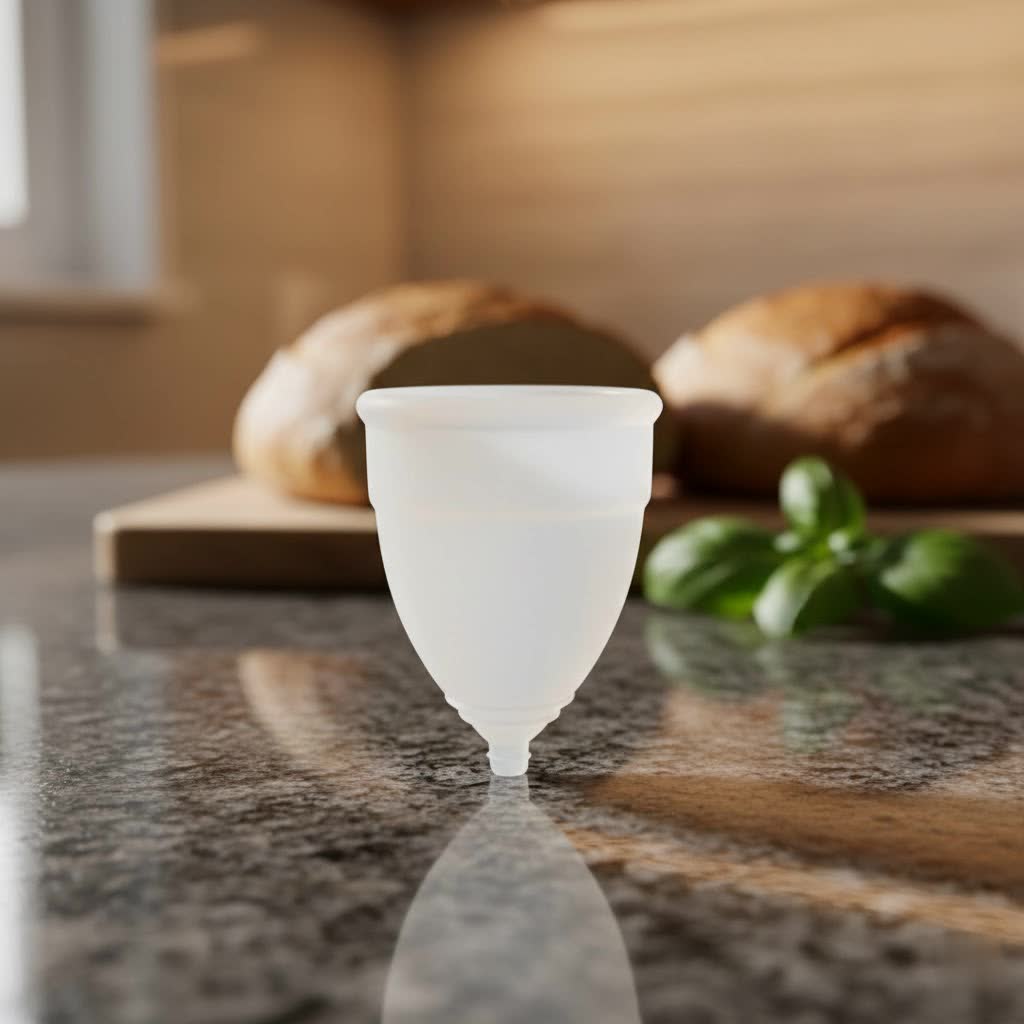
Embracing a menstrual cup can be a transformative step in your period journey, offering an eco-friendly, cost-effective, and remarkably comfortable alternative to traditional sanitary products. With the right care, a single menstrual cup can serve you for up to a decade, making it a sustainable choice that benefits both you and the planet. However, to unlock its full potential and ensure both your safety and the cup’s longevity, understanding proper menstrual cup care is essential. This guide will walk you through everything you need to know, from daily cleaning to long-term storage, ensuring a hygienic and worry-free experience.
What is a Menstrual Cup?
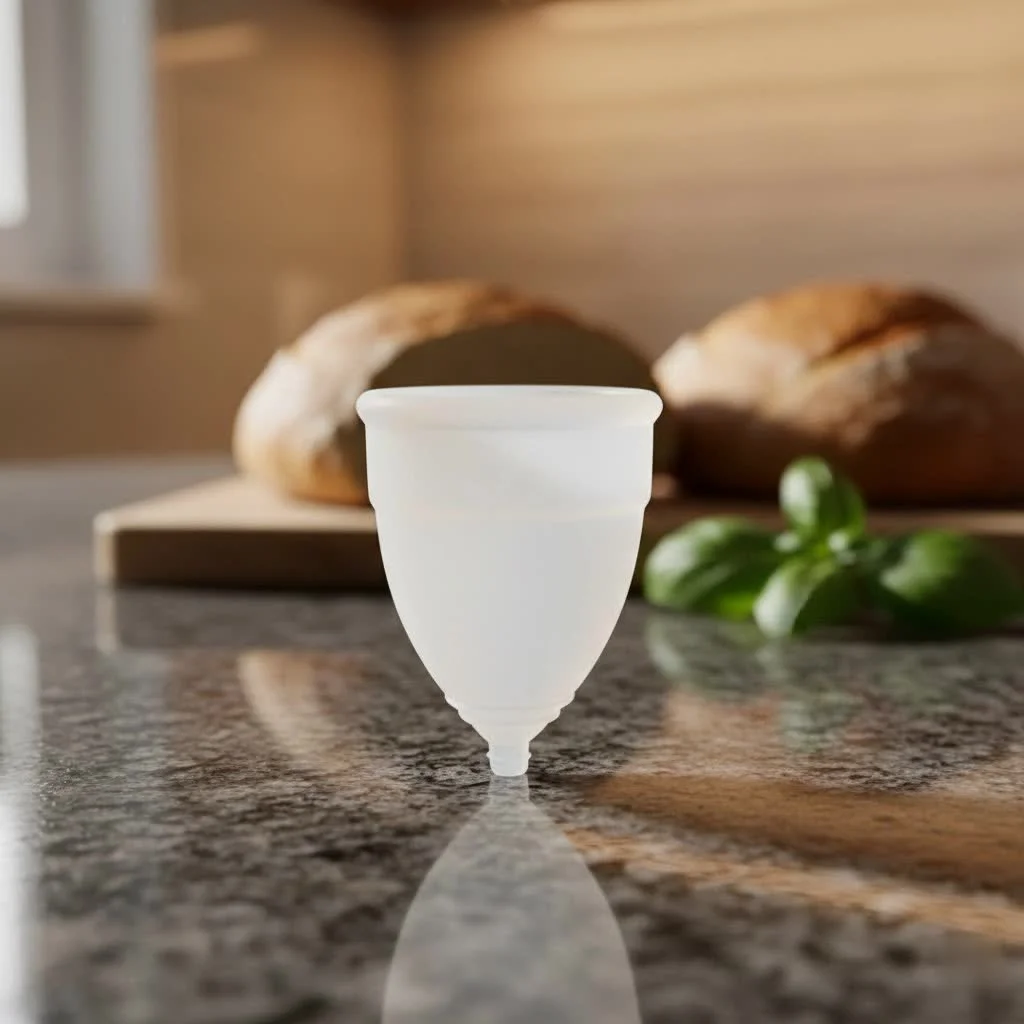
A menstrual cup is a small, flexible, bell-shaped device designed to be inserted into the vagina to collect menstrual blood. Typically made from medical-grade silicone, natural rubber (latex), or thermoplastic elastomer (TPE), these cups offer a reusable solution that stands apart from disposable pads and tampons. Unlike tampons, which absorb menstrual flow, a cup collects it, often holding more fluid and allowing for longer wear times—up to 12 hours. This makes them a popular choice for active individuals, travelers, and those seeking a more sustainable and less disruptive period.
The benefits of using a menstrual cup are numerous. They are environmentally friendly, significantly reducing waste compared to disposable products. They are also economical, as the initial investment quickly pays for itself over years of use. Many users report less leakage and a reduced risk of odors due to the cup’s ability to create a secure seal and collect rather than absorb. However, like any new product, there can be an initial learning curve for insertion and removal.
Types of Menstrual Cups
Menstrual cups come in various types, primarily differing by material, shape, and size, each designed to cater to diverse needs and body types. The most common materials include:
- Medical-Grade Silicone: This is the most prevalent material, prized for its durability, flexibility, and hypoallergenic properties. It’s easy to clean and generally safe for most users.
- Natural Rubber (Latex): Some cups are made from natural rubber, which is biodegradable. However, individuals with latex allergies should avoid these.
- Thermoplastic Elastomer (TPE): TPE is a plastic-like material that is soft and flexible, offering a good alternative for those who prefer not to use silicone or who have silicone sensitivities.
Shapes can vary from more traditional bell-like designs to flatter, disc-like options. Sizes typically range from small to large, designed to accommodate factors like flow intensity, age, and individual anatomy.
Comparison Table: Menstrual Cup Materials
|
Our Picks for the Best Menstrual Cup in 2026
As an Amazon Associate I earn from qualifying purchases.
|
||
| Num | Product | Action |
|---|---|---|
| 1 | EcoBlossom Reusable Menstrual Cup and Case - The Most Reliable Medical Grade Silicone Period Cups - Comfortably use for 12 Hours (Large (Pack of 2), Gray Cup & Case) |

|
| 2 | EcoBlossom Reusable Menstrual Cup Set - The Most Reliable Medical Grade Silicone Period Cups - Comfortably use for 12 Hours (Small & Large) |
|
| 3 | Menstrual Cups with Collapsible Storage Cup, Leak-Proof Design with Medical Grade Silicone Period Cups Reusable, Tampon and Pad Alternative,for Light Flow and Heavy Flow Large+Small |
|
| 4 | Venus Menstrual Cup (Period Cup for Women) - Best for Heavy Flow - 12 Hours Leak-Free Protection - 100% Medical-Grade Silicone Reusable Cup - Unique Design to Ease Your Period Cycle - Large |
|
| 5 | Pixie Cup - Soft, Safe, Reusable Menstrual Cup - Ranked 1 for The Best Tampon Alternative - 100% Medical-Grade Silicone Period Cup for Feminine Care - Buy One We Give One (Large) |
|
| 6 | Pixie Menstrual Cup Kit - Best Period Cup Starter Kit for Feminine Care - Proven to Be What You Need to Become A Successful Cup User - 100% Medical-Grade Silicone - Tampon Alternative |
|
| 7 | Saalt Soft Menstrual Cup – Reusable Period Cup – Made for Comfortable, Leak-Free Protection Up to 12 Hours – BPA & Latex Free – Includes Cup & Carry Bag (Regular, Mountain Iris) |
|
| 8 | Saalt Soft Menstrual Cup – Reusable Period Cup – Made for Comfortable, Leak-Free Protection Up to 12 Hours – BPA & Latex Free – Includes Cup & Carry Bag (Small, Desert Blush) |
|
| 9 | Menstrual Cup Steamer Sterilizer with 2 Reusable Menstrual Cups, Period Cups Cleaner Wash Kit |
|
| 10 | Shordy Reusable Menstrual Cup Set of 2 (Small & Large) Soft Medical-Grade Silicone Period Cups Easy Removal Ribbed Stem, 12-Hour Leakproof Comfort Copa Menstrual – Alternative to Pads, Tampons & Disc |
|
| Feature | Medical-Grade Silicone | Natural Rubber (Latex) | TPE (Thermoplastic Elastomer) |
|---|---|---|---|
| Pros | Hypoallergenic, highly durable, easy to clean, widely available | Biodegradable, often softer, good grip | Flexible, good for sensitivities, generally affordable |
| Cons | Higher initial cost, can stain over time | Not suitable for latex allergies, shorter lifespan than silicone | Less durable than silicone, can absorb odors more easily |
How to Choose the Right Size
Selecting the correct menstrual cup size is crucial for comfort and to prevent leaks. Several factors play a role in this decision:
- Age: Younger individuals or those under 30 who haven’t given birth vaginally often find smaller cups more comfortable.
- Childbirth History: Vaginal birth can alter pelvic floor muscles and vaginal canal width, often necessitating a larger cup.
- Flow Intensity: Individuals with a heavier flow may prefer a larger cup to reduce the frequency of emptying.
- Cervix Height: Knowing your cervix height helps determine the appropriate cup length to ensure it sits comfortably without causing pressure.
- Pelvic Floor Strength: Stronger pelvic floor muscles might allow for a softer cup, while weaker muscles might benefit from a firmer cup that maintains its shape better.
Consulting your cup brand’s sizing guide, often found on their packaging or website, is highly recommended for personalized advice.
How to Use a Menstrual Cup
Using a menstrual cup might seem daunting at first, but with a little practice, it quickly becomes a simple part of your routine. Always start by washing your hands thoroughly with soap and water. Fold the cup into a compact shape (common folds include the C-fold, punch-down, or 7-fold) and gently insert it into your vagina, aiming towards your tailbone. Once inside, release the fold, and the cup should pop open, forming a seal against your vaginal walls. You can check the seal by gently running a finger around the base or giving the stem a slight tug—it should feel secure. To remove, wash your hands, gently squeeze the base of the cup to break the seal, and pull it out slowly, keeping it upright to avoid spills. Empty the contents into the toilet, and then proceed with cleaning.
Menstrual Cup Care: A Detailed Guide
Proper care of your menstrual cup is paramount for hygiene, preventing odors and stains, and extending its lifespan. Neglecting care can lead to bacterial growth, potential infections, and degradation of the cup material.
Daily Cleaning During Your Cycle
During your period, your menstrual cup requires cleaning each time you empty it, typically every 4 to 12 hours depending on your flow.
- Wash Your Hands: Always wash your hands thoroughly with soap and water before inserting or removing your cup to prevent the transfer of bacteria.
- Empty and Rinse: Remove your cup and empty the collected blood into the toilet. Then, rinse the cup under cold water first to prevent staining. Hot water can “set” bloodstains, making them harder to remove. After the initial cold rinse, you can use warm water.
- Clean with Soap (Optional but Recommended): Use a mild, unscented, oil-free soap or a dedicated menstrual cup wash. Harsh chemicals, antibacterial soaps, scented soaps, oil-based soaps, baking soda, bleach, dishwashing liquid, hydrogen peroxide (for frequent use), rubbing alcohol, or vinegar should be avoided, as they can damage the silicone or irritate your vaginal area.
- Clean Air Holes: The small air holes around the rim of your cup are crucial for creating a proper seal. Ensure these are clear by running water through them or gently scrubbing with a dedicated soft toothbrush. You can also fill the cup with water and squeeze it from the top down to push water through the holes, a method sometimes called the “Squeeze’n’Flush.”
- Re-insert: After cleaning, your cup is ready for re-insertion.
- On the Go Cleaning: If you’re in a public restroom without a sink, simply empty the cup into the toilet and wipe it clean with toilet paper or a gentle, unfragranced wipe. You can also carry a small bottle of water to rinse it. Clean it thoroughly with soap and water at your next opportunity.
Sterilization Between Cycles
At the end of each menstrual cycle and before your very first use, sterilizing your menstrual cup is crucial to kill any remaining bacteria or microorganisms.
- Boiling: The most common and effective method is boiling.
- Wash your cup thoroughly with soap and water.
- Place your cup in a pot of boiling water for 3 to 5 minutes. Some sources suggest 5 to 10 minutes.
- Ensure the cup is fully submerged and doesn’t touch the bottom of the pot to prevent scorching. You can use a whisk or tongs to keep it from resting on the pot’s surface.
- Let the cup cool completely before handling.
- Microwave Sterilizers: Many brands offer dedicated sterilizer cups that allow you to sterilize your menstrual cup in the microwave. Follow the manufacturer’s instructions, typically boiling water with the cup inside for 3-4 minutes.
- Steam Sterilizers: Specialized electric steam sterilizers are also available, offering a quick and convenient chemical-free sanitization method.
- Hydrogen Peroxide Soak: For stubborn stains or deep cleaning, an occasional soak in a 3% hydrogen peroxide solution (available over-the-counter) can be effective. Soak your cup overnight (up to 8 hours). However, frequent use of hydrogen peroxide can degrade silicone over time, so use this method sparingly, perhaps only a few times a year.
Storage Tips for Longevity
Proper storage when your cup isn’t in use is just as important as cleaning.
- Air Dry Completely: After cleaning and sterilizing, allow your menstrual cup to air dry completely. Avoid using paper towels or cloth, as they can leave behind lint or fibers.
- Breathable Storage: Store your dry cup in a breathable cotton or mesh bag. Most menstrual cups come with such a pouch. This allows for air circulation, preventing moisture buildup that can lead to bacterial growth, mold, or unpleasant odors.
- Avoid Airtight Containers: Never store your menstrual cup in airtight plastic containers, sealed bags, or any non-breathable environment. Trapped moisture can create a breeding ground for bacteria and mildew, potentially damaging the cup and making it unsafe for use.
- Cool, Dry Place: Keep your stored cup in a cool, dry place, away from direct sunlight and extreme temperatures. A dresser drawer or cupboard is ideal, rather than a humid bathroom cabinet.
- Regular Inspection: Before and after each cycle, inspect your cup for any signs of wear and tear, such as cracks, small tears, changes in texture (e.g., becoming sticky), or persistent odors or discoloration.
Where to Buy a Menstrual Cup?
Menstrual cups are widely available today, making them accessible to many. You can find them at:
- Online Retailers: Websites like Amazon, specialist feminine hygiene stores, and direct from brand websites offer a vast selection.
- Pharmacies and Drugstores: Many large pharmacy chains now stock menstrual cups alongside other period products.
- Health Food Stores: These stores often carry eco-friendly and natural feminine hygiene options.
How to Buy a Menstrual Cup: A Mini-Guide
When purchasing a menstrual cup, consider these points:
- Identify Personal Needs: Based on your flow, age, and childbirth history, determine the appropriate size and firmness.
- Research Brands: Look for reputable brands known for using medical-grade materials and having positive user reviews.
- Read Reviews: User experiences can offer valuable insights into a cup’s comfort, ease of use, and overall quality.
- Compare Prices: While price shouldn’t be the only factor, comparing costs across different retailers can help you find a good deal. Remember, a menstrual cup is an investment that will save you money in the long run.
“A menstrual cup is a wonderful solution for anyone seeking a safe, convenient, and environmentally conscious period product. Proper care ensures it remains a healthy and empowering choice.”
Conclusion
Embracing a menstrual cup marks a significant step towards a more sustainable and comfortable period experience. From daily rinsing with mild, unscented soap to thorough sterilization between cycles and proper storage in a breathable pouch, consistent care is key to maintaining your cup’s hygiene and extending its lifespan. By following these simple yet crucial steps, you can ensure your menstrual cup remains a safe, effective, and empowering choice for years to come.
Are you ready to commit to a care routine that elevates your period experience?
Frequently Asked Questions
Does a menstrual cup cause discomfort?
When properly inserted and sized correctly, a menstrual cup should not cause discomfort. Many users report that they cannot feel the cup at all. Initial discomfort is often related to the learning curve of insertion or an incorrect size, but with practice and the right fit, it should feel painless and secure.
Can a menstrual cup be worn overnight?
Yes, absolutely! Menstrual cups are designed to be worn for up to 12 hours, making them ideal for overnight use. They collect more fluid than tampons or pads and create a secure seal, reducing the risk of leaks during sleep.
How often should I replace my menstrual cup?
With diligent care, a high-quality menstrual cup made from medical-grade silicone can last for up to 10 years. However, you should replace your cup sooner if you notice any signs of degradation such as cracks, tears, persistent odor that won’t go away after sterilization, or a sticky/tacky texture, as these indicate the material may be breaking down.
Get our weekly buyer guide
Practical specs, not advice. Unsubscribe anytime.

This was super helpful! I’m new to menstrual cups and was a bit overwhelmed with how to properly clean it. The tips on daily cleaning, especially using a mild, unscented soap, were exactly what I needed. It’s great to know I’m doing my part for the planet and keeping my cup hygienic.
I appreciate the detailed info on long-term storage. I’ve been using a TPE cup for about a year, and while it’s generally good, I sometimes struggle with getting it perfectly clean after a heavy flow day. I wish there were more specific product recommendations for cleaning solutions, as some of the mild soaps I’ve tried still leave a slight residue.
Seriously, this guide is a lifesaver! I was worried about the longevity of my cup, especially since I invested in a slightly pricier brand. Knowing that proper care, like boiling it regularly, can make it last up to a decade makes me feel so much better about the initial cost. It’s truly a cost-effective solution in the long run.
I’ve been using a menstrual cup for years now, and this guide on care is spot on. I used to just rinse with water, but learning about the importance of sterilizing it between cycles has made a huge difference in my peace of mind. My medical-grade silicone cup feels so much cleaner now, and I’m confident it’ll last me a long time.