Embracing a menstrual cup can be a truly transformative experience, offering freedom, sustainability, and comfort. Yet, for many, the journey isn’t always smooth, and menstrual cup leakage can be a frustrating setback. If you’ve found yourself asking, “Why is my menstrual cup leaking?” or “How can I stop my menstrual cup from leaking?”, you’re not alone. Leaks are a common hurdle, especially when you’re new to using a cup, but they are almost always solvable. This comprehensive guide will equip you with the knowledge and practical tips to understand why leaks occur and how to achieve a consistently leak-free period, allowing you to fully enjoy the benefits of your menstrual cup.
What is a Menstrual Cup?
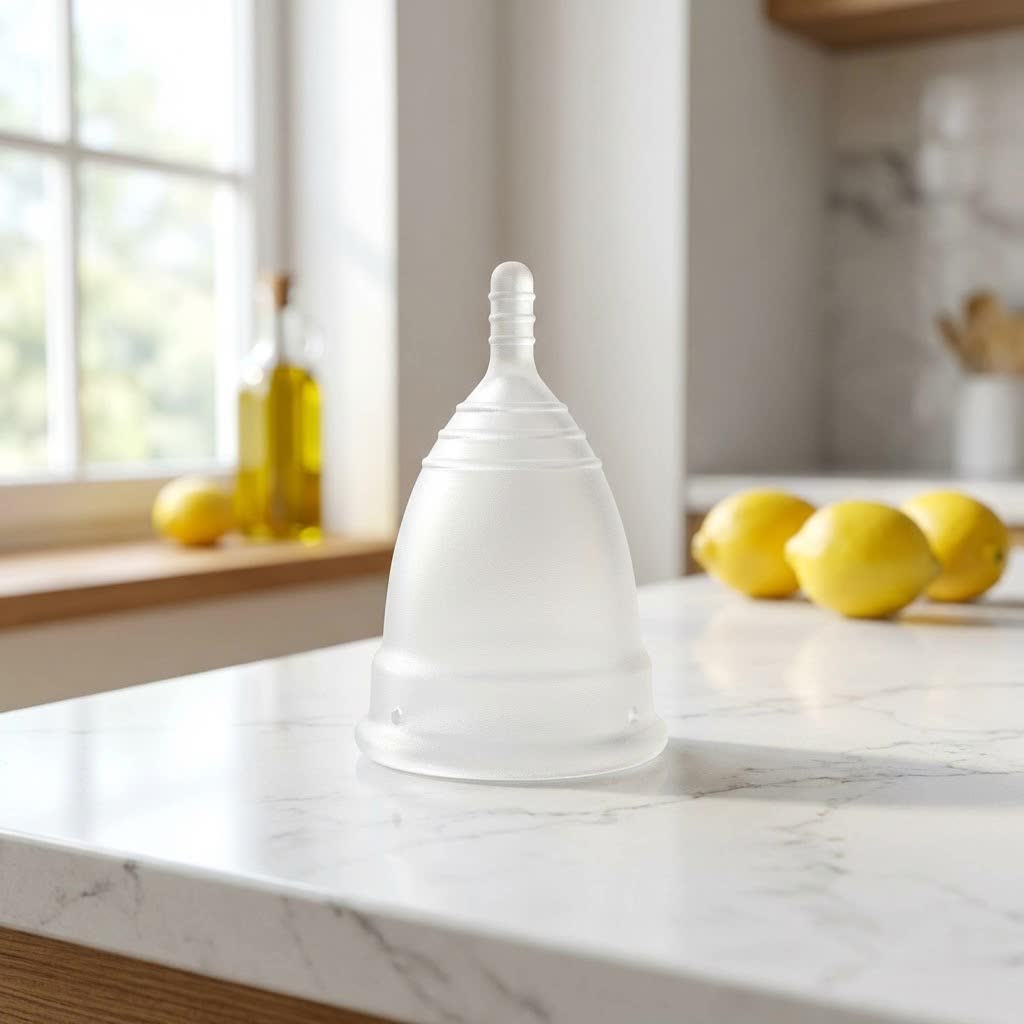
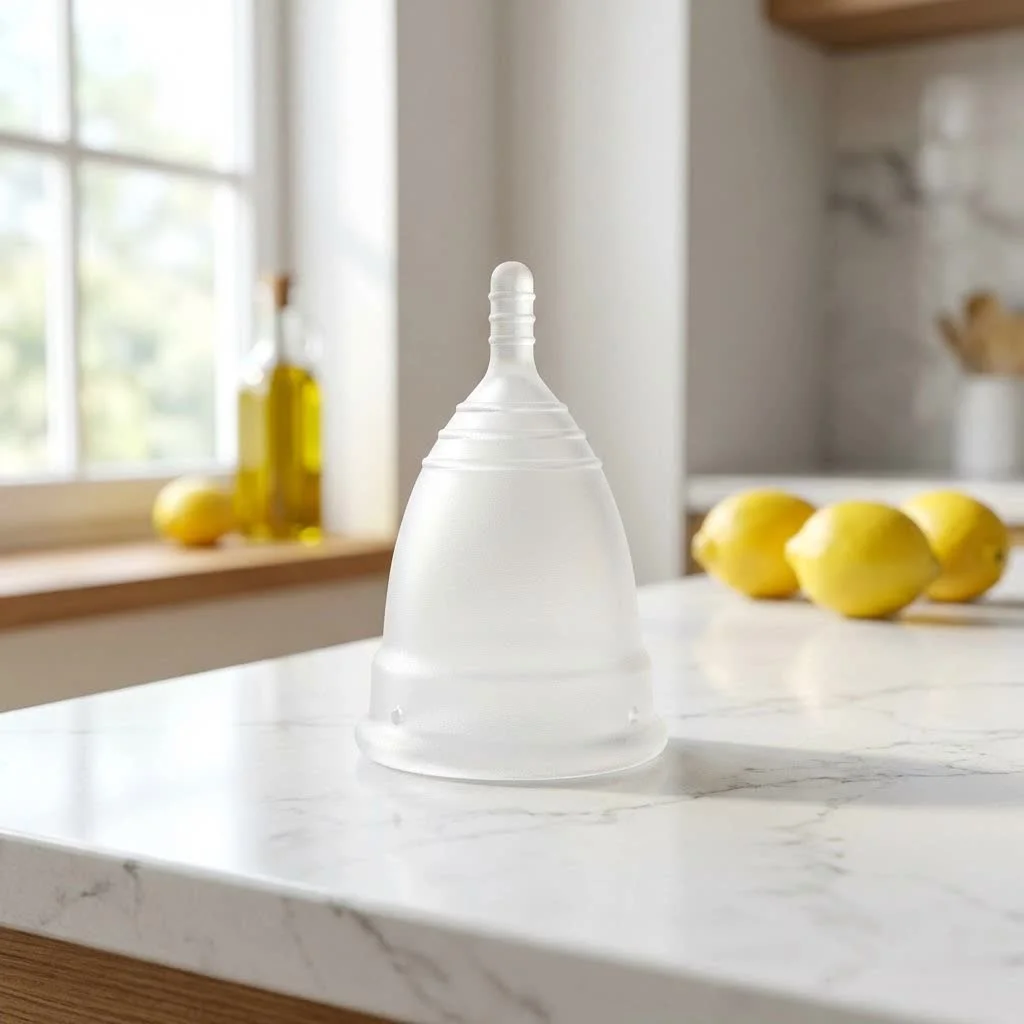
A menstrual cup is a reusable feminine hygiene product designed to be inserted into the vagina to collect menstrual fluid rather than absorb it. Typically made from medical-grade silicone, but also available in natural rubber or TPE, these flexible, bell-shaped cups feature a stem for easy removal. Unlike traditional pads and tampons, which are single-use and contribute to waste, menstrual cups offer an eco-friendly alternative that can last for years with proper care. They provide longer wear time—up to 12 hours—and can significantly reduce monthly period expenses. While the initial learning curve might seem daunting, mastering its use offers unparalleled comfort and reliability. For shop curated menstrual cup on this site.
Why Do Menstrual Cups Leak? Common Reasons Explained
Experiencing menstrual cup leakage can be disheartening, but understanding the root cause is the first step toward a solution. Several common factors contribute to leaks, ranging from insertion technique to the cup’s fit.
Improper Seal Formation
One of the most frequent culprits behind leaks is an incomplete or improper seal. Menstrual cups rely on suction to create a watertight barrier against the vaginal walls. If the cup hasn’t fully opened or isn’t positioned correctly, this vital seal won’t form. This can happen if the cup remains partially folded inside, or if it’s inserted too high or too low. A poor seal allows fluid to bypass the cup, leading to leaks.
Incorrect Size or Shape
Choosing the wrong menstrual cup size is another primary reason for leakage. If a cup is too small, it may not adequately reach the vaginal walls to form a secure seal. Conversely, a cup that is too large might not fully open inside the vagina, causing discomfort or preventing a proper seal. The right fit is crucial for both comfort and effective leak prevention.
Wrong Placement
|
Our Picks for the Best Menstrual Cup in 2026
As an Amazon Associate I earn from qualifying purchases.
|
||
| Num | Product | Action |
|---|---|---|
| 1 | Pixie Menstrual Cup Kit - Best Period Cup Starter Kit for Feminine Care - Proven to Be What You Need to Become A Successful Cup User - 100% Medical-Grade Silicone - Tampon Alternative |

|
| 2 | EcoBlossom Reusable Menstrual Cup Set - The Most Reliable Medical Grade Silicone Period Cups - Comfortably use for 12 Hours (Small & Large) |
|
| 3 | Menstrual Cup Steamer Sterilizer with 2 Reusable Menstrual Cups, Period Cups Cleaner Wash Kit |
|
| 4 | EcoBlossom Reusable Menstrual Cup and Case - The Most Reliable Medical Grade Silicone Period Cups - Comfortably use for 12 Hours (Large (Pack of 2), Gray Cup & Case) |
|
| 5 | Menstrual Cups with Collapsible Storage Cup, Leak-Proof Design with Medical Grade Silicone Period Cups Reusable, Tampon and Pad Alternative,for Light Flow and Heavy Flow Large+Small |
|
| 6 | Saalt Soft Menstrual Cup – Reusable Period Cup – Made for Comfortable, Leak-Free Protection Up to 12 Hours – BPA & Latex Free – Includes Cup & Carry Bag (Regular, Mountain Iris) |
|
| 7 | Venus Menstrual Cup (Period Cup for Women) - Best for Heavy Flow - 12 Hours Leak-Free Protection - 100% Medical-Grade Silicone Reusable Cup - Unique Design to Ease Your Period Cycle - Large |
|
| 8 | Shordy Reusable Menstrual Cup Set of 2 (Small & Large) Soft Medical-Grade Silicone Period Cups Easy Removal Ribbed Stem, 12-Hour Leakproof Comfort Copa Menstrual – Alternative to Pads, Tampons & Disc |
|
| 9 | Saalt Soft Menstrual Cup – Reusable Period Cup – Made for Comfortable, Leak-Free Protection Up to 12 Hours – BPA & Latex Free – Includes Cup & Carry Bag (Small, Desert Blush) |
|
| 10 | Pixie Cup - Soft, Safe, Reusable Menstrual Cup - Ranked 1 for The Best Tampon Alternative - 100% Medical-Grade Silicone Period Cup for Feminine Care - Buy One We Give One (Large) |
|
The position of your menstrual cup relative to your cervix is critical. If the cup is inserted too high, it might sit alongside or past your cervix, allowing menstrual flow to miss the cup entirely. If it’s too low, it can cause discomfort and easily dislodge, breaking the seal. The ideal placement is just below your cervix, ensuring it can collect all fluid effectively.
Cup Reaching Capacity / Overflow
While menstrual cups offer generous capacity, even the largest cup can overflow if not emptied frequently enough, especially on heavy flow days. If you notice leaks only after several hours of wear, or towards the end of its recommended wear time, the cup may simply be full.
Clogged Air Holes
Most menstrual cups have small air holes just below the rim. These holes are essential for creating and releasing suction, making insertion and removal easier, and allowing the cup to expand fully. If these tiny holes become clogged with menstrual fluid or residue, the pressure inside the cup cannot equalize, potentially disrupting the seal and leading to leaks.
Strong Pelvic Floor Muscles
For individuals with particularly strong pelvic floor muscles, these muscles can sometimes pinch or compress the menstrual cup, breaking its seal. This can be common for those who regularly practice Kegel exercises, yoga, or Pilates. In such cases, a softer cup might struggle to stay open, while a firmer cup could be a better option. [cite: 2, 2 (second search)]
Tilted Uterus or Residual Blood
A tilted uterus can alter how the cup fits, potentially causing it to sit off-center from your cervix, leading to leaks. Additionally, sometimes leaks occur due to residual blood that might be present in the vaginal canal above the cup after insertion, not necessarily from the cup itself. [cite: 1, 3, 4 (first search)]
Choosing the Right Menstrual Cup: A Detailed Guide to Prevent Leaks
Selecting the perfect menstrual cup is key to preventing leaks and ensuring comfort. It’s not a one-size-fits-all solution, as individual anatomy and lifestyle play significant roles.
Factors Affecting Size
Several personal factors influence the ideal menstrual cup size:
- Age: Generally, individuals under 30 who haven’t given birth vaginally are recommended smaller sizes. Those over 30 or who have had vaginal births often benefit from larger cups, as the vaginal canal can become roomier over time. [cite: 3 (third search), 4 (third search)]
- Childbirth History: Vaginal birth significantly affects pelvic floor muscles and vaginal elasticity. Women who have given birth vaginally typically require a larger diameter cup. For those who’ve had C-sections, sizing may be closer to those who haven’t given birth. [cite: 2 (third search), 3 (third search)]
- Pelvic Floor Strength: Strong pelvic floor muscles (often from exercises like Kegels, yoga, or Pilates) may require a smaller, firmer cup that resists compression. Weaker pelvic floor muscles might need a larger or softer cup to ensure a proper seal. [cite: 2 (third search)]
- Cervix Height: This is a crucial, often overlooked factor. A high cervix usually accommodates longer cups, while a low cervix requires shorter cups to avoid discomfort and ensure proper placement. [cite: 1 (third search), 2 (third search)]
- Flow Intensity: While size doesn’t always relate directly to capacity across all brands, a heavier flow might indicate a need for a cup with greater capacity to reduce the frequency of emptying. [cite: 1 (third search)]
How to Measure Cervix Height
Measuring your cervix height can provide invaluable insight into choosing the correct cup length. During your period, when your cervix is typically at its lowest, insert a clean finger into your vagina. Feel for a firm, round, or somewhat flat structure, similar to the tip of your nose or lips. Note how much of your finger you can insert before reaching your cervix.
- Low Cervix: You can only insert one knuckle or less (around 1.5-2 inches). You’ll need a short cup.
- Average Cervix: You can insert about two knuckles (around 2-3 inches). Most standard-sized cups will work.
- High Cervix: You can insert almost your entire finger (3 inches or more). You’ll likely need a longer cup to reach comfortably.
Understanding Cup Firmness
Menstrual cups come in varying degrees of firmness. Softer cups are often more comfortable, especially for those with sensitive bladders or who are new to cups. However, they might be more challenging to get to open fully inside the vagina and may collapse more easily, especially with strong pelvic floor muscles, potentially leading to leaks. Firmer cups are generally easier to pop open and maintain a seal, making them suitable for active individuals or those with strong pelvic muscles, though they might cause more pressure or discomfort for some. [cite: 2 (second search)]
| Characteristic | Soft Cups | Firm Cups |
|---|---|---|
| Comfort | High, less pressure on bladder | Moderate, may cause pressure |
| Ease of Opening | Can be challenging to pop open fully | Easier to open and seal |
| Leak Prevention | May require more careful placement | Often more secure seal |
| Best For | Sensitive bladders, new users (with practice) | Active individuals, strong pelvic floors |
Mastering Menstrual Cup Insertion and Removal
Even with the right cup, proper insertion and removal techniques are paramount to preventing leaks.
Folding Techniques
There are several popular folds to make insertion easier. Experiment to find the one that works best for you:
- C-Fold (or U-Fold): Fold the cup in half to form a “C” or “U” shape. This is a common and relatively simple fold.
- Punch-Down Fold: Push one side of the rim down into the cup’s center. This creates a smaller insertion point and can help the cup open more easily.
- 7-Fold: Press the sides of the cup together and then fold one corner down to the opposite base, forming a “7” shape.
Correct Insertion
- Wash Your Hands: Always start with clean hands.
- Find a Comfortable Position: Squatting, sitting on the toilet, or standing with one leg raised can help.
- Insert with an Angle: Lubricating the rim with water or a water-based lubricant can aid insertion. [cite: 5 (first search)] Insert the folded cup horizontally, aiming towards your tailbone, not straight up.
- Allow to Pop Open: Once the cup is mostly inside, release the fold and allow it to open. Run a clean finger around the base of the cup to ensure it has fully expanded and isn’t folded or creased. Gently twist the cup or pull down slightly on the stem to help it create a suction seal. [cite: 1, 2, 3, 2 (second search)]
- Check Placement: Ensure the cup sits just below your cervix. If it’s too high, it might cause discomfort or miss the flow. If it’s too low, you might feel the stem. [cite: 1, 2 (second search)]
Proper Removal
- Wash Your Hands: Again, cleanliness is key.
- Break the Seal: Gently squeeze the base of the cup to release the suction seal. Do not pull on the stem without breaking the seal first, as this can cause discomfort or a mess.
- Wiggle and Remove: Slowly pull the cup down and out, keeping it upright to avoid spills.
- Empty, Rinse, Reinsert: Empty the contents, rinse the cup with water, and reinsert.
Maintaining Your Menstrual Cup for Leak-Free Periods
Beyond insertion, proper maintenance and usage habits also contribute to a leak-free experience.
Cleaning Air Holes
Regularly check and clean the tiny air holes located just under the rim of your cup. If they become blocked, the cup may not seal properly, leading to leaks. You can clean them by filling the cup with water, placing your hand over the rim, and squeezing the cup to force water through the holes. A sterilized pin or toothpick can also be used carefully to clear stubborn blockages. [cite: 3 (second search)]
Emptying Frequency
Even if your cup feels secure, it’s crucial to empty it regularly to prevent overflow. On heavy flow days, you might need to empty your cup every 4-6 hours, while on lighter days, it could last up to 12 hours. Pay attention to your body and flow to determine your ideal emptying schedule.
Overnight Use and Activity
Menstrual cups are designed for overnight use and can be worn during physical activities. For overnight protection, ensure the cup is properly sealed before bed and consider using a high-capacity cup if you have a heavy flow. If you’re physically active, robust pelvic floor muscles might shift a softer cup, so a firmer option could offer better security. Pairing your cup with period underwear or a thin liner can provide extra peace of mind during intense activities or while learning. [cite: 2, 4 (first search), 2 (second search), 5 (first search)]
What if There’s Still Leakage?
If you’ve tried all the troubleshooting tips and still experience leaks, it might be a sign that your current cup isn’t the right fit for your unique anatomy. Don’t be discouraged; finding the perfect cup can sometimes involve a bit of experimentation. Consider trying a different brand, size, or firmness. Consulting with a healthcare professional can also provide personalized advice based on your body.
> “A menstrual cup is a wonderful solution for modern period care, but successful use hinges on personalized fit and technique. Patience and practice are your best allies in achieving a completely leak-free experience.” – Dr. Sarah Chen, Women’s Health Specialist
Conclusion
Menstrual cup leakage, while frustrating, is a common experience that can almost always be resolved with a bit of understanding and adjustment. From mastering the art of insertion and ensuring a proper seal to choosing the correct size and maintaining your cup, each step plays a vital role in achieving a truly leak-free period. By paying attention to your body, experimenting with different techniques, and being patient with yourself, you can unlock the full potential of your menstrual cup—a comfortable, sustainable, and empowering period solution.
Ready to take control of your period and leave leaks behind? Which of these tips will you try first to achieve your leak-free menstrual cup experience?
Frequently Asked Questions
Menstrual cups have a steep learning curve, do they not?
Yes, they do. Many users experience some leakage or difficulty with insertion and removal during their first few cycles as they adjust to the cup. Practicing different folds, insertion angles, and checking for a proper seal will make the process much easier and more intuitive over time.
Can menstrual cup firmness affect leaks?
Absolutely. Softer menstrual cups might be more comfortable but can sometimes struggle to pop open fully inside the vagina or collapse under strong pelvic floor muscles, leading to leaks. Firmer cups tend to open more easily and maintain a stronger seal, which can be beneficial for preventing leaks, especially for active individuals.
Get our weekly buyer guide
Practical specs, not advice. Unsubscribe anytime.
