For many women, the menstrual cup has revolutionized period care, offering an eco-friendly, cost-effective, and convenient alternative to traditional products. Simultaneously, Intrauterine Devices (IUDs) have become a highly popular and effective form of long-term contraception. As both gain widespread acceptance, a common question arises: can you safely use a menstrual cup if you have an IUD? The short answer is often yes, but it comes with important considerations and best practices to ensure both your comfort and contraceptive efficacy. This guide will walk you through everything you need to know, empowering you to make informed decisions about your body and your period care.
What is a Menstrual Cup?
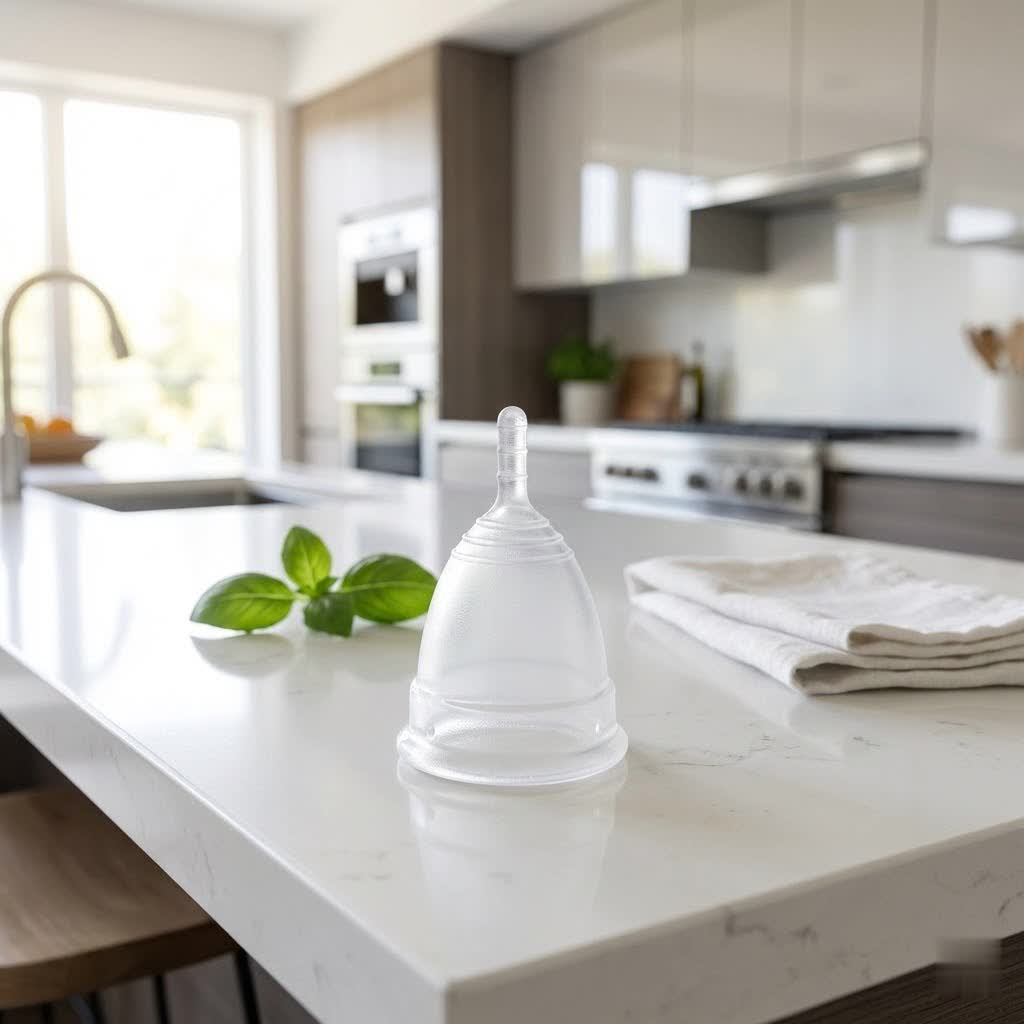
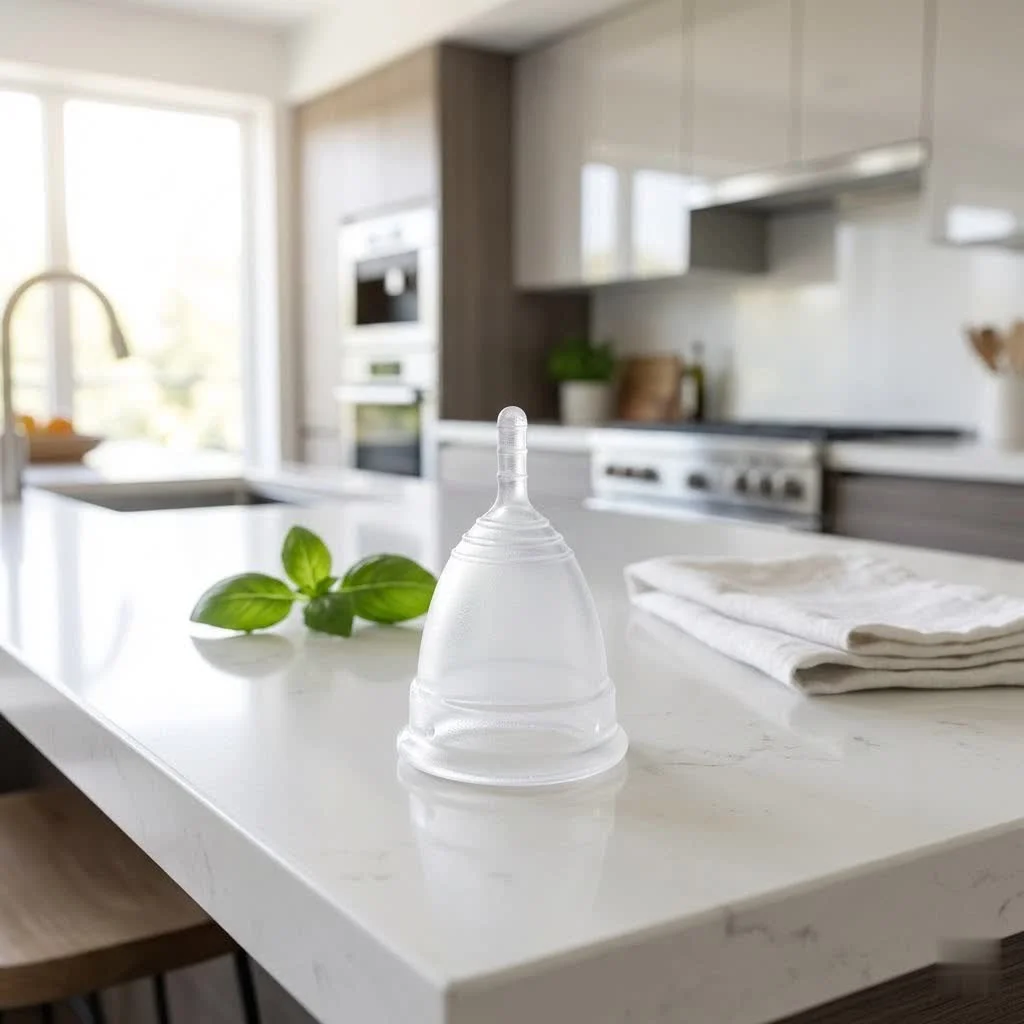
A menstrual cup is a reusable, bell-shaped device typically made from medical-grade silicone, rubber, or TPE. Unlike tampons or pads that absorb menstrual fluid, a menstrual cup is inserted into the vaginal canal to collect it. Once full, it’s removed, emptied, rinsed, and reinserted.
Menstrual cups have a rich history, with early versions dating back to the 1930s. Their design has evolved significantly, leading to today’s comfortable and highly effective options. Compared to traditional products, cups offer numerous advantages: they are environmentally friendly by reducing waste, more economical in the long run, and can be worn for longer periods (up to 12 hours), making them ideal for busy lifestyles or heavy flows. However, they do have a learning curve for insertion and removal, and potential concerns, particularly regarding IUDs, need to be addressed.
Understanding Your IUD
An IUD is a small, T-shaped birth control device that a healthcare provider inserts into your uterus. It works by preventing sperm from fertilizing an egg or preventing a fertilized egg from implanting in the uterus. There are two main types: hormonal IUDs, which release progestin, and copper IUDs, which release copper ions. Both are highly effective at preventing pregnancy for several years.
A key anatomical point is that the IUD sits inside your uterus, while the menstrual cup sits in your vaginal canal. Your cervix acts as a barrier between the two. The IUD has small strings that extend through your cervix into the top of your vagina, which your doctor uses for removal and to check its position.
Can You Use a Menstrual Cup with an IUD? The Safety Debate
The primary concern when using a menstrual cup with an IUD is the potential for IUD displacement or expulsion. While the IUD and cup occupy different spaces, the suction created by the menstrual cup during removal could, in some cases, inadvertently pull on the IUD strings, leading to the device shifting out of place or even being expelled from the uterus.
Research on this topic has yielded mixed results, but several studies suggest a possible association. Some findings indicate that women using menstrual cups may have a slightly increased risk of IUD displacement or expulsion compared to those who don’t. For instance, some studies have reported expulsion rates in menstrual cup users to be two to three times higher than in non-users, with rates potentially rising from 5% to 15% in some populations. It’s important to note that IUD expulsion can also occur naturally, often in the first few months after insertion, regardless of menstrual product use. However, the evidence is still developing, and more high-quality research is needed to fully understand the extent of this risk and the specific factors involved.
Despite these potential risks, many healthcare professionals agree that it is generally safe to use a menstrual cup with an IUD, provided that specific precautions are taken. The key lies in understanding and diligently following best practices to minimize any potential interference between the two devices.
Minimizing Risks: Best Practices for Menstrual Cup Users with an IUD
If you’re using an IUD and want to enjoy the benefits of a menstrual cup, adhering to careful techniques and guidelines is paramount. These practices are designed to reduce the risk of IUD displacement and ensure your peace of mind.
Timing is Key: The Post-Insertion Waiting Period
|
Our Picks for the Best Menstrual Cup in 2026
As an Amazon Associate I earn from qualifying purchases.
|
||
| Num | Product | Action |
|---|---|---|
| 1 | Pixie Menstrual Cup Kit - Best Period Cup Starter Kit for Feminine Care - Proven to Be What You Need to Become A Successful Cup User - 100% Medical-Grade Silicone - Tampon Alternative |

|
| 2 | Saalt Soft Menstrual Cup – Reusable Period Cup – Made for Comfortable, Leak-Free Protection Up to 12 Hours – BPA & Latex Free – Includes Cup & Carry Bag (Regular, Mountain Iris) |
|
| 3 | Pixie Cup - Soft, Safe, Reusable Menstrual Cup - Ranked 1 for The Best Tampon Alternative - 100% Medical-Grade Silicone Period Cup for Feminine Care - Buy One We Give One (Large) |
|
| 4 | EcoBlossom Reusable Menstrual Cup and Case - The Most Reliable Medical Grade Silicone Period Cups - Comfortably use for 12 Hours (Large (Pack of 2), Gray Cup & Case) |
|
| 5 | Menstrual Cup Steamer Sterilizer with 2 Reusable Menstrual Cups, Period Cups Cleaner Wash Kit |
|
| 6 | Venus Menstrual Cup (Period Cup for Women) - Best for Heavy Flow - 12 Hours Leak-Free Protection - 100% Medical-Grade Silicone Reusable Cup - Unique Design to Ease Your Period Cycle - Large |
|
| 7 | EcoBlossom Reusable Menstrual Cup Set - The Most Reliable Medical Grade Silicone Period Cups - Comfortably use for 12 Hours (Small & Large) |
|
| 8 | Saalt Soft Menstrual Cup – Reusable Period Cup – Made for Comfortable, Leak-Free Protection Up to 12 Hours – BPA & Latex Free – Includes Cup & Carry Bag (Small, Desert Blush) |
|
| 9 | Menstrual Cups with Collapsible Storage Cup, Leak-Proof Design with Medical Grade Silicone Period Cups Reusable, Tampon and Pad Alternative,for Light Flow and Heavy Flow Large+Small |
|
| 10 | Shordy Reusable Menstrual Cup Set of 2 (Small & Large) Soft Medical-Grade Silicone Period Cups Easy Removal Ribbed Stem, 12-Hour Leakproof Comfort Copa Menstrual – Alternative to Pads, Tampons & Disc |
|
One of the most crucial recommendations is to allow your IUD sufficient time to settle after insertion. Healthcare professionals often advise waiting at least 6 weeks, and sometimes up to 2 to 3 months, before using a menstrual cup. This waiting period is important because the first few months after IUD insertion carry the highest natural risk of expulsion, even without the use of a menstrual cup. Giving your uterus time to adjust and your IUD to properly embed itself can significantly reduce the chances of displacement when you eventually introduce a menstrual cup.
Mastering Removal: Breaking the Suction Seal
The most cited mechanism for IUD displacement by a menstrual cup is the suction created during removal. Therefore, mastering the art of breaking the suction seal is critical.
> “Always break the suction seal by pinching the base of the cup before removal. Never pull by the stem, especially when you have an IUD.” – Dr. Eleanor Rayner, Obstetrician and Gynecologist
Here’s how to do it correctly:
- Locate the base: Insert a finger (or two, if comfortable) into your vagina until you can reach the base of the menstrual cup.
- Pinch and release: Gently pinch the base of the cup. This action allows air to enter, breaking the vacuum seal that holds the cup in place. You might hear a slight “pop” or feel the pressure release.
- Wiggle and pull: Once the seal is broken, gently wiggle the cup from side to side and pull it downwards. Avoid forceful pulling.
- Never pull by the stem: The stem is for guiding the cup, not for removal. Pulling on the stem can create strong suction that may tug on your IUD strings.
Managing IUD Strings
Your IUD strings are an important consideration. They hang down from your cervix and can sometimes be caught between the rim of the cup and your vaginal wall.
- Regular Checks: Periodically check your IUD strings (ideally after each period) to ensure they feel the same length and are in place. Any noticeable change should prompt a visit to your doctor.
- Trimming Strings: Discuss with your healthcare provider the possibility of having your IUD strings trimmed shorter. Shorter strings are less likely to be accidentally caught by the cup, reducing the risk of a tug during removal.
- Cup Placement: When inserting your cup, try to ensure that your IUD strings are either resting inside the cup or are well out of the way, not trapped under the rim. Many cups are designed to sit lower in the vaginal canal, below the cervix where the strings emerge.
Choosing the Right Menstrual Cup
While most menstrual cups can be used, some features might offer additional peace of mind:
- Perforated Holes: Some menstrual cups come with small air holes around the rim. These are designed to help break the suction more easily during removal.
- Soft and Flexible: Cups made from softer, more flexible medical-grade silicone can be easier to pinch and manipulate, making suction release more straightforward.
- Size and Shape: Choose a cup that fits your body correctly. A cup that is too large or too firm might create excessive suction. Understanding your cervix height can help you select a cup that sits comfortably without pressing against your cervix or catching the IUD strings.
Expert Consultation
Before initiating menstrual cup use with an IUD, or if you have any concerns, always consult with your healthcare provider. They can offer personalized advice based on your specific IUD type, anatomy, and individual circumstances. They can also demonstrate proper insertion and removal techniques and address any questions you may have.
What to Do If You Suspect IUD Displacement
Recognizing the signs of IUD displacement is crucial for your health and contraceptive effectiveness. If you experience any of the following, contact your doctor immediately:
- Changes in IUD strings: If your strings feel suddenly shorter, longer, or if you can no longer feel them at all.
- Unusual pain or cramping: Persistent or severe abdominal pain or cramping, especially if it’s new or worse than your usual period discomfort.
- Heavy bleeding or spotting: Unexpected or heavier-than-normal bleeding between periods or during menstruation.
- Feeling the IUD: You can feel the hard plastic of the IUD itself.
- Partners feeling the IUD: Your partner can feel the IUD during intercourse.
In such cases, it is vital to seek medical attention promptly. Never attempt to adjust or remove your IUD yourself, as this can lead to complications. Your doctor can perform an examination, often with an ultrasound, to confirm the IUD’s position and take appropriate action.
Conclusion
The journey of choosing the right menstrual hygiene products alongside effective contraception is deeply personal. While using a menstrual cup with an IUD is generally considered safe, it necessitates a thoughtful approach and careful adherence to best practices. By understanding how IUDs and menstrual cups function, giving your IUD time to settle, mastering the critical technique of breaking the suction seal, managing your IUD strings, and choosing the right cup for your body, you can confidently embrace this combination. Above all, open communication with your healthcare provider is your most powerful tool in ensuring both your comfort and safety. Empower yourself with knowledge, listen to your body, and make choices that best support your overall well-being. Have you considered discussing these best practices with your gynecologist to tailor a plan for your unique needs?
Frequently Asked Questions
Is it safe to use a menstrual cup with an IUD?
Yes, it is generally safe to use a menstrual cup with an IUD, provided you follow specific precautions. The IUD sits in your uterus and the cup in your vaginal canal, separated by your cervix. The main concern is the suction created during cup removal, which could potentially dislodge the IUD if not properly released.
Can a menstrual cup pull out my IUD?
There is a slight, increased risk of IUD displacement or expulsion when using a menstrual cup, primarily due to the suction created during removal. If the suction seal is not broken before removing the cup, it could inadvertently pull on the IUD strings. However, this risk can be significantly minimized by consistently breaking the cup’s seal before removal.
How long should I wait after IUD insertion to use a menstrual cup?
It is strongly recommended to wait at least 6 weeks, and ideally 2 to 3 months, after IUD insertion before using a menstrual cup. This waiting period allows your IUD to settle properly in your uterus, as the first few months post-insertion have the highest natural rate of IUD expulsion, regardless of menstrual product use.
What if my IUD strings feel longer or shorter?
If you notice any change in the length of your IUD strings, or if you can no longer feel them, you should contact your healthcare provider immediately. This could be a sign of IUD displacement or expulsion, and your doctor will need to check the position of your IUD.
Get our weekly buyer guide
Practical specs, not advice. Unsubscribe anytime.
