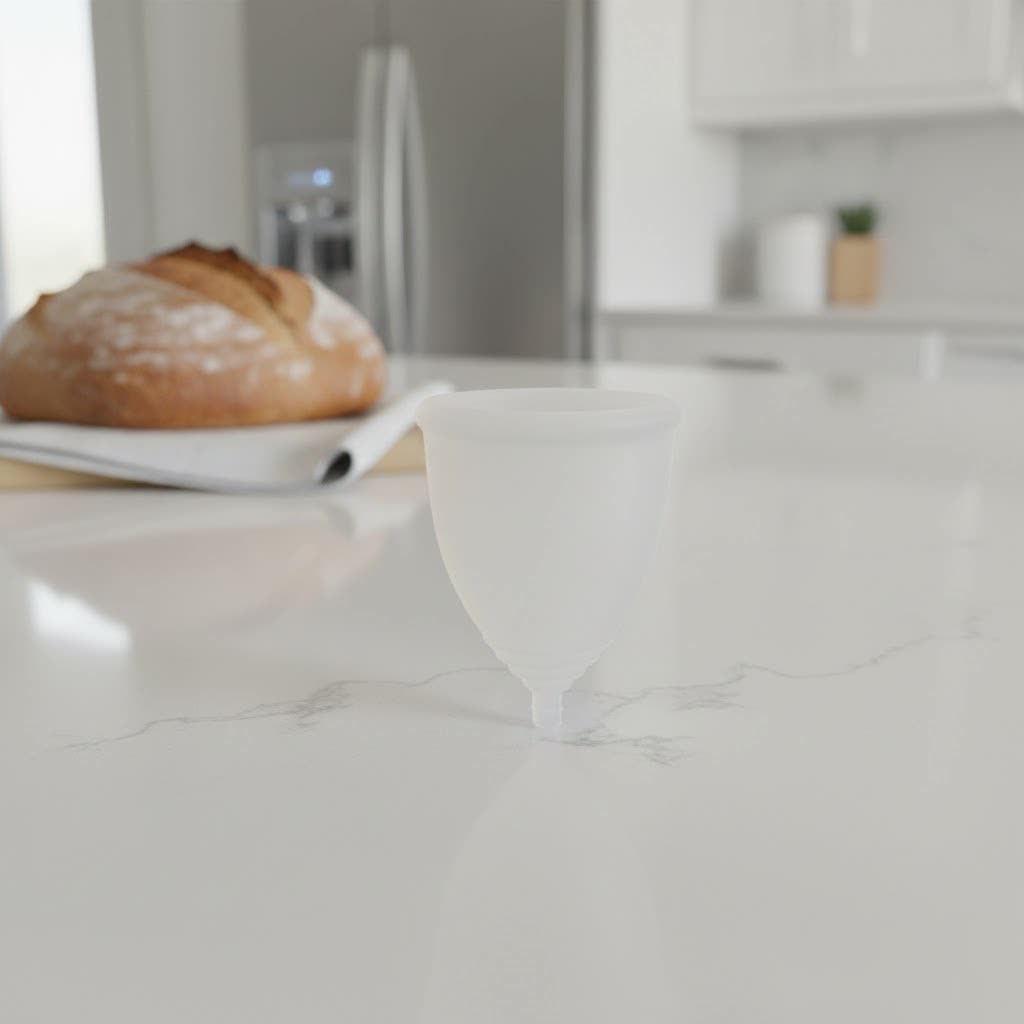
Embracing a menstrual cup can be a game-changer for your period, offering comfort, sustainability, and significant savings. But to truly unlock its benefits, understanding proper sterilization is paramount. Neglecting this crucial step can compromise your health and shorten your cup’s lifespan, turning a revolutionary product into a potential concern. This comprehensive guide will walk you through the most effective and convenient methods for sterilizing your menstrual cup, ensuring it remains a safe and reliable companion for years to come.
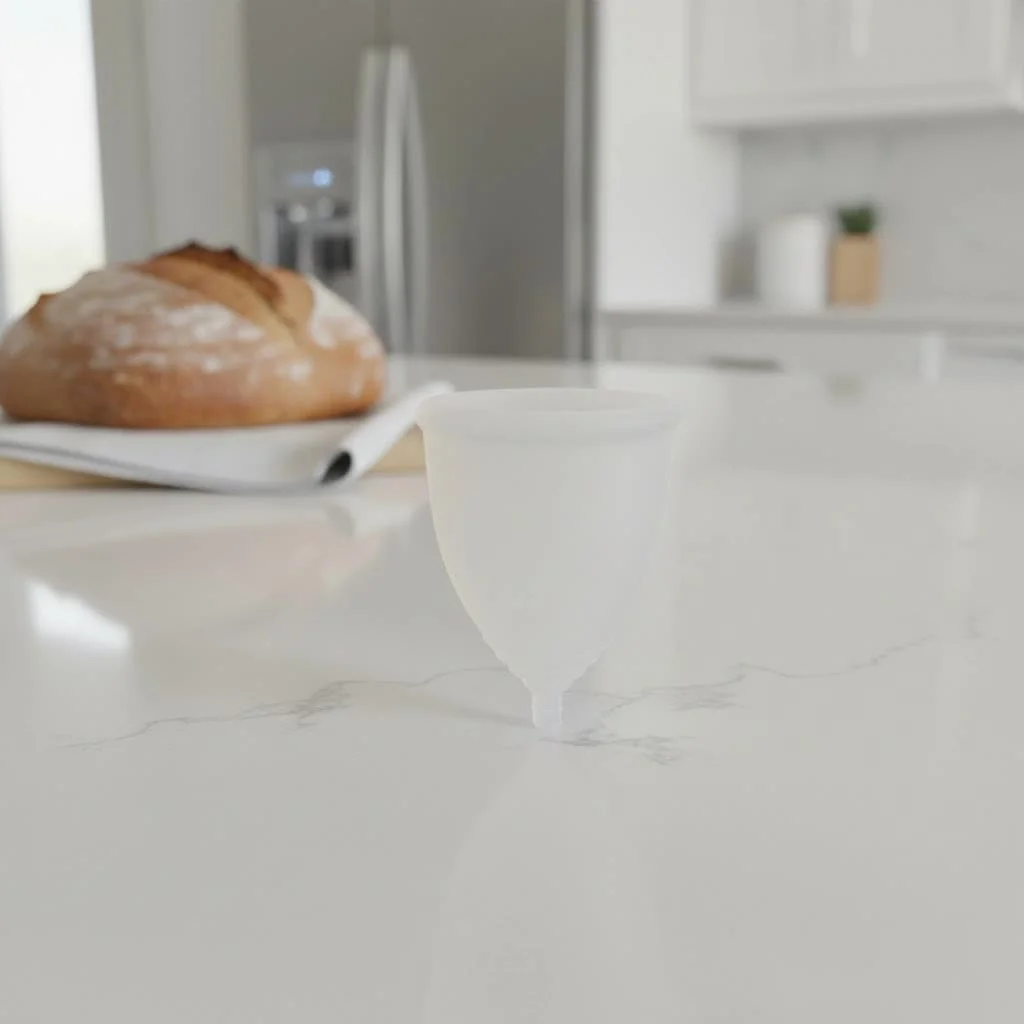
What Exactly is a Menstrual Cup and Why Does Sterilization Matter?
A menstrual cup is a flexible, bell-shaped device, typically made from medical-grade silicone, natural rubber, or TPE, inserted into the vagina to collect menstrual fluid. Unlike tampons or pads, it doesn’t absorb blood but rather collects it, offering up to 12 hours of leak-free protection. For see our menstrual cup recommendations on this site.
The importance of sterilizing your menstrual cup cannot be overstated. Sterilization goes beyond mere cleaning; it’s the process of eliminating all forms of microbial life, including bacteria, viruses, and spores, from the surface of your cup. This is vital for several reasons:
- Preventing Infections: Your vagina is a delicate environment. Introducing an improperly sterilized cup can disrupt its natural flora, leading to bacterial vaginosis, yeast infections, or, in rare cases, more serious issues like Toxic Shock Syndrome (TSS).
- Maintaining Hygiene: Sterilization ensures your cup is pristine and odor-free for each use, providing peace of mind and comfort.
- Extending Longevity: Proper care, including regular sterilization, helps preserve the integrity of your medical-grade silicone cup, allowing it to last for many years.
While daily rinsing and washing with a mild soap are sufficient during your cycle, a thorough sterilization is essential between periods.
Choosing the Right Menstrual Cup Sterilization Method for You
The market offers various methods for sterilizing menstrual cups, ranging from time-tested techniques to modern innovations. Your ideal choice will depend on factors such as convenience, access to equipment, travel needs, and personal preference for discretion.
Traditional Method: Boiling Your Menstrual Cup
Boiling remains one of the most widely recommended and effective methods for sterilizing your menstrual cup. It’s simple, requires no specialized equipment beyond what you likely already have in your kitchen, and effectively kills most microorganisms.
How to Boil Your Menstrual Cup:
- Clean First: Before boiling, thoroughly wash your menstrual cup with warm water and a mild, unscented, oil-free soap designed for intimate products. Pay close attention to the rim and suction holes.
- Prepare the Pot: Use a clean pot that is reserved for this purpose or any pot if thoroughly washed. Fill it with enough water to completely submerge your cup.
- Submerge and Boil: Place your menstrual cup in the boiling water. To prevent it from sticking to the bottom of the pot and potentially scorching, you can place it inside a metal whisk or use tongs to keep it submerged.
- Boil for 5-10 Minutes: Let the cup boil for approximately 5 to 10 minutes. Always refer to your specific cup manufacturer’s guidelines, as some may recommend slightly different durations.
- Cool and Dry: Carefully remove the cup from the hot water using tongs. Let it cool completely on a clean surface or paper towel. Ensure it is entirely dry before storing.
Pros: Highly effective, free (if you already own a pot), and chemical-free.
Cons: Can be inconvenient or indiscreet if you live with others or travel frequently. Requires supervision to prevent water from evaporating and the cup from scorching.
Modern Solutions: Microwavable Sterilizing Cups
|
Our Picks for the Best Menstrual Cup in 2026
As an Amazon Associate I earn from qualifying purchases.
|
||
| Num | Product | Action |
|---|---|---|
| 1 | Saalt Soft Menstrual Cup – Reusable Period Cup – Made for Comfortable, Leak-Free Protection Up to 12 Hours – BPA & Latex Free – Includes Cup & Carry Bag (Regular, Mountain Iris) |

|
| 2 | EcoBlossom Reusable Menstrual Cup Set - The Most Reliable Medical Grade Silicone Period Cups - Comfortably use for 12 Hours (Small & Large) |
|
| 3 | EcoBlossom Reusable Menstrual Cup and Case - The Most Reliable Medical Grade Silicone Period Cups - Comfortably use for 12 Hours (Large (Pack of 2), Gray Cup & Case) |
|
| 4 | Shordy Reusable Menstrual Cup Set of 2 (Small & Large) Soft Medical-Grade Silicone Period Cups Easy Removal Ribbed Stem, 12-Hour Leakproof Comfort Copa Menstrual – Alternative to Pads, Tampons & Disc |
|
| 5 | Pixie Menstrual Cup Kit - Best Period Cup Starter Kit for Feminine Care - Proven to Be What You Need to Become A Successful Cup User - 100% Medical-Grade Silicone - Tampon Alternative |
|
| 6 | Saalt Soft Menstrual Cup – Reusable Period Cup – Made for Comfortable, Leak-Free Protection Up to 12 Hours – BPA & Latex Free – Includes Cup & Carry Bag (Small, Desert Blush) |
|
| 7 | Pixie Cup - Soft, Safe, Reusable Menstrual Cup - Ranked 1 for The Best Tampon Alternative - 100% Medical-Grade Silicone Period Cup for Feminine Care - Buy One We Give One (Large) |
|
| 8 | Menstrual Cups with Collapsible Storage Cup, Leak-Proof Design with Medical Grade Silicone Period Cups Reusable, Tampon and Pad Alternative,for Light Flow and Heavy Flow Large+Small |
|
| 9 | Venus Menstrual Cup (Period Cup for Women) - Best for Heavy Flow - 12 Hours Leak-Free Protection - 100% Medical-Grade Silicone Reusable Cup - Unique Design to Ease Your Period Cycle - Large |
|
| 10 | Menstrual Cup Steamer Sterilizer with 2 Reusable Menstrual Cups, Period Cups Cleaner Wash Kit |
|
Microwavable sterilizing cups are a game-changer for those seeking a more discreet and convenient sterilization method. These compact, often collapsible, silicone containers are specifically designed for menstrual cup hygiene.
How to Use a Microwavable Sterilizing Cup:
- Clean Your Cup: As always, thoroughly wash your menstrual cup with warm water and a mild soap.
- Place in Sterilizer: Place your clean menstrual cup inside the sterilizing cup.
- Add Water: Fill the sterilizing cup with water, ensuring your menstrual cup is fully submerged or, at minimum, halfway covered, depending on the sterilizer’s design.
- Microwave: Place the sterilizing cup (with its lid slightly ajar to allow steam to escape) into the microwave. Heat on medium to high power for 2-3 minutes, or until the water is steaming. Cooking times can vary based on microwave wattage, so consult your sterilizer’s instructions.
- Cool and Store: Allow the cup and water to cool down before handling. Once cool, remove your menstrual cup, dry it thoroughly, and store it.
Pros: Extremely convenient, discreet, portable (many are collapsible and travel-friendly), and can double as a storage container.
Cons: Requires access to a microwave. There’s an initial purchase cost for the sterilizing cup. Over-microwaving can superheat water.
Advanced Hygiene: Electric Steam Sterilizers
For the ultimate in convenience and peace of mind, electric steam sterilizers offer a hands-off approach to menstrual cup hygiene. These dedicated devices use steam to thoroughly sanitize your cup in a matter of minutes.
How to Use an Electric Steam Sterilizer:
- Pre-clean: Rinse and wash your menstrual cup with a gentle cleanser and water.
- Add Water to Base: Fill the sterilizer’s water reservoir with the recommended amount of clean water (usually a small amount).
- Place Cup: Position your menstrual cup (and sometimes menstrual discs or other silicone intimate products) inside the sterilizer’s chamber.
- Start Cycle: Close the lid and press the start button. The device will heat the water to produce steam, sanitizing your cup in typically 3-10 minutes. Most models feature an automatic shut-off.
- Cool and Dry: Once the cycle is complete, allow the cup to cool inside the sterilizer before opening. Remove, dry completely, and store.
Pros: Highly convenient, fast, consistent and effective sanitization, discreet, ideal for shared living spaces (dorm rooms, offices), and often designed to prevent damage to silicone.
Cons: Higher initial cost than other methods, requires an electrical outlet, and may not be necessary for all users.
On-the-Go and Alternative Cleaning Options
Sometimes, traditional or specialized sterilization isn’t feasible. Here are some effective alternatives and supplementary cleaning options:
- Menstrual Cup Washes: During your cycle, when a full sterilization isn’t required, use a pH-balanced, unscented, oil-free menstrual cup wash and warm water to clean your cup between insertions. Avoid harsh soaps, fragranced cleansers, or antibacterial hand soaps, as these can irritate vaginal tissues or degrade the silicone.
- Alcohol Wipes: Specific menstrual cup cleansing wipes (often alcohol-based) are excellent for quick sanitization when you’re in a public restroom or don’t have access to water. These are for emergency use and do not replace thorough sterilization.
- Hot Tap Water Soak: If you’re without a microwave or stove, soaking your thoroughly cleaned cup in a mug of the hottest tap water available for 5-10 minutes can offer a basic level of sanitization.
- Hydrogen Peroxide Soak: For deep cleaning or stain removal, soaking your cup in a 3% hydrogen peroxide solution (available over-the-counter) for a few hours or overnight can be effective. However, this method should be used sparingly (only a few times a year) as frequent exposure can potentially degrade medical-grade silicone over time, making it sticky or discolored. Always rinse thoroughly with water afterward.
| Method | Convenience | Effectiveness | Cost | Best For |
|---|---|---|---|---|
| Boiling (Stove-top) | Moderate | High | Low (free) | Home use, budget-conscious |
| Microwavable Sterilizing Cup | High | High | Moderate | Home, travel, discreet needs |
| Electric Steam Sterilizer | Very High | Very High | High | Home, shared living, ultimate convenience |
| Menstrual Cup Wash | Very High | Daily cleaning | Low-Moderate | During cycle, daily maintenance |
| Alcohol Wipes | Very High (on-go) | Basic sanitization | Low-Moderate | Emergency use, public restrooms |
| Hot Tap Water Soak | High | Moderate sanitization | Low (free) | Travel, limited resources |
| Hydrogen Peroxide Soak | Moderate | Deep clean/Stain removal | Low | Occasional deep cleaning, stain removal (use sparingly) |
How Often to Sterilize and General Care Tips
To ensure optimal hygiene and extend the life of your menstrual cup, follow these general guidelines:
- Before First Use: Always sterilize your brand new menstrual cup before its very first insertion. This removes any potential contaminants from manufacturing or packaging.
- Between Cycles: Perform a thorough sterilization (boiling, microwave, or steam) at the end of each menstrual cycle, before storing your cup. Some prefer to sterilize again at the beginning of the next cycle.
- During Your Cycle: Between removals and reinsertions, a simple rinse with cold water (to prevent stains) and a quick wash with a mild, unscented menstrual cup cleanser or intimate wash is usually sufficient.
- Storage: Once your cup is sterilized and completely dry, store it in a breathable cotton bag (often provided with your cup). Avoid airtight containers, as they can trap moisture and encourage bacterial growth.
- Avoid Harsh Chemicals: Never use bleach, rubbing alcohol (other than specific wipes), scented soaps, oil-based cleansers, or harsh disinfectants on your menstrual cup. These can degrade the silicone, cause irritation, or leave residue.
- Inspect Regularly: Periodically check your cup for signs of wear, stickiness, tears, or significant discoloration. If you notice any damage, it’s time to replace your cup.
Conclusion
Choosing the right menstrual cup is only the first step; maintaining its hygiene through proper sterilization is equally vital. Whether you opt for the simplicity of boiling, the convenience of a microwavable sterilizing cup, or the advanced ease of an electric steam sterilizer, understanding these methods empowers you to keep your reusable period product safe, clean, and durable. By making a habit of thorough sterilization, you protect your health, minimize waste, and ensure your menstrual cup continues to be a reliable and comfortable choice for many cycles to come. What is your go-to method for keeping your menstrual cup impeccably clean?
Frequently Asked Questions
Can sterilizing a menstrual cup damage it?
Most medical-grade silicone menstrual cups are designed to withstand high temperatures. Boiling for the recommended 5-10 minutes or using dedicated microwave/steam sterilizers according to instructions should not damage your cup. However, scorching can occur if a cup sits directly on a hot pot bottom without water, and harsh chemicals like bleach or frequent hydrogen peroxide soaks can degrade the silicone over time.
How do I clean my menstrual cup when traveling without a microwave or stove?
For travel, a collapsible microwavable sterilizing cup can be used with boiling water poured in from a kettle or hot tap water. Alternatively, specialized menstrual cup cleaning wipes (alcohol-based) can provide quick sanitization in a pinch, though they don’t replace a full sterilization.
Is sterilizing necessary every day I use my menstrual cup?
No, full sterilization is typically only needed before its first use and between menstrual cycles. During your period, a simple rinse with cold water followed by washing with a mild, unscented, pH-balanced cleanser and warm water is sufficient between insertions.
Can I use dish soap to clean my menstrual cup?
It is generally not recommended to use standard dish soap. Many dish soaps contain strong detergents, fragrances, or oils that can irritate your sensitive vaginal tissues or leave a residue on the silicone, potentially degrading the material. Always opt for a mild, unscented, oil-free cleanser specifically designed for intimate products or menstrual cups.
How do I get rid of stains or odors on my menstrual cup?
For stains, you can try soaking your cup in a 3% hydrogen peroxide solution overnight (do this sparingly) or leaving it in direct sunlight for a few hours (UV light can help). For odors, ensure you are sterilizing regularly and cleaning thoroughly with a proper menstrual cup wash. If persistent odor or discoloration occurs, it might be an indication that it’s time to replace your cup.
Get our weekly buyer guide
Practical specs, not advice. Unsubscribe anytime.

I’ve been using a menstrual cup for years, and this guide on sterilization was a lifesaver! I used to just boil it, but learning about the steam sterilizers has totally changed my routine. It feels so much more hygienic and I’m confident my medical-grade silicone cup is truly clean. Definitely recommend trying out the different methods mentioned.
I appreciate the detailed info on keeping my cup clean. I tried the hydrogen peroxide soak as suggested, but I found it a bit messy to deal with. It did get my cup looking super clear, but I think I’ll stick to boiling for now. Maybe I’ll try a different method next time.
This was really helpful for making sure my natural rubber cup lasts. I’ve been worried about shortening its lifespan, but the tips on proper cleaning and storage have put my mind at ease. It’s great to know I’m doing everything I can to keep it safe and effective for a long time.
I’m new to menstrual cups and was a bit overwhelmed by the cleaning aspect. This guide made it so easy to understand why sterilization matters and how to do it right. I feel much more confident using my cup now, knowing I’m keeping it perfectly clean and safe. No more worries about compromising my health!