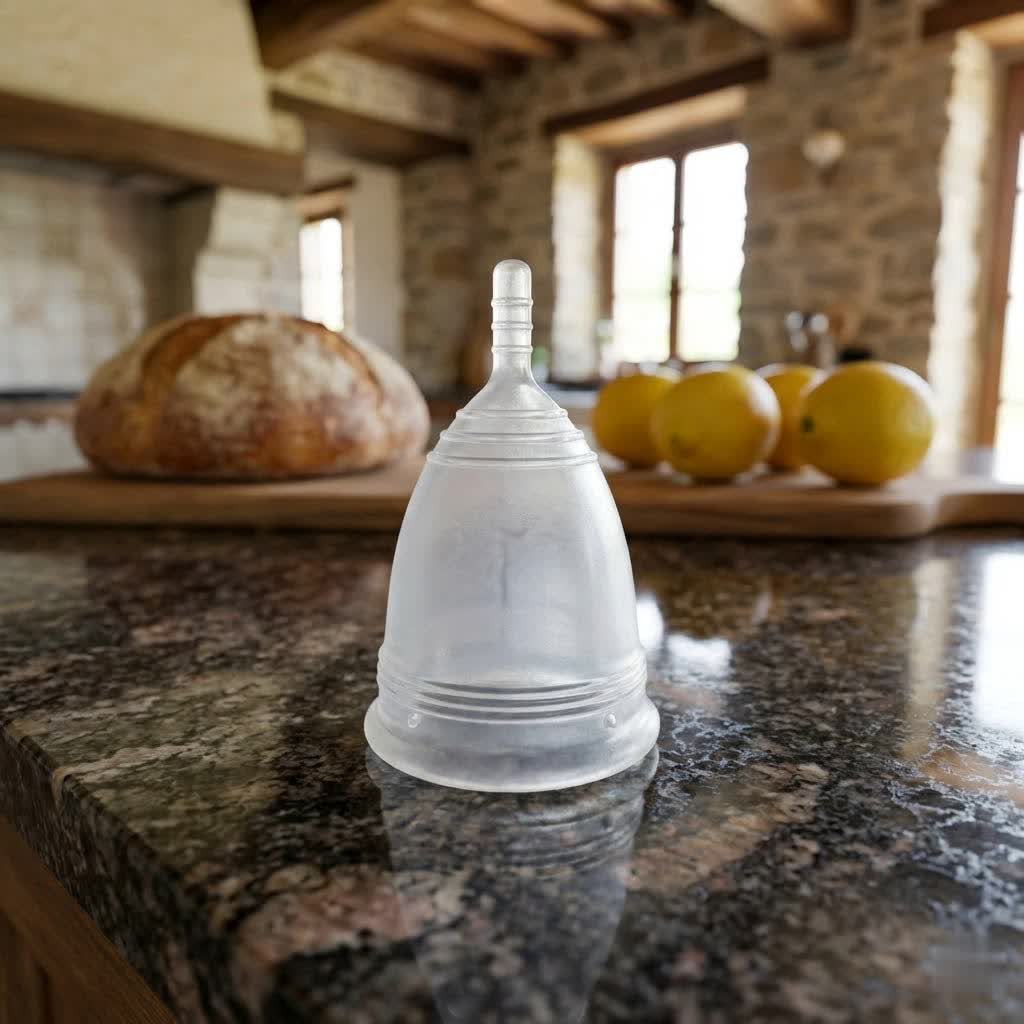
Discovering an unpleasant odor from your menstrual cup can be a surprising and unsettling experience, but it’s far more common than you might think. Many users encounter this issue, often describing the smell as sour, metallic, or even fishy. The good news is that a “stinky menstrual cup” is rarely a sign of serious danger and can almost always be remedied with proper care and attention. This comprehensive guide will delve into the root causes of menstrual cup odor, provide effective solutions for eliminating it, and offer preventative measures to ensure your period care routine remains fresh and worry-free.
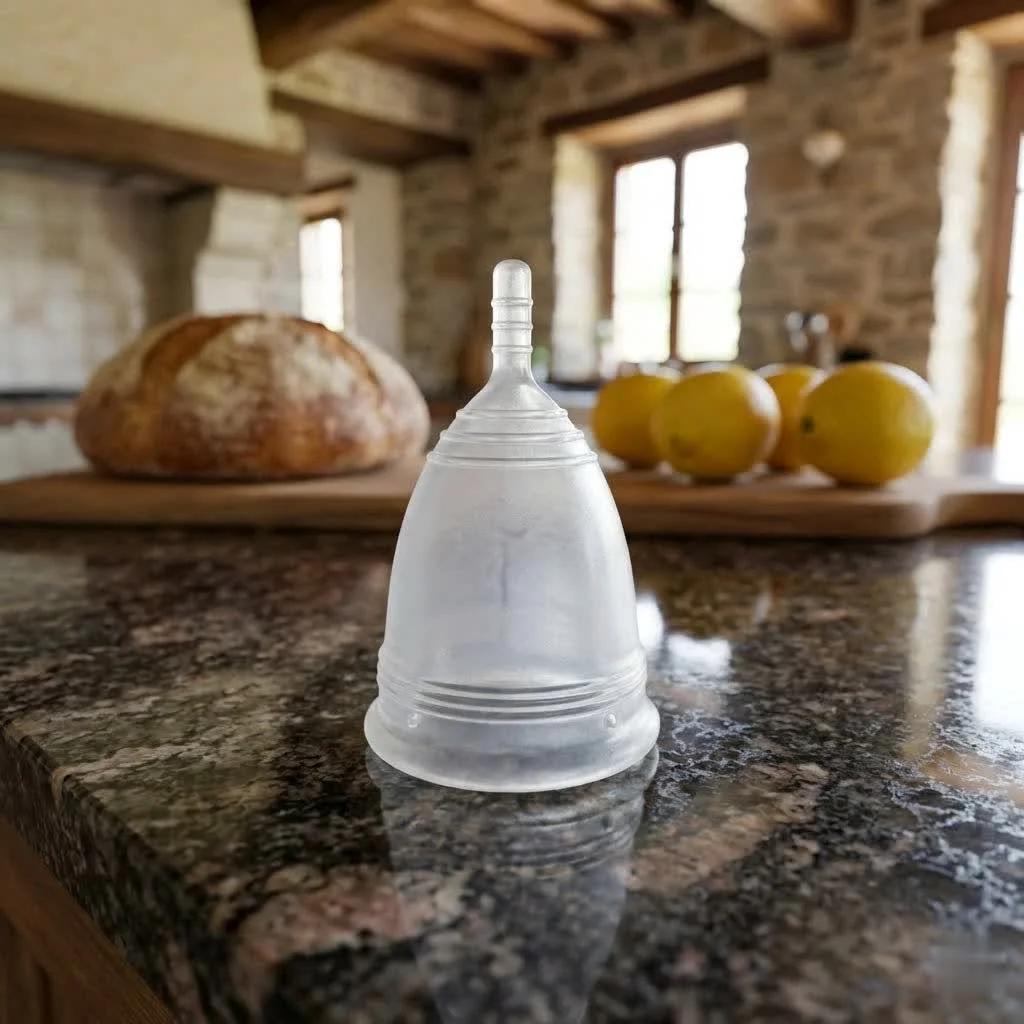
What Causes Your Menstrual Cup to Smell?
A menstrual cup itself, especially when made from medical-grade silicone, is inherently odorless. The smell you detect typically arises from the interaction between menstrual blood and bacteria, a natural process that occurs when blood is exposed to air and the vaginal environment. Menstrual fluid is not just blood; it’s a mix of blood, endometrial lining, cervical mucus, and vaginal secretions, all of which contain proteins. When these proteins come into contact with bacteria and air, they can break down and produce various odors. For more menstrual cup guides on this site.
While a mild, sometimes metallic or earthy scent is normal, certain strong or unusual odors can indicate specific issues. For instance, a persistent fishy smell might be a red flag for a vaginal infection, such as bacterial vaginosis (BV) or trichomoniasis. In such cases, this odor is often accompanied by other symptoms like unusual discharge, itching, or burning. Recognizing the difference between normal period-related smells and those indicating an underlying health concern is crucial for your well-being.
Common Culprits: Why Your Menstrual Cup Might Smell
Several factors contribute to your menstrual cup developing an unwelcome odor. Understanding these causes is the first step toward a lasting solution.
Improper Cleaning Techniques
One of the most frequent reasons for a smelly cup is inadequate cleaning. Residual menstrual blood, even microscopic amounts, can cling to the cup’s surface, particularly in hard-to-reach areas like the small air holes beneath the rim. Over time, this residue provides a breeding ground for bacteria, leading to persistent odors. Using harsh, fragranced, or oil-based soaps can also damage the silicone, creating a porous surface that traps smells and residues more easily.
Leaving Your Cup in Too Long
While menstrual cups offer extended wear time compared to traditional products, exceeding the recommended 8 to 12 hours can lead to odor development. The longer menstrual blood remains in the cup, exposed to air and vaginal bacteria, the greater the chance for odor-causing compounds to form. Regularly emptying and rinsing your cup within the recommended timeframe is essential.
Incorrect Sterilization
|
Our Picks for the Best Menstrual Cup in 2026
As an Amazon Associate I earn from qualifying purchases.
|
||
| Num | Product | Action |
|---|---|---|
| 1 | Saalt Soft Menstrual Cup – Reusable Period Cup – Made for Comfortable, Leak-Free Protection Up to 12 Hours – BPA & Latex Free – Includes Cup & Carry Bag (Small, Desert Blush) |

|
| 2 | Saalt Soft Menstrual Cup – Reusable Period Cup – Made for Comfortable, Leak-Free Protection Up to 12 Hours – BPA & Latex Free – Includes Cup & Carry Bag (Regular, Mountain Iris) |
|
| 3 | Pixie Cup - Soft, Safe, Reusable Menstrual Cup - Ranked 1 for The Best Tampon Alternative - 100% Medical-Grade Silicone Period Cup for Feminine Care - Buy One We Give One (Large) |
|
| 4 | EcoBlossom Reusable Menstrual Cup Set - The Most Reliable Medical Grade Silicone Period Cups - Comfortably use for 12 Hours (Small & Large) |
|
| 5 | EcoBlossom Reusable Menstrual Cup and Case - The Most Reliable Medical Grade Silicone Period Cups - Comfortably use for 12 Hours (Large (Pack of 2), Gray Cup & Case) |
|
| 6 | Pixie Menstrual Cup Kit - Best Period Cup Starter Kit for Feminine Care - Proven to Be What You Need to Become A Successful Cup User - 100% Medical-Grade Silicone - Tampon Alternative |
|
| 7 | Venus Menstrual Cup (Period Cup for Women) - Best for Heavy Flow - 12 Hours Leak-Free Protection - 100% Medical-Grade Silicone Reusable Cup - Unique Design to Ease Your Period Cycle - Large |
|
| 8 | Shordy Reusable Menstrual Cup Set of 2 (Small & Large) Soft Medical-Grade Silicone Period Cups Easy Removal Ribbed Stem, 12-Hour Leakproof Comfort Copa Menstrual – Alternative to Pads, Tampons & Disc |
|
| 9 | Menstrual Cups with Collapsible Storage Cup, Leak-Proof Design with Medical Grade Silicone Period Cups Reusable, Tampon and Pad Alternative,for Light Flow and Heavy Flow Large+Small |
|
| 10 | Menstrual Cup Steamer Sterilizer with 2 Reusable Menstrual Cups, Period Cups Cleaner Wash Kit |
|
Sterilization is key to maintaining hygiene and preventing odor. If your cup isn’t properly sterilized between cycles, bacteria can linger and multiply, causing it to smell even before use. Ineffective sterilization methods or skipping this crucial step allows residual bacteria to accumulate.
Inadequate Storage
How you store your menstrual cup between periods can significantly impact its freshness. Storing a cup in an airtight container, especially if it hasn’t fully dried, creates a moist, oxygen-deprived environment where bacteria can thrive and cause odors. Breathable storage, such as a cotton pouch, allows air circulation and prevents bacterial growth.
Cup Material and Staining
Over time, silicone cups can develop a yellowish or brownish discoloration from consistent contact with blood. While staining itself doesn’t typically cause odor, it can sometimes be linked to residues that do. Some cup materials, especially older or lower-grade silicones, might also be more prone to absorbing and retaining odors than newer, medical-grade options.
pH Imbalance and Vaginal Health Issues
Sometimes, the odor isn’t solely from the cup but reflects a change in your vaginal flora. A shift in your vaginal pH balance or an undiagnosed infection can alter the scent of your menstrual fluid, which then transfers to the cup. If the odor is unusual and accompanied by other symptoms like itching, burning, or discharge, it’s vital to consult a healthcare professional.
Effective Solutions: How to Get Rid of Menstrual Cup Odor
Don’t despair if your menstrual cup has developed an odor; there are many tried-and-true methods to restore its freshness.
Thorough Cleaning Routine
The foundation of an odor-free cup is a consistent and meticulous cleaning routine.
- Rinse with Cold Water First: When emptying your cup, always rinse it thoroughly with cold water first. Hot water can sometimes “set” blood stains and odors into the silicone.
- Wash with Mild Soap: After the cold rinse, wash the cup with warm water and a mild, unscented, oil-free soap specifically designed for menstrual cups, or a gentle, fragrance-free soap. Avoid harsh antibacterial soaps, perfumed cleansers, or those containing essential oils, as these can degrade the silicone and irritate sensitive vaginal tissue.
- Clean Air Holes: Pay special attention to the small air holes under the rim. Fill the cup with water and squeeze it to force water through the holes, dislodging any trapped residue. You can also gently scrub them with a soft brush or a clean toothpick.
Boiling for Sterilization
Boiling is a highly effective way to sanitize your cup and neutralize odors.
- Place your clean cup in a pot of boiling water for 3 to 10 minutes (check your cup’s specific instructions). Ensure the cup is fully submerged and doesn’t touch the bottom of the pot to prevent damage. You can use a whisk or a dedicated menstrual cup sterilizer to keep it suspended.
- Perform this sterilization before its first use, at the end of each menstrual cycle, and any time you notice a persistent odor.
Natural Remedies for Stubborn Odors
For more stubborn smells, several natural methods can help:
- Vinegar Soak: Mix a solution of half water and half white vinegar. Soak your menstrual cup in this mixture for about an hour. Vinegar is an excellent deodorizer and can also help with discoloration. Rinse the cup extremely thoroughly afterwards to remove all vinegar residue before re-inserting.
- Lemon Juice Scrub/Soak: Lemon juice is another natural cleanser and deodorizer. You can wipe the inside and outside of your cup with fresh lemon juice, or soak it in lemon juice for an hour. Always follow this with a thorough rinse and a quick boil to ensure no acidic residue remains.
- Baking Soda Paste: For tough stains and odors, create a paste with baking soda and a little water. Gently scrub the cup with this paste, then rinse thoroughly. Baking soda is known for its odor-absorbing properties.
- Sun Exposure: After thorough cleaning and sterilization, allow your cup to air dry completely in indirect sunlight for a few hours. The sun’s UV rays can help neutralize odors and remove stains, but avoid prolonged direct exposure, which could degrade the silicone.
Specialized Cleansers
If natural remedies aren’t sufficient, consider using a specialized menstrual cup cleaning solution. These are formulated to be gentle on silicone and safe for vaginal health while effectively tackling odors and residue.
When to Replace Your Cup
Even with the best care, menstrual cups don’t last forever. If your cup consistently retains an unpleasant odor despite all cleaning and sterilization efforts, or if the silicone shows signs of degradation (e.g., stickiness, tears, significant discoloration), it might be time to replace it. Most cups last for several years, but individual usage and care can affect their lifespan.
Prevention is Key: Keeping Your Menstrual Cup Fresh
Preventing odor is easier than trying to remove it. Incorporate these practices into your routine for a consistently fresh menstrual cup.
- Adhere to Wear Time: Never wear your menstrual cup for longer than 12 hours. Empty and rinse it regularly, ideally every 8-12 hours, or more frequently if you have a heavy flow.
- Regular and Proper Cleaning: Establish a meticulous cleaning routine during each cycle. Always rinse with cold water first, then wash with a mild, unscented cleanser, focusing on all surfaces and air holes.
- Correct Sterilization Schedule: Sterilize your cup by boiling it for the recommended duration (usually 3-10 minutes) before its first use and at the end of every menstrual cycle. This eliminates bacteria and maintains hygiene.
- Optimal Storage Methods: Always store your completely dry menstrual cup in a breathable cotton pouch or similar ventilated container between cycles. Avoid storing it in airtight plastic bags or containers, as this traps moisture and encourages bacterial growth.
- Choose the Right Cleaning Products: Stick to mild, unscented, and oil-free soaps specifically designed for menstrual cups, or use plain water. Avoid harsh chemicals, strong detergents, or fragrant soaps that can damage the silicone and irritate your body.
- Consider Rotating Cups: If you frequently experience odors, having two cups to rotate can be beneficial. This allows one cup to thoroughly air out and “rest” while you use the other.
When to See a Doctor
While a mild odor is usually a cleaning issue, certain smells warrant medical attention. If you notice a persistent, strong, fishy, or foul odor from your cup and/or your vagina, especially when accompanied by:
- Unusual vaginal discharge (different color, consistency, or amount)
- Itching or irritation
- Burning sensation during urination or intercourse
- Pelvic pain
These symptoms could indicate a vaginal infection (like bacterial vaginosis, yeast infection, or STI). In such cases, stop using your menstrual cup until you’ve consulted a healthcare professional, received a diagnosis, and completed any necessary treatment.
Conclusion
A “stinky menstrual cup” is a common, manageable issue that shouldn’t deter you from enjoying the benefits of this innovative period product. By understanding the causes, implementing a rigorous cleaning and sterilization routine, employing natural remedies when needed, and practicing smart prevention, you can ensure your menstrual cup remains hygienic and odor-free. Remember, proactive care is key to a comfortable, confident, and sustainable period experience. With these tips, you’re well-equipped to tackle any odors and keep your menstrual cup fresh for years to come.
What’s your go-to trick for keeping your menstrual cup smelling fresh?
Frequently Asked Questions
Is a stinky menstrual cup dangerous?
A mildly stinky menstrual cup due to residual blood or bacteria is typically not dangerous and is a common occurrence. However, a strong, persistent, or fishy odor, especially if accompanied by vaginal discomfort, unusual discharge, or itching, could indicate a vaginal infection. If you suspect an infection, consult a doctor immediately.
Can I use any soap to clean my menstrual cup?
No, it’s best to avoid harsh, fragranced, or oil-based soaps. These can damage the medical-grade silicone of your cup, making it more prone to absorbing odors and potentially causing vaginal irritation. Always opt for a mild, unscented, oil-free cleanser specifically designed for menstrual cups, or simply use water for rinsing during your cycle and boiling for sterilization.
How often should I sterilize my menstrual cup?
You should sterilize your menstrual cup by boiling it before its very first use and at the end of every menstrual cycle, right before storing it away. If you notice a persistent odor developing during your cycle, or if you’ve been sick, an additional sterilization might be beneficial. Regular rinsing with water and a mild, unscented soap is sufficient for cleaning between removals during your period.
Get our weekly buyer guide
Practical specs, not advice. Unsubscribe anytime.
