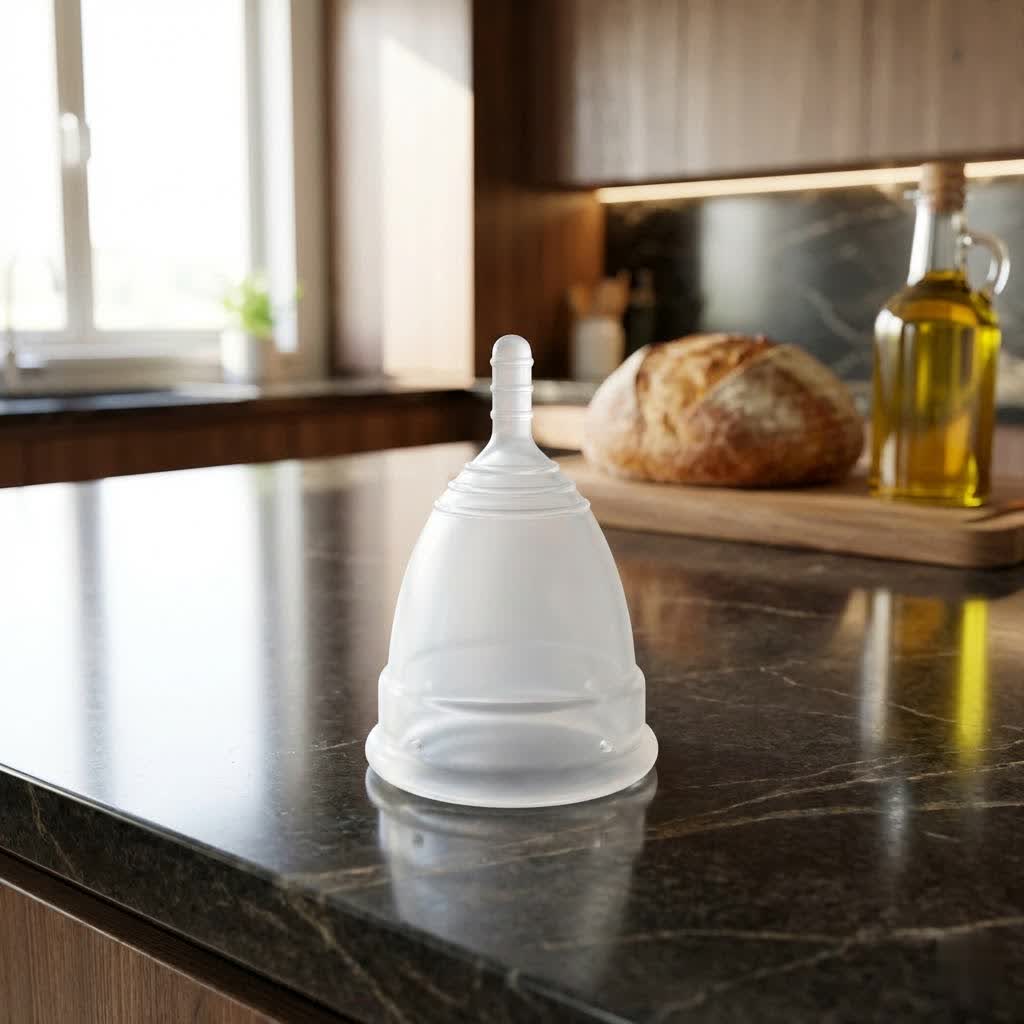
Navigating the world of menstrual cups can be a game-changer for many, offering comfort, sustainability, and freedom during your period. But what if your anatomy presents a unique curveball, like a tilted uterus? It’s a common question that leads many to wonder if this innovative period solution is truly for them. The good news is, a tilted uterus doesn’t mean you can’t embrace the benefits of a menstrual cup. With the right knowledge and a bit of practice, you can find your perfect fit and experience leak-free confidence.
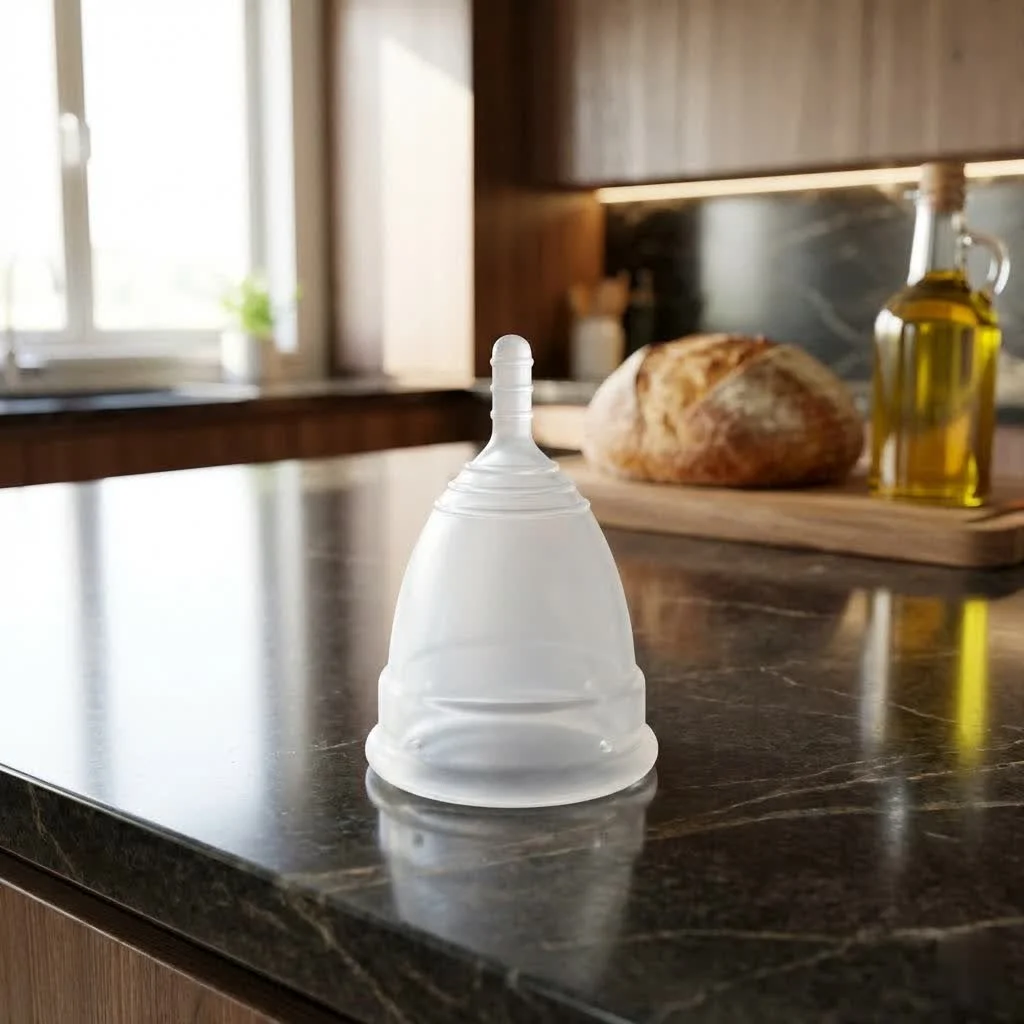
Understanding Your Anatomy: What is a Tilted Uterus?
A tilted uterus, also known as a retroverted or retroflexed uterus, refers to a common anatomical variation where the uterus naturally tips backward towards the spine instead of tilting forward towards the abdomen. This is a completely normal occurrence, affecting approximately one in four to one in five women, many of whom are unaware they have it until a routine pelvic exam. For browse all menstrual cup articles on this site.
While often asymptomatic, a tilted uterus can sometimes be associated with symptoms such as lower back or vaginal pain during intercourse, increased menstrual pain, or even difficulty inserting tampons. The causes typically include natural anatomical variation, genetics, or, in some cases, conditions like endometriosis, pelvic inflammatory disease, fibroids, or scar tissue from previous pelvic surgeries or pregnancies. Knowing your unique anatomy, particularly the position of your cervix, is key to successfully using a menstrual cup.
Menstrual Cups and Tilted Uterus: A Perfect Match?
Absolutely! Having a tilted uterus does not preclude you from using a menstrual cup. Many women with this anatomical variation successfully use menstrual cups and discs without any issues. The primary difference lies in understanding that your cervix, the opening to your uterus, might be positioned slightly lower, higher, or at a different angle within your vaginal canal. This simply means your approach to insertion and finding the optimal cup position might require a bit more personalized attention and practice.
Compared to traditional pads and tampons, menstrual cups offer a sustainable, cost-effective, and often more comfortable alternative. They collect menstrual fluid rather than absorbing it, reducing dryness and irritation. With a lifespan of several years, they also significantly cut down on waste, making them an eco-friendly choice.
Choosing the Right Menstrual Cup for a Tilted Uterus
Selecting the ideal menstrual cup involves considering several factors tailored to your unique anatomy when you have a tilted uterus. It’s not a one-size-fits-all solution, but a journey to find what feels best and provides a reliable seal.
Key Factors to Consider:
|
Our Picks for the Best Menstrual Cup in 2026
As an Amazon Associate I earn from qualifying purchases.
|
||
| Num | Product | Action |
|---|---|---|
| 1 | Saalt Soft Menstrual Cup – Reusable Period Cup – Made for Comfortable, Leak-Free Protection Up to 12 Hours – BPA & Latex Free – Includes Cup & Carry Bag (Regular, Mountain Iris) |

|
| 2 | Shordy Reusable Menstrual Cup Set of 2 (Small & Large) Soft Medical-Grade Silicone Period Cups Easy Removal Ribbed Stem, 12-Hour Leakproof Comfort Copa Menstrual – Alternative to Pads, Tampons & Disc |
|
| 3 | EcoBlossom Reusable Menstrual Cup Set - The Most Reliable Medical Grade Silicone Period Cups - Comfortably use for 12 Hours (Small & Large) |
|
| 4 | Pixie Cup - Soft, Safe, Reusable Menstrual Cup - Ranked 1 for The Best Tampon Alternative - 100% Medical-Grade Silicone Period Cup for Feminine Care - Buy One We Give One (Large) |
|
| 5 | Menstrual Cup Steamer Sterilizer with 2 Reusable Menstrual Cups, Period Cups Cleaner Wash Kit |
|
| 6 | Saalt Soft Menstrual Cup – Reusable Period Cup – Made for Comfortable, Leak-Free Protection Up to 12 Hours – BPA & Latex Free – Includes Cup & Carry Bag (Small, Desert Blush) |
|
| 7 | EcoBlossom Reusable Menstrual Cup and Case - The Most Reliable Medical Grade Silicone Period Cups - Comfortably use for 12 Hours (Large (Pack of 2), Gray Cup & Case) |
|
| 8 | Venus Menstrual Cup (Period Cup for Women) - Best for Heavy Flow - 12 Hours Leak-Free Protection - 100% Medical-Grade Silicone Reusable Cup - Unique Design to Ease Your Period Cycle - Large |
|
| 9 | Menstrual Cups with Collapsible Storage Cup, Leak-Proof Design with Medical Grade Silicone Period Cups Reusable, Tampon and Pad Alternative,for Light Flow and Heavy Flow Large+Small |
|
| 10 | Pixie Menstrual Cup Kit - Best Period Cup Starter Kit for Feminine Care - Proven to Be What You Need to Become A Successful Cup User - 100% Medical-Grade Silicone - Tampon Alternative |
|
- Cervix Height: A tilted uterus often means your cervix might be positioned lower or at an angle. Measuring your cervix height, especially during your period when it can shift, is crucial. For those with a lower cervix, a shorter cup is often recommended to prevent discomfort.
- Cup Firmness: Softer menstrual cups tend to be more adaptable to your vaginal canal’s contours, which can be beneficial with an angled cervix. They may also reduce pressure on your bladder or rectum, which can sometimes be exacerbated by a firmer cup in certain tilted uterus positions.
- Cup Size and Shape: While general sizing guidelines (e.g., pre- vs. post-childbirth) apply, individuals with a tilted uterus might find smaller cups more suitable if the cervix sits particularly low. Certain brands offer “shorty” versions specifically designed for lower cervix heights. Cups with unique shapes, like the Merula cup with its “ladder” stem, are praised for their high capacity and suitability for varying cervix heights.
- Trimmable Stem: Since the cup might need to sit a bit lower in the vaginal canal, a cup with a trimmable stem can prevent the stem from causing irritation or discomfort.
Menstrual Discs as an Alternative
For some, menstrual cups might still prove challenging. In such cases, a menstrual disc can be an excellent alternative. Unlike cups that rely on suction, discs are positioned in the vaginal fornix and tucked behind the pubic bone. This design makes them a favorable option for those with a tilted uterus, as they are less dependent on creating a seal around the cervix. Brands like nixit, Flex, Lumma Cups, and the Lotus Menstrual Disc (noted for its firmer rim for better placement) are popular choices to explore. However, even with discs, finding the perfect fit might involve some trial and error, particularly if you have a very posterior cervix.
Quick Comparison Chart: Cup Features for Tilted Uterus
| Feature | Recommendation for Tilted Uterus | Why it Helps |
|---|---|---|
| Size | Smaller, shorter cups | Accommodates a potentially lower or angled cervix, reduces pressure. |
| Firmness | Softer cups | More adaptable to vaginal contours, reduces bladder pressure. |
| Stem | Trimmable | Prevents discomfort if the cup sits lower in the canal. |
| Type | Standard cups or menstrual discs | Discs don’t rely on suction, may be better for certain tilts. |
Mastering Insertion and Positioning
The key to successful menstrual cup use with a tilted uterus is understanding that the cup needs to sit below your cervix and create a proper seal with your vaginal walls to prevent leaks.
Finding Your Cervix
Before insertion, take time to locate your cervix. It feels like the tip of your nose and its position can vary throughout your cycle. This self-awareness will guide you in angling your cup correctly. For those with a very high and tilted uterus, this may involve sweeping circular motions to locate it, as it might be positioned more to the side than expected.
Insertion Techniques
- Lower Placement: With a tilted uterus, your cervix may be lower, so you might need to insert the cup slightly lower than you would a tampon. Don’t push it too high up the vaginal canal.
- Angled Insertion: Experiment with different angles. Many find propping one leg up on a toilet or squatting can help. Some users with a cervix tilted to the side find aiming the cup towards that hip, rather than straight back, improves placement.
- Allowing Early Unfolding: If your cervix is lower, try releasing the fold of your cup earlier in the vaginal canal, allowing it to open lower down. You can then gently slide it up to your desired, comfortable height.
- Lubrication: A water-based lubricant can make insertion smoother and more comfortable, especially when you’re still practicing.
- Folding Methods: Different folds (like the C-fold, punch-down fold, or 7-fold) can impact how easily the cup opens. Experiment to find what works best for you and helps the cup pop open effectively.
Ensuring a Seal
After insertion, gently rotate the cup or run a finger around its rim to ensure it has fully opened and created a seal. A good seal prevents leaks. Some also find bearing down gently can help the cup settle into its correct position and secure the seal.
Practice Makes Perfect
It’s common for it to take a few menstrual cycles to become fully comfortable and proficient with a menstrual cup, especially with a tilted uterus. During this learning curve, wearing a panty liner or pad can provide backup protection in case of leaks. Patience and persistence are your greatest allies.
Common Challenges and Solutions
While menstrual cups are a fantastic option, navigating their use with a tilted uterus can present specific challenges. Fortunately, most have straightforward solutions.
- Leakage: This is the most common issue and usually stems from an improper seal or incorrect positioning. If you experience leaks, remove the cup, re-evaluate your cervix position, try a different insertion angle or fold, and re-insert. Ensure the cup is fully open and a seal is formed.
- Discomfort or Pressure: If you feel persistent discomfort or pressure on your bladder, the cup might be too large, too firm, positioned incorrectly (e.g., pressing against your cervix or bladder), or that the stem is causing irritation. Consider trying a softer or smaller cup, adjust its placement lower, or trim the stem.
- Difficulty Removing: Relaxation is key for removal. If you struggle, try squatting or propping a leg up. Gently bear down to bring the cup lower, then pinch the base to break the seal before slowly pulling it out. Avoid pulling by the stem alone, as this can cause discomfort.
- When to Seek Medical Advice: If you experience ongoing pain, severe discomfort, recurrent urinary tract infections, or have any other gynecological concerns, it’s always best to consult your doctor. They can offer personalized advice and rule out any underlying conditions.
“Menstrual cups are an empowering choice for many, and with a tilted uterus, it’s about customizing the experience to your body’s unique map. Don’t give up – the right cup and technique can unlock unparalleled comfort.” – Dr. Sarah Chen, Gynecologist and Women’s Health Advocate
Conclusion
Embracing a menstrual cup or disc with a tilted uterus is not only possible but can lead to a more comfortable, sustainable, and informed menstrual experience. Your body is wonderfully unique, and understanding its specific contours, particularly the position of your cervix, is the first step towards success. By experimenting with different cup types, sizes, and insertion techniques, you can find a rhythm that works perfectly for you. Don’t be discouraged by initial challenges; countless individuals with tilted uteruses have found their ideal period solution. Are you ready to discover the perfect menstrual cup for your unique anatomy and transform your period for good?
Frequently Asked Questions
Can a tilted uterus affect menstrual cup suction?
A tilted uterus itself doesn’t inherently prevent proper suction. The key is ensuring the cup is positioned correctly below your cervix and creates a seal against your vaginal walls. If your cervix is angled, the cup might need to be inserted at a slightly different angle to achieve this seal. Experimenting with insertion techniques and cup placement is often necessary to prevent leaks caused by a broken seal.
Is it harder to insert a menstrual cup with a tilted uterus?
It can be, initially. The primary challenge often comes from a cervix that may be lower, higher, or angled differently than the typical forward-facing position. This requires a bit more exploration to locate your cervix and adjust your insertion angle or depth accordingly. With practice and understanding of your anatomy, insertion can become just as easy as for anyone else.
What if my tilted uterus causes pain with a menstrual cup?
If you experience pain, it’s crucial to address it. Pain could indicate that the cup is too large, too firm, positioned incorrectly (e.g., pressing against your cervix or bladder), or that the stem is causing irritation. Try a softer or smaller cup, adjust its placement lower, or trim the stem. If pain persists, consult a healthcare professional to rule out any underlying issues.
Get our weekly buyer guide
Practical specs, not advice. Unsubscribe anytime.
