Considering a menstrual cup while using an intrauterine device (IUD) can bring a mix of excitement for eco-friendly period care and apprehension about potential complications. Many individuals are curious if these two effective solutions for reproductive health and menstrual management can safely coexist. The good news is, for most people, they absolutely can, but understanding the nuances and taking proper precautions is key to a worry-free experience. This comprehensive guide will explore the relationship between menstrual cups and IUDs, address common concerns, and provide practical tips for safe and confident use.
Understanding Menstrual Cups and IUDs
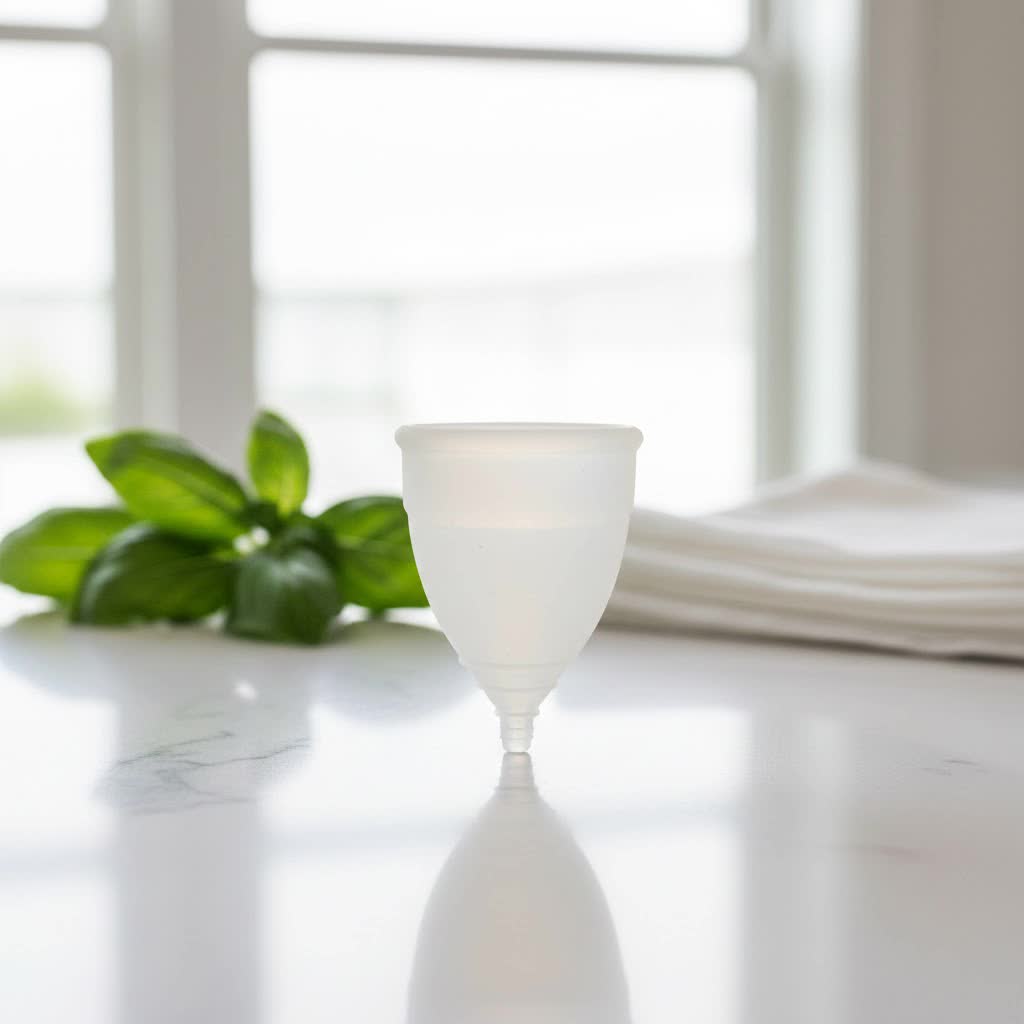
Before diving into their compatibility, let’s clarify what each product is and how it functions. A menstrual cup is a flexible, bell-shaped device, typically made of medical-grade silicone, that is inserted into the vaginal canal to collect menstrual fluid. Unlike tampons, which absorb blood, cups collect it, making them reusable and often more environmentally friendly. They create a gentle seal against the vaginal walls to prevent leaks. For more menstrual cup guides on this site.
An intrauterine device (IUD), on the other hand, is a small, T-shaped contraceptive device inserted by a healthcare provider into the uterus to prevent pregnancy. IUDs are highly effective and can be either hormonal (releasing progestin) or non-hormonal (copper). Both types have tiny strings that extend from the IUD, through the cervix, and into the upper part of the vaginal canal, allowing for placement verification and removal by a medical professional. While a menstrual cup sits within the vaginal canal and an IUD resides in the uterus, their close proximity and the presence of IUD strings lead to valid questions about their combined use.
The Big Question: Is It Safe to Use a Menstrual Cup with an IUD?
For many, the short answer is yes, it is generally safe to use a menstrual cup when you have an IUD. Medical professionals widely acknowledge that these two products can be used together effectively. However, this safety comes with important considerations and a commitment to careful usage.
Concerns often arise due to a possible association between menstrual cup use and a slightly increased risk of IUD expulsion or displacement. While an IUD can spontaneously expel or shift regardless of menstrual product use, some studies and anecdotal reports suggest a marginal increase in this risk for menstrual cup users. For instance, a 2020 study published by the American College of Obstetricians and Gynecologists noted an increased risk of IUD dislodgement specifically in women using copper IUDs. More recently, a 2022 study indicated that the risk of IUD expulsion among menstrual cup users was approximately 3.6% compared to 2.6% in non-users. This represents a slight elevation, but not a dramatic increase as some may fear.
It is important to acknowledge that high-quality, large-scale randomized controlled trials specifically investigating this link are still scarce. A systematic review from 2023 highlighted varying reported expulsion rates across different studies (ranging from 3.7% to 18.6%) and concluded that while there is a possible association, more robust research is needed to fully understand the risk factors. Despite these findings, the overall consensus is that with proper technique and awareness, the risk remains low for most individuals.
Why Might IUD Expulsion Occur with Menstrual Cup Use?
Understanding the potential mechanisms behind IUD expulsion can help you take preventative measures. There are primarily two reasons why an IUD might become dislodged when using a menstrual cup:
- Unintentional Pulling on IUD Strings: During the removal of a menstrual cup, it is possible for the IUD strings to get caught between the cup and the vaginal wall or to be inadvertently grasped by your fingers, leading to a pull on the strings. A sustained or forceful tug on these strings can cause the IUD to shift or even expel from the uterus.
- Suction/Vacuum Effect: Menstrual cups create a seal inside the vagina, generating a gentle suction that keeps them in place and prevents leaks. If this seal is not properly broken before removal, the suction force can potentially pull on the cervix and, consequently, on the IUD strings, leading to dislodgement. This “plunger effect” is a commonly cited concern.
Minimizing the Risk: Safe Usage Practices
While the risks are relatively low, adopting careful practices can significantly reduce any potential for IUD complications when using a menstrual cup.
Always Break the Seal Before Removal
This is arguably the most critical step for IUD users. Never pull your menstrual cup out without first ensuring the suction seal has been completely released. To do this:
- Pinch the Base: Gently pinch the base of the cup to allow air to enter and release the seal.
- Insert a Finger: Slide a clean finger alongside the cup’s rim to break the vacuum.
- Once the seal is broken, the cup should slide out with ease. Avoid forceful pulling or yanking.
|
Our Picks for the Best Menstrual Cup in 2026
We may earn a commission when you use one of our links to make a purchase.
|
||
| Num | Product | Action |
|---|---|---|
| 1 | Menstrual Cups with Collapsible Storage Cup, Leak-Proof Design with Medical Grade Silicone Period Cups Reusable, Tampon and Pad Alternative,for Light Flow and Heavy Flow Large+Small |

|
| 2 | Pixie Cup - Soft, Safe, Reusable Menstrual Cup - Ranked 1 for The Best Tampon Alternative - 100% Medical-Grade Silicone Period Cup for Feminine Care - Buy One We Give One (Large) |
|
| 3 | EcoBlossom Reusable Menstrual Cup Set - The Most Reliable Medical Grade Silicone Period Cups - Comfortably use for 12 Hours (Small & Large) |
|
| 4 | EcoBlossom Reusable Menstrual Cup and Case - The Most Reliable Medical Grade Silicone Period Cups - Comfortably use for 12 Hours (Large (Pack of 2), Gray Cup & Case) |
|
| 5 | Venus Menstrual Cup (Period Cup for Women) - Best for Heavy Flow - 12 Hours Leak-Free Protection - 100% Medical-Grade Silicone Reusable Cup - Unique Design to Ease Your Period Cycle - Large |
|
| 6 | Saalt Soft Menstrual Cup – Reusable Period Cup – Made for Comfortable, Leak-Free Protection Up to 12 Hours – BPA & Latex Free – Includes Cup & Carry Bag (Regular, Mountain Iris) |
|
| 7 | Saalt Soft Menstrual Cup – Reusable Period Cup – Made for Comfortable, Leak-Free Protection Up to 12 Hours – BPA & Latex Free – Includes Cup & Carry Bag (Small, Desert Blush) |
|
| 8 | Menstrual Cup Steamer Sterilizer with 2 Reusable Menstrual Cups, Period Cups Cleaner Wash Kit |
|
| 9 | Shordy Reusable Menstrual Cup Set of 2 (Small & Large) Soft Medical-Grade Silicone Period Cups Easy Removal Ribbed Stem, 12-Hour Leakproof Comfort Copa Menstrual – Alternative to Pads, Tampons & Disc |
|
| 10 | Pixie Menstrual Cup Kit - Best Period Cup Starter Kit for Feminine Care - Proven to Be What You Need to Become A Successful Cup User - 100% Medical-Grade Silicone - Tampon Alternative |
|
Timing After IUD Insertion
It is generally recommended to wait a certain period after your IUD has been inserted before introducing a menstrual cup. The Faculty of Sexual and Reproductive Healthcare advises waiting at least six weeks. Some experts suggest waiting up to three months. This timeframe is crucial because the first few months after IUD insertion are when spontaneous expulsions are most likely to occur, regardless of menstrual product use. Waiting allows the IUD to settle securely in the uterus. Always consult your healthcare provider about the optimal waiting period for you.
Regular String Checks
Make it a habit to regularly check your IUD strings, especially after your period and after using your menstrual cup. Use a clean finger to feel for the strings in your vaginal canal. They should feel consistent in length and position. If you notice that your strings feel longer or shorter than usual, or if you can’t feel them at all, it could indicate that your IUD has shifted. In such cases, contact your healthcare provider immediately to have its position checked.
Discuss String Trimming with Your Doctor
Your healthcare provider can trim your IUD strings shorter if desired. Shorter strings may reduce the likelihood of them getting caught by the cup or your fingers during removal. However, be aware that while shorter strings can reduce interference, they might also make future IUD removal slightly more challenging for your doctor, though not impossible. Discuss the pros and cons with your doctor to make an informed decision.
Proper Placement
Ensure your menstrual cup is inserted correctly and sits below your IUD strings, not directly against your cervix where it could potentially interfere. The cup should rest comfortably in the vaginal canal, leaving ample space for the IUD strings to hang freely.
Consult Your Healthcare Provider
Your doctor, especially the one who inserted your IUD, is your best resource for personalized advice. They can provide guidance based on your specific IUD type, anatomy, and any individual risk factors. Don’t hesitate to ask questions or voice concerns.
Menstrual Discs: An Alternative for IUD Users?
For those who remain concerned about the suction effect of menstrual cups, or who have experienced issues, menstrual discs offer a compelling alternative. Menstrual discs are designed differently than cups; they are shallower and wider, typically made of medical-grade silicone, and are inserted higher up into the vaginal fornix (the widest part of the vagina) where they rest against the pubic bone.
The key difference is that menstrual discs do not rely on suction to stay in place. Instead, they are held by the vaginal anatomy and pelvic muscles. This no-suction design means they are far less likely to interfere with or tug on IUD strings, making them a potentially safer option for IUD users who want a reusable period product. Many individuals find discs provide a comfortable and worry-free experience, especially if they are concerned about IUD displacement.
Choosing the Right Menstrual Product with an IUD
Deciding on the best menstrual product when you have an IUD involves considering several factors:
- Personal Anatomy: Your unique vaginal and cervical anatomy can influence how well a cup or disc fits and functions.
- Comfort: The product should feel comfortable and not cause any irritation or pressure.
- IUD Type and String Length: Some IUD types or string lengths might be more susceptible to interference.
- Lifestyle: Active individuals might prefer products that offer maximum security.
- Consultation with Your Doctor: Always prioritize your healthcare provider’s advice. They can help you weigh the risks and benefits based on your medical history.
The choice is personal. While menstrual cups can be safely used with an IUD with careful attention to technique, menstrual discs present a viable alternative for those seeking a reusable option without suction.
“A menstrual cup can be a wonderful tool for modern period care, offering comfort and sustainability. When combined with an IUD, mindful usage and communication with your healthcare provider are paramount to ensuring both your health and contraceptive effectiveness.” – Dr. Eleanor Rayner, Obstetrician, Gynecologist, and Founder of The Maternity Collective
Conclusion
Using a menstrual cup with an IUD is a safe and empowering choice for many, allowing for sustainable and convenient period management alongside effective contraception. While a slight, possible association with IUD expulsion exists, it can be largely mitigated by understanding the risks and diligently following proper usage guidelines. The most crucial takeaway is always to break the suction seal of your menstrual cup before removal and to maintain regular communication with your healthcare provider, especially regarding IUD string checks and any concerns. Empower yourself with knowledge and conscious practices to make the best decision for your body and your lifestyle.
Have you considered how these practices might impact your overall menstrual health routine?
Frequently Asked Questions
Can a menstrual cup pull out an IUD?
While uncommon, there is a slight risk that a menstrual cup could contribute to IUD expulsion or displacement. This typically happens if the suction seal of the cup is not fully broken before removal, creating a vacuum effect that pulls on the cervix, or if the IUD strings are accidentally grasped or pulled during removal. Always break the seal and be gentle.
How long after IUD insertion can I use a menstrual cup?
Healthcare professionals generally recommend waiting at least 6 weeks after IUD insertion before using a menstrual cup. Some advise waiting up to 3 months, as this period has the highest natural rate of IUD expulsion. Consulting your healthcare provider for personalized advice is always best.
What should I do if I think my IUD has shifted?
If you notice your IUD strings feel longer or shorter, if you can’t feel them at all, or if you experience unusual pain, heavy bleeding, or any other concerning symptoms, you should contact your healthcare provider immediately. They can perform an examination or ultrasound to confirm the IUD’s position.
