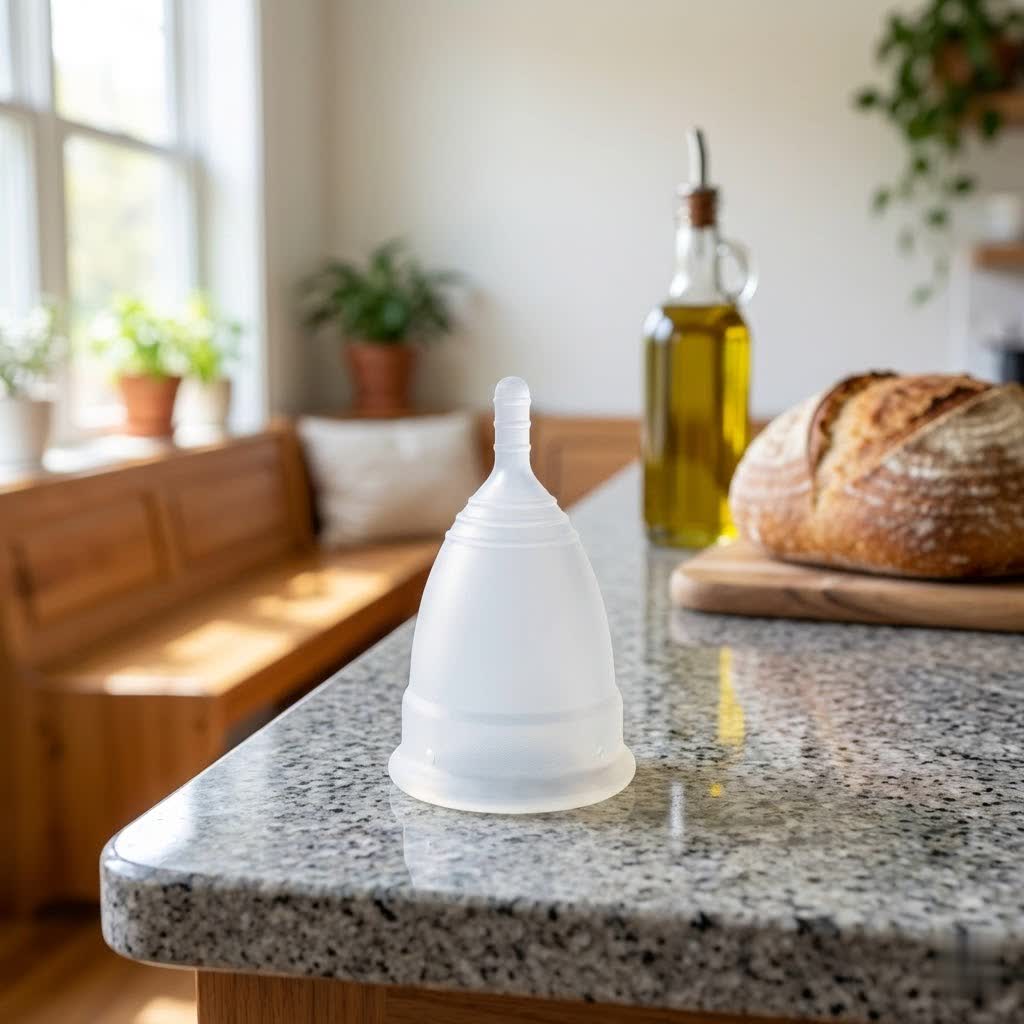
For many, the monthly period can bring a host of discomforts, from leaks and irritation to the constant awareness of traditional period products. But what if your period could be a time of comfort and freedom? Menstrual cups offer a revolutionary alternative, promising up to 12 hours of leak-free protection and a nearly undetectable feel. The journey to finding the most comfortable menstrual cup can transform your period experience, blending sustainability with unparalleled ease. This guide will walk you through understanding menstrual cups, identifying the key factors that contribute to comfort, choosing the right fit for your unique body, and mastering their use for a truly comfortable period.
What is a Menstrual Cup?
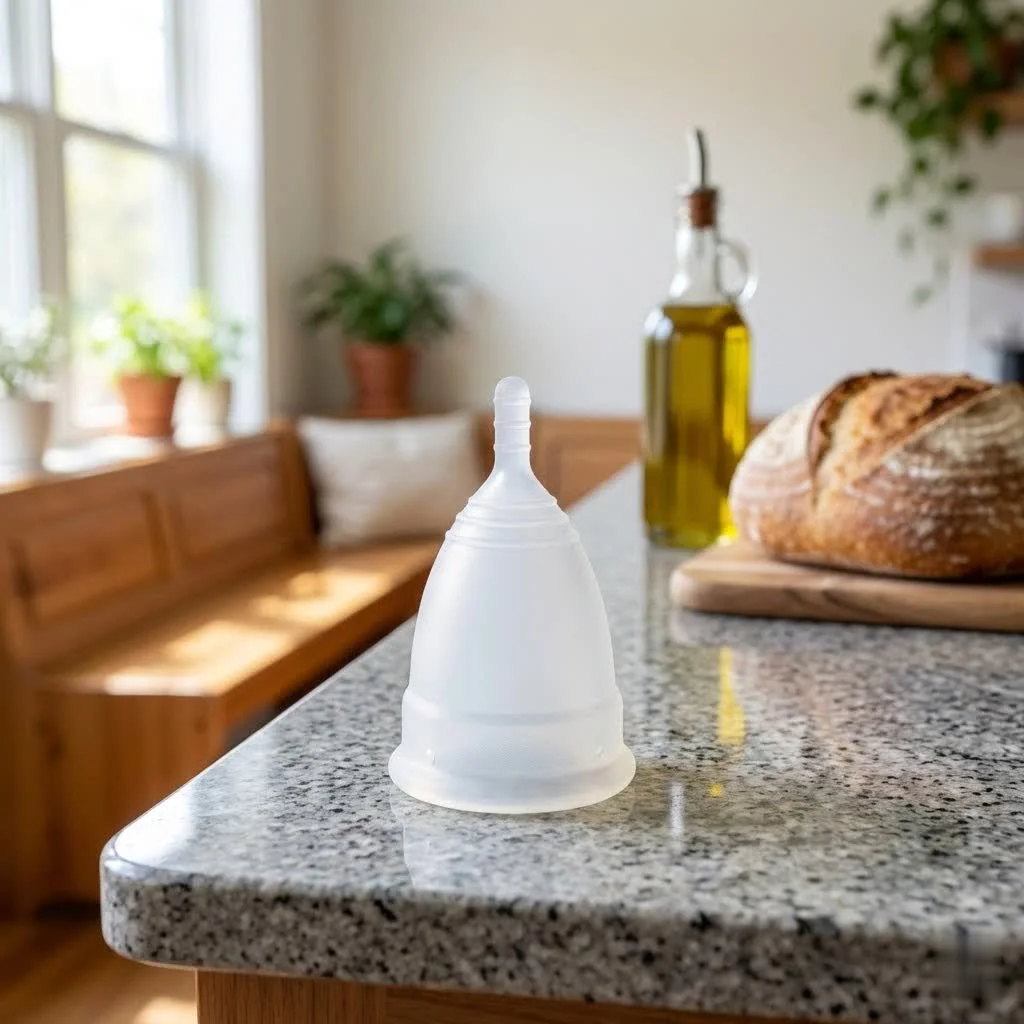
A menstrual cup is a reusable feminine hygiene product designed to be inserted into the vagina to collect menstrual fluid. Unlike tampons or pads that absorb fluid, a cup creates a gentle seal against the vaginal walls, collecting blood rather than absorbing it. Most modern menstrual cups are made from medical-grade silicone, a safe and flexible material, but options like natural rubber (latex) and thermoplastic elastomer (TPE) also exist. For menstrual cup buying guides on this site.
The primary advantage of menstrual cups lies in their reusability, offering an eco-friendly and cost-effective solution compared to disposable products. They can be worn for up to 12 hours, significantly reducing the frequency of changes, and are free from the chemicals often found in pads and tampons, which can lead to less irritation and a reduced risk of toxic shock syndrome (TSS). While there’s a slight learning curve during initial use, many individuals report fewer cramps and a greater sense of freedom once accustomed to their cup.
Decoding Menstrual Cup Comfort: Key Factors
Achieving ultimate comfort with a menstrual cup hinges on several interconnected factors. Understanding these elements is crucial to selecting a cup that feels just right for you.
Size and Fit
The size of your menstrual cup is paramount to comfort and effectiveness. A cup that’s too large can exert uncomfortable pressure, while one that’s too small might leak or shift. Key considerations for size include your age, whether you’ve given vaginal birth, your menstrual flow intensity, and the height of your cervix.
Softness and Firmness
Menstrual cups come in varying degrees of softness. Softer cups are generally recommended for individuals with sensitive bladders or those new to cups, as they create less pressure on internal organs. However, a very soft cup might be challenging to open fully inside the vagina. Firmer cups open more easily and provide a stronger seal, but some may find them too rigid, causing discomfort. The ideal firmness offers a balance between ease of insertion and sufficient structural integrity.
Material Quality
|
Our Picks for the Best Menstrual Cup in 2026
As an Amazon Associate I earn from qualifying purchases.
|
||
| Num | Product | Action |
|---|---|---|
| 1 | EcoBlossom Reusable Menstrual Cup and Case - The Most Reliable Medical Grade Silicone Period Cups - Comfortably use for 12 Hours (Large (Pack of 2), Gray Cup & Case) |

|
| 2 | Venus Menstrual Cup (Period Cup for Women) - Best for Heavy Flow - 12 Hours Leak-Free Protection - 100% Medical-Grade Silicone Reusable Cup - Unique Design to Ease Your Period Cycle - Large |
|
| 3 | Saalt Soft Menstrual Cup – Reusable Period Cup – Made for Comfortable, Leak-Free Protection Up to 12 Hours – BPA & Latex Free – Includes Cup & Carry Bag (Regular, Mountain Iris) |
|
| 4 | Menstrual Cups with Collapsible Storage Cup, Leak-Proof Design with Medical Grade Silicone Period Cups Reusable, Tampon and Pad Alternative,for Light Flow and Heavy Flow Large+Small |
|
| 5 | Shordy Reusable Menstrual Cup Set of 2 (Small & Large) Soft Medical-Grade Silicone Period Cups Easy Removal Ribbed Stem, 12-Hour Leakproof Comfort Copa Menstrual – Alternative to Pads, Tampons & Disc |
|
| 6 | Pixie Menstrual Cup Kit - Best Period Cup Starter Kit for Feminine Care - Proven to Be What You Need to Become A Successful Cup User - 100% Medical-Grade Silicone - Tampon Alternative |
|
| 7 | Saalt Soft Menstrual Cup – Reusable Period Cup – Made for Comfortable, Leak-Free Protection Up to 12 Hours – BPA & Latex Free – Includes Cup & Carry Bag (Small, Desert Blush) |
|
| 8 | EcoBlossom Reusable Menstrual Cup Set - The Most Reliable Medical Grade Silicone Period Cups - Comfortably use for 12 Hours (Small & Large) |
|
| 9 | Pixie Cup - Soft, Safe, Reusable Menstrual Cup - Ranked 1 for The Best Tampon Alternative - 100% Medical-Grade Silicone Period Cup for Feminine Care - Buy One We Give One (Large) |
|
| 10 | Menstrual Cup Steamer Sterilizer with 2 Reusable Menstrual Cups, Period Cups Cleaner Wash Kit |
|
The material a menstrual cup is made from directly impacts its comfort and safety. Medical-grade silicone is the most common and highly recommended material due to its hypoallergenic properties, durability, and flexibility. Other materials like natural rubber or TPE are available, but silicone is generally preferred for its widespread acceptance and safety profile.
Shape and Design
Menstrual cups feature diverse shapes, including bell-shaped, V-shaped, or more rounded designs, each designed to suit different anatomies. The stem design also plays a role in comfort; some prefer a no-stem design, a short, flat stem, or a longer, trimmable stem for easier removal. The overall contour and smoothness of the cup contribute to how it feels internally.
Choosing the Right Menstrual Cup Size for Unmatched Comfort
Selecting the correct size is perhaps the most critical step in finding your most comfortable menstrual cup. This isn’t a one-size-fits-all decision; it requires a bit of self-awareness about your body.
Factors to Consider:
- Age and Childbirth History: Generally, individuals under 30 who have not given vaginal birth might opt for smaller cups. Those over 30 or who have had a vaginal birth may find a larger cup more comfortable and secure due to changes in vaginal muscles.
- Cervix Height: Your cervix position can change throughout your cycle. A low cervix may require a shorter cup, while a higher cervix could accommodate a longer one. You can measure your cervix height by inserting a clean finger into your vagina until you feel a firm, round surface (like the tip of your nose).
- Flow Intensity: A heavier flow might necessitate a cup with a larger capacity to extend wear time and reduce worries about leaks. Lighter flows can often be managed comfortably with smaller cups.
- Pelvic Floor Strength: Strong pelvic floor muscles can sometimes compress very soft cups, making them difficult to open. In such cases, a slightly firmer cup might be more suitable. Conversely, weaker pelvic floor muscles might benefit from a softer, more flexible cup.
It’s important to remember that choosing a menstrual cup often involves a period of trial and error. Don’t be discouraged if your first choice isn’t your perfect match.
Types of Menstrual Cups for Comfort: A Comparison
Menstrual cups primarily differ in material and firmness, both of which significantly influence comfort. Understanding these variations can guide your selection.
Materials
- Medical-Grade Silicone: This is the most popular choice, known for being hypoallergenic, durable, and easy to clean. It offers excellent flexibility, conforming well to the body.
- Natural Rubber (Latex): Some cups are made from natural rubber, which tends to be very soft and environmentally friendly. However, it’s crucial to be aware of potential latex allergies.
- Thermoplastic Elastomer (TPE): TPE is a good alternative for those with silicone allergies. It offers good flexibility and is generally more affordable, though it may not be as durable as silicone in the long run.
Firmness
Cups are typically categorized by their firmness:
- Soft Cups: Ideal for beginners and those with bladder or vaginal sensitivity, as they exert minimal pressure. They can sometimes be tricky to open. Brands like Lena Sensitive and Saalt Soft are often recommended for their pliability.
- Medium Cups: Offer a good balance between softness for comfort and firmness for easy opening and sealing. Many popular brands fall into this category.
- Firm Cups: Easier to open and provide a robust seal, making them good for active individuals or those with strong pelvic floor muscles. However, they can cause discomfort for some, especially those with bladder sensitivity.
Here’s a quick comparison of common materials:
| Feature | Medical-Grade Silicone | Natural Rubber (Latex) | Thermoplastic Elastomer (TPE) |
|---|---|---|---|
| Pros | Hypoallergenic, durable, easy to clean, widely available | Biodegradable, softer, eco-friendly | Cost-effective, latex-free |
| Cons | Higher initial cost | Potential for latex allergies, less durable | Less durable than silicone, can retain odors |
| Comfort Note | Excellent flexibility and body conformity | Very soft, good for sensitivity | Good flexibility, a solid alternative |
Mastering Menstrual Cup Usage for Optimal Comfort
Once you’ve chosen a cup, comfortable usage is all about technique and understanding your body.
Relaxation is Key
Tension in your pelvic floor muscles can make insertion and removal difficult and uncomfortable. Taking deep breaths and finding a comfortable, relaxed position (squatting, sitting on the toilet, or standing with one leg raised) can make a significant difference. Using water-based lubricant can also aid smoother insertion.
Folding Techniques
Different folds reduce the cup’s diameter for insertion. Experiment with:
- C-Fold (or U-Fold): The most common fold, where the cup is flattened and folded in half to form a ‘C’ or ‘U’ shape.
- Punch-Down Fold: Pushing one side of the rim down into the cup creates a smaller, pointed insertion tip.
- 7-Fold: Flattening the cup and folding one corner down to the opposite side to form a ‘7’ shape.
Insertion
Angle the folded cup towards your tailbone, not straight up. Gently insert it into your vagina. Once inside, release the fold and allow the cup to open. You might hear a slight “pop” or feel a subtle suction, indicating it has sealed. You can also gently rotate or push up on the base of the cup to ensure it has fully unfolded and created a seal, preventing leaks. The cup should sit below your cervix, not directly on it.
Removal
To remove the cup, avoid pulling directly on the stem. Instead, gently pinch the base of the cup to break the suction seal. Then, carefully wiggle it out, keeping it upright to prevent spills. Patience and a relaxed state are crucial during removal.
Hygiene and Care
Proper hygiene is vital for comfort and health. Always wash your hands before and after handling your cup. Rinse your cup with cold water after emptying, then wash with warm water and a mild, unscented soap. At the end of each cycle, sterilize your cup by boiling it in water for 5-10 minutes. Store it in a breathable pouch, not an airtight container, between cycles.
Finding Your Perfect Match: Trusted Menstrual Cup Brands
While personal preference reigns supreme, some brands are consistently praised for their comfort-focused designs and quality materials, particularly for beginners.
- Lena Cup: Often recommended, especially their “Sensitive” model, for its softer silicone which reduces pressure and is ideal for those with bladder sensitivity or beginners.
- Saalt Cup: Known for a range of options, including the “Saalt Soft” and “Saalt Teen” cups, which are made from softer silicone. They also offer a “Saalt Low Cervix” cup, addressing specific anatomical needs.
- OrganiCup / AllMatters: These brands are popular for their medical-grade silicone and user-friendly designs, offering a balance of softness and reliability.
- FLEX Cup: Unique for its patented pull-tab stem, which makes removal as easy as a tampon, alleviating a common beginner anxiety and enhancing comfort.
- Mooncup: An original menstrual cup brand, offering reliable comfort once properly fitted and used.
When purchasing, look for cups made from 100% medical-grade silicone and consider reading user reviews that discuss comfort and ease of use. Remember, the “best” cup is the one that you hardly notice you’re wearing.
“Menstrual cups offer a revolutionary blend of comfort, reliability, and environmental consciousness, truly empowering users to experience their periods with unprecedented ease.” – Dr. Anya Sharma, Gynecologist and Women’s Health Advocate
Conclusion
The quest for the most comfortable menstrual cup is a personal journey, yet a deeply rewarding one. By understanding the critical roles of size, softness, material, and proper insertion techniques, you unlock the potential for a period experience that is truly liberating. From eco-friendly benefits to cost savings and unprecedented comfort, menstrual cups stand as a testament to innovative feminine care. Embrace the process of learning your body and discovering the cup that feels like an extension of yourself, allowing you to move through your cycle with confidence and comfort. Are you ready to discover the unparalleled comfort a menstrual cup can bring to your period journey?
Frequently Asked Questions
Can a menstrual cup cause discomfort or pain?
Generally, a menstrual cup should not cause discomfort or pain if it is the correct size, firmness, and inserted properly. Most discomfort arises from an ill-fitting cup, one that is too firm for your body, or incorrect placement. Trying different sizes or softer cups can often resolve these issues, and a period of trial and error is normal for new users.
How long can I wear a menstrual cup comfortably?
Most menstrual cups can be worn safely for up to 12 hours, depending on your flow. This extended wear time is a significant comfort advantage, allowing for fewer changes throughout the day and night compared to traditional products. Always ensure the cup is emptied and cleaned within the recommended timeframe.
Is it comfortable to sleep with a menstrual cup?
Yes, many users find menstrual cups incredibly comfortable for overnight use. Their leak-proof design and high capacity mean you can sleep soundly without worrying about stains or needing to change your product during the night. The cup sits internally, so there’s no bulky feeling.
What if I have a sensitive bladder?
If you have a sensitive bladder, a softer menstrual cup is often recommended. Firmer cups can put pressure on the vaginal walls and bladder, leading to discomfort or an increased urge to urinate. Opting for a cup with a lower firmness rating can help mitigate this issue, allowing for a more comfortable experience.
Get our weekly buyer guide
Practical specs, not advice. Unsubscribe anytime.
