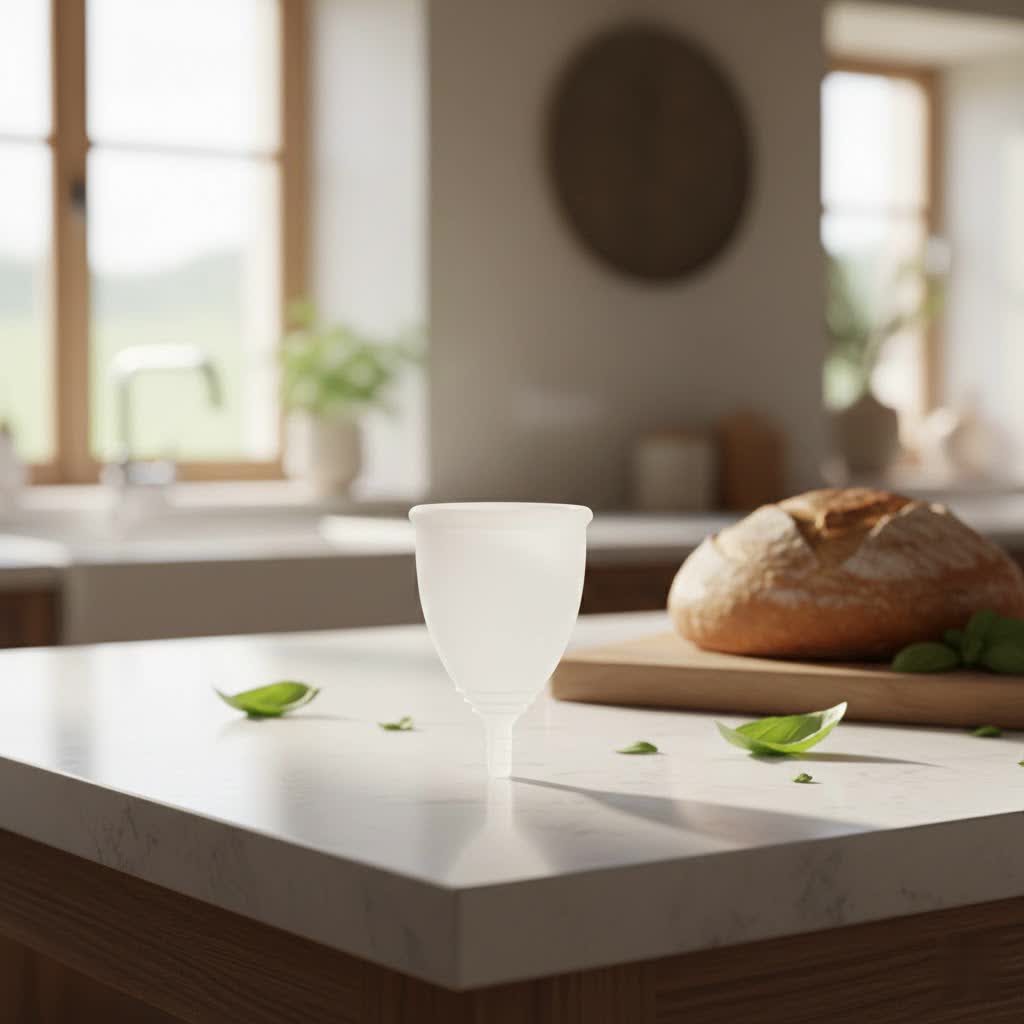
Choosing the best menstrual cup for beginners involves considering factors like material, size, and firmness to ensure comfort and prevent leaks. Most cups are made from medical-grade silicone, are bell-shaped, and can be worn for up to 12 hours, offering a sustainable and cost-effective alternative to disposable period products. With proper selection and a bit of practice, beginners can achieve a comfortable and leak-free experience.
What is a Menstrual Cup?
A menstrual cup is a small, flexible, bell-shaped device inserted into the vagina to collect menstrual fluid. Unlike tampons and pads, menstrual cups are reusable, typically made from medical-grade silicone, and can last for years with proper care. This sustainable period care solution significantly reduces environmental waste and saves money over time.
Modern menstrual cups gained popularity due to advancements in materials and design, offering several advantages over traditional products. They can be worn for up to 12 hours, providing extended leak protection and comfort, with many users reporting they barely feel it once inserted correctly. Cups do not absorb other vaginal fluids, maintaining natural pH balance and reducing the risk of dryness or toxic shock syndrome (TSS) compared to tampons. While there is an initial learning curve for insertion and removal, and a higher upfront cost, the long-term benefits far outweigh these initial challenges.
Popular Menstrual Cup Types and Materials
Menstrual cups vary in materials, shapes, and sizes to suit different body types and preferences. Understanding these distinctions is crucial for beginners to find their ideal match.
The majority of menstrual cups are crafted from medical-grade silicone, a highly biocompatible, hypoallergenic, and safe material for internal use that is also easy to clean. Less common alternatives include natural rubber (latex), which is biodegradable but unsuitable for those with latex allergies, and Thermoplastic Elastomer (TPE), a flexible, plastic-like material often more affordable.
Common shapes include classic bell-shaped designs, widely available, along with V-shaped, conical, or spherical variations. These shapes influence capacity, comfort, and ease of insertion and removal.
Firmness levels range from very soft to quite firm. Softer cups are often recommended for beginners, individuals with sensitive bladders, or those with weaker pelvic floor muscles, as they are more pliable and cause less discomfort. Firmer cups are typically preferred by active individuals with strong pelvic floor muscles, as they resist compression better, ensuring a secure seal and preventing leaks.
Menstrual Cup Comparison Table
|
Our Picks for the Best Menstrual Cup in 2026
We may earn a commission when you use one of our links to make a purchase.
|
||
| Num | Product | Action |
|---|---|---|
| 1 | EcoBlossom Reusable Menstrual Cup Set - The Most Reliable Medical Grade Silicone Period Cups - Comfortably use for 12 Hours (Small & Large) |

|
| 2 | Saalt Soft Menstrual Cup – Reusable Period Cup – Made for Comfortable, Leak-Free Protection Up to 12 Hours – BPA & Latex Free – Includes Cup & Carry Bag (Regular, Mountain Iris) |
|
| 3 | Saalt Soft Menstrual Cup – Reusable Period Cup – Made for Comfortable, Leak-Free Protection Up to 12 Hours – BPA & Latex Free – Includes Cup & Carry Bag (Small, Desert Blush) |
|
| 4 | Pixie Menstrual Cup Kit - Best Period Cup Starter Kit for Feminine Care - Proven to Be What You Need to Become A Successful Cup User - 100% Medical-Grade Silicone - Tampon Alternative |
|
| 5 | Venus Menstrual Cup (Period Cup for Women) - Best for Heavy Flow - 12 Hours Leak-Free Protection - 100% Medical-Grade Silicone Reusable Cup - Unique Design to Ease Your Period Cycle - Large |
|
| 6 | Shordy Reusable Menstrual Cup Set of 2 (Small & Large) Soft Medical-Grade Silicone Period Cups Easy Removal Ribbed Stem, 12-Hour Leakproof Comfort Copa Menstrual – Alternative to Pads, Tampons & Disc |
|
| 7 | Menstrual Cups with Collapsible Storage Cup, Leak-Proof Design with Medical Grade Silicone Period Cups Reusable, Tampon and Pad Alternative,for Light Flow and Heavy Flow Large+Small |
|
| 8 | Menstrual Cup Steamer Sterilizer with 2 Reusable Menstrual Cups, Period Cups Cleaner Wash Kit |
|
| 9 | EcoBlossom Reusable Menstrual Cup and Case - The Most Reliable Medical Grade Silicone Period Cups - Comfortably use for 12 Hours (Large (Pack of 2), Gray Cup & Case) |
|
| 10 | Pixie Cup - Soft, Safe, Reusable Menstrual Cup - Ranked 1 for The Best Tampon Alternative - 100% Medical-Grade Silicone Period Cup for Feminine Care - Buy One We Give One (Large) |
|
| Feature | Medical-Grade Silicone | Natural Rubber | TPE |
|---|---|---|---|
| Pros | Safe, durable, easy to clean, hypoallergenic, widely available | Biodegradable, eco-friendly (if sustainably sourced) | Flexible, often more affordable, good for beginners |
| Cons | Higher initial cost | Potential for latex allergies, less common, shorter lifespan than silicone | Less durable than silicone, can stain over time, less common |
| Best For | Most users, long-term investment | Users without latex allergies seeking biodegradable options | Budget-conscious beginners, those preferring a very soft feel |
How to Choose the Right Menstrual Cup Size
Selecting the correct menstrual cup size is paramount for a comfortable and leak-free experience. This is not a universal fit, and several personal factors must be considered.
Age serves as a general guideline; smaller cups are typically recommended for individuals under 30, while larger cups are often suitable for those over 30. Your childbirth history is another significant factor: if you haven’t given birth vaginally, a smaller cup is usually recommended. Those who have experienced vaginal childbirth often find a larger cup provides a better fit and seal. Your flow volume also matters; smaller cups suffice for light to moderate flow, whereas a larger cup is necessary for heavier periods to avoid frequent emptying.
The most crucial factor is often your cervix height, which changes during your menstrual cycle and affects the available space for a cup. You can measure it by inserting a clean finger into your vagina during your period until you feel a firm, round shape. If you can only insert a knuckle or two, you likely have a low cervix and will need a shorter cup. If most of your finger can be inserted, you might have a medium or high cervix, allowing for a longer cup.
Finally, consider your pelvic floor strength. Individuals with strong pelvic floor muscles, perhaps from regular exercise, might prefer a firmer cup that resists compression and maintains its shape. However, if you have a sensitive bladder or generally weaker pelvic floor muscles, a softer cup is advisable to prevent discomfort or pressure. As a beginner, prioritizing a softer, potentially smaller cup can significantly ease the initial insertion process.
Step-by-Step Guide to Using a Menstrual Cup
Learning to use a menstrual cup is a new skill that requires patience and practice. This step-by-step guide will help you get started:
First, ensure your hands are clean. Before your first use each cycle, sterilize your cup by boiling it in water for 5-10 minutes.
1. Folding Techniques: The key to easy insertion is finding a fold that works for you. Common folds include the C-Fold (flatten and fold in half), Punch-Down Fold (push one side of the rim down), and 7-Fold (flatten, then fold one corner down to the opposite base).
2. Insertion: Find a comfortable position, such as squatting or sitting on the toilet. Relax your muscles. Hold the folded cup firmly near the base and guide the tip into your vagina, pointing towards your tailbone. Release the fold once the cup is fully inside, allowing it to pop open and form a seal.
3. Checking for Seal: After insertion, gently run a finger around the cup’s base to ensure it has fully opened and is not folded. A slight tug on the stem should meet resistance, indicating a good seal. A properly sealed cup prevents leaks.
4. Removal: Wash your hands thoroughly. Get into a comfortable position and gently bear down with your pelvic floor muscles. Reach for the base of the cup and pinch it to break the suction seal, which is crucial for comfortable removal. Once the seal is broken, gently pull the cup down and out, keeping it upright to avoid spills, and empty the contents into the toilet.
5. Cleaning & Care: After emptying, rinse your cup with cold water to prevent staining, then wash it with a mild, unscented, oil-free soap and warm water. Reinsert or store it in its breathable pouch. At the end of each cycle, sterilize your cup again by boiling it or using a sterilizing solution before storing it for the next month.
Where to Buy Menstrual Cups
The menstrual cup market has expanded significantly, offering a wide array of choices. For beginners, it is best to start with reputable brands known for quality, ease of use, and reliable customer support.
Some highly recommended brands for beginners include Ruby Cup (soft and flexible), Lena Sensitive (softer version for bladder sensitivities), Saalt Soft/Teen Cup (softer silicone, smaller size for younger users), Flex Cup (unique pull-tab for easier removal), Intimina Lily Cup One (smaller, collapsible with easy-grip loop), Diva Cup (established all-rounder), Cora Cup (thoughtful design and softness), and VOXAPOD (pinch grips for aid). You can purchase menstrual cups online directly from brand websites, major e-commerce platforms, or health and beauty stores. Always verify that the product is made from medical-grade materials and look for brands offering sizing guides, customer support, and satisfaction guarantees.
Tips for a Smooth Menstrual Cup Journey
Switching to a menstrual cup is an investment in yourself and the planet, but it does come with a learning curve. Here are some essential tips to help ensure your transition is as smooth as possible:
- Patience is Key: It’s completely normal for it to take a few cycles (2 to 4 is common) to get fully comfortable with insertion, removal, and finding the perfect fit. Don’t get discouraged if your first attempt isn’t perfect.
- Practice at Home: Your bathroom is your best friend when learning. Try inserting and removing your cup in the shower, where gravity can help, and any potential mess is easily managed. This low-pressure environment builds confidence.
- Use Lube: A water-based lubricant can make insertion significantly easier, especially if you’re feeling dry or a bit nervous. Just a small dab on the rim of the folded cup can make a big difference.
- Backup Protection: During your first few cycles, or if you’re trying a new cup, consider wearing a panty liner or period underwear as backup protection. This can alleviate anxiety about leaks and allow you to focus on getting comfortable with the cup.
- Consult a Doctor: If you have specific concerns, a low cervix, or use an IUD, it’s always wise to consult your gynecologist. While menstrual cups are generally safe with IUDs, there’s a small risk that improper removal (pulling on the stem or not breaking the seal) could dislodge an IUD. Your doctor can offer personalized advice. [cite: 3 from “menstrual cup for beginners reviews”]
- Read Reviews & Watch Videos: Many experienced users share their tips and tricks online. Watching video tutorials on different folding and insertion methods can provide valuable visual guidance and help you find techniques that resonate with you.
> “Menstrual cups are a major upgrade for many, offering unparalleled freedom and a cleaner feel during your period. The initial learning curve is quickly outweighed by the long-term benefits for your body and the planet.” – Dr. Emily R., OB/GYN and advocate for sustainable period care
Conclusion
Embracing a menstrual cup can truly improve your period experience, offering a blend of sustainability, cost-effectiveness, and comfort that disposable products simply can’t match. While the initial journey involves a bit of learning, the countless benefits for your body and the environment make it a worthwhile endeavor. finding the “best menstrual cup for beginners” isn’t about one universal product, but about discovering the cup that perfectly aligns with your unique anatomy and lifestyle. Take your time, be patient with yourself, and embrace the freedom that awaits.
Frequently Asked Questions
Is using a menstrual cup painful for beginners?
While initial insertion can feel a bit uncomfortable or awkward due to unfamiliarity, it should not be painful. Most discomfort stems from incorrect insertion, improper folding, or not relaxing your pelvic muscles. With practice and the right technique, many beginners find the process becomes smooth and pain-free.
Can I sleep with a menstrual cup in?
Absolutely! One of the major advantages of menstrual cups is their ability to be worn for up to 12 hours, making them ideal for overnight use. This provides worry-free protection, allowing you to sleep soundly without concerns about leaks.
How do I know if my menstrual cup is inserted correctly?
You’ll generally know your cup is correctly inserted if you can’t feel it, and it feels secure. You can also check by gently running a finger around the base to ensure it has fully opened into a round or oval shape and by giving the stem a light tug—if you feel resistance, a seal has formed, and you’re good to go.
Can I use a menstrual cup with an IUD?
Yes, many people use menstrual cups successfully with an IUD. However, it’s crucial to consult your doctor before starting, as there’s a small, though rare, risk of dislodging the IUD, especially if the suction seal isn’t properly broken during removal. Always pinch the base of the cup to release the seal completely before pulling it out.
How often do I need to clean my menstrual cup?
During your period, you should empty and rinse your menstrual cup with cold water every 4 to 12 hours, depending on your flow. After rinsing, wash it with a mild, unscented, oil-free soap before reinserting. At the end of each menstrual cycle, thoroughly sterilize your cup by boiling it in water for 5-10 minutes or using a sterilizing solution before storing it in a breathable pouch.
Frequently Asked Questions
Is using a menstrual cup painful for beginners?
Initial insertion of a menstrual cup should not be painful, though it might feel awkward due to unfamiliarity. Discomfort usually arises from incorrect insertion, improper folding, or tense pelvic muscles. With practice and the right technique, most beginners find the process becomes smooth and pain-free.
Can I sleep with a menstrual cup in?
Yes, you can absolutely sleep with a menstrual cup in. Menstrual cups are designed to be worn for up to 12 hours, making them ideal for overnight use. This provides worry-free protection, allowing you to sleep soundly without concerns about leaks.
How do I know if my menstrual cup is inserted correctly?
You will generally know your menstrual cup is correctly inserted if you cannot feel it and it feels secure. You can also check by gently running a finger around the base to ensure it has fully opened into a round or oval shape. A light tug on the stem should meet resistance, indicating a proper seal has formed.
Can I use a menstrual cup with an IUD?
Many people successfully use menstrual cups with an IUD, but it is crucial to consult your doctor first. There is a small, rare risk of dislodging the IUD if the suction seal is not properly broken during removal. Always pinch the base of the cup to release the seal completely before pulling it out.
How often do I need to clean my menstrual cup?
During your period, you should empty and rinse your menstrual cup with cold water every 4 to 12 hours, depending on your flow. After rinsing, wash it with a mild, unscented, oil-free soap before reinserting. At the end of each menstrual cycle, thoroughly sterilize your cup by boiling it in water for 5-10 minutes or using a sterilizing solution before storing it.
How to Use a Menstrual Cup for Beginners
This guide provides step-by-step instructions for beginners on how to insert, check, remove, and clean a menstrual cup for a comfortable and leak-free experience.
Before insertion, select a folding technique that works best for you. Common methods include the C-Fold, Punch-Down Fold, and 7-Fold, each designed to create a smaller insertion point. Practice these folds to find the one that feels most comfortable and effective for your body.
Find a comfortable position, such as squatting or sitting on the toilet, and relax your pelvic muscles. Hold the folded cup firmly near its base and gently guide the folded tip into your vagina, pointing it towards your tailbone. Once the cup is fully inside, release the fold to allow it to pop open and form a seal.
After insertion, gently run a finger around the base of the cup to ensure it has fully opened into a round or oval shape and is not folded or dented. You can also gently tug on the stem; if you feel resistance, it indicates a good suction seal has formed, which is essential to prevent leaks.
Wash your hands thoroughly and get into a comfortable position. Gently bear down with your pelvic floor muscles. Reach for the base of the cup (not just the stem) and pinch it to break the suction seal, which is vital for comfortable removal. Once the seal is broken, gently pull the cup down and out, keeping it upright to avoid spills, and empty the contents into the toilet.
After emptying, rinse your cup with cold water to prevent staining, then wash it with a mild, unscented, oil-free soap and warm water. Reinsert or store it in its breathable pouch. At the end of each menstrual cycle, sterilize your cup again by boiling it in water for 5-10 minutes or using a sterilizing solution before storing it for the next month.
