Navigating the world of menstrual products can often feel like a quest for the perfect balance of comfort, reliability, and sustainability. For many, the traditional options come with their own set of compromises, leading a growing number to explore innovative alternatives. Among these, the menstrual cup has emerged as a major upgrade, but within that category, the soft menstrual cup is carving out a niche for those seeking an even more gentle and comfortable experience. If you’ve ever felt pressure or discomfort with conventional period products or even standard menstrual cups, this guide is designed to illuminate how a soft menstrual cup could improve your period care. We’ll examine what makes these cups unique, who they are best suited for, and how to choose and use one for optimal comfort and confidence.
What Exactly is a Soft Menstrual Cup?
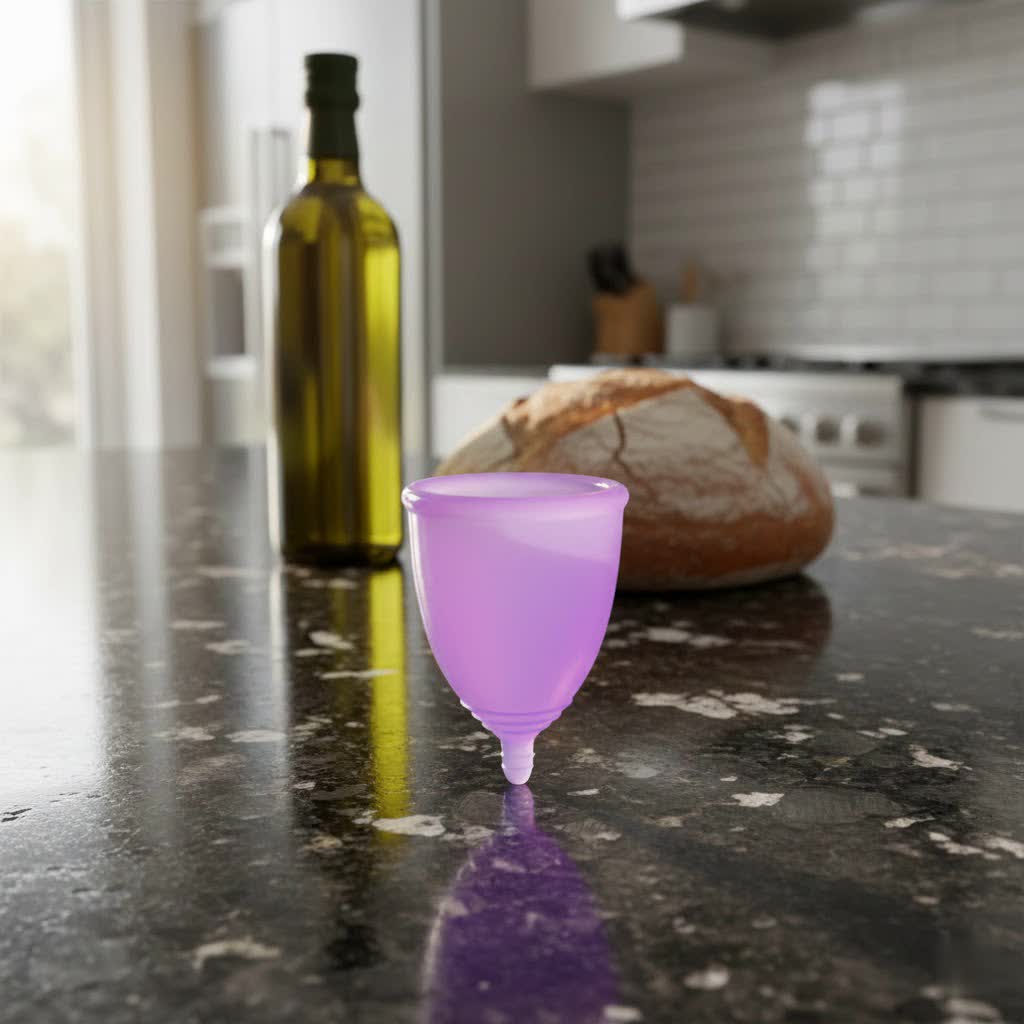
A soft menstrual cup is a type of reusable feminine hygiene product designed to be inserted into the vagina to collect menstrual fluid. Unlike its firmer counterparts, a soft menstrual cup is specifically engineered from medical-grade silicone or TPE (thermoplastic elastomer) with a lower durometer rating, meaning it’s significantly more pliable and flexible. This inherent softness is its defining characteristic, offering a gentler fit and feel. The concept of menstrual cups dates back to the 1930s, but advancements in materials science have allowed for the development of these softer versions, catering to a wider range of anatomical needs and sensitivities.
When compared to other menstrual products, soft menstrual cups stand out. Tampons and pads absorb fluid, which can sometimes lead to dryness or irritation, and they are single-use products contributing to waste. Firmer menstrual cups offer reusability and collection, but their rigidity can sometimes cause pressure on the bladder or discomfort, especially for individuals with sensitive anatomy or a more relaxed pelvic floor. The primary advantage of a soft menstrual cup is its enhanced comfort due to its flexibility, which can significantly reduce the feeling of pressure or even alleviate some period-related cramping that might be exacerbated by a firmer cup. However, this increased softness can also present a minor challenge: a soft menstrual cup might require a bit more effort to pop open fully inside the vagina, potentially leading to a steeper learning curve for new users.
Exploring the Spectrum: Types of Soft Menstrual Cups
The market offers a variety of soft menstrual cups, primarily distinguished by their material, shape, and size. Understanding these classifications can help you pinpoint the best option for your body.
The vast majority of soft menstrual cups are crafted from medical-grade silicone. This material is highly regarded for its biocompatibility, meaning it’s safe to use inside the body, hypoallergenic, and non-porous, making it easy to clean and resistant to bacterial growth. Another less common, but equally safe, material is TPE (thermoplastic elastomer), which also offers excellent flexibility and comfort properties. Both materials are durable and designed for long-term reuse, contributing to their eco-friendliness.
While the “soft” characteristic primarily refers to the cup’s firmness, various shapes are available that can subtly influence comfort and fit. Most soft menstrual cups adhere to a classic bell or V-shape, which are generally versatile. Some designs might feature a slightly rounder body, which can feel less intrusive for certain users. The stem can also vary, from a long, trimmable stem to a short, round, or even stemless design, impacting overall comfort during wear and ease of removal.
Sizes are crucial for any menstrual cup, and soft cups are no exception. They typically come in small, medium, and large. While a cup’s softness is distinct from its size, a smaller soft cup might inherently feel even more pliable than a larger one, simply due to less material volume. It’s important to consider that a cup’s size is usually determined by factors like age, childbirth history, and flow volume, but the softness factor layers an additional comfort dimension onto these considerations.
Comparing Soft Menstrual Cups: A Quick Glance
|
Our Picks for the Best Menstrual Cup in 2026
We may earn a commission when you use one of our links to make a purchase.
|
||
| Num | Product | Action |
|---|---|---|
| 1 | Pixie Cup - Soft, Safe, Reusable Menstrual Cup - Ranked 1 for The Best Tampon Alternative - 100% Medical-Grade Silicone Period Cup for Feminine Care - Buy One We Give One (Large) |

|
| 2 | Shordy Reusable Menstrual Cup Set of 2 (Small & Large) Soft Medical-Grade Silicone Period Cups Easy Removal Ribbed Stem, 12-Hour Leakproof Comfort Copa Menstrual – Alternative to Pads, Tampons & Disc |
|
| 3 | Pixie Menstrual Cup Kit - Best Period Cup Starter Kit for Feminine Care - Proven to Be What You Need to Become A Successful Cup User - 100% Medical-Grade Silicone - Tampon Alternative |
|
| 4 | EcoBlossom Reusable Menstrual Cup and Case - The Most Reliable Medical Grade Silicone Period Cups - Comfortably use for 12 Hours (Large (Pack of 2), Gray Cup & Case) |
|
| 5 | Menstrual Cups with Collapsible Storage Cup, Leak-Proof Design with Medical Grade Silicone Period Cups Reusable, Tampon and Pad Alternative,for Light Flow and Heavy Flow Large+Small |
|
| 6 | EcoBlossom Reusable Menstrual Cup Set - The Most Reliable Medical Grade Silicone Period Cups - Comfortably use for 12 Hours (Small & Large) |
|
| 7 | Saalt Soft Menstrual Cup – Reusable Period Cup – Made for Comfortable, Leak-Free Protection Up to 12 Hours – BPA & Latex Free – Includes Cup & Carry Bag (Small, Desert Blush) |
|
| 8 | Menstrual Cup Steamer Sterilizer with 2 Reusable Menstrual Cups, Period Cups Cleaner Wash Kit |
|
| 9 | Saalt Soft Menstrual Cup – Reusable Period Cup – Made for Comfortable, Leak-Free Protection Up to 12 Hours – BPA & Latex Free – Includes Cup & Carry Bag (Regular, Mountain Iris) |
|
| 10 | Venus Menstrual Cup (Period Cup for Women) - Best for Heavy Flow - 12 Hours Leak-Free Protection - 100% Medical-Grade Silicone Reusable Cup - Unique Design to Ease Your Period Cycle - Large |
|
| Feature | Soft Menstrual Cup | Firmer Menstrual Cup |
|---|---|---|
| Comfort | High, reduces pressure on bladder/urethra | Can cause pressure/discomfort for some |
| Insertion | Flexible, can be easier to insert | Stiffer, holds shape well |
| Opening | May require more effort to pop open fully | Easier to pop open, creates strong seal |
| Leakage Risk | Potentially higher if not opened properly | Lower if inserted correctly |
| Ideal For | Sensitive bladders, beginners, mild cramps | Stronger pelvic floors, active users |
Guiding Your Choice: Selecting the Right Soft Menstrual Cup Size
Choosing the correct size for your soft menstrual cup is paramount for both comfort and leak-free protection. Several factors play a significant role in this decision, extending beyond just the “soft” aspect. Your age and childbirth history are common indicators; typically, those who have given birth vaginally or are over 30 might benefit from a larger size due to changes in pelvic floor strength and vaginal canal width.
The length of your vaginal canal and cervix height are critical anatomical considerations. A cup that is too long for a low cervix can feel uncomfortable or even protrude. To measure your cervix height, gently insert a clean finger into your vagina until you feel your cervix (it feels like the tip of your nose). Note how much of your finger went in. This measurement helps determine the appropriate cup length. A cup that is too short for a high cervix, conversely, can be difficult to reach and remove. Your menstrual flow volume also influences size; a heavier flow may necessitate a larger cup to avoid frequent emptying.
Finally, the strength of your pelvic floor muscles is a key factor, particularly when choosing a soft menstrual cup. Individuals with a relaxed or weaker pelvic floor (perhaps due to childbirth, age, or genetics) often find a softer cup more comfortable, as it exerts less internal pressure. However, if your pelvic floor muscles are very strong, a super soft cup might not always open fully or maintain a perfect seal, potentially leading to leaks. For beginners, a general recommendation is to start with a softer cup to ease into the experience, perhaps a medium size, and adjust from there based on comfort and effectiveness.
Mastering the Art: Using Your Soft Menstrual Cup
Embracing a soft menstrual cup involves a short learning curve, but with practice, it quickly becomes second nature. Proper insertion, removal, and maintenance are key to a successful and comfortable experience.
The flexibility of a soft menstrual cup can sometimes make certain folding techniques more effective. Popular folds include the C-fold (or U-fold), the punch-down fold (which makes the insertion point smaller), and the 7-fold. Experiment with these to find which one creates the smallest insertion point and allows the cup to pop open most reliably for you. Given the softness, you might need to try a few variations or apply a bit more pressure during insertion to encourage it to open fully.
For insertion, find a comfortable position – squatting, sitting on the toilet, or standing with one leg up are common choices. Relax your pelvic muscles, which is crucial for easier insertion. Guide the folded cup into your vagina, aiming towards your tailbone, until it’s fully inside. Once inserted, check if it has fully opened by running a finger around the base; it should feel round or oval, not flattened. You can also gently twist or pull the stem slightly to encourage it to unfurl and create a seal. For removal, always break the seal first. Gently pinch the base of the cup to release the suction, then slowly pull it out, keeping it upright to avoid spills.
Cleaning and maintenance are straightforward but vital. After each removal, empty the contents, then rinse the soft menstrual cup with cold water to prevent staining, followed by warm water and a mild, unscented, oil-free soap specifically designed for intimate products. Between cycles, it’s recommended to sterilize your cup by boiling it in water for 5-10 minutes. Store your clean, dry soft menstrual cup in a breathable pouch (often provided by the manufacturer) in a dry place, away from direct sunlight. Proper care ensures hygiene and prolongs the life of your cup.
Where to Find Your Perfect Soft Menstrual Cup
The market for soft menstrual cups has expanded considerably, offering a diverse range of products from various reputable brands. Brands often highlighted for their softer offerings include Saalt Soft, Lena Sensitive, DivaCup Sensitive, and Meluna Soft. Each brand might have slight variations in design, material blend, and stem style, so exploring their specific “soft” lines is beneficial.
When considering where to purchase, you have the option of buying online or offline. Online retailers, including brand websites and large e-commerce platforms, typically offer the widest selection of soft menstrual cups, allowing you to compare features, read extensive reviews, and often find competitive pricing. This convenience also means you can research thoroughly from home. Buying offline, such as from pharmacies or health stores, allows for immediate purchase and, in some cases, the ability to physically feel the cup’s softness (though cups are sealed for hygiene). However, the selection may be more limited.
Regardless of where you purchase, there are several key considerations when buying a soft menstrual cup. Always ensure the cup is made from 100% medical-grade silicone or TPE and has relevant certifications, guaranteeing its safety. Pay close attention to the size guides provided by the brand, as these are often tailored to their specific products. Read user reviews to gain insights into real-world experiences regarding comfort, ease of use, and effectiveness for different body types. Finally, compare prices and consider the brand’s return or exchange policy, especially if you’re new to soft menstrual cups and unsure which one will suit you best.
Your Journey to Comfort: A Soft Menstrual Cup Buying Guide
Embarking on the journey to find your ideal soft menstrual cup involves a thoughtful process of self-assessment and informed decision-making. By following these steps, you can confidently choose a product that offers unparalleled comfort and reliability.
Begin by assessing your personal needs. Consider your overall body sensitivity, whether you experience bladder pressure with other period products, the typical intensity of your menstrual flow, and your unique anatomy, particularly your cervix height. Do you have a history of discomfort or pain during your period? These insights will guide you towards a cup with the right balance of softness and capacity.
Next, research information about various brands and their specific soft menstrual cup products. Don’t just look for “soft cups” but investigate how different brands define and achieve softness. Some brands specialize in extra-soft options for specific sensitivities. Compare their designs, features like stem type, and any unique attributes that might enhance comfort for you.
Actively seek out and read reviews from other users. Look for detailed feedback, especially from individuals who share similar concerns or body types. User experiences can offer invaluable perspectives on the practical aspects of insertion, removal, comfort, and potential challenges, helping you manage expectations and make a more informed decision.
Finally, compare prices across different retailers and select a trusted place to purchase. While price is a factor, prioritize product quality and safety certifications. A slightly higher investment in a reputable brand often translates to better materials and design, which is crucial for an intimate product. Ensure the retailer has clear policies regarding returns or exchanges, just in case your first choice isn’t the perfect fit.
“A soft menstrual cup offers a freedom and comfort unparalleled by other products. It’s a major upgrade for women seeking a more harmonious relationship with their bodies during their period.”
Conclusion
The soft menstrual cup represents a significant advancement in period care, offering a truly comfortable and environmentally conscious alternative for many. Its unique flexibility and gentle nature make it an excellent choice for those with sensitive anatomies, individuals prone to bladder pressure, or anyone seeking a more relaxed and comfortable period experience. By understanding what makes a soft menstrual cup special, exploring the different types available, and carefully considering your personal needs, you can find a product that aligns perfectly with your comfort and lifestyle. Making the switch to a soft menstrual cup is more than just a product change; it’s an embrace of a gentler, more intuitive approach to menstrual health. Are you ready to experience the quiet revolution of a softer period?
Frequently Asked Questions
Is a soft menstrual cup harder to use?
A soft menstrual cup may have a slightly steeper learning curve initially because its flexibility can make it more challenging to get it to fully pop open and create a seal inside the vagina. However, this same flexibility often makes insertion gentler and more comfortable, especially for beginners. With a bit of practice and experimenting with different folding techniques, most users quickly master it.
Who benefits most from using a soft menstrual cup?
Individuals who benefit most from a soft menstrual cup include those with sensitive bladders or a history of discomfort/pressure from firmer cups, people with a more relaxed pelvic floor, and beginners to menstrual cups. Its gentle nature also makes it suitable for individuals with conditions like pelvic organ prolapse or uterine fibroids, where firmer cups might exert uncomfortable pressure.
Can a soft menstrual cup prevent cramps?
While a soft menstrual cup cannot entirely prevent menstrual cramps, some users report a reduction in cramp intensity. Firmer cups can sometimes exacerbate cramping by exerting pressure on internal organs. The gentle, flexible nature of a soft cup minimizes this pressure, which can lead to a more comfortable period experience and potentially alleviate some types of discomfort or cramps.
How often do I need to empty a soft menstrual cup?
The frequency of emptying a soft menstrual cup is similar to that of a firmer cup and primarily depends on your menstrual flow. Typically, a soft menstrual cup can be worn for up to 4-12 hours before needing to be emptied. On heavier flow days, you might need to empty it more frequently, while on lighter days, it can be worn for longer periods without concern.
What’s the difference between a soft cup and a regular cup?
The main difference lies in the material’s firmness, or durometer rating. A soft menstrual cup is made from a more pliable, flexible silicone or TPE, designed to be gentler on internal tissues and reduce pressure. A “regular” or firmer menstrual cup is stiffer, which can make it easier to pop open and create a seal, but might cause discomfort for some users.
