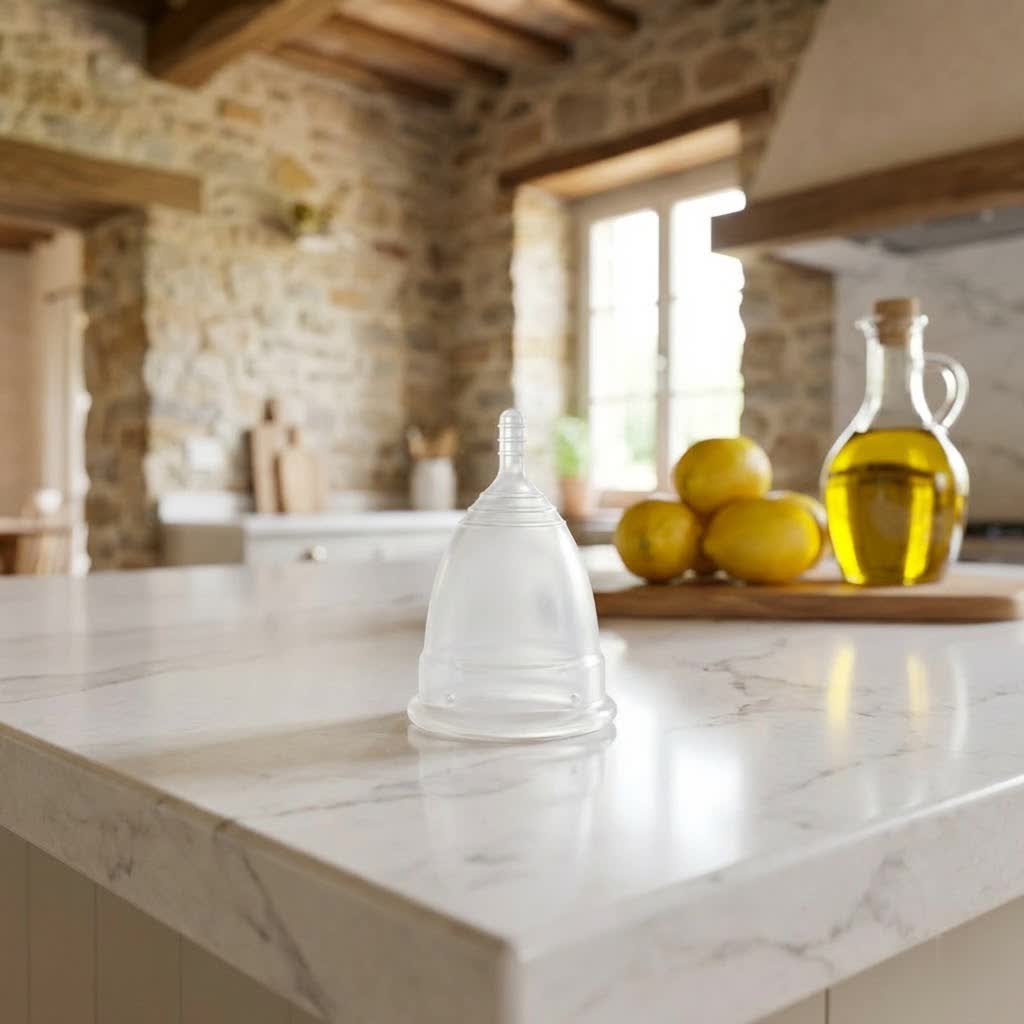
Are you tired of monthly expenses and environmental waste associated with traditional period products? Imagine a world where your period is simpler, more comfortable, and sustainable. The menstrual cup offers an innovative solution, transforming how women manage their cycles. This comprehensive guide will explore everything you need to know about this revolutionary product, helping you navigate the options and find the perfect fit for your unique needs.
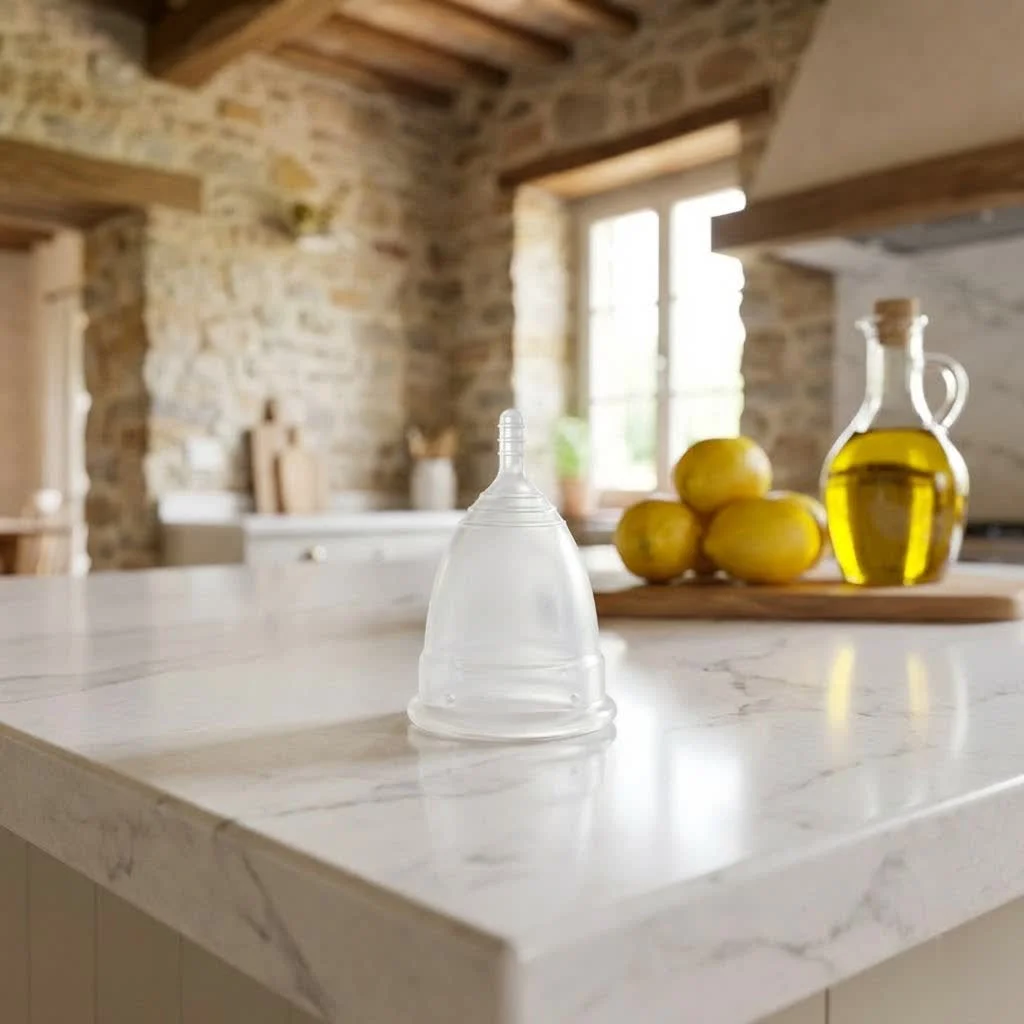
What Exactly Is a Menstrual Cup?
A menstrual cup is a flexible, small, and often bell-shaped device designed to be inserted into the vagina during menstruation. Unlike tampons or pads, which absorb menstrual fluid, the cup collects it. Most menstrual cups are made from medical-grade silicone, but some are also crafted from natural rubber or TPE (thermoplastic elastomer), making them a safe and reusable alternative to disposable products. This ingenious device has been around for longer than many might think, with the first patent dating back to 1867.
When comparing menstrual cups to traditional options like pads and tampons, the differences are striking. Cups can be worn for up to 12 hours, significantly longer than tampons, and they often hold more fluid, reducing the need for frequent changes. They are also known to be more gentle on vaginal health by collecting fluid rather than absorbing it, which helps maintain the natural pH balance. For many, the switch to a menstrual cup is a step towards a more eco-friendly and cost-effective period.
Advantages and Disadvantages of Menstrual Cups
Like any personal care product, menstrual cups come with their own set of pros and cons. Understanding these can help you decide if a cup is the right choice for you.
Advantages:
- Eco-Friendly: Reusable for up to 10 years, menstrual cups significantly reduce landfill waste from disposable products.
- Cost-Effective: While the initial cost may be higher, a single cup can save you hundreds of dollars over its lifespan compared to monthly purchases of pads or tampons.
- Longer Wear Time: Most cups can be worn for up to 12 hours, offering greater convenience, especially during busy days or overnight.
- Maintains Vaginal Health: By collecting rather than absorbing, cups help preserve your natural vaginal pH and moisture levels.
- Reduced Odor: Since menstrual fluid is not exposed to air, odors often associated with traditional products are minimized.
- Less Leakage: When correctly inserted and sized, many users report fewer leaks compared to tampons or pads.
Disadvantages:
- Learning Curve: It can take a few cycles to master insertion and removal techniques.
- Can Be Messy: The process of emptying and rinsing, particularly in public restrooms, can be perceived as messy by some.
- Initial Investment: The upfront cost is higher than a single pack of pads or tampons.
Exploring the Varieties of Menstrual Cups
The world of menstrual cups is diverse, with options designed to suit various body types and preferences. Understanding the different materials, shapes, and sizes can greatly aid in selecting your ideal cup.
Materials
|
Our Picks for the Best Menstrual Cup in 2026
As an Amazon Associate I earn from qualifying purchases.
|
||
| Num | Product | Action |
|---|---|---|
| 1 | Pixie Menstrual Cup Kit - Best Period Cup Starter Kit for Feminine Care - Proven to Be What You Need to Become A Successful Cup User - 100% Medical-Grade Silicone - Tampon Alternative |

|
| 2 | Menstrual Cups with Collapsible Storage Cup, Leak-Proof Design with Medical Grade Silicone Period Cups Reusable, Tampon and Pad Alternative,for Light Flow and Heavy Flow Large+Small |
|
| 3 | EcoBlossom Reusable Menstrual Cup and Case - The Most Reliable Medical Grade Silicone Period Cups - Comfortably use for 12 Hours (Large (Pack of 2), Gray Cup & Case) |
|
| 4 | Menstrual Cup Steamer Sterilizer with 2 Reusable Menstrual Cups, Period Cups Cleaner Wash Kit |
|
| 5 | Pixie Cup - Soft, Safe, Reusable Menstrual Cup - Ranked 1 for The Best Tampon Alternative - 100% Medical-Grade Silicone Period Cup for Feminine Care - Buy One We Give One (Large) |
|
| 6 | Saalt Soft Menstrual Cup – Reusable Period Cup – Made for Comfortable, Leak-Free Protection Up to 12 Hours – BPA & Latex Free – Includes Cup & Carry Bag (Small, Desert Blush) |
|
| 7 | EcoBlossom Reusable Menstrual Cup Set - The Most Reliable Medical Grade Silicone Period Cups - Comfortably use for 12 Hours (Small & Large) |
|
| 8 | Venus Menstrual Cup (Period Cup for Women) - Best for Heavy Flow - 12 Hours Leak-Free Protection - 100% Medical-Grade Silicone Reusable Cup - Unique Design to Ease Your Period Cycle - Large |
|
| 9 | Shordy Reusable Menstrual Cup Set of 2 (Small & Large) Soft Medical-Grade Silicone Period Cups Easy Removal Ribbed Stem, 12-Hour Leakproof Comfort Copa Menstrual – Alternative to Pads, Tampons & Disc |
|
| 10 | Saalt Soft Menstrual Cup – Reusable Period Cup – Made for Comfortable, Leak-Free Protection Up to 12 Hours – BPA & Latex Free – Includes Cup & Carry Bag (Regular, Mountain Iris) |
|
Menstrual cups are typically made from three primary materials, each with its own characteristics:
- Medical-Grade Silicone: This is the most common material due to its safety, durability, and hypoallergenic properties. It’s flexible and easy to clean.
- Natural Rubber (Latex): An environmentally friendly option, but those with latex allergies should avoid it. It tends to be softer and more flexible.
- TPE (Thermoplastic Elastomer): A good alternative for those with silicone allergies, TPE offers varying degrees of firmness and can be a more budget-friendly choice.
All these materials are typically BPA-free and approved for use in medical devices, ensuring safety and hygiene.
Shapes
Beyond the classic bell shape, menstrual cups come in several forms:
- Bell Shape: This is the most traditional and widely available shape, with a wider top and a rounded base. It’s suitable for most users and forms a secure seal.
- V-Shaped: Narrower at the base and gradually widening towards the top, this shape is often preferred by individuals with a higher cervix or those seeking a more streamlined design.
- Short and Wide: Specifically designed for individuals with a low cervix, these cups offer a shorter length with a wider diameter.
- Ball-Shaped/Round: Brands like Femmycycle or Merula offer cups that are more spherical, which can be ideal for certain anatomies.
- Asymmetrical: Some cups feature a slanted edge, designed to sit at a particular angle beneath the cervix.
Sizes
Most menstrual cups are available in at least two sizes: small and large, with some brands offering a wider range, including “teen” or “extra-large” options. General guidelines for sizing often consider age, childbirth history, and flow intensity. Small cups are typically recommended for younger individuals, those under 30 who haven’t given birth vaginally, or those with a light to moderate flow. Larger sizes are usually suggested for individuals over 30, those who have given birth vaginally, or those with a heavier period.
Menstrual Cup Comparison Table
| Feature | Medical-Grade Silicone | Natural Rubber (Latex) | TPE (Thermoplastic Elastomer) |
|---|---|---|---|
| Pros | Safe, durable, easy to clean | Eco-friendly | More affordable |
| Cons | Higher initial cost | Potential for latex allergies | May be less durable than silicone |
| Commonality | Most common | Less common | Growing in popularity |
Choosing the Right Menstrual Cup Size: A Detailed Guide
Selecting the correct size is paramount for comfort, effectiveness, and preventing leaks. It’s not a one-size-fits-all product, and several personal factors influence the best choice for you.
Factors Influencing Size Selection
- Age: Generally, individuals under 30 who haven’t given birth vaginally are often recommended smaller sizes. Those over 30 may benefit from larger sizes, as the vaginal canal and pelvic floor can change with age.
- Childbirth History: Vaginal childbirth can significantly impact pelvic floor strength and vaginal elasticity, often making a larger cup size more comfortable and secure. For those who haven’t given birth, smaller sizes are typically recommended.
- Cervix Height: This is a crucial factor. A lower cervix requires a shorter cup, while a higher cervix can accommodate a longer one. You can measure your cervix height during your period by inserting a clean finger until you feel a firm, round, nose-like structure. If you feel it less than halfway up your finger, you likely have a low cervix.
- Flow Intensity: While fit is generally more important than flow for sizing, the capacity of the cup needs to match your flow. Those with heavier periods might prefer a larger cup to reduce the frequency of emptying.
- Pelvic Floor Strength: Strong pelvic floor muscles might allow for a smaller, firmer cup, as they provide better support. Conversely, if your pelvic floor muscles are weaker, a slightly larger or softer cup might be easier to use and maintain a seal.
Measuring Your Cervix for an Accurate Fit
To determine your cervix height, wash your hands thoroughly. Insert your longest finger into your vagina until you feel your cervix. It typically feels like the tip of your nose—round and firm, though it can soften during your period.
- Low Cervix: You can feel your cervix less than halfway up your finger.
- Medium Cervix: You can feel your cervix around your middle knuckle.
- High Cervix: You can feel your cervix beyond your middle knuckle or cannot reach it at all.
For beginners, starting with a smaller size is often a good approach, especially if you haven’t given birth vaginally. Remember, finding the perfect cup might take a couple of cycles, but the long-term benefits are well worth the initial patience.
Mastering Menstrual Cup Usage: A Step-by-Step Guide
Using a menstrual cup effectively involves proper folding, insertion, removal, and consistent hygiene. It may feel a bit daunting at first, but with practice, it becomes second nature.
Preparation
Always start by washing your hands thoroughly with soap and water to prevent the introduction of bacteria. Before your first use of a new cup, or between each menstrual cycle, it’s essential to sterilize your cup. You can do this by boiling it in water for 5-10 minutes. During your period, simply rinsing it with water is sufficient between uses. If you find insertion challenging, moistening the rim of the cup with water or a water-based lubricant can help.
Folding Methods
There are several ways to fold a menstrual cup to make insertion easier. Experiment to find which method works best for your body:
- C-Fold (or U-Fold): Pinch the cup flat, then fold it in half to create a “C” or “U” shape.
- Punch-Down Fold (or 7-Fold/Tulip Fold): Press one side of the rim down into the cup’s center, then fold the sides together to create a smaller, pointed tip.
Insertion
Find a comfortable, relaxed position – squatting, sitting on the toilet, or standing with one leg elevated are common choices. With clean hands, gently hold the folded cup and insert it into your vaginal opening, aiming horizontally towards your tailbone, rather than straight up. Once the cup is fully inside, it should pop open and form a light seal against your vaginal walls. You can check this by running a finger around the base of the cup to ensure it’s fully unfolded and sealed, or by gently twisting the cup. If inserted correctly, you shouldn’t feel it at all.
Removal
To remove your menstrual cup, wash your hands again. Relax your pelvic muscles and gently bear down as if you are having a bowel movement. Reach for the stem of the cup. Do not pull directly on the stem, as this can create strong suction and be uncomfortable. Instead, gently squeeze the base of the cup to break the seal, then slowly pull it downwards and outwards. Tilt the cup slightly to avoid spills as you remove it.
Cleaning and Storage
Once removed, empty the contents of your cup into the toilet. Rinse the cup thoroughly with cold water. You can also use a mild, unscented soap and water to clean it, ensuring no residue is left behind. Between menstrual cycles, after sterilizing, let your cup air dry completely before storing it in its breathable pouch. Avoid airtight containers, as this can encourage bacterial growth.
Where to Purchase Your Menstrual Cup
The growing popularity of menstrual cups means they are more accessible than ever, both online and in physical stores. Knowing where to look and what to consider will help you make an informed purchase.
Online Retailers
Online shopping offers the widest selection and convenience:
- Amazon: A vast marketplace featuring numerous brands, sizes, and materials. Customer reviews can be incredibly helpful for research.
- Specialty Online Stores: Websites dedicated solely to menstrual health products, like Period Nirvana, often provide detailed comparison charts and quizzes to help you find your ideal cup.
- Direct from Brand Websites: Many reputable brands sell directly from their own sites, often offering exclusive deals or bundles.
Brick-and-Mortar Stores
If you prefer to see products in person:
- Pharmacies and Drugstores: Major chains often carry popular menstrual cup brands, offering a convenient option for quick purchases.
- Health Food Stores and Wellness Shops: These stores frequently stock eco-friendly and natural products, including a variety of menstrual cups, and staff may be knowledgeable about different options.
Key Considerations When Buying
When making your purchase, keep the following in mind:
- Material: Reconfirm your preference for medical-grade silicone, natural rubber, or TPE, especially if you have allergies.
- Size and Shape: Based on your cervix height, flow, and childbirth history, ensure you’re selecting a size and shape that aligns with your body’s needs.
- Firmness and Flexibility: Some cups are softer and more flexible, which can be more comfortable for sensitive users, while firmer cups might pop open more easily and provide a stronger seal.
- Brand Reputation and Reviews: Research reputable brands like DivaCup, Saalt Cup, Lena Cup, and Moon Cup, and read user reviews for insights into their performance and comfort.
> “The menstrual cup is a wonderful innovation, empowering individuals to manage their periods with greater freedom and a reduced environmental footprint.” – Dr. Emily R., Gynecologist
Conclusion
Embracing the menstrual cup is a personal journey that offers numerous benefits, from environmental sustainability and significant cost savings to enhanced comfort and improved vaginal health. While there might be a slight learning curve initially, the long-term rewards are undeniable. By understanding the different types, carefully choosing the right size, and mastering proper usage and care, you can transform your period experience. Take the leap and discover the comfort and confidence that thousands of women have already found. What are you waiting for? Your perfect period solution might just be a cup away!
Frequently Asked Questions
Is a menstrual cup uncomfortable to wear?
When inserted correctly, you should not be able to feel your menstrual cup at all. It might take a few cycles to get used to the insertion and removal process, but discomfort usually indicates an improper fit or placement. Many users find them more comfortable than tampons, as they don’t cause dryness.
Can a menstrual cup be used overnight?
Absolutely! Menstrual cups can be safely worn for up to 12 hours, making them ideal for overnight use. Their collection capacity is often greater than pads or tampons, providing leak-free peace of mind while you sleep, even on your heaviest flow days.
Get our weekly buyer guide
Practical specs, not advice. Unsubscribe anytime.
